
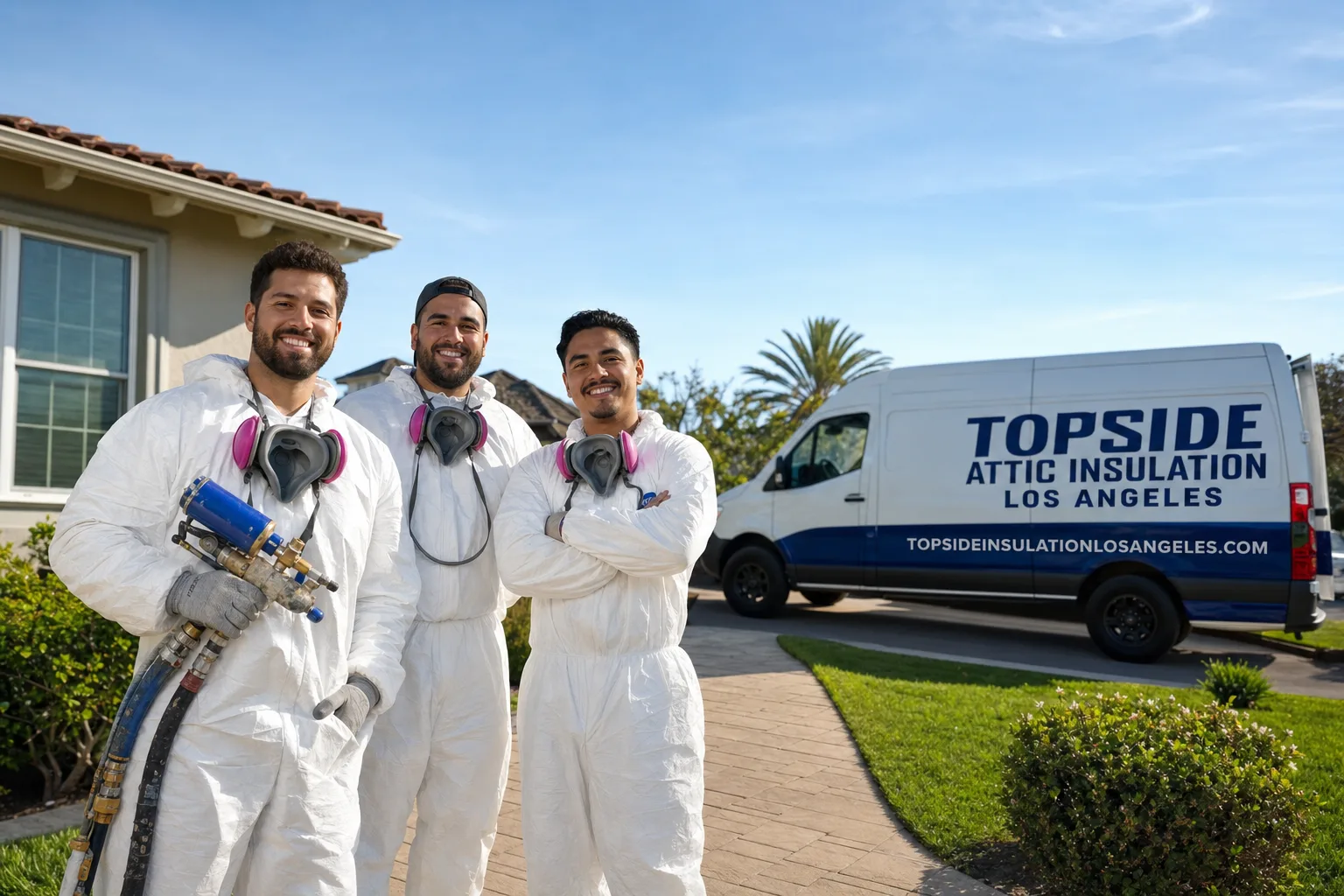
Fast, Reliable Spray Foam Insulation Across Manhattan Beach
Spray foam insulation in Manhattan Beach typically runs $4.50-$7.50 per board foot for open-cell and $6.50-$10.50 for closed-cell, with most whole-home retrofits falling between $8,000 and $22,000 depending on cavity access and moisture remediation needs. Our crews serve Manhattan Beach from our Los Angeles dispatch office, and we can usually inspect a Sand Section cottage or Hill Section ranch within 24 hours of your call. We know the local building department’s Title 24 compliance checklists, the marine-layer patterns that saturate wall cavities west of Highland Avenue, and the tight framing tolerances on 30-foot lots where every inch of interior space counts. Call (628) 226-1097 for a written price before any work starts.
Why Topside Attic Insulation Los Angeles Is Manhattan Beach’s Preferred Spray Foam Insulation Company
We’ve sealed and insulated more than 9,000 homes since 2016, and a significant share of them sit within five miles of the Manhattan Beach pier. Our Spray Foam Insulation team knows the difference between a 1950s Sand Section cottage with zero wall insulation and a 2023 tear-down rebuild that needs to hit full energy code on a footprint smaller than most suburban garages.
Manhattan Beach homeowners leave reviews that mention the same things: we show up on time, we publish blower-door numbers they can photograph, and we don’t start work until the written price is signed. Our 365-Day Done Right Promise applies here exactly as it does everywhere else - if the foam doesn’t perform as scoped, we make it right.
Calls from Manhattan Beach are answered by a live person, 24/7. No voicemail loops. No callback windows measured in business days. When you text or call (628) 226-1097, you get a human who understands that a marine-layer humidity problem doesn’t wait for Monday morning.
Our Spray Foam Insulation Services in Manhattan Beach
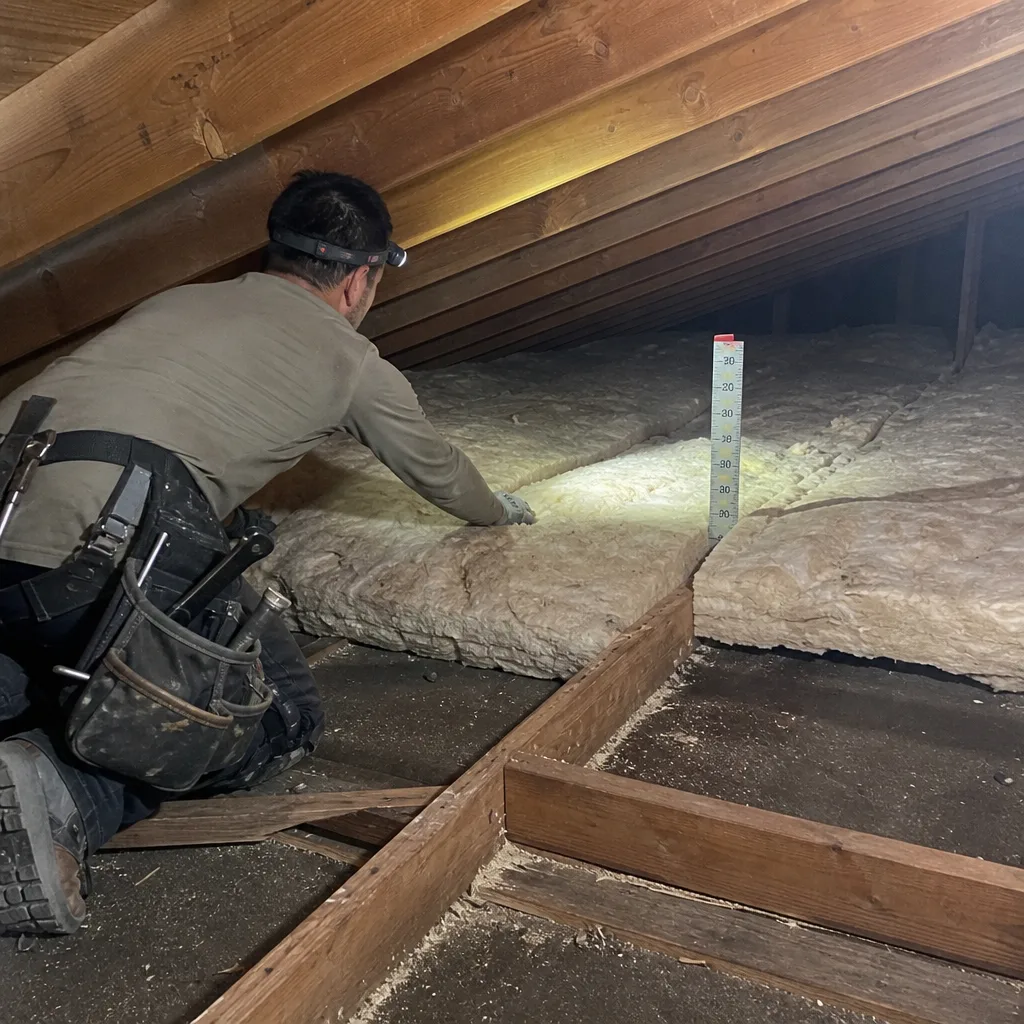
Closed-Cell Spray Foam
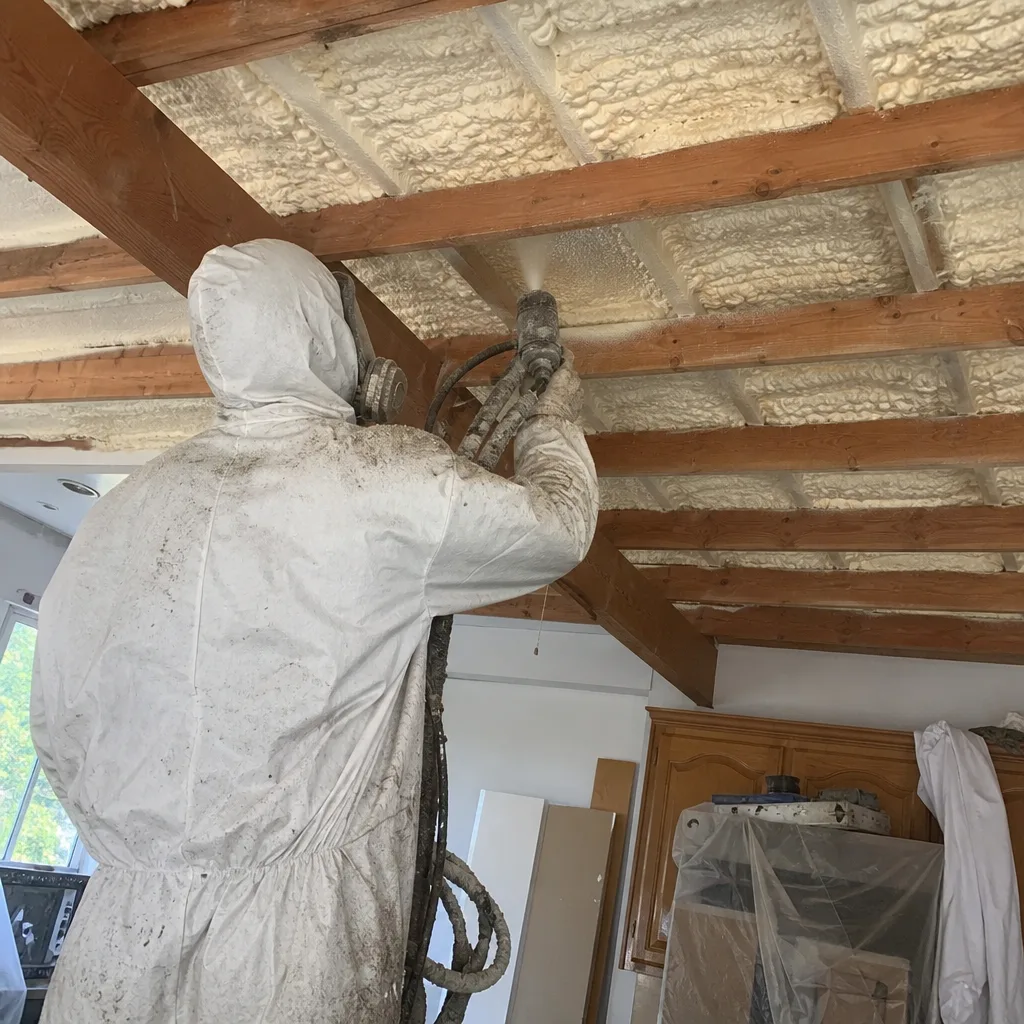
Closed-cell spray foam is our most specified product for Manhattan Beach’s Sand Section tear-downs and luxury rebuilds. At roughly R-6.5 per inch, it delivers the highest R-value per unit thickness available, which matters enormously when you’re trying to pass Title 24 on a 30-foot-wide lot and can’t afford to lose interior square footage to thicker wall assemblies. The foam also acts as its own vapor retarder - a critical feature here, where Pacific humidity pushes steadily into wall cavities year-round. We source closed-cell products from Demilec and Icynene, and we document every pass with photos and depth gauges so you can verify coverage before the drywall goes up.
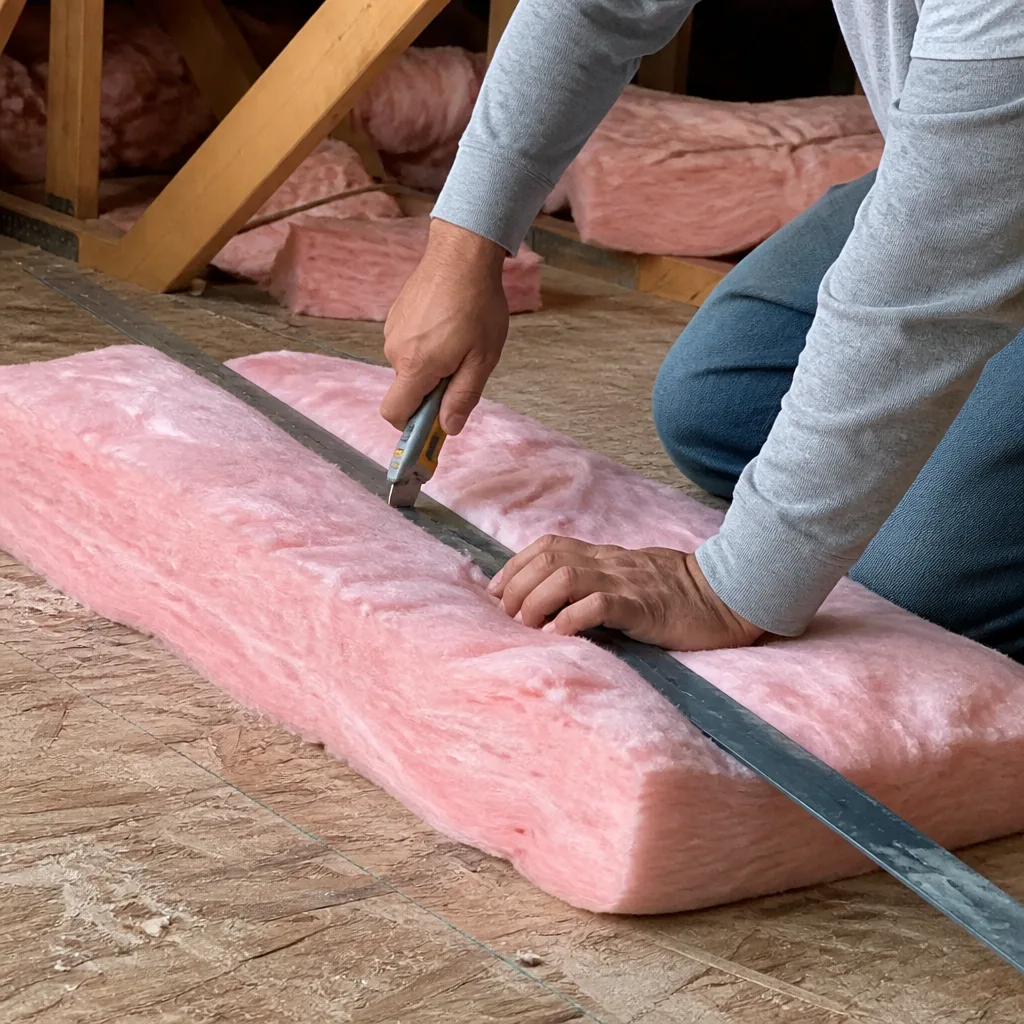
Open-Cell Spray Foam
Open-cell spray foam runs lighter and more affordable at roughly R-3.5 per inch, and it excels in attic applications and non-vented roof decks where moisture can dry to the interior. In Manhattan Beach’s Hill Section, where 1960s-1980s ranches often have adequate attic depth but leaky top plates and can lights, open-cell at the roof deck can convert a vented attic into conditioned space without the weight load of dense-pack alternatives. The tradeoff: open-cell is vapor-permeable, so we never install it against unsealed exterior sheathing in marine climates without first verifying the assembly can dry properly. Our crews test moisture content in the sheathing before spraying; if it’s above 18%, we dry it or we don’t spray.
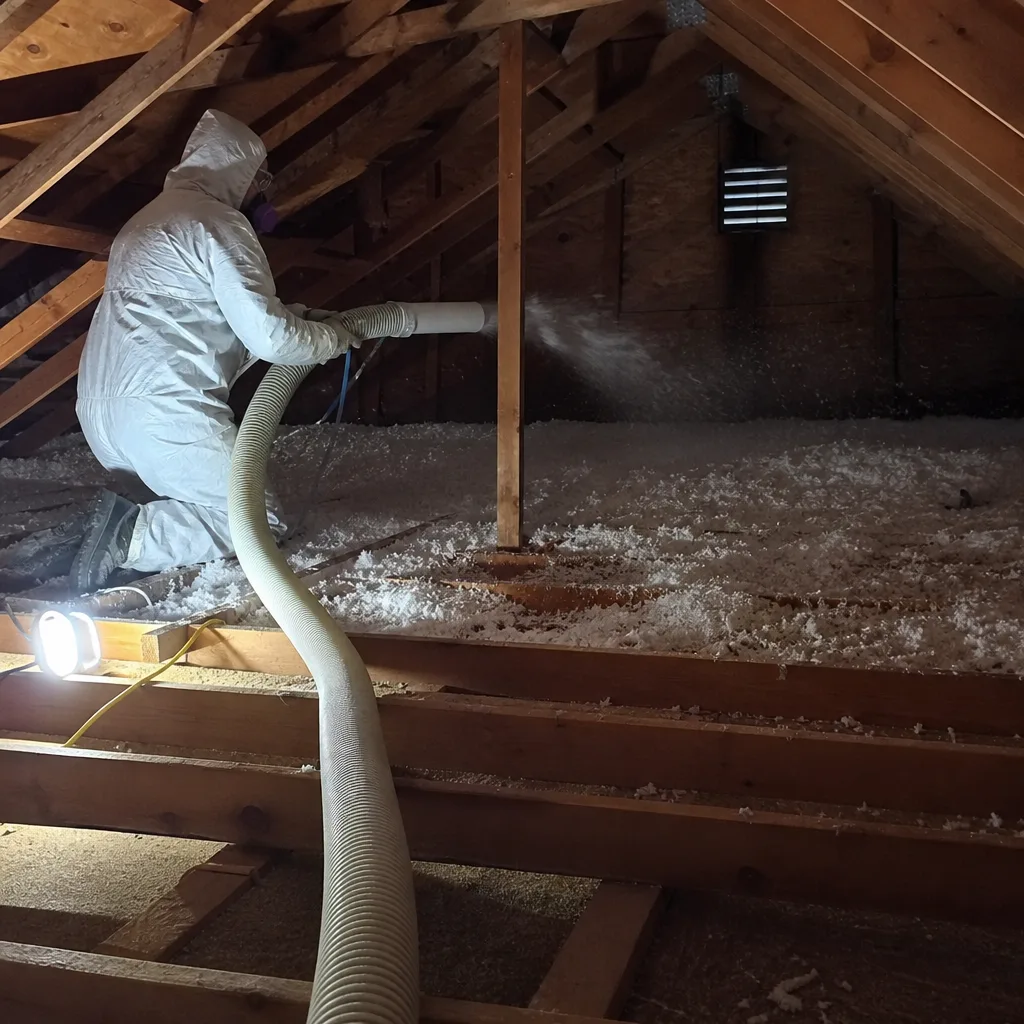
Rim Joist Spray Foam
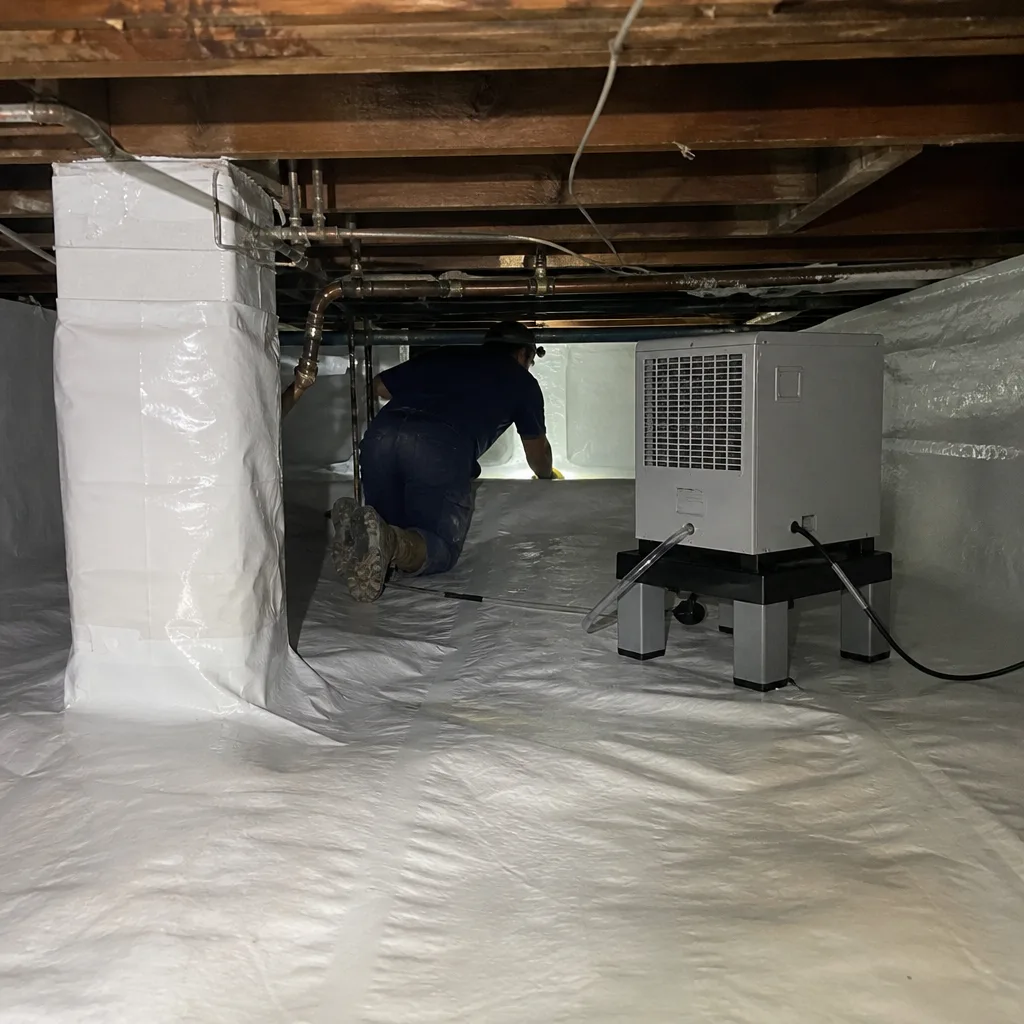
The rim joist - the perimeter band where your floor framing meets the foundation - is the leakiest square foot in most Manhattan Beach homes. In postwar beach cottages with crawl spaces or partial basements, this area was typically left completely unsealed, and decades of marine-air infiltration have left the sill plates damp and occasionally rotted. We detail closed-cell spray foam around every irregular framing member, sealing the rim joist to the subfloor and foundation wall in one continuous air barrier. Without this step, even a perfectly insulated attic loses conditioned air to the crawl space, and the coastal vapor drive keeps floor assemblies cold and musty. We photograph the before condition and the sealed result; the difference is usually visible to the naked eye.
Garage Ceiling Spray Foam
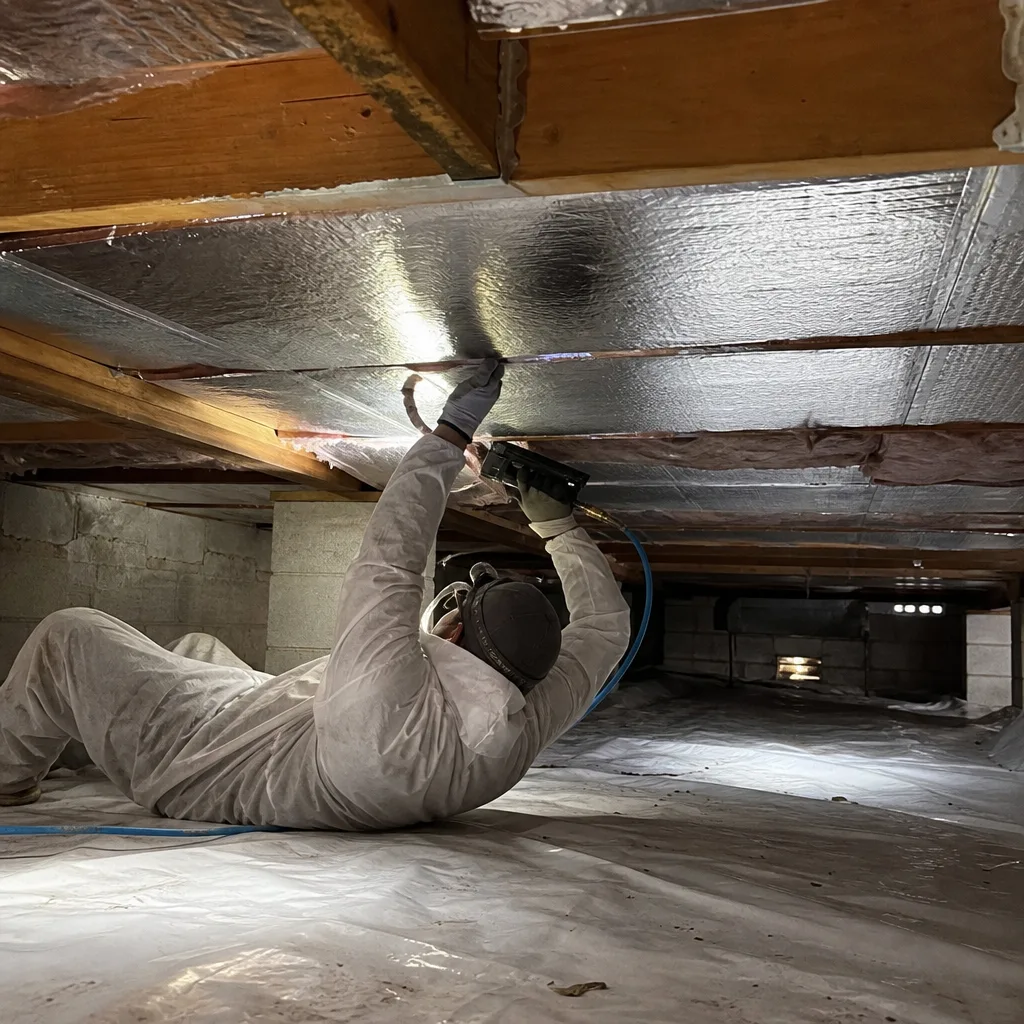
Manhattan Beach’s newer luxury builds often include finished bonus rooms above garages, and the garage ceiling is the thermal weak point that makes those rooms uncomfortable. We spray open-cell foam directly to the underside of the garage ceiling subfloor, sealing all duct penetrations and electrical runs in the process. For homes with smart-home wiring runs or planned carriage-house door automation, we coordinate with your electrician to maintain access channels - the foam goes in after the low-voltage rough-in, not before, so you’re not cutting through hardened insulation later to add a door sensor or camera cable.
What happens when you call
- 1
A real person answersNo phone trees - you reach a local pro.
- 2
You get an upfront price rangeHonest numbers before anyone is dispatched.
- 3
A background-checked tech heads outLicensed & insured, dispatched right away.
- 4
You approve before work beginsNothing starts until you say go.
 Before
 After
AfterTrusted Brands We Service in Manhattan Beach
We stock and install materials from Owens Corning, Johns Manville, and Knauf, alongside specialized spray foam products from Icynene and Demilec. We don’t carry proprietary lines that lock you into a single manufacturer’s ecosystem; if your architect specifies a particular foam density or environmental credential, we can source it. Our Los Angeles warehouse carries common closed-cell and open-cell sets with local climate-adjusted catalyst ratios, so we don’t wait on cross-country freight when a Manhattan Beach job needs to stay on schedule. Every batch is date-stamped and temperature-logged on delivery, and we keep the documentation with your job file.
Common Spray Foam Insulation Problems We See in Manhattan Beach Homes
- Open-cell foam applied without vapor control on old Sand Section sheathing. The marine layer pushes humidity straight through permeable foam and condenses against cool plywood, breeding hidden mold on studs. We see this pattern so often west of Highland Avenue that mold remediation is now part of our standard bid scope for 1950s cottages in that zone.
- Closed-cell foam oversprayed in narrow tear-down wall cavities. On 30-foot Sand Section lots, framers and insulators are working in inches, not feet. Foam that expands beyond its specified yield can encroach on electrical and plumbing rough-in space, forcing costly rework by other trades. Our crews use controlled-pass techniques and real-time depth measurement to prevent this.
- Rim joist gaps in irregular postwar framing. Beach cottages weren’t built to modern tolerances, and the gaps between sill plates, rim boards, and subfloors are often uneven and oversized. Spray foam that isn’t manually detailed into these crevices leaves air leaks that undermine the entire envelope, especially where the Pacific vapor drive is constant.
- Garage ceiling spray blocking future smart-home or door-automation runs. We coordinate with low-voltage contractors before spraying, preserving chase paths for wiring that carriage-house door systems, security cameras, and home-automation hubs will need later.
Pricing for Spray Foam Insulation in Manhattan Beach, CA
| Service | Typical Range in Manhattan Beach |
|---|---|
| Open-cell spray foam (attic, roof deck) | $4.50-$7.50 per board foot |
| Closed-cell spray foam (walls, rim joists) | $6.50-$10.50 per board foot |
| Whole-home retrofit, Sand Section cottage (with moisture remediation) | $12,000-$22,000 |
| Rim joist sealing only, crawl space or partial basement | $2,800-$5,500 |
| Garage ceiling, bonus room above | $3,500-$7,000 |
| New luxury build, full envelope, 30-foot lot | $18,000-$35,000 |
What moves a Manhattan Beach job toward the higher end: wall cavities that need wet insulation removal and sheathing treatment, multiple stories with scaffold or lift access, and Title 24 documentation that requires blower-door testing and HERS rater coordination. What keeps it lower: simple attic or garage applications with clear access and dry substrates. We give you a written price before any work starts - Haven Standard Clause 1 - and we don’t charge for the estimate. Bring us a competing written quote and we’ll provide a Free Second Opinion, line by line.
We Also Serve Cities Near Manhattan Beach
Our crews work throughout the South Bay. If you’re in Lawndale, Hawthorne, Redondo Beach, or Inglewood and need spray foam insulation, the same live-answer dispatch, same written-price guarantee, and same documented photo record apply. We coordinate scheduling from our Los Angeles office and route crews efficiently across the metro area. Manhattan Beach remains our focus on this page, but neighbors are welcome to call (628) 226-1097.
Serving Manhattan Beach, CA - Our Local Coverage Area
We’re based in the Manhattan Beach area and know this community well. Use the map below to see our service coverage - if you’re nearby, we can almost certainly help.
FAQs - Spray Foam Insulation in Manhattan Beach
Closed-cell spray foam delivers R-6.5 per inch, so you can meet Title 24 requirements without the thick wall assemblies that exterior rigid-foam retrofits demand - and on a 30-foot lot, you can’t spare the interior square footage. Traditional batt or blown-in alternatives would require deeper studs or furring strips that eat into already tight rooms. We’ve completed dozens of these builds where the architect’s only path to code compliance was 3.5 inches of closed-cell in standard 2×4 walls, gaining the R-value and the air sealing in one application.
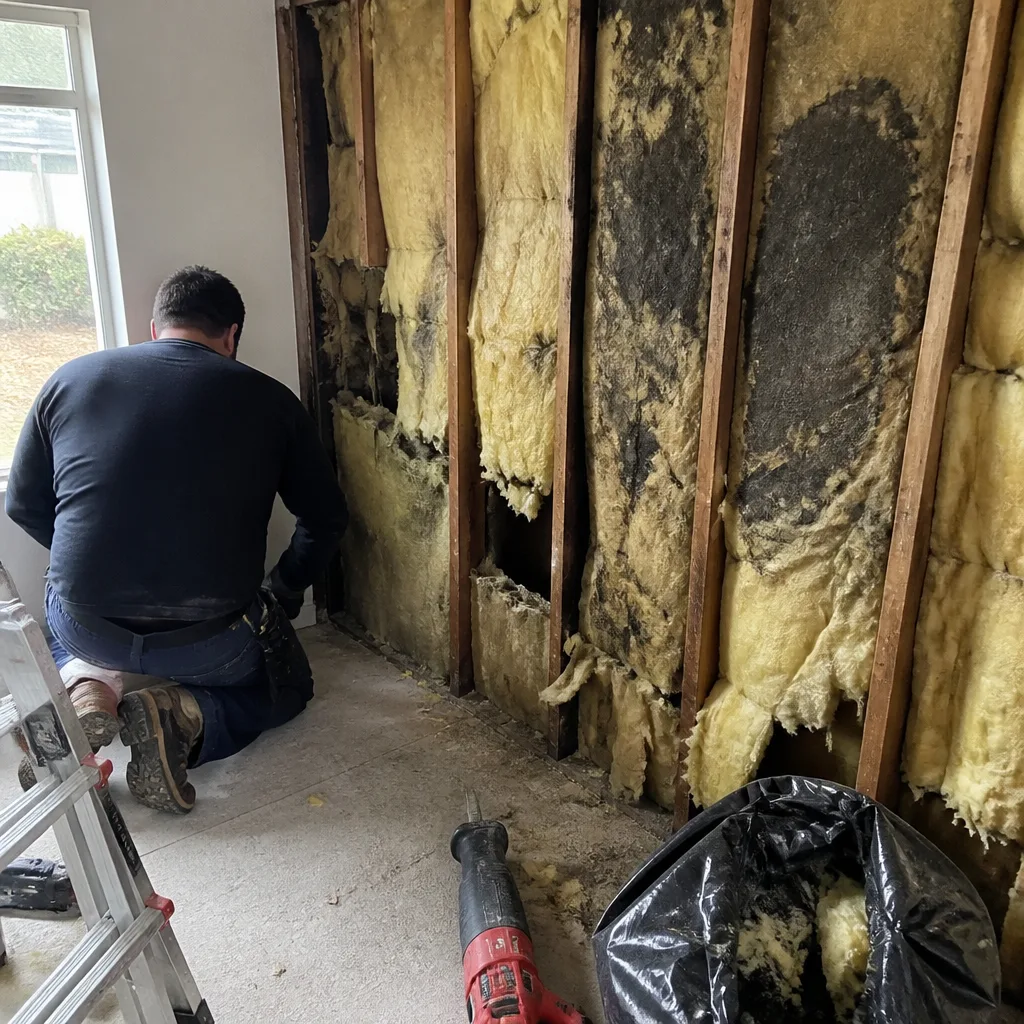
Visible efflorescence or surface mold on exterior sheathing when interior drywall is removed, batts that compress or fall apart when touched due to moisture saturation, and persistent musty odors that return within weeks of cleaning. We were called to a 1950s Sand Section cottage west of Highland Avenue where the homeowners wanted to convert the attic before their kids started school. When we opened the wall cavities, the fiberglass batts were saturated and the sheathing showed visible efflorescence - classic marine-layer damage we see on this side of town. We removed the wet batts, treated the stud bays, and installed closed-cell spray foam at the rim joists and wall cavities to seal the vapor drive, then dense-packed the open attic areas. The result: a dry, quiet master suite that no longer smells like the beach fog, and the home passed Title 24 without adding a single inch of wall thickness. Call (628) 226-1097 if you’re seeing similar symptoms - estimates are free.
Closed-cell, almost always. Rim joists are exposed to ground moisture from crawl spaces and to the Pacific vapor drive from outside, so they need a material that blocks water vapor while adhering to irregular wood surfaces. Open-cell would allow humidity to pass through and condense on the sill plate. Our crews use closed-cell at 2-3 inches on Hill Section rim joists, which achieves both the air seal and the vapor control in one pass. We photograph the before condition and the sealed result for your documentation.
Closed-cell spray foam creates a monolithic air and vapor barrier that stops the marine-layer humidity from reaching cool sheathing where it can condense. Unlike batts or loose fill, it adheres directly to the stud faces and sheathing, eliminating the convection currents that carry moist air into wall cavities. In Sand Section cottages where decades of unimpeded infiltration have left visible mold, we remove the damaged material, treat the substrate, then install closed-cell to break the vapor drive permanently. The key is sealing first, then insulating - we never blow new product over an unsealed cavity. Call (628) 226-1097 for an inspection and written scope.
Only if it’s installed without coordination. Our crews map all existing and planned low-voltage runs before spraying, preserving chase paths for door-automation cables, security camera feeds, and home-automation hub wiring. For garage ceilings with finished space above, we spray after the electrical and low-voltage rough-in is complete but before the drywall goes up, so your smart-home integrator has clean access to everything they need. We document the preserved channels with photos so there’s no guesswork when the automation contractor arrives.
Written by Wes Okafor, Owner at Topside Attic Insulation Los Angeles, serving Manhattan Beach since 2016.