
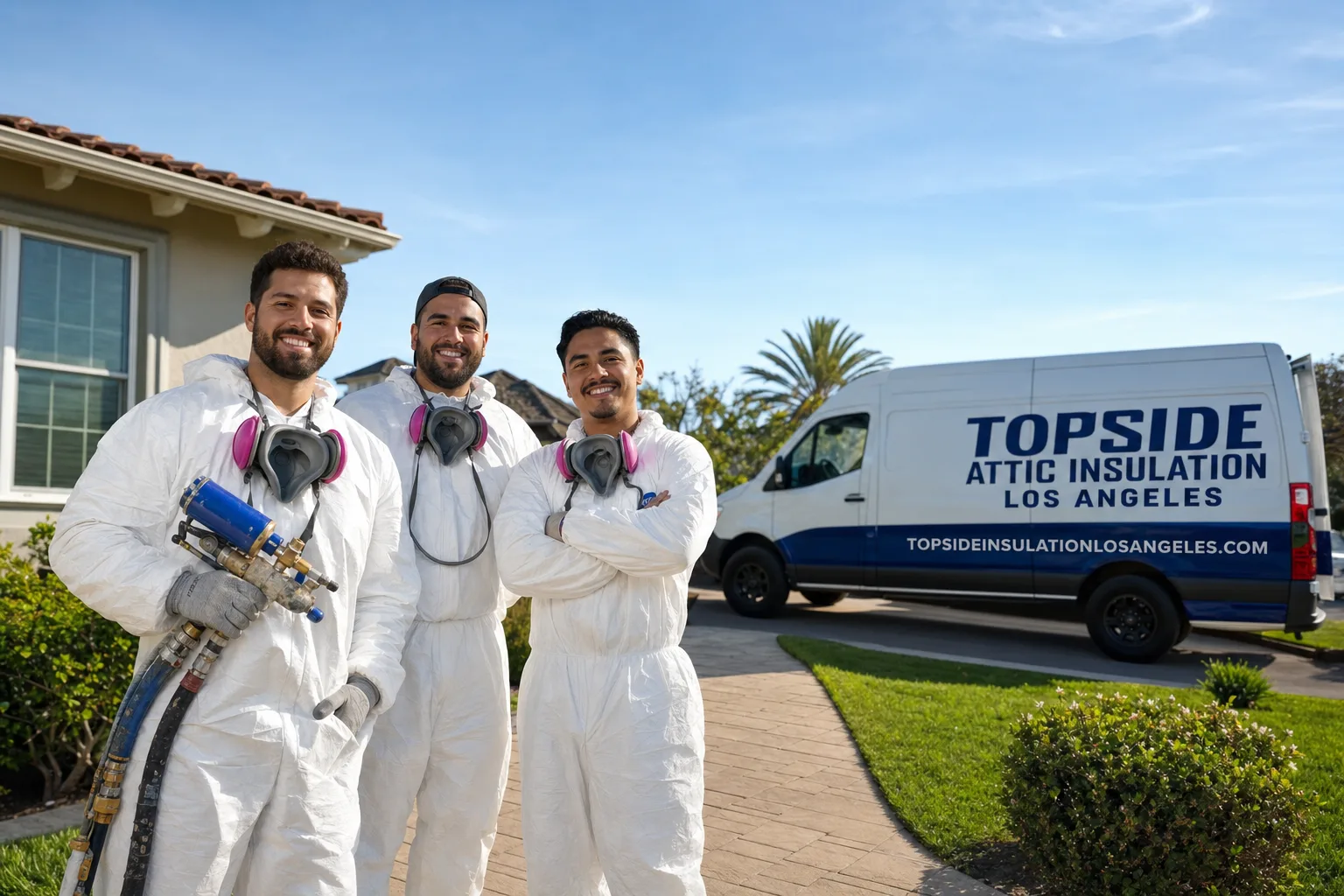
Fast, Reliable Blown-In Insulation Across Culver City
Most blown-in insulation jobs in Culver City run between $2,400 and $5,800 depending on whether we’re treating the attic floor, dense-packing lath-and-plaster walls, or both. Our crews are typically on-site in Culver City within 24 to 48 hours of your call, and we carry the Owens Corning, GreenFiber, and Johns Manville products that handle coastal moisture cycling better than standard open-faced batts. Call (628) 226-1097 for a written price before any work starts.
We’ve worked on enough Culver City homes to know the pattern: a homeowner feels drafts in winter, sees the summer cooling bill spike, and assumes the attic needs more insulation. Often it does. But in this city’s 1920s-1950s bungalows, the bigger problem is the uninsulated wall cavities, and the marine layer rolling through five mornings a week means those cavities stay damp longer than inland LA. Our Blown-In Insulation crews start with a blower-door test and a written scope, not a sales pitch.
Why Topside Attic Insulation Los Angeles Is Culver City’s Preferred Blown-In Insulation Company
We’ve sealed and insulated over 9,000 homes since 2016, and enough of them have been in Culver City that we know the local inspection schedule, the permit portal, and which inspectors ask to see vapor-retarder documentation before they sign off. Our Culver City customers leave reviews that mention the same things: the written price that didn’t change, the blower-door numbers they could show their spouse, the photos of every cavity before and after.
Response time to Culver City is typically next-day or the day after. Dispatch and scheduling run from our Los Angeles office, but the crew that shows up at your door knows the difference between a Fox Hills slab-on-grade and a Downtown Culver City raised foundation. They know the 1930s Spanish Colonial Revival near Culver Boulevard needs a different drill-and-fill approach than the 1960s apartment complex off Slauson Avenue.
Our 365-Day Done Right Promise applies here the same as everywhere else: if it’s not done right, we make it right. Under Haven Standard Clause 1, you get a flat price, written scope, and written warranty before anyone lifts a tool. No exceptions.
Our Blown-In Insulation Services in Culver City
Blown-In Cellulose
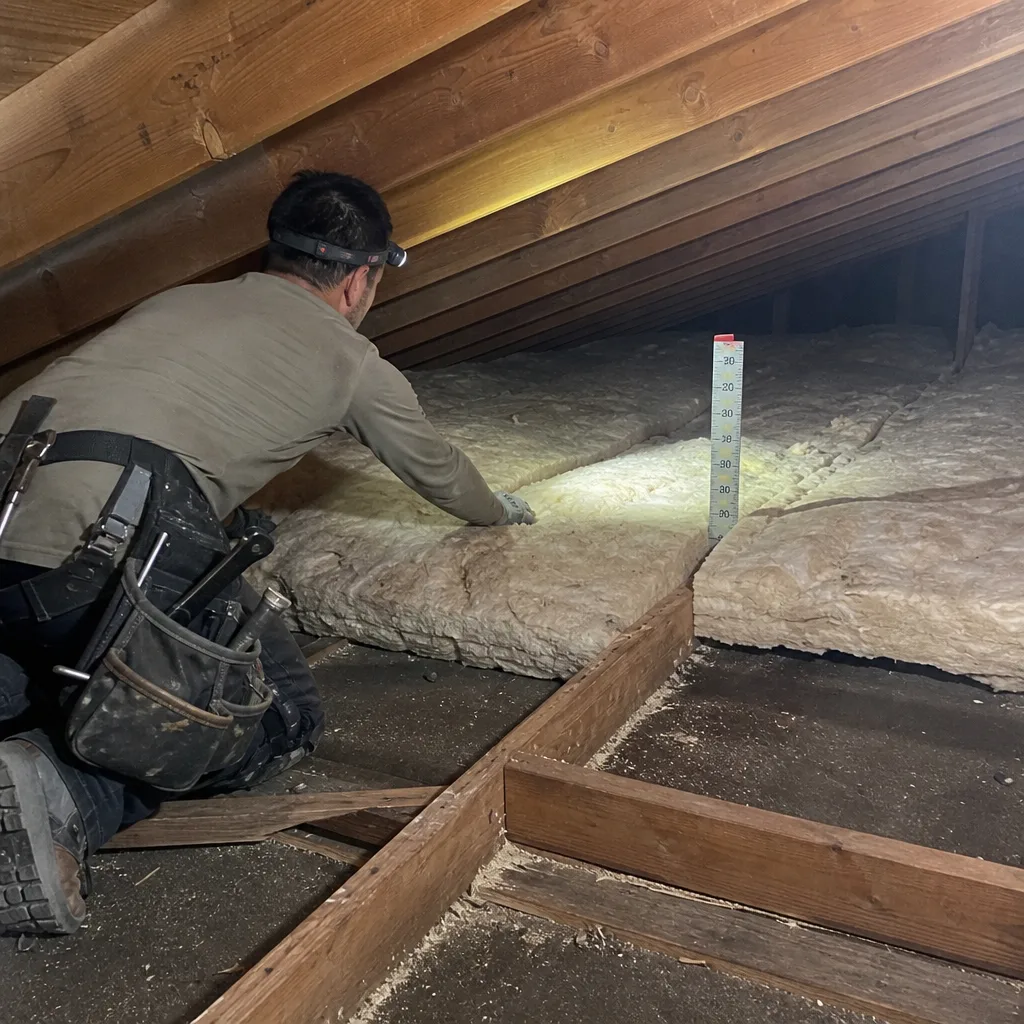
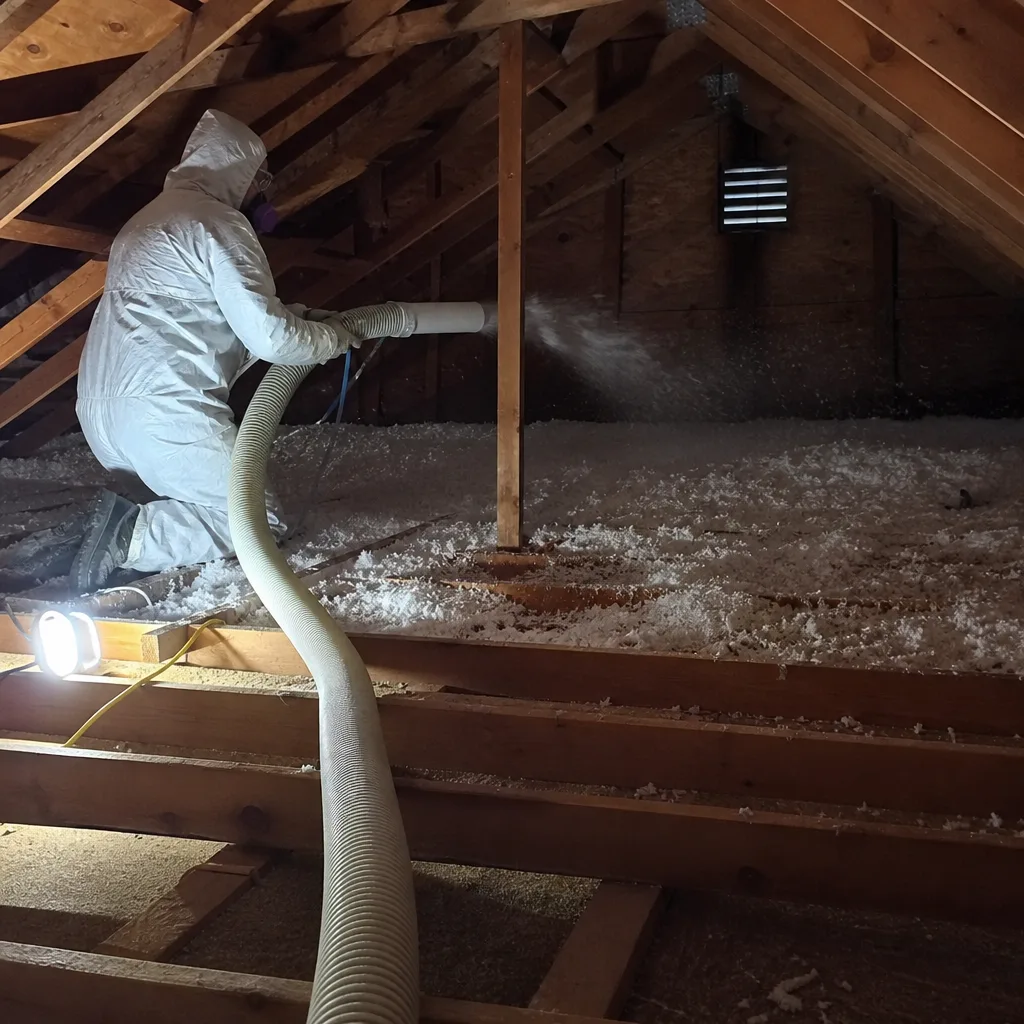
We dense-pack GreenFiber cellulose into Culver City’s uninsulated wall cavities more often than any other product. Cellulose handles moisture cycling better than fiberglass when properly installed with vapor control, and the treated borate content resists mold and pests. In a typical 1,200-square-foot Culver City bungalow, wall dense-packing runs $3,200-$4,800 and attic floor treatment adds another $2,400-$3,600. The marine layer here makes vapor management non-negotiable; we never blow cellulose without sealing top plates and plumbing penetrations first.
Blown-In Fiberglass
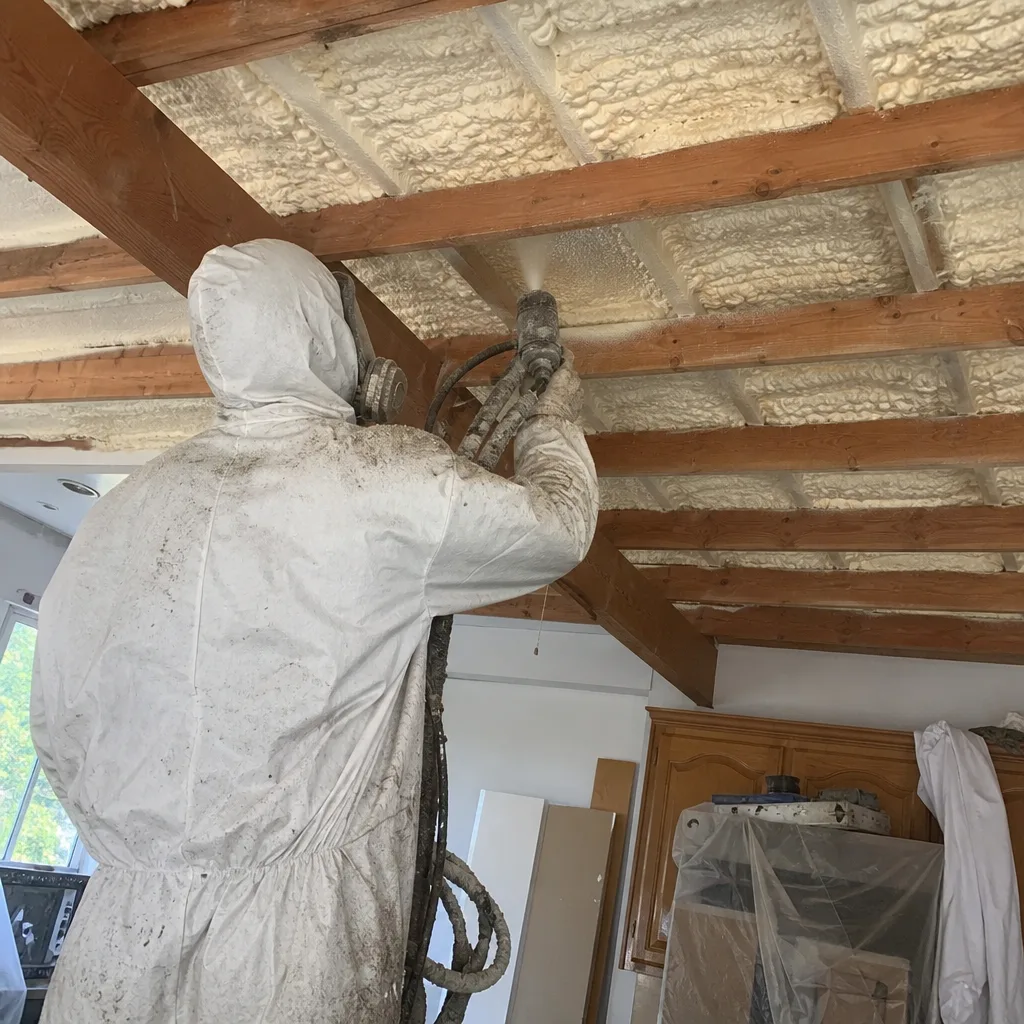
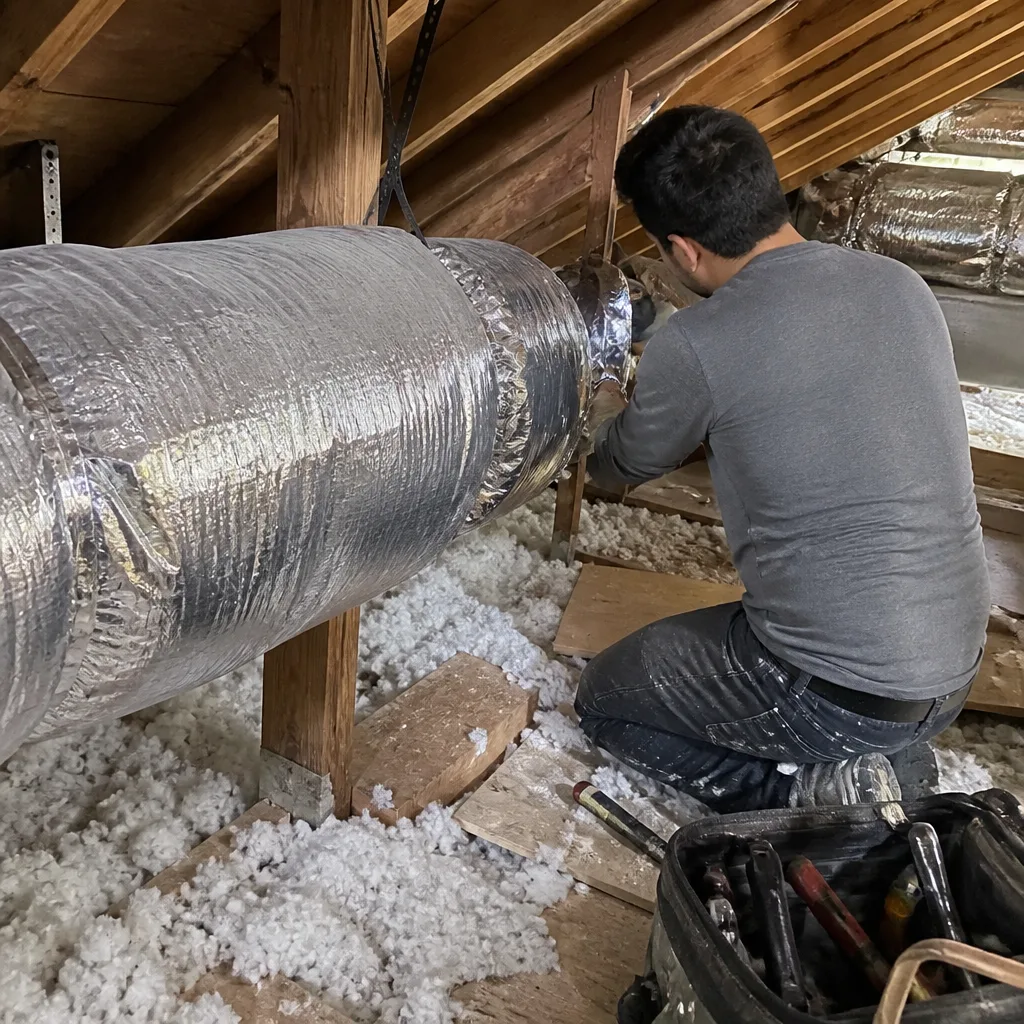
For attic floors in Culver City’s moisture-prone climate, we use Owens Corning blown fiberglass over a vapor-retarder base layer. Fiberglass doesn’t absorb water the way cellulose can if a roof leak develops, and the vapor retarder keeps attic humidity from condensing on the drywall below. This is our standard approach for homes that already have some attic insulation but need a top-up to meet current Title 24 standards. Most Culver City attic top-ups run $1,800-$3,200.
Dense-Pack Wall Insulation
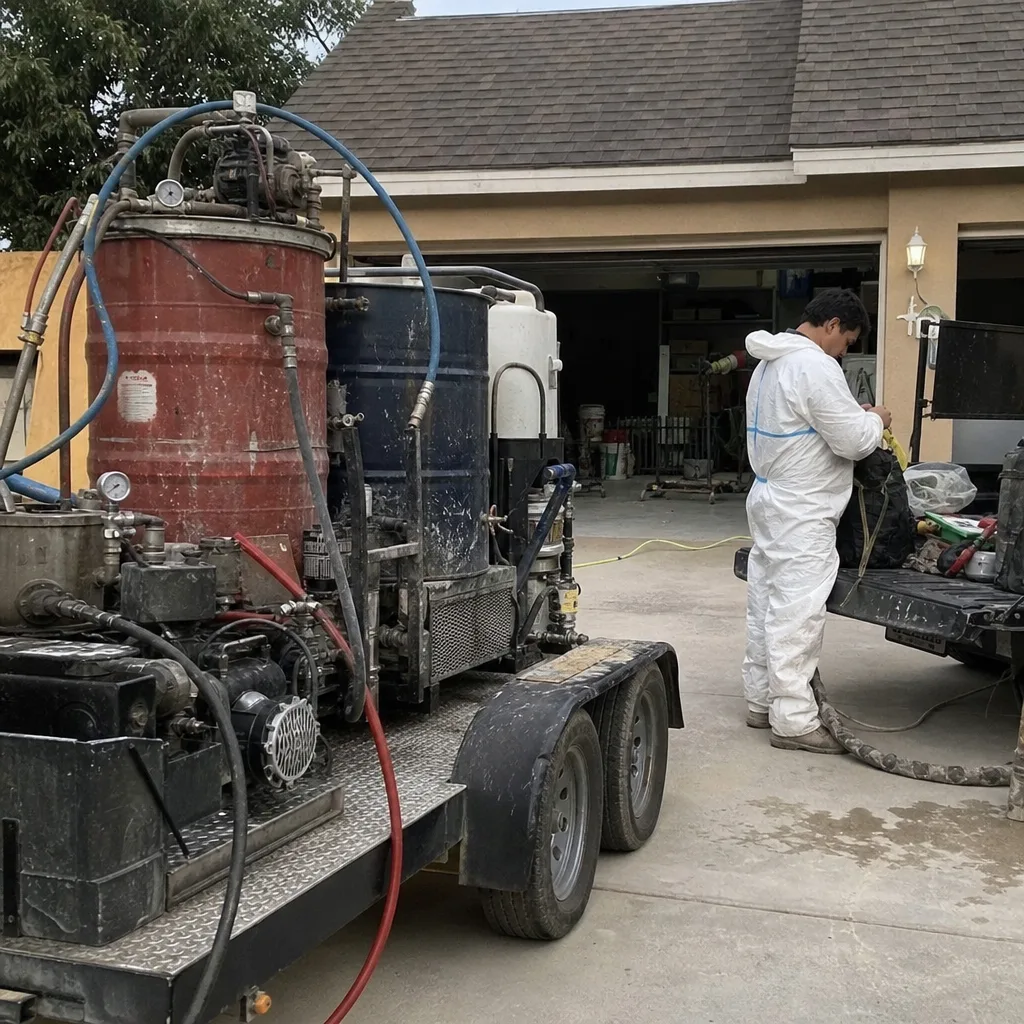
This is the service that separates Culver City retrofits from inland jobs. Those plaster-and-lath walls were built open. Dense-packing fills them completely without removing the plaster, using a two-hole drill pattern and controlled fill pressure so the lath doesn’t crack. The fog belt here means we also air-seal the top plates and install vapor-retarder-faced products where the wall meets the attic. A full-house dense-pack in a Culver City bungalow typically runs $4,200-$6,400. We see contractors skip this step and just blow attic insulation, leaving the walls cold and condensing. That shortcut costs more in mold remediation than the dense-pack would have.
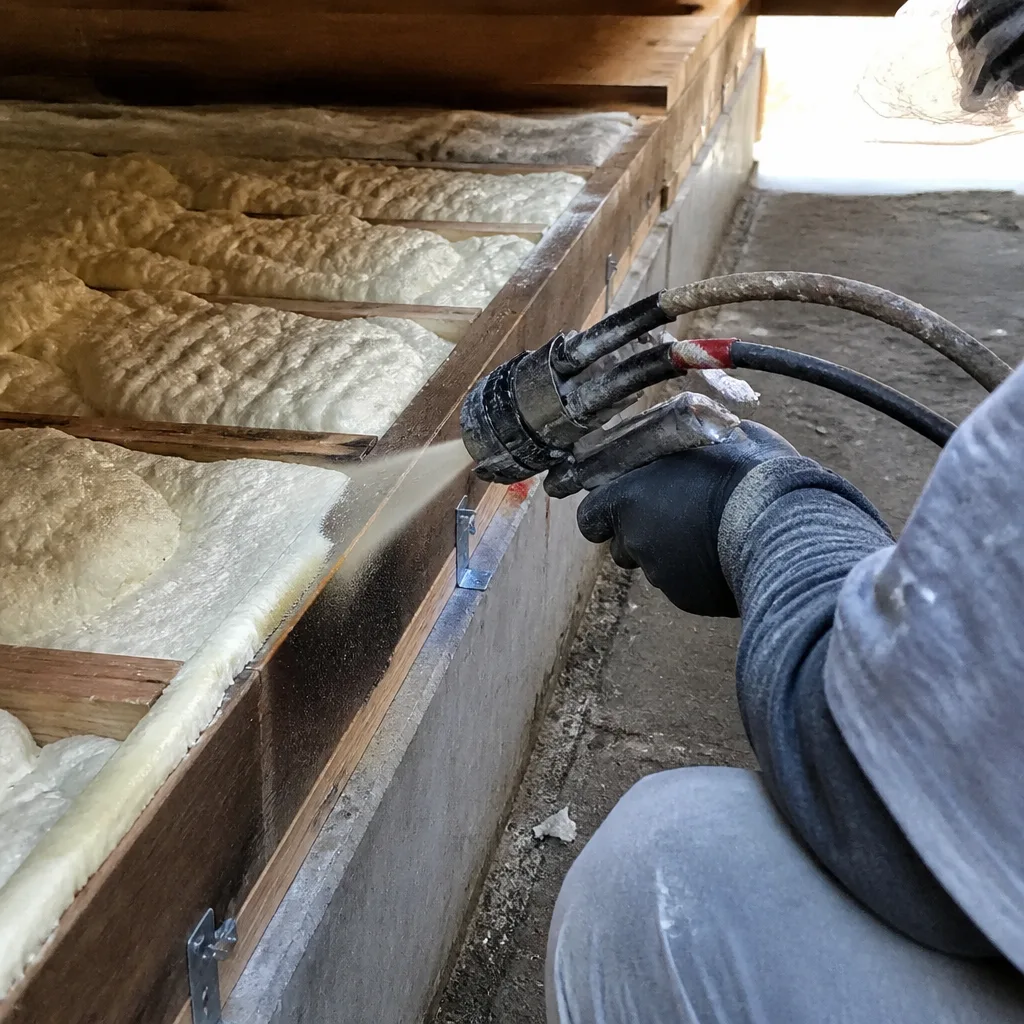
Blown-In Top-Up
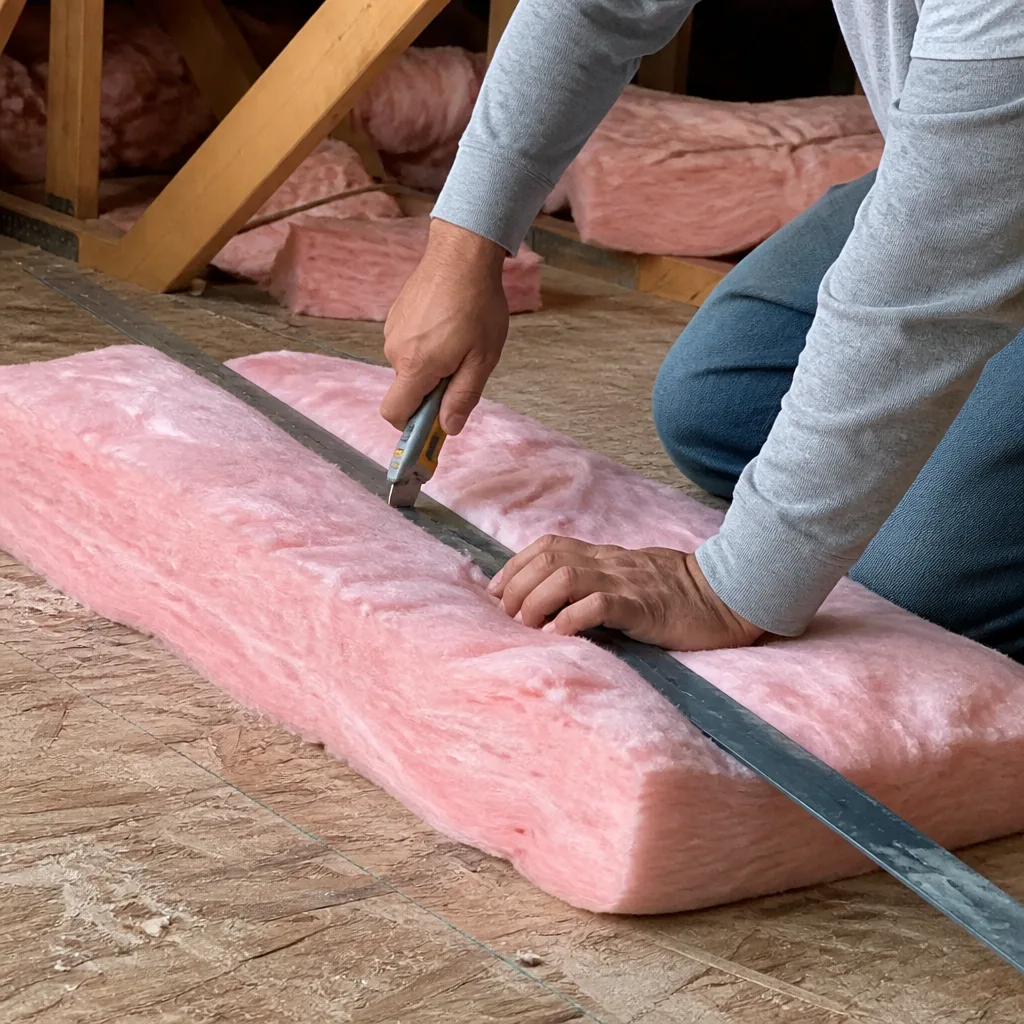
Some Culver City homes, especially in the Fox Hills area, were insulated in the 1970s or 1980s with batts that have compressed or been disturbed during electrical or plumbing work. A blown-in top-up brings the attic to current R-value without removing what’s there, provided the existing insulation is dry and uncontaminated. We test for moisture and document with photos before we add anything. Top-ups in Culver City typically run $1,800-$3,200 for attics under 1,500 square feet.
What happens when you call
- 1
A real person answersNo phone trees - you reach a local pro.
- 2
You get an upfront price rangeHonest numbers before anyone is dispatched.
- 3
A background-checked tech heads outLicensed & insured, dispatched right away.
- 4
You approve before work beginsNothing starts until you say go.
 Before
 After
AfterTrusted Brands We Service in Culver City
We stock GreenFiber cellulose, Owens Corning fiberglass, and Johns Manville mineral wool at our Los Angeles warehouse, with delivery to Culver City next-day when a job requires additional material. We don’t push proprietary products or lock you into a single brand. The choice depends on your home’s specific conditions: cavity moisture levels, existing insulation condition, and whether we’re treating attic floor, walls, or both. Every job gets a written material specification as part of the Haven Standard scope.
Common Blown-In Insulation Problems We See in Culver City Homes
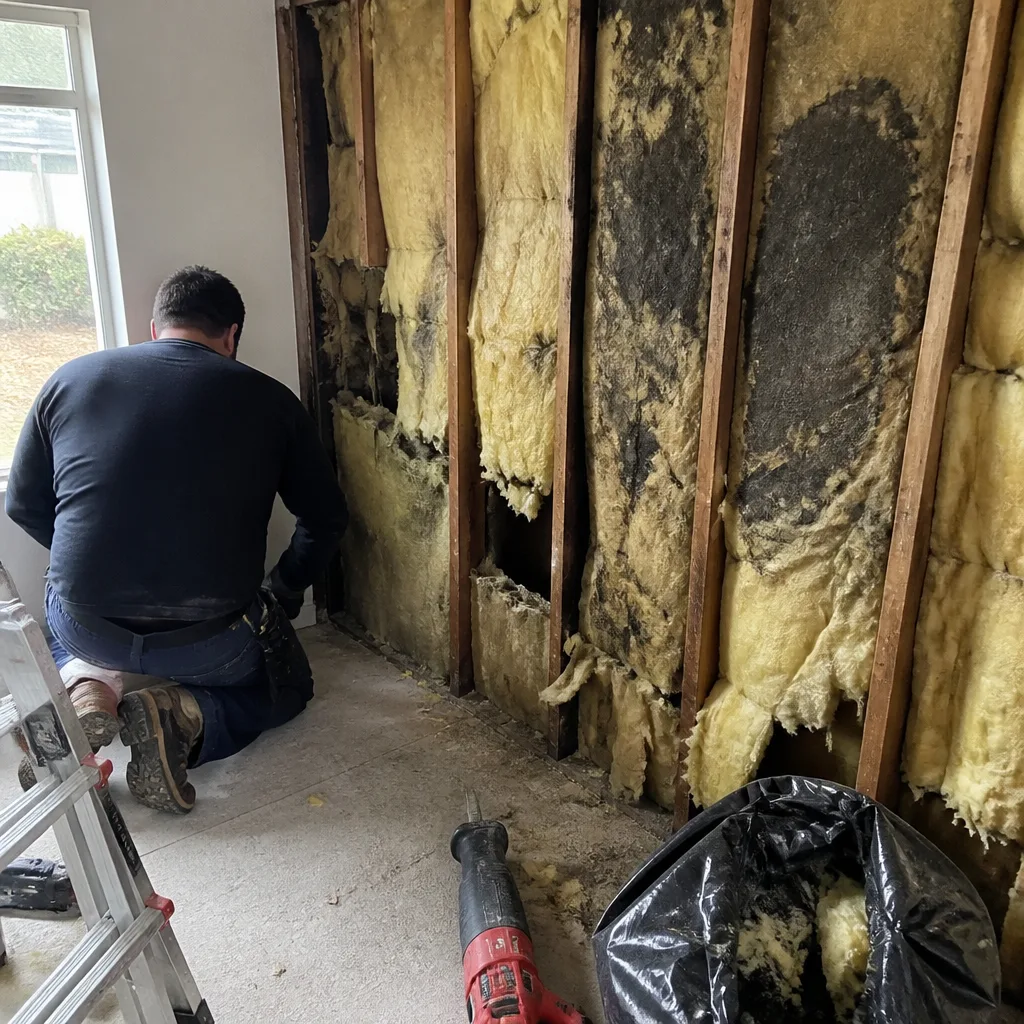
- Open-faced batts wicking marine-layer moisture. Standard fiberglass batts without vapor retarder facing, stuffed into Culver City’s lath-and-plaster walls, absorb humidity from daily fog cycling and become mold reservoirs. We pull these when we find them and replace with dense-packed cellulose or vapor-managed fiberglass.
- Attic-only retrofits leaving walls cold. A cheap attic top-up in a 1930s bungalow with zero wall insulation means the plaster surface stays below dew point on foggy mornings. Condensation forms, paint peels, and the musty smell never quite clears. The fix is dense-packing the walls first, then treating the attic.
- Permits pulled through the wrong jurisdiction. Contractors habituated to LADBS submit paperwork for Culver City jobs and get red-tagged at inspection. Culver City’s Building Safety Division requires its own CF1R/CF2R documentation and vapor-control verification. We route everything through the correct portal from day one.
- Rewire crews leaving wall cavities open. Fox Hills apartments and older bungalows both suffer from this: electricians pull old knob-and-tube or Romex, remove compressed batts for access, and never replace them. The cavity stays open to the attic and the crawl space, creating a thermal bypass that bypasses whatever insulation remains.
Pricing for Blown-In Insulation in Culver City, CA
| Service | Typical Range in Culver City |
|---|---|
| Attic floor blown-in (cellulose or fiberglass) | $2,400 - $4,200 |
| Attic top-up over existing insulation | $1,800 - $3,200 |
| Dense-pack wall insulation (full house) | $4,200 - $6,400 |
| Attic + walls combined | $5,800 - $9,200 |
| Air sealing + blower-door verification | $1,200 - $2,400 |
These ranges reflect 2024-2025 material and labor costs in the Culver City market. Final price depends on square footage, cavity accessibility, and whether we find existing insulation that needs removal. Every estimate includes the written scope, written warranty, and Documented Photo Record. We also offer a Free Second Opinion on any written estimate you’ve received from another contractor. Call (628) 226-1097 to schedule.
We Also Serve Cities Near Culver City
Our crews work throughout the Westside and South Bay. We regularly handle Blown-In Insulation in Culver City and nearby Inglewood, Beverly Hills, Santa Monica, and Hawthorne. Each city has its own permit path and housing stock; we adjust the scope accordingly rather than applying a single template.
Serving Culver City, CA - Our Local Coverage Area
We’re based in the Culver City area and know this community well. Use the map below to see our service coverage - if you’re nearby, we can almost certainly help.
FAQs - Blown-In Insulation in Culver City
Yes. Culver City operates its own Building Safety Division, separate from LADBS and LA County, and blown-in retrofits require a permit routed through Culver City’s portal with Title 24 CF1R/CF2R compliance paperwork. Contractors who habitually pull LA City permits often get delayed or red-tagged here. We handle the permit submission as part of our standard scope. Call (628) 226-1097 and we’ll confirm whether your specific job needs a full permit or qualifies for an exemption.
Culver City’s daily marine-layer fog drives wall-cavity humidity well above inland LA levels, and the city’s 1920s-1950s bungalows were built with zero wall insulation. Dense-packing fills those lath-and-plaster cavities completely, stopping the thermal bypass that makes plaster walls cold and condensing on foggy mornings. Burbank and Pasadena have drier climates and, often, newer wall assemblies. Call (628) 226-1097 for a written price on dense-packing your walls.
Yes, but the sequence matters. These homes need wall dense-packing first, then attic treatment, with air sealing and vapor control at both levels. On a 1930s bungalow near downtown Culver City, our crew dense-packed the lath-and-plaster wall cavities with GreenFiber cellulose after confirming the two morning fog cycles a day were driving cavity humidity well above inland readings. When we opened the wall for the dense-pack, the original wood framing was fine but the paper facing on the old batt scraps left behind by a past rewire had already begun to crumble from moisture cycling. We pulled those, air-sealed the top plates, and topped the attic with Owens Corning blown fiberglass over a vapor-retarder base. The homeowner’s August attic temperature dropped and the musty smell in the back bedroom cleared within a week. Call (628) 226-1097 for a written estimate on your bungalow.
No. Fox Hills buildings from the 1960s and 1970s typically have framed walls with batt insulation that may be compressed or removed, and the access constraints differ. We often use blown-in top-up in attics and selective dense-pack in walls where access allows, but the material and technique adjust to the building type. The permit path is the same, Culver City Building Safety Division. Call (628) 226-1097 and we’ll assess your specific building.
Yes. The marine layer rolls through on most mornings from May through August and periodically year-round, keeping attic and wall-cavity relative humidity elevated for hours longer than inland neighborhoods. In poorly air-sealed spaces, this moisture cycling accelerates mold growth on organic materials like paper-faced batts and dust accumulation. We see it regularly in Culver City homes with open-faced batts or unsealed top plates. Our standard scope includes air sealing before insulation and vapor-retarder-faced products where appropriate. Call (628) 226-1097 for a free assessment.
Written by Wes Okafor, Owner at Topside Attic Insulation Los Angeles, serving Culver City since 2016.