
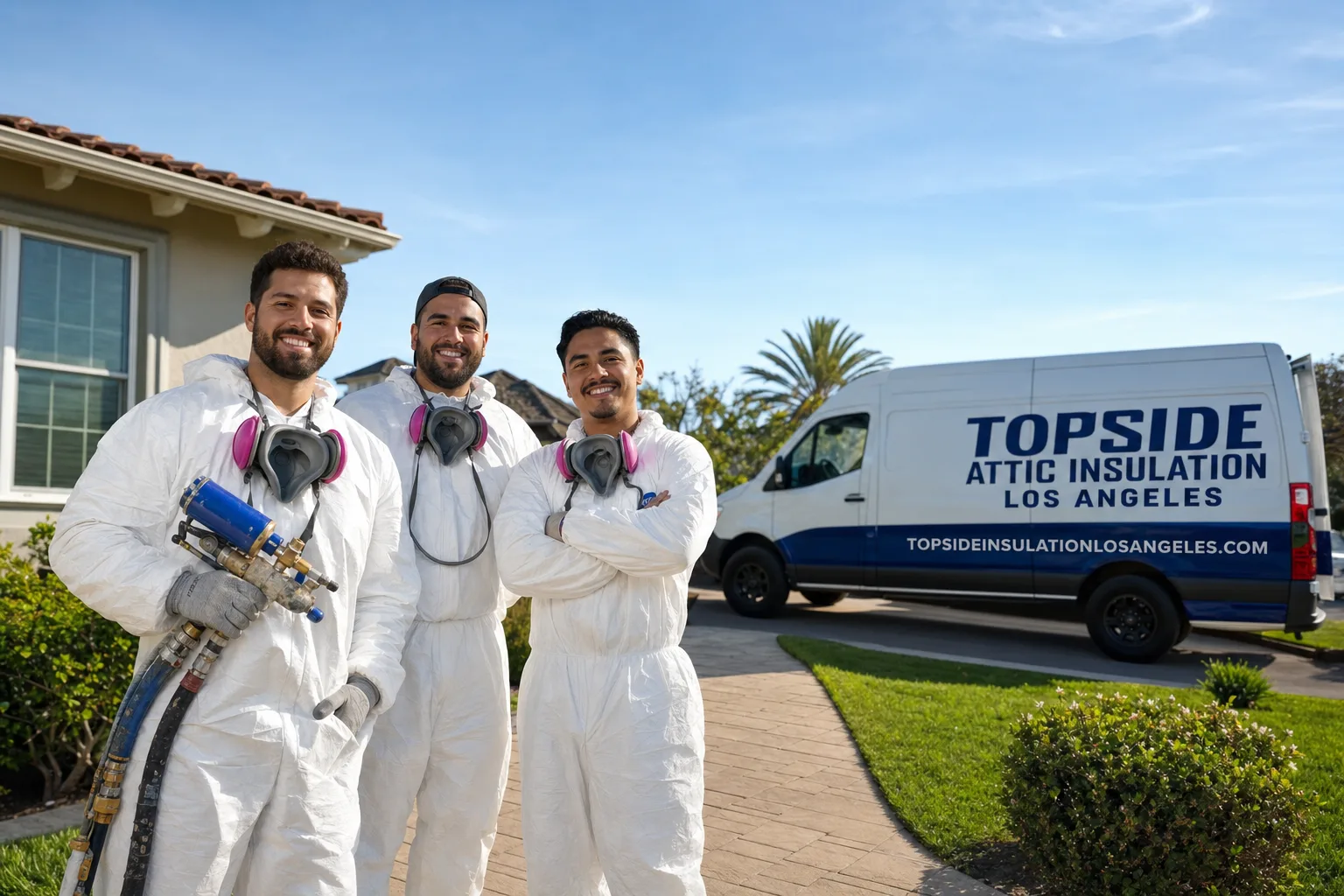
Fast, Reliable Attic Insulation Across Compton
Most attic insulation jobs in Compton run between $1,200 and $3,800 depending on square footage and whether the attic needs air sealing first, and our crews can typically inspect and quote same-day. We dispatch to Compton from our Los Angeles office, which means we’re usually on-site in Compton neighborhoods like Richland Farms, Sunny Cove, or the area around Compton High School within 45 minutes of a scheduled appointment. Call (628) 226-1097 to book a free inspection - estimates are always written, always free, and we bring them with us before any work starts.
Why Topside Attic Insulation Los Angeles Is Compton’s Preferred Attic Insulation Company
We’ve insulated attics in Compton since we opened under The Haven Standard in 2016, and the pattern is consistent: small post-WWII bungalows with original batts that have compressed to almost nothing, plus unpermitted additions that share an open attic plane with zero insulation over the new ceiling. Our Compton customers leave reviews that specifically mention the blower-door numbers we publish - the pressurization reading that shows, in one figure, how much conditioned air the home was losing before and after our crew sealed and insulated.
Response time to Compton averages under an hour for scheduled appointments, and our live-answered phone line means you’re talking to a person, not a callback queue. We know the local housing stock: the 900-1,200 square foot stucco bungalows along Rosecrans Avenue, the compacted fiberglass near Compton Creek, the garage conversions off Atlantic Avenue that were never insulated to begin with. That local knowledge changes what we find in the attic and what we quote before we start.
Our Attic Insulation Services in Compton
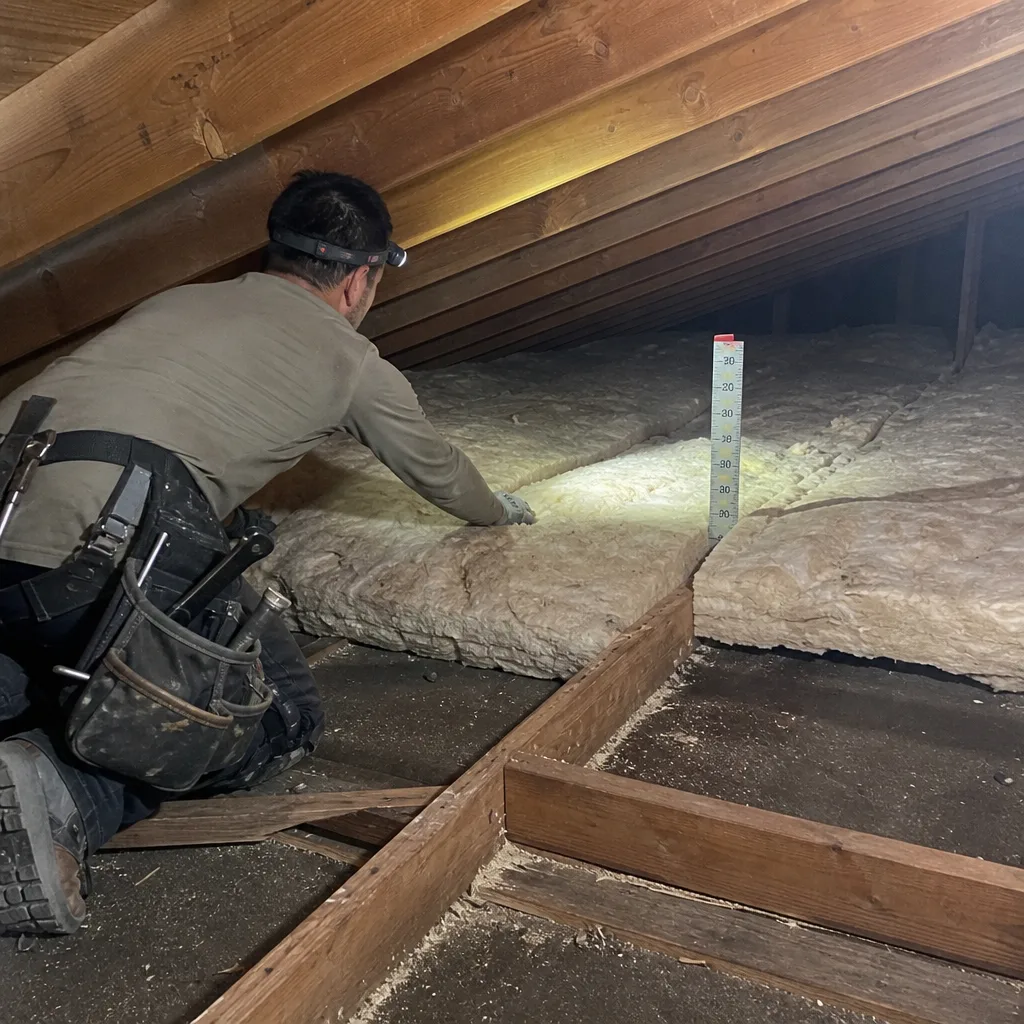
Blown-In Attic Insulation
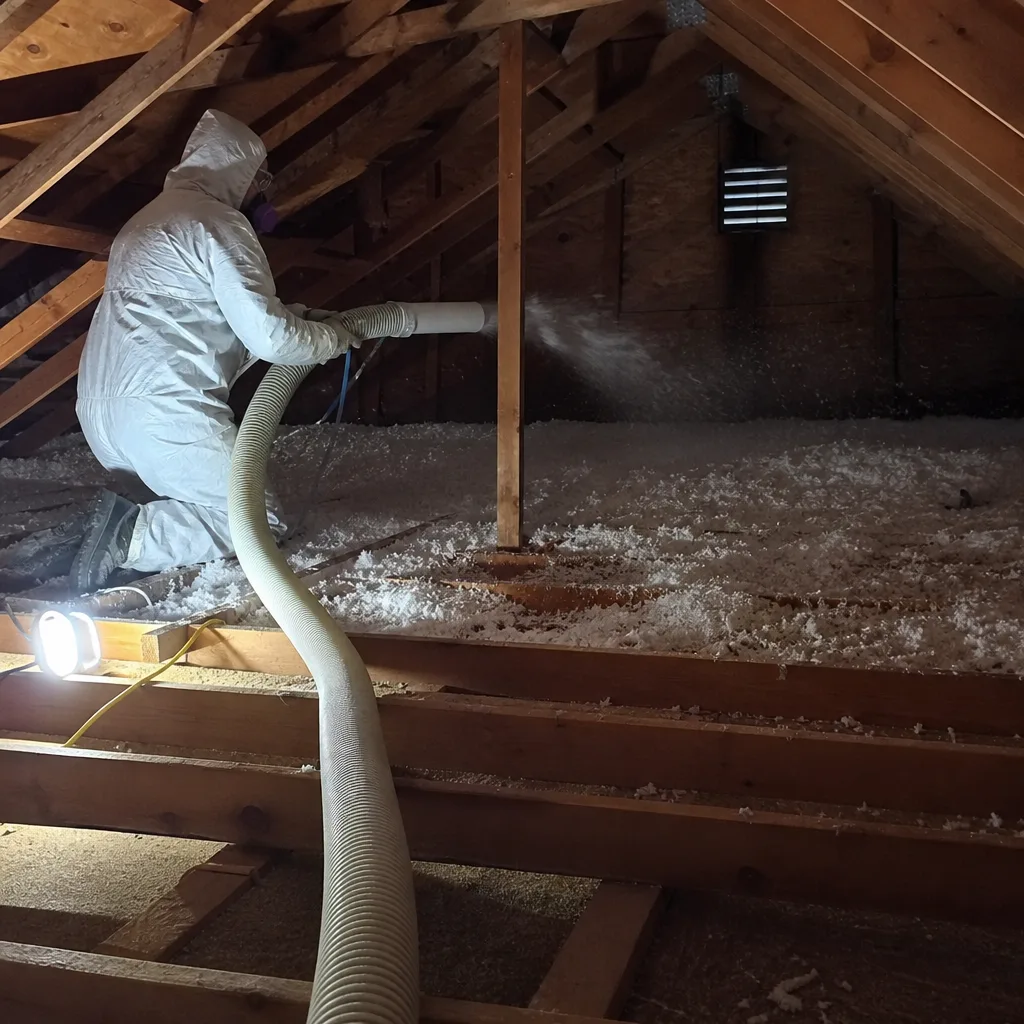
Blown-in fiberglass or cellulose is what most Compton attics need. The original batts in a 1955 bungalow near Compton Boulevard have likely compressed from six inches to less than one, and blowing new material over that mess traps moisture and bridges heat. We remove the dead batts first, seal top plates and can lights, then blow Owens Corning or Johns Manville fiberglass to R-38 - the Title 24 minimum that virtually every pre-1970 Compton home currently fails. Our Attic Insulation team documents the depth with photos you receive in your job record.
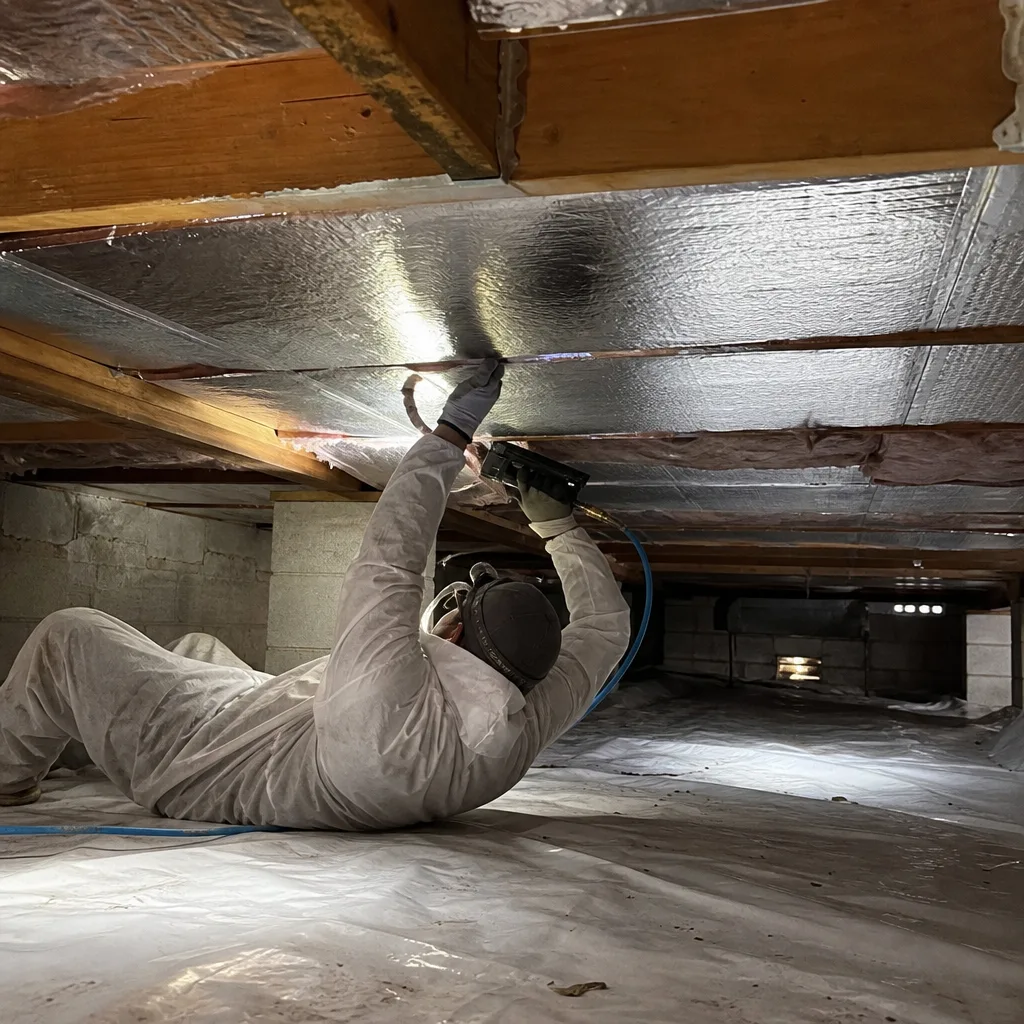
Attic Batt Insulation
New construction-grade batts make sense for Compton homes with fully open attic floors and no prior insulation, or for homeowners who prefer the material. We source Knauf or Rockwool batts cut to fit the irregular joist bays common in 1940s-1960s framing, which wasn’t always on 16-inch centers. Every batt is friction-fit, not jammed, with no compression at the edges that would drop the effective R-value. We see this most often in Compton’s newer infill builds or in complete gut renovations where the attic floor is accessible and clean.
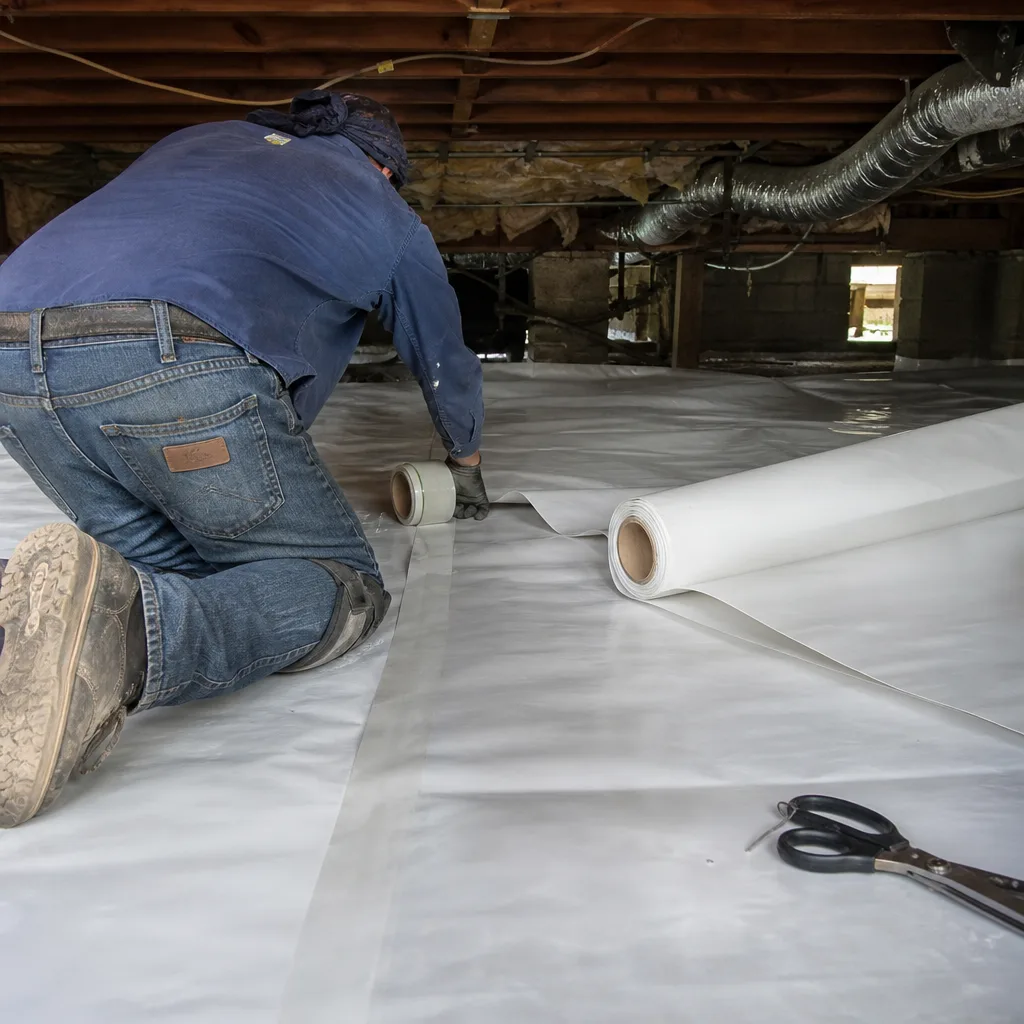
Attic Insulation Top-Up
A top-up sounds simple: add material over what’s there. In Compton, it’s rarely that straightforward. The existing batts in a 1962 home near Willowbrook Park are usually compacted, displaced by prior wiring work, or contaminated by rodent activity. We inspect first. If the existing layer is clean and uncompressed, we’ll add blown-in fiberglass to reach R-38. If it’s compromised, we remove it, seal the attic floor, and start fresh. The difference in material cost is usually $400-$800, but the performance difference is measurable on the blower-door test we run before and after.
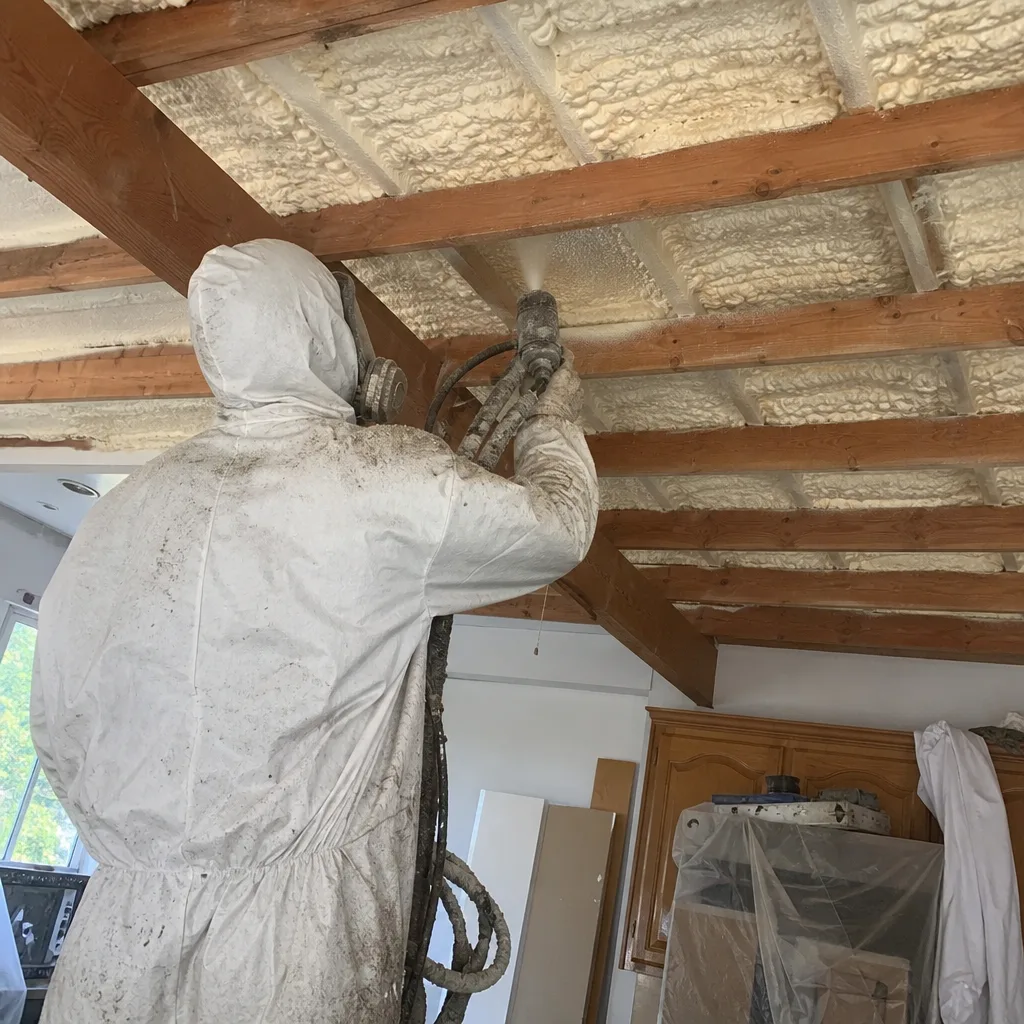
Attic Insulation Replacement
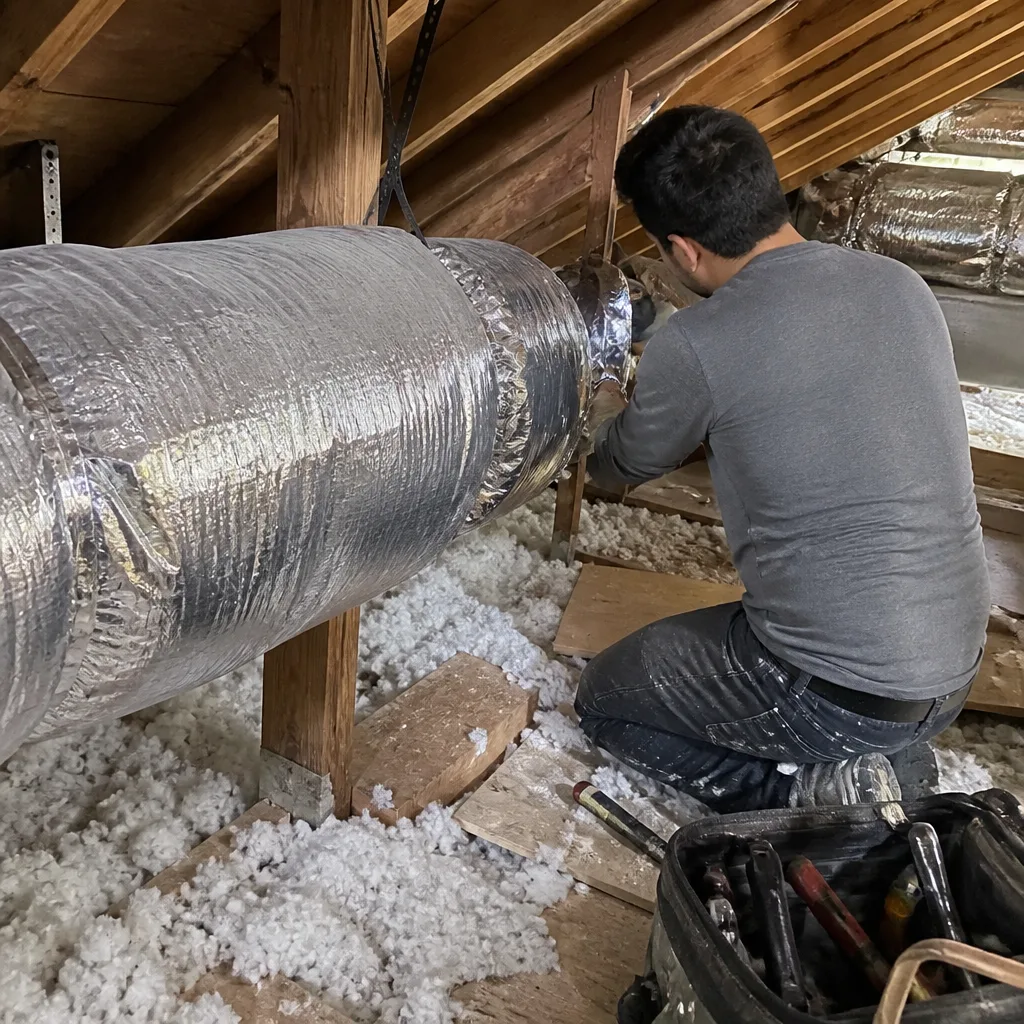
Full replacement is the right call when the original insulation in a Compton bungalow has failed completely. We see this in homes near the 710 Freeway corridor, where decades of dust from freight traffic and industrial activity have loaded the attic with particulate matter, or in properties with prior roof leaks that saturated the batts. Our crew removes the old material, cleans the attic floor, seals every penetration, and installs new insulation to a documented depth. You get before-and-after photos, the blower-door reading, and a written scope under Haven Standard Clause 1.
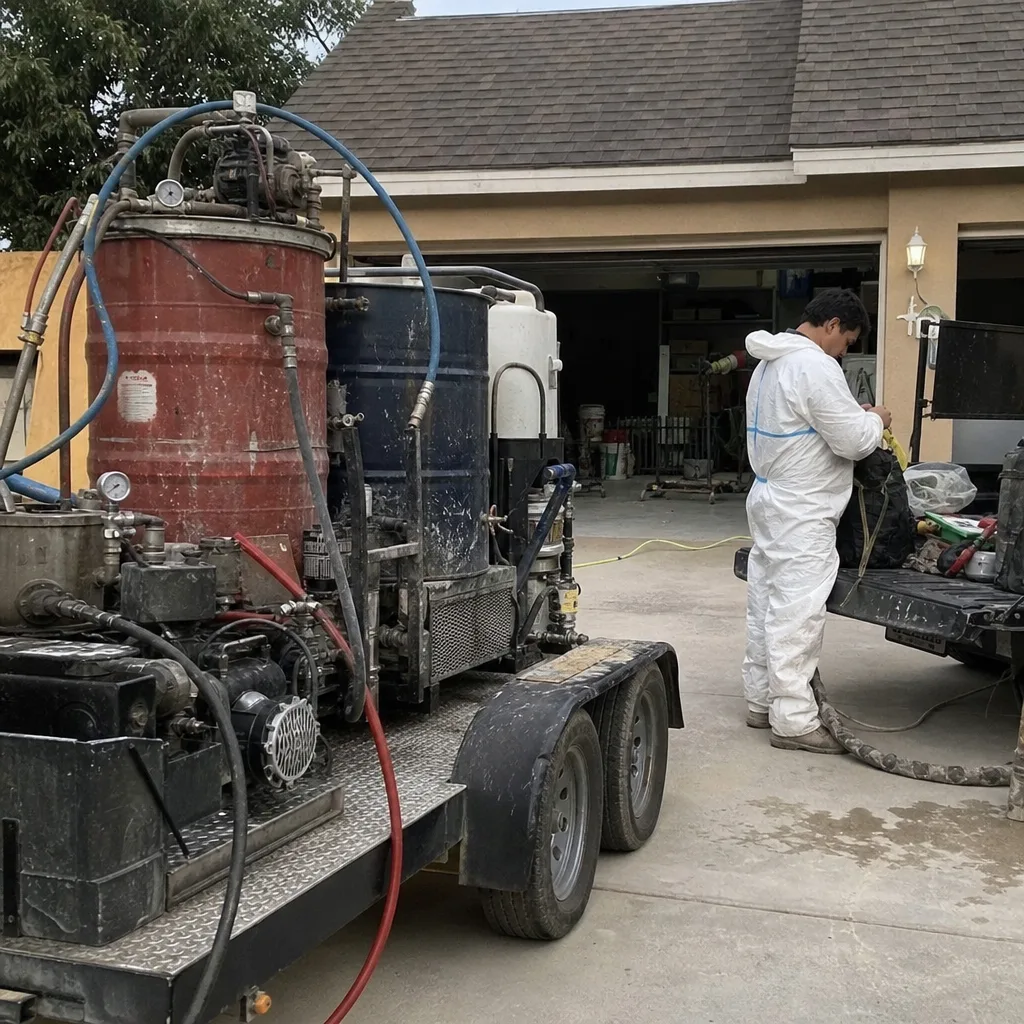
Attic Baffles & Ventilation Prep
Compton’s afternoon heat - intensified by the urban heat island from the Alameda Corridor freight rail and nearby industrial zones - kills attic ventilation if baffles aren’t installed at the eave vents. Without baffles, blown-in insulation blocks the soffit intake, and hot air stagnates against the roof deck. We install CertainTeed or Owens Corning baffles at every rafter bay before insulating, maintaining the airflow path from soffit to ridge vent. This is non-negotiable in Compton’s climate, where roof deck temperatures can exceed 150°F without proper ventilation.
What happens when you call
- 1
A real person answersNo phone trees - you reach a local pro.
- 2
You get an upfront price rangeHonest numbers before anyone is dispatched.
- 3
A background-checked tech heads outLicensed & insured, dispatched right away.
- 4
You approve before work beginsNothing starts until you say go.
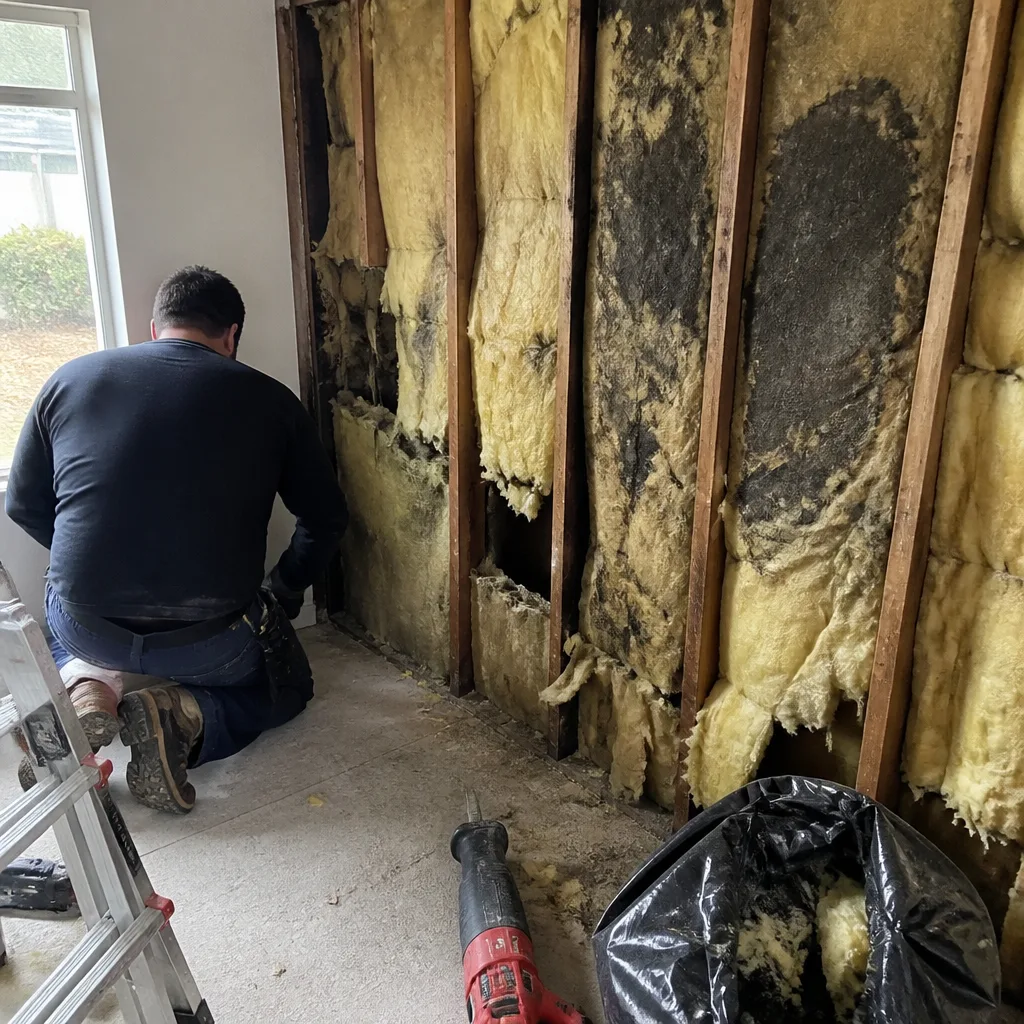 Before
 After
AfterTrusted Brands We Service in Compton
We stock Owens Corning, Johns Manville, Knauf, and Rockwool materials on our Los Angeles-area trucks, which means no multi-day wait for Compton jobs if we find unexpected scope during inspection. We don’t push proprietary products - the Haven Standard requires us to specify the right material for the assembly, not the brand that pays the highest rebate. For Compton’s older bungalows with irregular framing, we often default to blown-in fiberglass for its ability to fill voids; for new construction or complete replacements, Rockwool batts provide the density and fire resistance that some homeowners prefer.
Common Attic Insulation Problems We See in Compton Homes
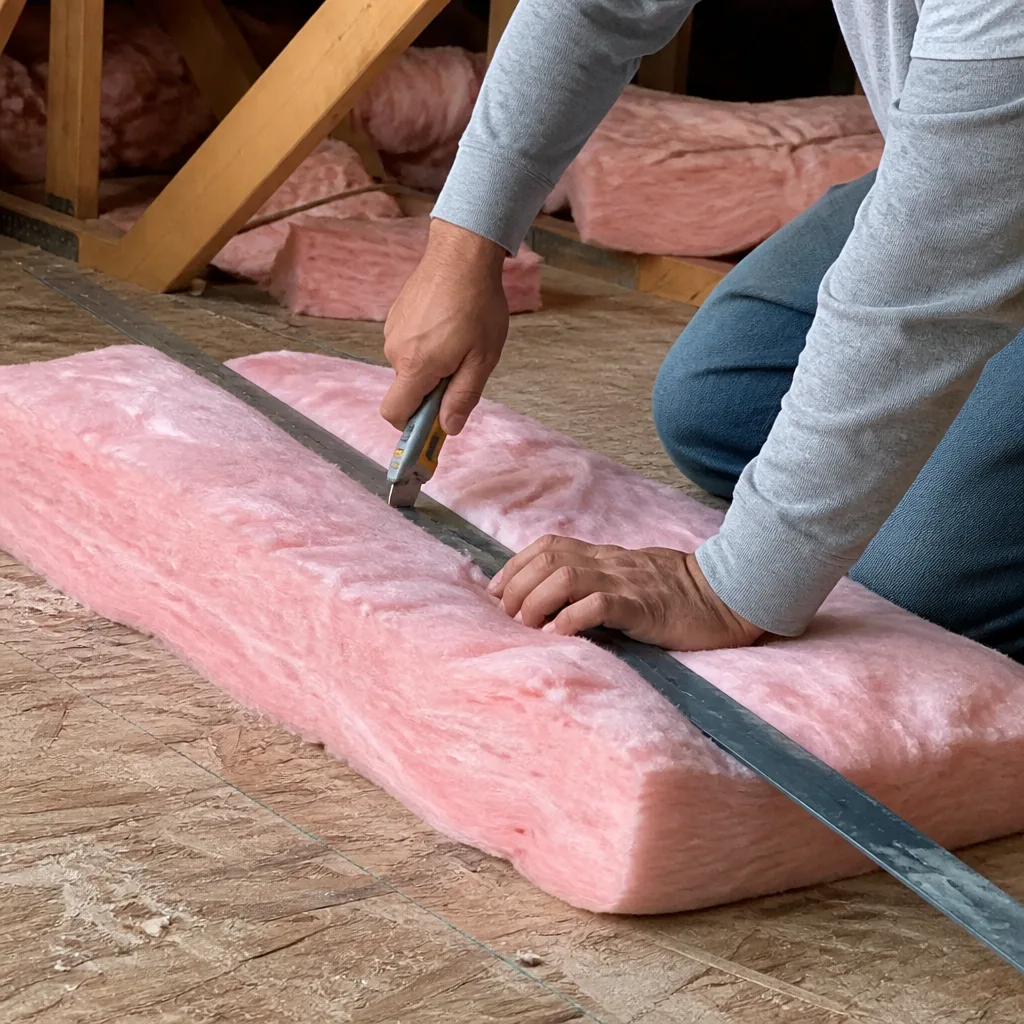
- Compacted original batts with near-zero R-value. The fiberglass installed in 1945-1960 Compton bungalows has settled to less than an inch thick in most attics we’ve inspected, including a 1952 stucco bungalow near Willowbrook Avenue and Alondra Boulevard where the homeowner’s summer cooling bills had climbed past $300 a month. When our tech pulled the attic hatch, the original batts offered almost no resistance to the heat pouring through the ceiling.
- Unpermitted additions sharing an open attic plane with zero insulation. A previous owner tacked a rear room onto a 1955 Compton home, and the new ceiling sits directly under the roof sheathing with nothing between. The main house might have degraded batts; the addition has nothing. We insulate both thermal envelopes, which changes the scope and the price, but it’s the only way to stop the heat gain.
- Garage-to-living-space conversions built with no wall or ceiling insulation. Compton has a high rate of unpermitted garage conversions, and the contractors who did the work rarely insulated the ceiling or the walls that now face living space. The attic above that converted garage is often open to the main attic, and the insulation job must address both zones or the homeowner keeps paying to cool a space that wasn’t built to be cooled.
- Radiant barrier installed without baffles, trapping heat and moisture. We’ve found DIY radiant barrier foil stapled to roof rafters in Compton attics with no eave vent baffles, creating a convection oven that pushes afternoon temperatures higher than if nothing had been installed. Proper baffle installation and soffit ventilation must precede any radiant barrier work.
Pricing for Attic Insulation in Compton, CA
A typical blown-in attic insulation job in a 1,000-square-foot Compton bungalow runs $1,200-$2,400, including removal of compacted old batts, air sealing of top plates and penetrations, and blowing new Owens Corning or Johns Manville fiberglass to R-38. Attic insulation replacement in the same footprint, where we remove contaminated or water-damaged material and start clean, runs $1,800-$3,200. Top-up jobs where the existing layer is salvageable start around $900. Full jobs with spray foam at the roofline, for homeowners finishing the attic as living space, run $3,000-$5,500.
Here’s what moves the number: attic square footage, whether the old material needs removal, the condition of the attic floor for air sealing access, and whether unpermitted additions or conversions require additional insulation zones. Every Compton job begins with a written price before any work starts - Haven Standard Clause 1 - and we provide a Free Second Opinion on any competing written estimate you bring us. Call (628) 226-1097 for your written quote; estimates are free.
We Also Serve Cities Near Compton
Our crews work Attic Insulation in Compton daily, and we regularly dispatch to Gardena, Lynwood, Torrance, and South Gate for jobs that require the same local knowledge of post-WWII housing stock and Title 24 compliance. The incentive structures differ by city - Compton’s DAC status under CalEnviroScreen is specific to Compton - but our inspection and quoting process is consistent across the service area.
Serving Compton, CA - Our Local Coverage Area
We’re based in the Compton area and know this community well. Use the map below to see our service coverage - if you’re nearby, we can almost certainly help.
FAQs - Attic Insulation in Compton
Compton is officially designated a Disadvantaged Community under California’s CalEnviroScreen framework, which unlocks free or deeply subsidized insulation upgrades through state Weatherization Assistance Programs and utility-funded TECH Clean California incentives that neighboring, wealthier cities don’t access at the same scale. Because most 1945-1970 post-WWII bungalows here have insulation well below Title 24’s R-38 requirement, nearly every older Compton attic qualifies for a fully subsidized high-R upgrade. We navigate the grant paperwork as part of our standard process - call (628) 226-1097 and we’ll check your eligibility during the free estimate.
Yes, and it’s more common than you’d expect. Unpermitted rear additions in Compton routinely share an open attic plane with the main house but have zero insulation between the new ceiling and the roofline - a code and comfort problem most homeowners don’t know exists until the insulation contractor shows them. We insulate both the original attic and the addition’s ceiling as separate thermal envelopes, which adds material and labor but stops the heat gain that was driving your cooling bills. Your written quote will break out both zones before any work starts.
Compton sits far enough inland that the Pacific marine layer burns off by mid-morning, and the surrounding industrial corridor - the Alameda Corridor freight rail, the 710 Freeway, and nearby refineries in Carson and Wilmington - creates a measurable urban heat island that pushes summer afternoon temps well above coastal cities like Long Beach. A 1,000-square-foot Compton bungalow with compacted attic batts can see ceiling surface temperatures above 120°F, forcing the AC to run continuously. Proper R-38 insulation and air sealing drop that surface temperature by 30-40 degrees, which is why our Willowbrook Avenue customer’s next bill dropped by nearly half after we blew in Owens Corning fiberglass to R-38 and added baffles at the eave vents.
Yes, and we do this regularly in Compton where unpermitted garage conversions are common. The ceiling of that converted space is often open to the main attic, and the walls that now face living space were never insulated for thermal performance. We treat it as a separate insulation zone: seal the attic floor above the conversion, insulate the new ceiling to R-38, and address any exposed walls with batt or dense-pack insulation. The job requires a written scope that covers both the original house and the conversion, which we provide before anyone lifts a tool.
We inspect for three things: compression depth, contamination, and displacement. If the original batts in your Compton bungalow have settled to less than an inch, are stained from prior roof leaks, or have been torn apart by rodent activity, replacement is the only option that delivers measurable performance. If they’re merely thin but clean and in place, a top-up with blown-in fiberglass to reach R-38 can work. We make this determination during the free inspection and tell you exactly which path we’re recommending before you see the written price. Call (628) 226-1097 to schedule; estimates are free and there’s no obligation.
Written by Wes Okafor, Owner at Topside Attic Insulation Los Angeles, serving Compton since 2016 under The Haven Standard.