
Last updated September 22, 2026
How to Hire a Insulation Contractor in Los Angeles: A Step-by-Step Guide
Of the roughly 400 insulation contractors licensed in Los Angeles County, fewer than a dozen list a blower door as owned equipment in their CSLB filings. The rest subcontract the test if they offer it at all, which means the person diagnosing your house is not the person doing the work. This guide gives you a structured vetting script, not a generic checklist, so you can tell a performance-oriented contractor from a material-installation company before anyone sets foot in your attic.
Quick Answer
Hiring an insulation contractor in Los Angeles starts with verifying a C-2 license on the CSLB website, then screening candidates with five specific questions about air-sealing methodology and blower-door ownership. For background on Insulation Permits, Codes & Inspections in CA: What You Need to Know, see our companion guide. Request a written scope that includes pre-job ACH50 readings, installed R-values by brand, and linear feet of air-sealing locations before paying more than 10% or $1,000 down. Never accept a phone estimate from someone who has not entered your attic.
Table of Contents
- How to Verify a Contractor’s License and Insurance in Under Three Minutes
- The Five-Question Phone Screen That Exposes Material-Only Contractors
- What a Legitimate Written Scope of Work Contains
- Three Bid-Comparison Traps Unique to the Los Angeles Market
- The Payment Schedule That Protects You Under California Law
- How Los Angeles Climate and Code Affect Your Insulation Decision
- Neighborhood-Specific Considerations Across LA County
- Common Mistakes to Avoid
- When to Call a Professional
- Frequently Asked Questions
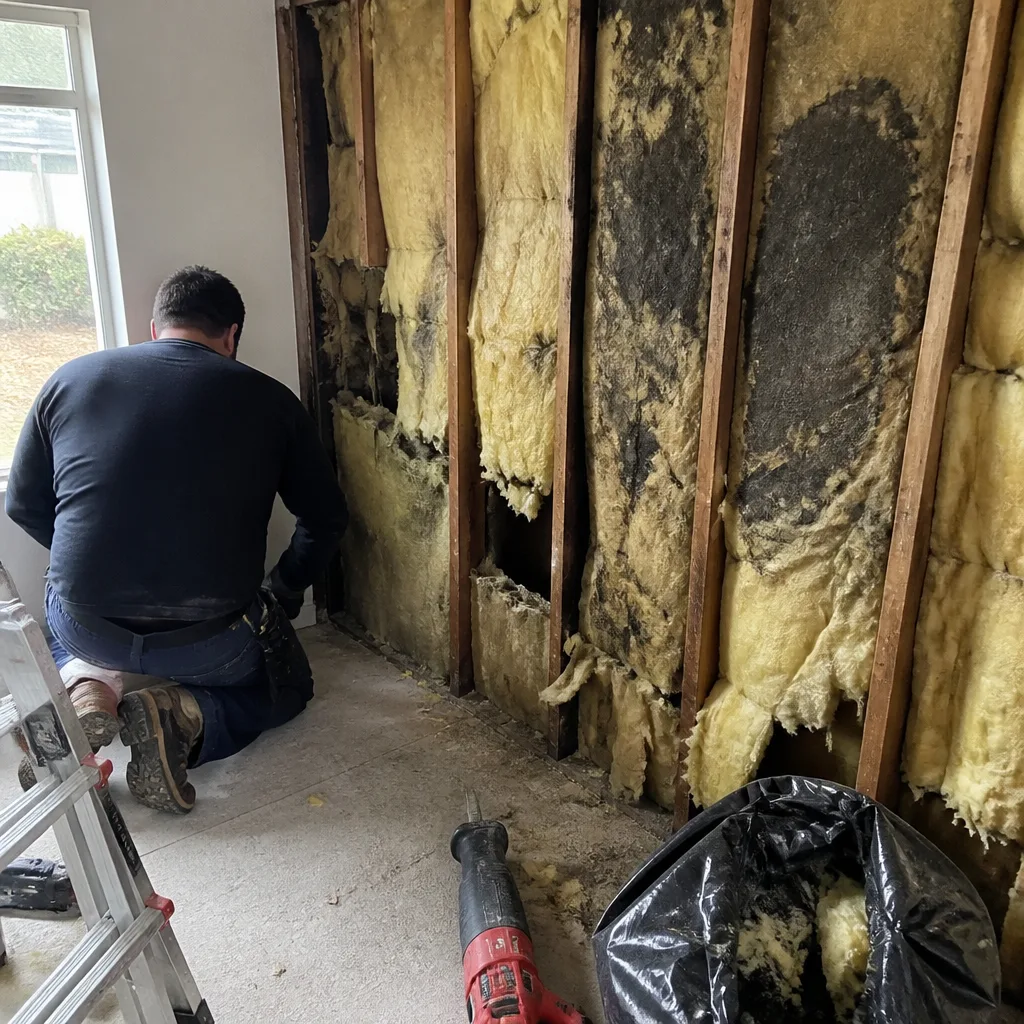 Before
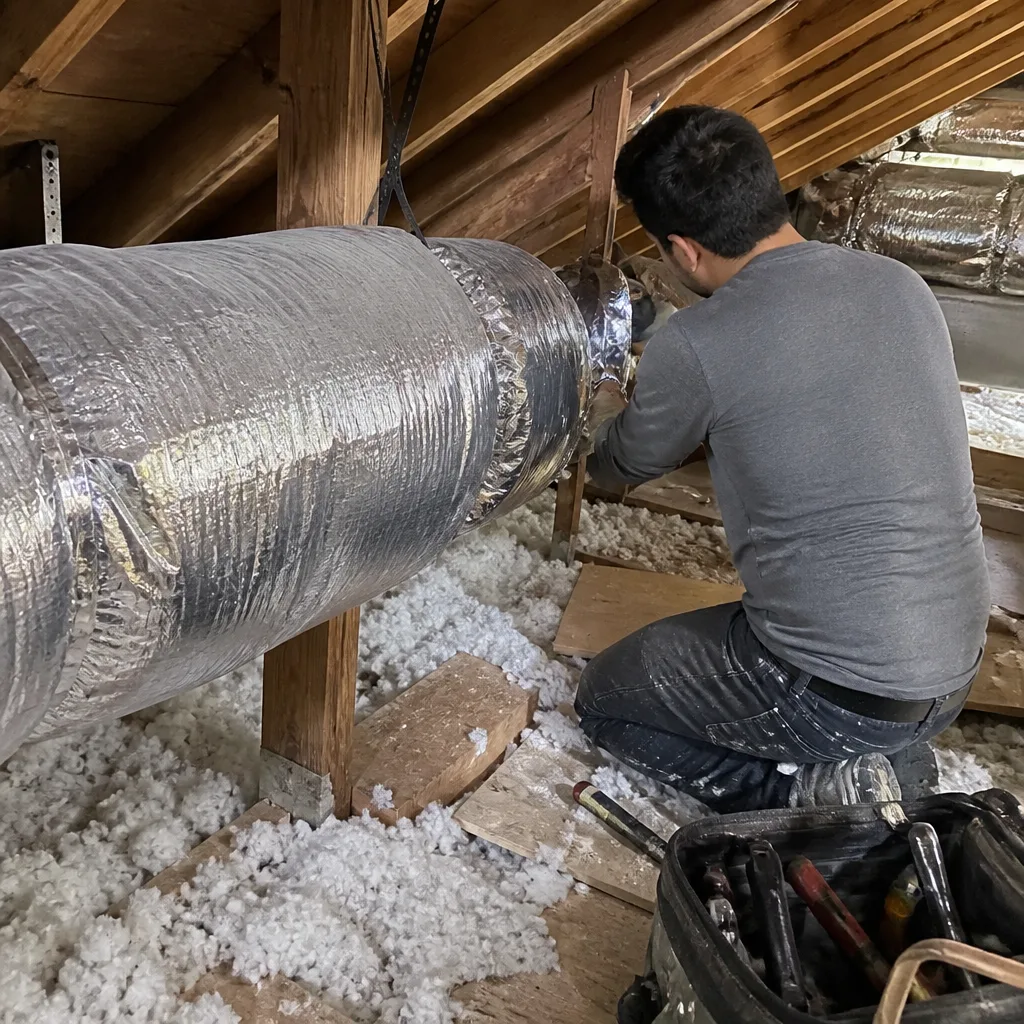 After
AfterHow to Verify a Contractor’s License and Insurance in Under Three Minutes
California requires any insulation contractor doing work over $500 to hold a C-2 license, the CSLB classification for Insulation and Acoustical. Not a B-General, not a C-36 Plumbing, not a handyman exemption. C-2 specifically. Here’s how to confirm it yourself.
Step 1: Go to cslb.ca.gov/OnlineServices/CheckLicenseII/ and enter the contractor’s license number or business name. The lookup is free and requires no account.
Step 2: Confirm the classification line reads “C-2 – Insulation and Acoustical.” If it reads anything else, the contractor is not legally permitted to perform insulation as a standalone trade in Los Angeles.
Step 3: Check three status fields: License Status (should read “Active”), Bond Status (should show a current surety bond, typically $25,000), and Workers’ Compensation Insurance (required if the contractor employs anyone, including part-time helpers). If the WC field reads “Exempt” and the contractor shows up with a crew, that’s a red flag.
Step 4: Scroll to the “Complaint Disclosure” section. A pattern of complaints around contract disputes or incomplete work matters more than the total count. One complaint resolved quickly is different from three complaints all citing the same issue.
In our experience across Los Angeles, the contractors who resist providing a license number upfront are often the same ones who quote by phone and ask for large deposits. The verification takes under three minutes. Do it before you invite anyone into your home.
The Five-Question Phone Screen That Exposes Material-Only Contractors
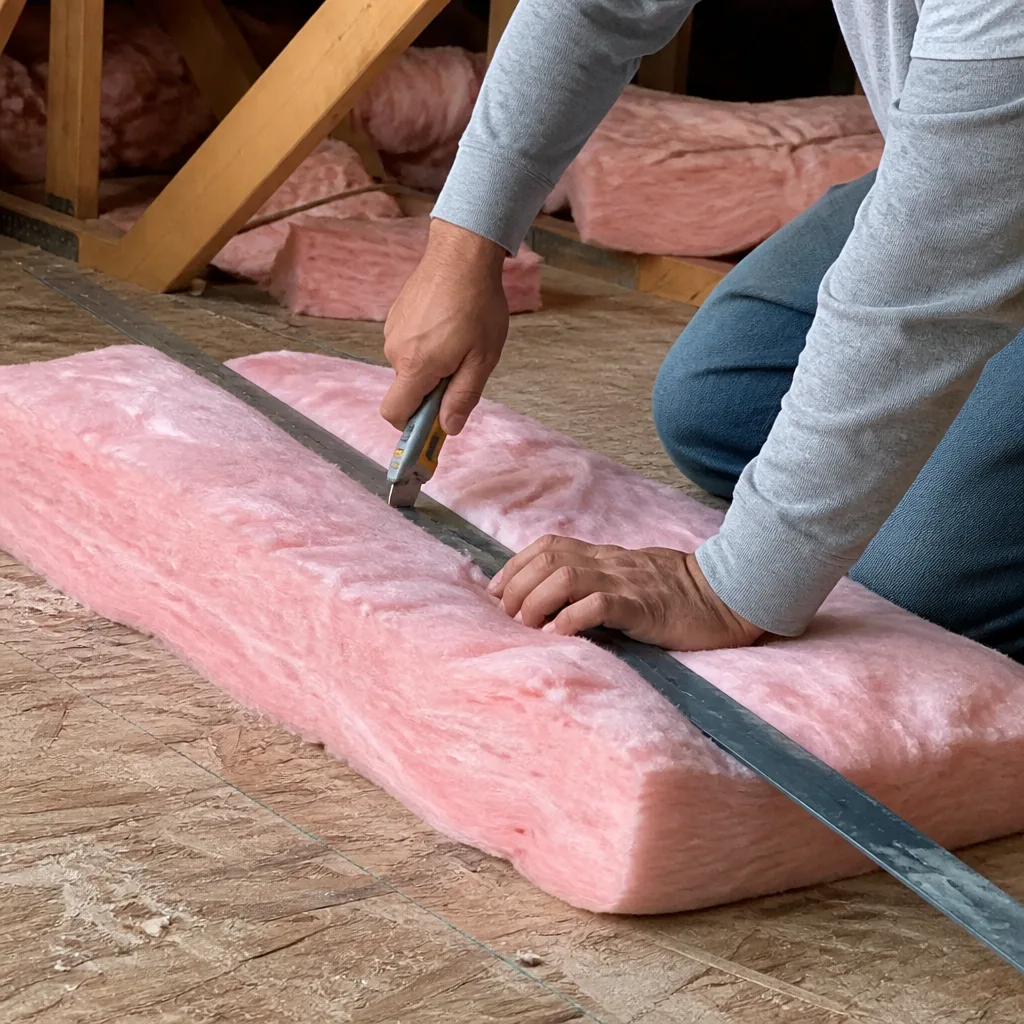
Most homeowners ask about price, timeline, and material type. These questions get you brochure answers. The five questions below reveal whether a contractor treats your building envelope as a system or as a product installation.
- “What blower-door equipment do you own, and is it included in every job?”
A contractor who owns a blower door and uses it routinely will name the manufacturer (Retrotec, Minneapolis Blower Door) and explain their protocol without hesitation. A contractor who subcontracts testing or treats it as an add-on will hedge. The blower-door test, a pressurization reading that shows in one number how much air your building envelope is losing, is the only way to measure whether air sealing actually worked. If they don’t own one, they’re installing material over an unknown leakage rate.
- “Will the pre-job ACH50 reading appear in my written contract?”
ACH50 stands for Air Changes per Hour at 50 Pascals of pressure, the standard metric for envelope tightness. A performance contractor will commit to documenting this number before work begins and the post-job number after completion. A material-only contractor will change the subject to R-value or square footage.
- “What is your air-sealing sequence? Do you seal before insulating or after?”
The correct answer is before. Always. In Los Angeles, where many homes built between 1945 and 1985 have top plates, can lights, and duct penetrations leaking conditioned air directly into vented attics, blowing insulation over unsealed leaks buries the problem and makes future access difficult. We regularly see this in Mid-Century homes from the San Fernando Valley to the Hollywood Hills: fiberglass settled over gaps that should have been foamed first.
- “What brands do you install, and do you lock me into a proprietary product?”
A contractor with genuine material flexibility will name established manufacturers like Knauf, Rockwool, or CertainTeed and explain why they specify one over another for your application. A contractor pushing a single brand, especially one you’ve never heard of, may be optimizing their margin rather than your performance. We source from multiple manufacturers including Icynene for spray foam applications, with no proprietary lock-in.
- “What documentation do I receive when the crew leaves?”
The answer should include specific deliverables: photos of work areas, a written scope confirming what was installed where, and on applicable jobs, before-and-after blower-door readings. “We’ll email you an invoice” is not sufficient documentation.
A contractor who answers all five with specificity is likely running a performance-oriented practice. One who deflects to “we’ve been doing this for years” or “trust me, we seal everything” is selling installation, not results.
What a Legitimate Written Scope of Work Contains
Under California Business and Professions Code §7159, any home improvement contract over $500 must be in writing. But the legal minimum and a useful scope are different things. Before any money changes hands, your written scope should contain these elements.
Air-sealing locations specified in linear feet. “Seal attic penetrations” is meaningless. “Air seal 42 linear feet of top plate seams, 6 can light housings, 3 plumbing vent stacks, and 1 chimney chase with fire-rated caulk and expanding foam” is a deliverable you can verify. In Los Angeles, where balloon framing and unconditioned attic space are common in pre-1970 construction, the linear footage of accessible top plates often exceeds 100 feet.
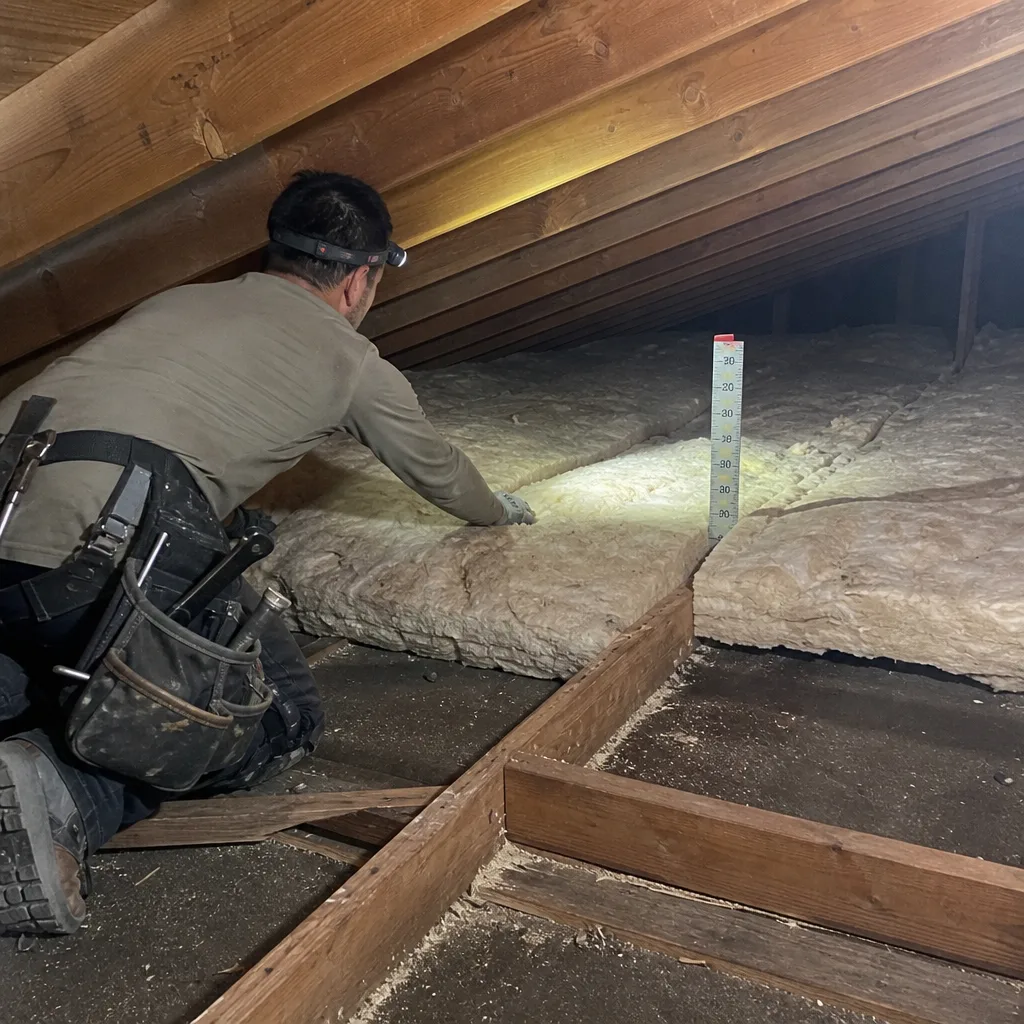
Material brand and installed R-value, not just product name. “Blown fiberglass” tells you the material type. “Knauf EcoFill blown fiberglass, installed to R-38 at 14.5 inches settled depth per manufacturer spec” tells you what you’re buying and lets you verify depth with a ruler during final walkthrough.
Pre-job and post-job measurement commitments. For jobs involving air sealing, the scope should state the pre-job blower-door reading in CFM50 or ACH50, the target post-job reading, and who performs the test. At Topside Attic Insulation Los Angeles home, we publish before-and-after blower-door numbers on every applicable job so homeowners can see the performance change they actually paid for.
Exclusions clearly noted. What happens if the crew finds knob-and-tube wiring, active rodent infestation, or a compromised roof deck? A legitimate scope states what is not included and how change orders are handled.
Payment schedule matching California law. We’ll cover this in detail in the next section.
Under Haven Standard: Have it in writing. Every job begins with a written price and ends with a documented record, no exceptions. Since 2016, we’ve completed over 9,000 homes with this protocol.
Three Bid-Comparison Traps Unique to the Los Angeles Market
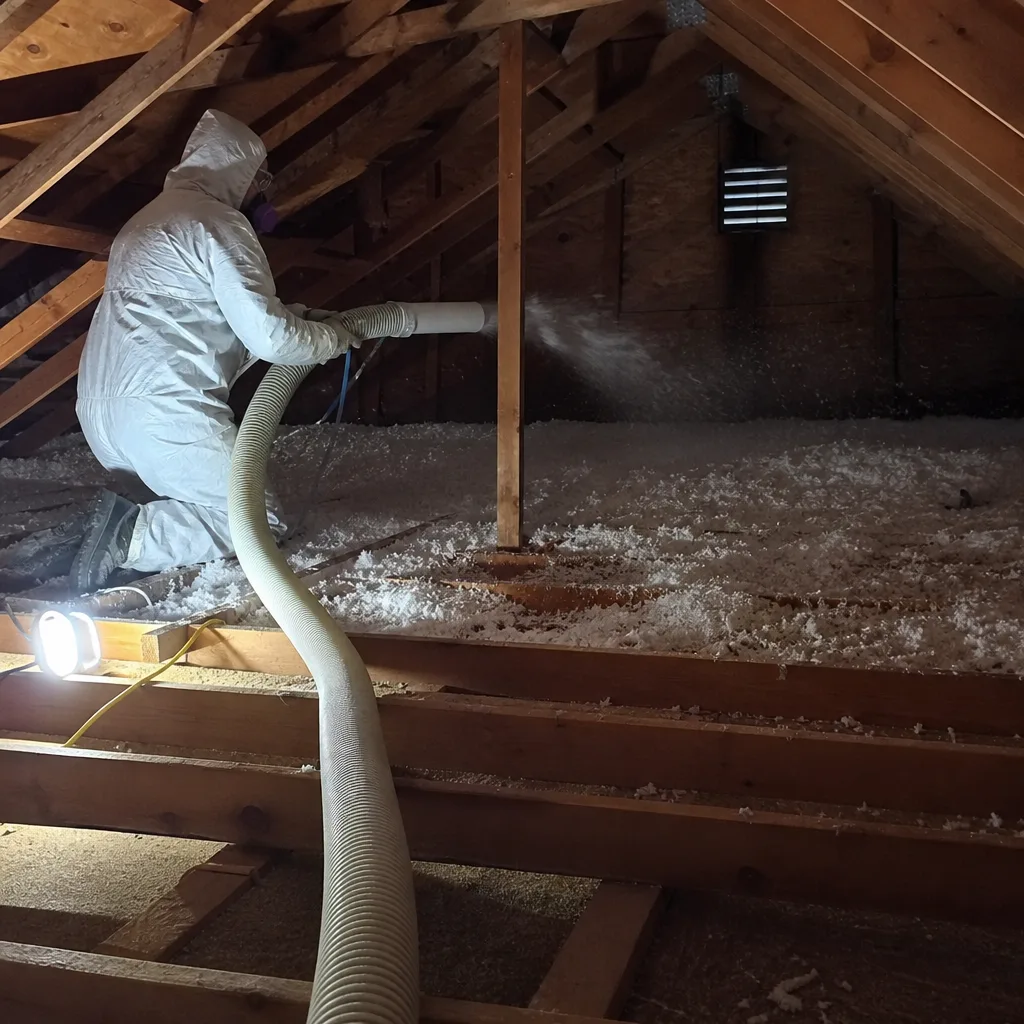
The Los Angeles insulation market has specific failure modes that don’t appear in generic hiring guides. We’ve encountered all three repeatedly across the county. If you’re unsure whether your home shows symptoms, our Insulation Warning Signs: A Los Angeles Homeowner’s Reference Guide covers the key indicators.
Trap 1: Square footage quoted without installed depth. A bid for “1,200 sq ft attic, blown fiberglass” could mean R-19 at 7 inches or R-38 at 14.5 inches. The material cost difference is substantial; the performance difference is transformative in a Los Angeles summer when attic temperatures exceed 140°F. Always demand installed depth and settled depth, which accounts for natural compaction over 30 days.
Trap 2: “Air sealing” as a bundled line item with no measurable deliverable. We’ve reviewed competitor proposals listing “Air Sealing – $850” with no specification of locations, materials, or verification method. This is not air sealing; it’s a line item that sounds technical. A legitimate scope lists linear feet, penetration counts, and the test protocol that proves it worked.
Trap 3: Phone estimates from contractors who have not entered the attic. In Los Angeles, attic conditions vary dramatically by neighborhood and era. A 1920s Spanish Colonial in Los Feliz may have original lath-and-plaster ceilings with no access to top plates. A 1960s tract home in Woodland Hills may have radiant barrier remnants from a 1980s energy program that must be removed before new insulation. A 2005 build in Playa Vista may have spray foam in good condition that only needs supplementation. No one can price this accurately from a satellite photo or a phone description.
Our Free Second Opinion on Any Written Estimate exists precisely because we’ve seen too many homeowners in Los Angeles commit to scopes based on incomplete information. Bring us a competing quote; we will read it with you and identify what’s missing.
The Payment Schedule That Protects You Under California Law
California Business and Professions Code §7159 limits down payments on home improvement contracts to the lesser of $1,000 or 10% of the total contract price. This applies to insulation work. Any contractor requesting more upfront is violating state law.
Here’s the payment structure that protects you:
- Deposit: $1,000 or 10%, whichever is less, due upon contract signing. This holds your schedule slot and covers initial material ordering.
- Progress payment (if applicable): For multi-day jobs, a second payment tied to a visible milestone, such as completion of air sealing before insulation installation begins.
- Final payment: Due only after you receive the documented job record: photos, written scope confirmation, and on applicable jobs, before-and-after blower-door readings.
Never release final payment for a promise of future documentation. The Attic Insulation in Los Angeles page outlines our specific documentation protocol for attic jobs.
Be wary of contractors who offer “cash discounts” for bypassing the written contract. This voids your legal protections and often indicates unreported income that leaves you without recourse if the work fails.
How Los Angeles Climate and Code Affect Your Insulation Decision
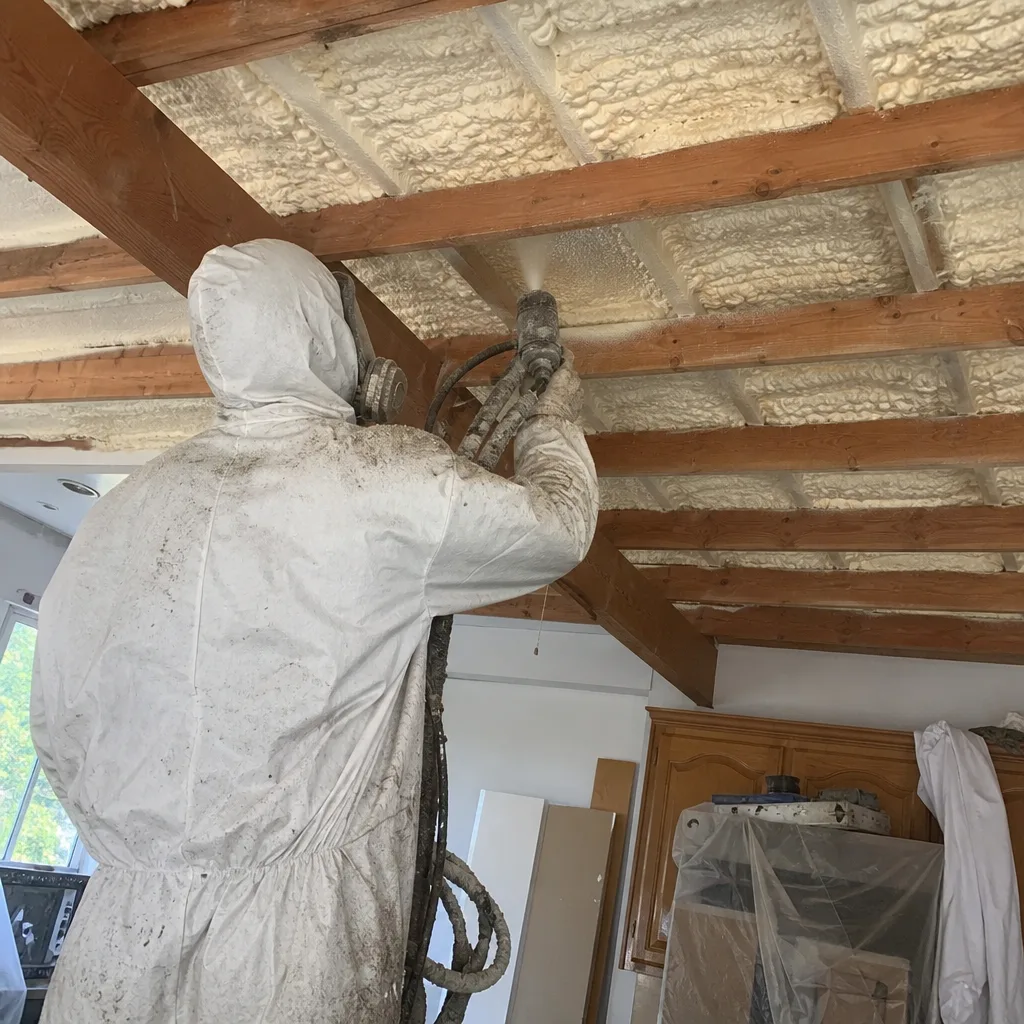
Los Angeles occupies Climate Zone 3B, a hot-dry classification with mild winters and significant cooling loads. The California Energy Code, Title 24, sets minimum prescriptive R-values, but performance-minded homeowners should understand how local conditions push beyond code minimums.
Attic insulation in Los Angeles faces extreme temperature swings. A vented attic in August can reach 140°F while the conditioned space below targets 75°F. That 65-degree delta drives enormous heat gain through the ceiling plane. R-38 is code minimum for attics in new construction; retrofit applications often benefit from R-49, particularly in inland neighborhoods like Encino, Granada Hills, or Pasadena where cooling degree days exceed coastal zones by 40%.
Radiant barrier relevance varies by roof type. In Los Angeles, homes with dark asphalt shingle roofs and minimal attic ventilation see the greatest benefit from radiant barrier installation, which reflects radiant heat rather than resisting conductive flow. Homes with concrete tile or cool-roof shingles, increasingly common in post-2010 construction, may see diminished returns. We assess this during our initial evaluation rather than defaulting to upsell.
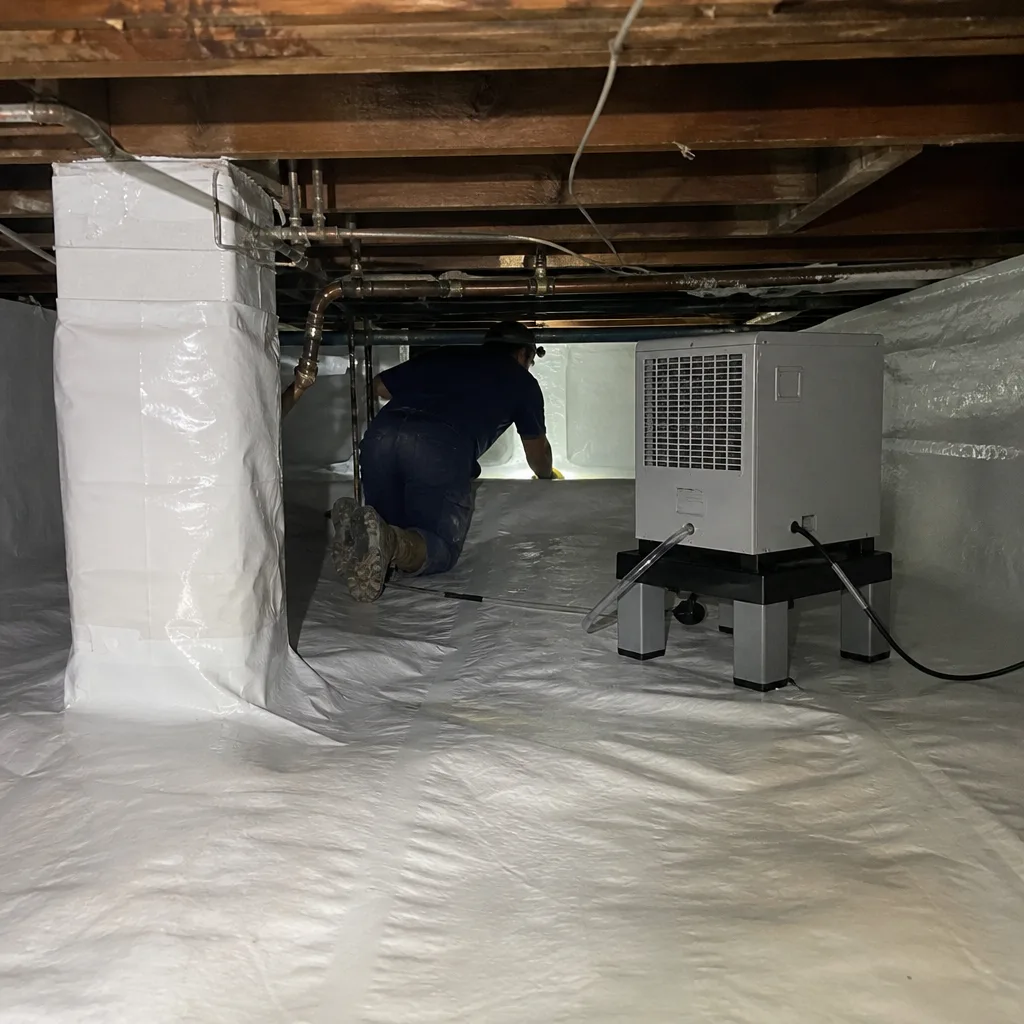
Crawl space moisture patterns differ from national norms. Los Angeles receives minimal rainfall, but coastal fog and marine layer penetration create localized moisture issues in crawl spaces from Santa Monica to San Pedro. Crawl Space Encapsulation & Vapor Barrier in Los Angeles addresses this specifically; a national guide recommending universal crawl space venting would mislead local homeowners.
Title 24 alterations trigger compliance documentation. Any insulation replacement in an existing Los Angeles home that involves more than 50% of a continuous building envelope component requires HERS verification, a third-party inspection confirming installed R-value and air sealing quality. A contractor unfamiliar with HERS rater coordination is not current on California code.
Neighborhood-Specific Considerations Across LA County
Los Angeles is not a single housing stock. The questions you ask and the conditions you encounter vary significantly by area.
San Fernando Valley (Woodland Hills, Encino, Sherman Oaks): Post-war tract homes with original R-19 or less, often with recessed can lights penetrating the ceiling plane. These require extensive top-plate and penetration sealing before insulation upgrade. Summer attic temperatures here are among the highest in the county.
Hollywood Hills / Los Feliz / Silver Lake: Pre-1940 construction with irregular framing, balloon construction, and limited attic access. Air sealing is technically demanding; material-only contractors often skip inaccessible areas rather than create proper access points.
South Bay (Torrance, Redondo Beach, San Pedro): Marine layer influence creates condensation risk in crawl spaces and attics with inadequate ventilation. Vapor barrier assessment is critical alongside insulation.
Mid-City / Koreatown / West Adams: Mixed-era housing with multiple additions, often with different roof pitches and insulation types layered over decades. These jobs require removal and replacement rather than simple overlay; blowing new material over old compressed fiberglass or damaged cellulose traps problems.
Playa Vista / Santa Monica / Venice: Newer construction with existing spray foam or high-density batts. Spray Foam Insulation in Los Angeles details when supplementation makes sense versus full replacement.
Common Mistakes to Avoid
- Accepting R-value as the only metric. A contractor quoting R-38 without addressing air leakage is selling you a blanket for a drafty tent. In Los Angeles, a leaky R-38 attic performs worse than a tight R-30.
- Hiring based on lowest square-foot price. Material depth, air-sealing extent, and documentation quality vary enormously. A low price often means shallow installation, skipped sealing, or no verification.
- Ignoring the pre-existing insulation condition. Wet, compressed, or rodent-contaminated insulation must be removed before new material is installed. A contractor who proposes blowing over old material without inspection is not performing due diligence.
- Neglecting to verify the C-2 classification specifically. We’ve encountered Los Angeles homeowners who hired B-General contractors for insulation work, only to discover the license didn’t cover the trade when disputes arose.
- Paying more than the legal deposit maximum. California’s 10%/$1,000 limit exists because contractors who demand large upfront payments have higher complaint rates. No legitimate reason exists to exceed it for standard insulation work.
- Failing to request the post-job documentation before final payment. Once you’ve paid in full, your leverage disappears. The documented photo record, written scope confirmation, and blower-door readings are your proof of performance.
- Assuming all spray foam is equivalent. Open-cell and closed-cell spray foam have different R-values per inch, vapor permeance characteristics, and applications. A contractor who specifies “spray foam” without type, brand, and thickness is leaving critical decisions unmade.
When to Call a Professional
Call a professional when your energy bills trend upward despite stable usage, when rooms show persistent temperature stratification, when you find insulation disturbed by rodents or moisture, or when you’re considering any attic or crawl space work that involves disturbed material. Browse our more guides & resources for additional homeowner references. In Los Angeles, where Title 24 compliance and HERS verification requirements apply to most significant alterations, professional coordination prevents costly rework.
Topside Attic Insulation Los Angeles offers free estimates in Los Angeles. A live person answers calls 24/7 at (628) 226-1097, and every estimate includes a written price before any work starts. We also provide a Free Second Opinion on any written estimate from another contractor.
Frequently Asked Questions
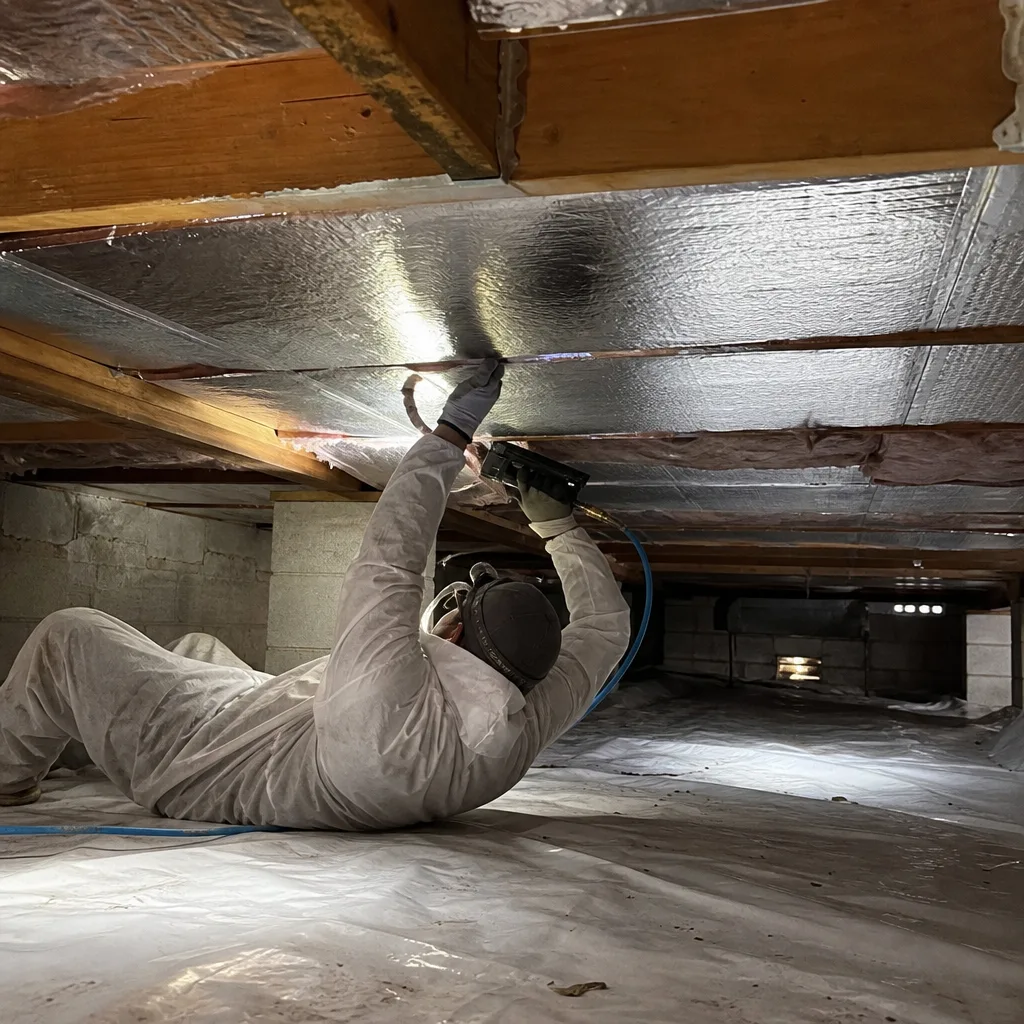
Most attic insulation jobs in Los Angeles run between $2.80 and $5.50 per square foot for blown fiberglass installed to R-38, with air sealing adding $1.50 to $3.00 per linear foot of accessible top plate. For a deeper breakdown of what drives these numbers, see our Insulation Cost Breakdown: The Los Angeles Homeowner’s Reference for 2026. Spray foam applications range higher, typically $4.50 to $8.00 per board foot for open-cell and $6.50 to $12.00 for closed-cell, depending on access difficulty and thickness. Call (628) 226-1097 for an exact quote based on your attic conditions; estimates are free.
A C-2 Insulation and Acoustical license is required for insulation work exceeding $500 in California. Verify this at cslb.ca.gov using the contractor’s license number; B-General or other classifications do not legally permit standalone insulation contracting.
Signs include visible gaps around light fixtures, plumbing vents, or chimney chases; dust streaks on existing insulation indicating air movement; and rooms that are consistently warmer or cooler than others. The definitive answer comes from a blower-door test, which measures total envelope leakage in CFM50 or ACH50.
Repair is rarely cost-effective for compressed, contaminated, or moisture-damaged insulation. In Los Angeles, where rodent activity and old roof leaks are common in pre-1990 homes, removal and replacement with proper air sealing typically delivers better performance and often qualifies for utility rebates that offset the higher initial cost. Call (628) 226-1097 and we will assess whether your existing material is salvageable.
Yes, though scheduling during mild spring and fall weather is preferable for attic work. Summer attic temperatures above 130°F create hazardous working conditions and can affect spray foam curing. We schedule spray foam applications in Los Angeles during moderate temperature windows and use climate-controlled equipment for year-round blower-door testing.
You should receive a written scope confirming what was installed where, photos of work areas, and on jobs involving air sealing, before-and-after blower-door readings showing the measured improvement. Under Haven Standard, every job closes with a Documented Photo Record; on applicable jobs, we provide the blower-door numbers so you can verify the air-sealing result yourself.
The Bottom Line
Hiring an insulation contractor in Los Angeles is not about finding the lowest price or the longest warranty. It’s about verifying that the contractor measures performance before and after the work, documents everything in writing, and treats air sealing as a prerequisite rather than an upsell. Start with the CSLB lookup, run the five-question phone screen, demand a written scope with measurable deliverables, and never pay more than the legal deposit maximum. The contractors who welcome this scrutiny are the ones worth hiring.
Written by Wes Okafor, Owner at Topside Attic Insulation Los Angeles, serving Los Angeles since 2016.