
Johns Manville Attic Air Sealing: The Los Angeles Owner’s Guide
We stock and install Johns Manville-compatible attic air sealing components for Los Angeles homes, with most completed jobs running between $1,800 and $3,400 depending on attic square footage and penetration count. Same-day service is available when the failing component is a standard JM top-plate gasket, can-light cover, or soffit baffle we carry on the truck. Most Los Angeles homeowners discover the problem when their second-story bedrooms won’t cool below 78°F despite new HVAC equipment, or when they find blown fiberglass settled into a pink dust pattern directly below an unsealed recessed-can penetration - the telltale sign that conditioned air is being pumped into the attic through a failed or never-installed Johns Manville seal.
Which Johns Manville Models This Applies To
Johns Manville does not sell attic air sealing as a branded “system” with model numbers the way they sell batts or blown fiberglass. What we encounter in Los Angeles attics are JM-manufactured components installed by original builders or subsequent insulation contractors: polypropylene soffit vent baffles (the corrugated pink or white chutes that keep insulation from blocking intake airflow), fire-rated recessed light covers with integrated gasket seals, top-plate gasket rolls, and acoustic sealant tubes labeled with the JM logo. The critical compatibility gotcha in this market is the baffle width: pre-1985 Los Angeles ranch homes in neighborhoods like Leimert Park and Baldwin Hills often have 16-inch on-center trusses with actual bay widths of 14.5 inches, while JM’s standard baffle ships at 15 inches wide and binds at the edges. We stock both the standard 15-inch and the trimmed 14-inch aftermarket equivalent. For can-light covers, the JM-branded units are stamped ICAT (insulation contact, air-tight) and carry a 150-watt thermal rating; if your fixture is LED retrofitted below 75 watts, a quality aftermarket cover from Tenmat or similar performs identically at roughly 60 percent of the OEM cost. We are an independent service provider with no affiliation to Johns Manville.
Signs Your Johns Manville Attic Air Sealing Is Failing
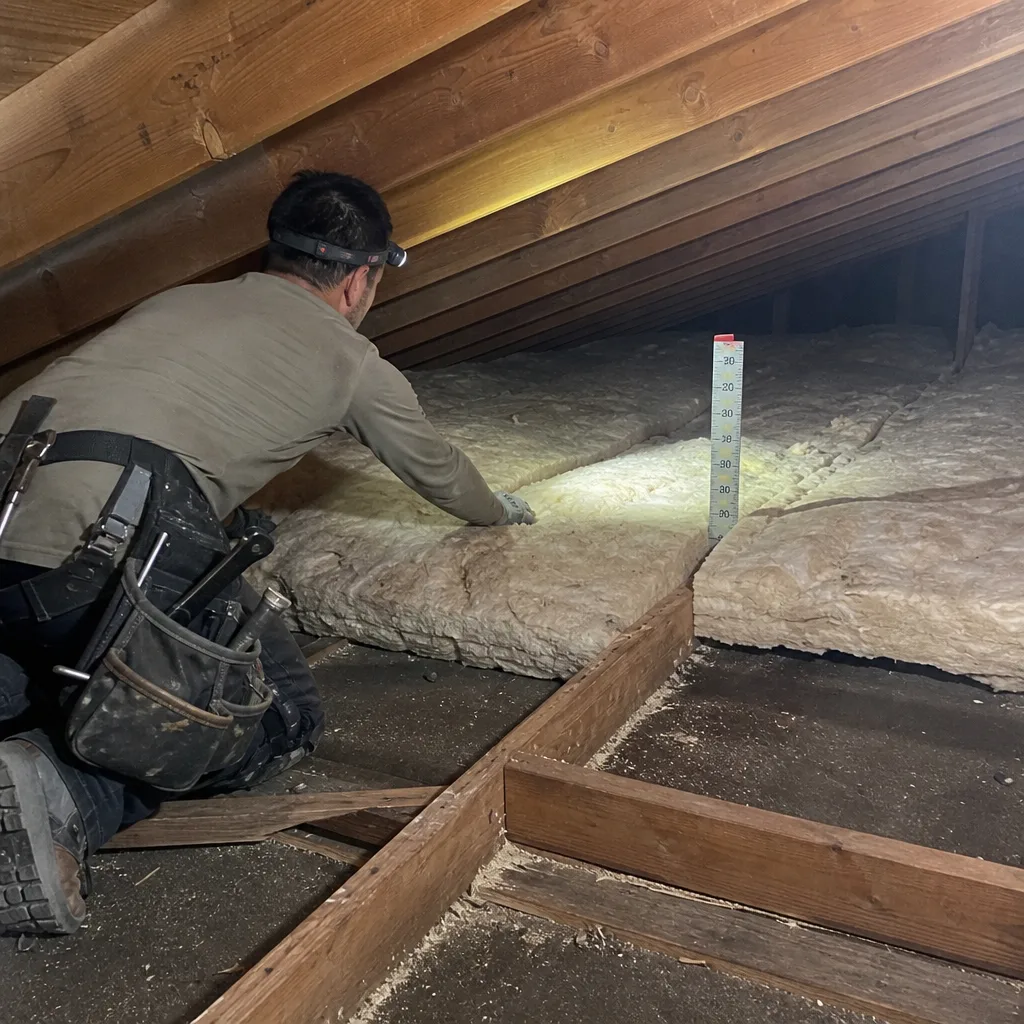
- Dust rings around ceiling penetrations. When you pull back insulation near a can light or top plate and find a clean pink circle surrounded by gray dust, that’s filtered air escaping through a failed gasket. The fiberglass acts as an air filter, and the pattern is diagnostic.
- Ice-cold ductwork in August. Your supply ducts run through a 140°F Los Angeles attic but feel cold to the touch on their exterior. That means conditioned air is leaking from duct seams or plenum connections faster than the insulation can slow it, usually because the surrounding attic floor was never sealed to isolate the chase.
- Insulation depth varies by more than two inches across the attic. Blown fiberglass doesn’t settle evenly unless air currents are moving it. Differential settlement, especially near the attic hatch or under gable vents, indicates active air leakage paths that bypassed the original sealing.
- Musty smell in second-floor rooms during Santa Ana wind events. The hot, dry winds pressurize attic spaces and force air backward through any failed top-plate gasket or electrical penetration seal, carrying attic odors and particulate into conditioned space.
- Energy bill spikes that don’t track with temperature. A Los Angeles home with failed attic air sealing can lose 25 to 40 percent of conditioned air to the attic; if your summer bill jumped $80 to $140 without a rate increase or thermostat change, the envelope is the likely culprit.
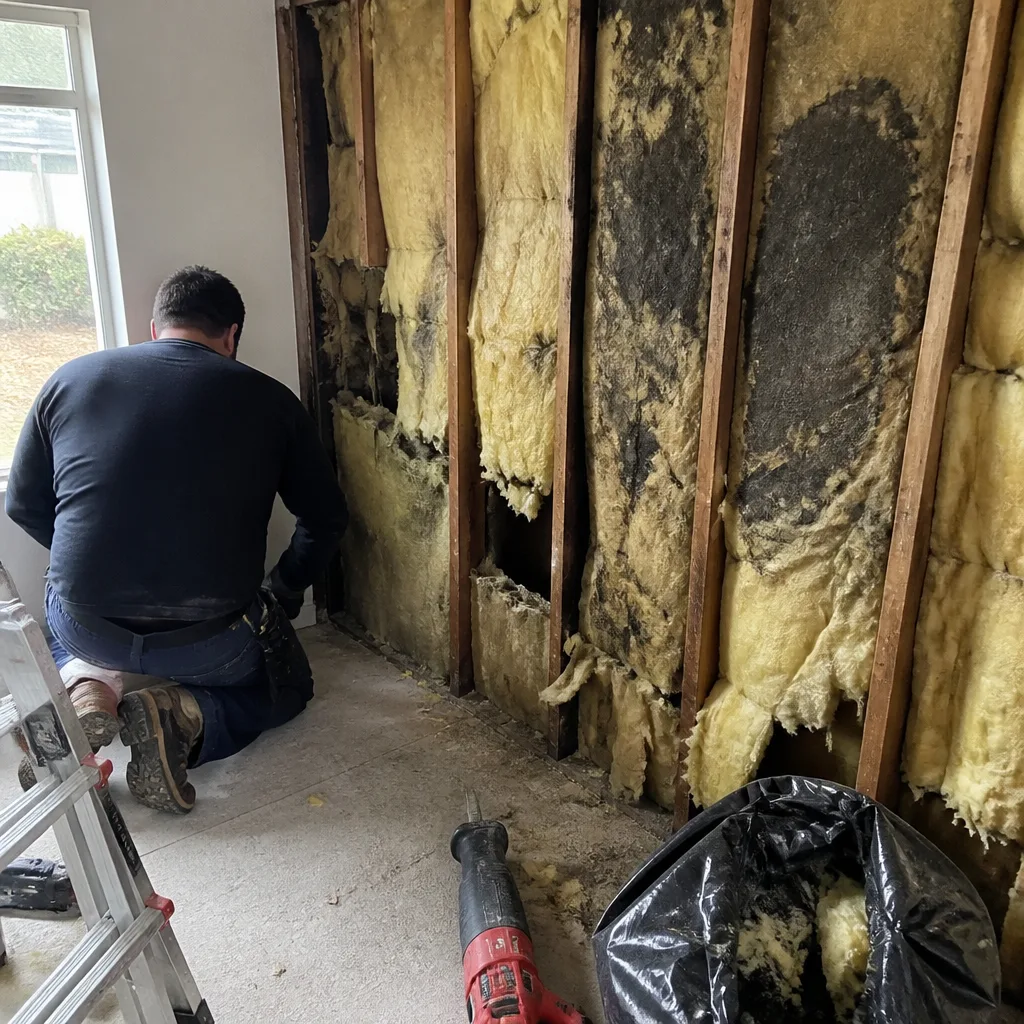 Before
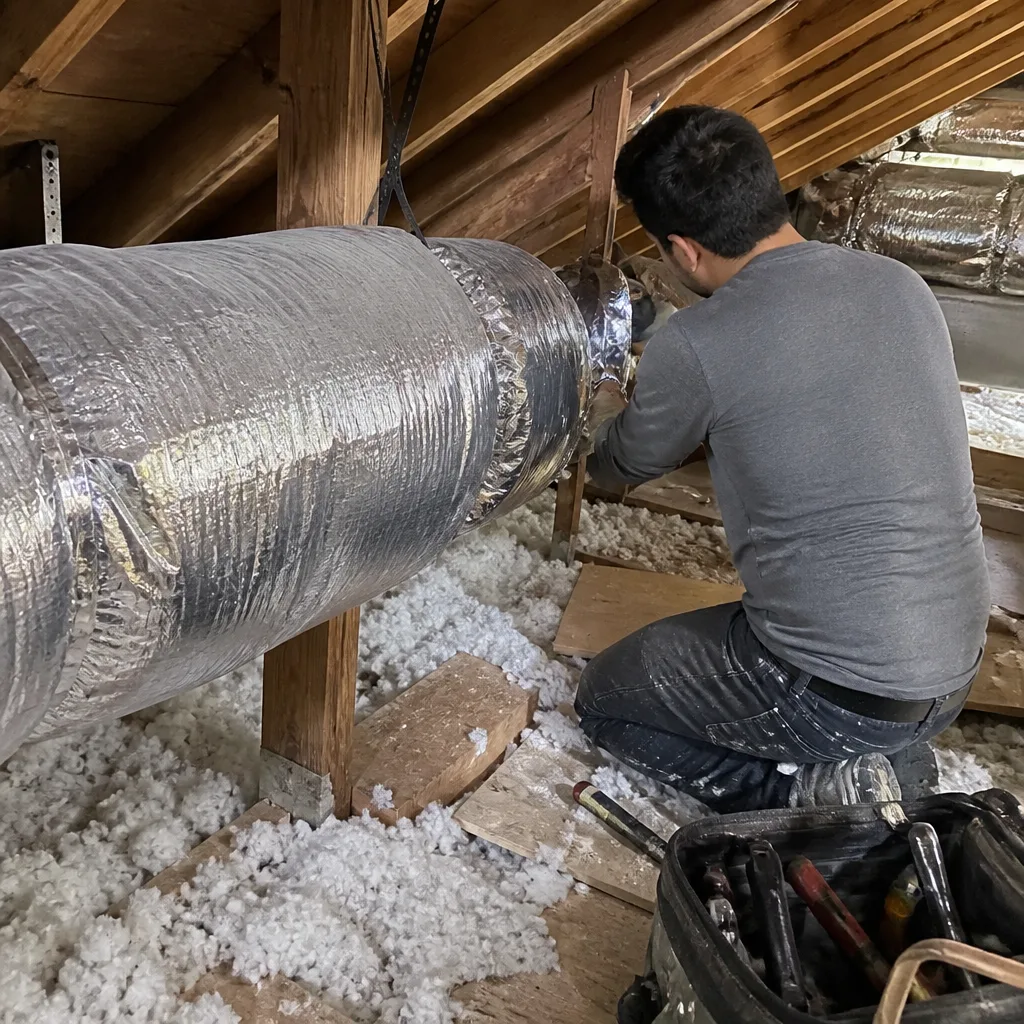 After
AfterReplacement Cost & What’s Included
Most Johns Manville attic air sealing jobs in Los Angeles run $1,800 to $3,400 for attics between 800 and 2,200 square feet. The low end covers a targeted repair: replacing failed can-light gaskets, resealing top plates with acoustic sealant and gasket strip, and verifying soffit baffle continuity. The high end involves full-attic treatment on a larger footprint with multiple HVAC penetrations, chimney chases, and dropped soffit bypasses. What drives the range is penetration count, not just square footage - a 1,200-square-foot attic with fourteen recessed cans and three bath-fan drops takes longer to seal correctly than a 1,800-square-foot attic with four cans and straight top plates. Every job includes a blower-door test before and after, a written scope with flat pricing signed before work starts, and a Documented Photo Record delivered when the crew leaves. We publish the before-and-after CFM50 numbers so you can verify the result. Under our 365-Day Done Right Promise, if any seal fails or any penetration was missed, we return and correct it at no charge.
DIY or Call Us?
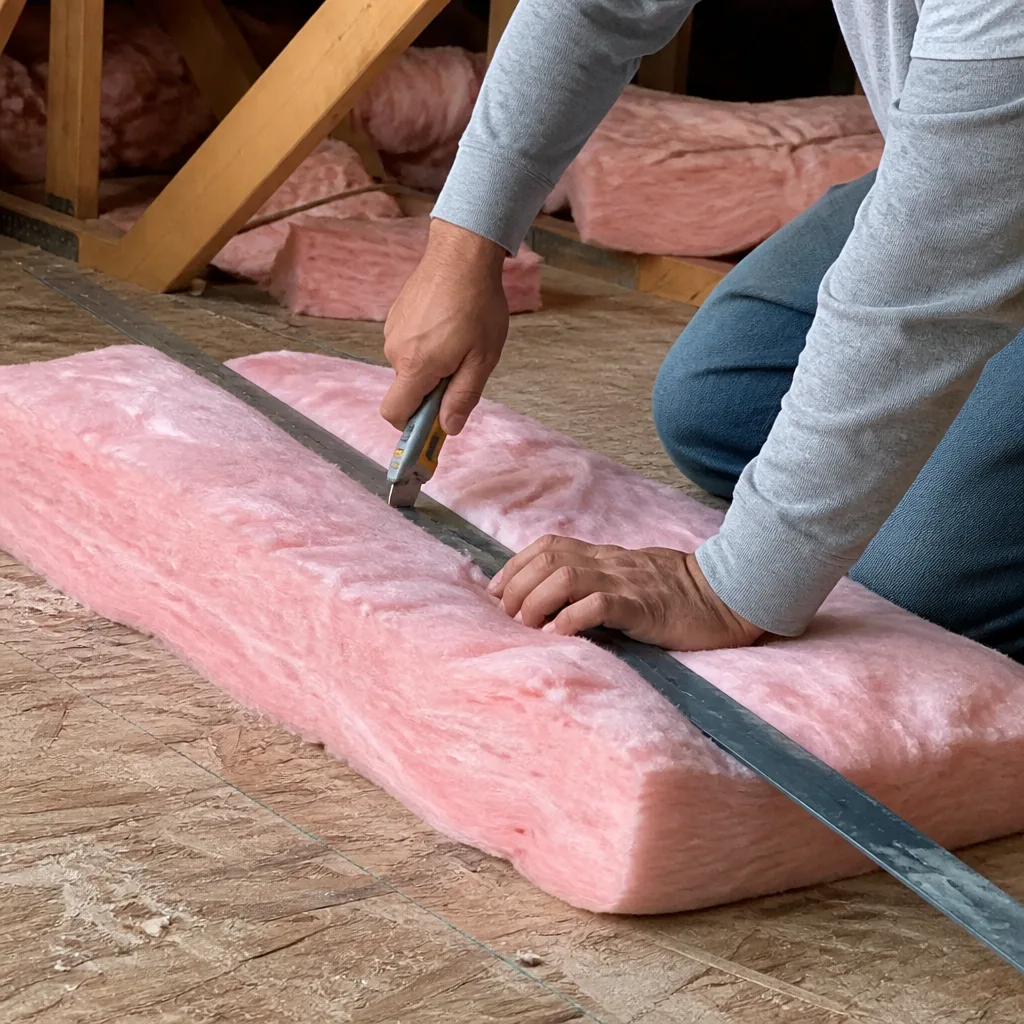
There is nothing inherently dangerous about attic air sealing - no high-tension springs, no live electrical work if breakers are locked out - but there are two places DIY goes wrong in Los Angeles attics. First, the thermal bypass at the top of framed walls: homeowners often stuff fiberglass into the gap and call it sealed, but fiberglass is an air filter, not an air barrier. Second, the soffit chase that connects conditioned space to the attic: without proper baffling, blown insulation migrates into the eave and blocks intake ventilation, which in Los Angeles’s combination of marine layer moisture and summer heat accelerates roof deck deterioration. You can safely check for the symptoms we listed above, photograph any dust rings or settled insulation patterns, and bring those photos to us for a Free Second Opinion on any written estimate you’ve already received. For the actual sealing, we recommend a crew that runs a blower-door test - a pressurization diagnostic that finds leakage you cannot see - and that hands you documented numbers when they leave. Call (628) 226-1097 to schedule; estimates are free, and the written price comes before any work starts.
FAQs
Properly installed acrylic latex or butyl acoustic sealant maintains its bond for 15 to 25 years in Los Angeles’s dry climate, though the thermal cycling from 45°F winter nights to 140°F attic afternoons can accelerate gasket hardening in can-light covers to roughly 10 to 12 years. We inspect seal integrity during any subsequent insulation service and flag hardening gaskets before they fail. If yours is approaching the decade mark, call (628) 226-1097 and we’ll assess it at no charge during a free estimate.
Partial repairs are possible when the failure is isolated - a single cracked can-light gasket, one separated top-plate joint - but we do not recommend spot-sealing over a failed system because untreated leaks pressurize and worsen remaining seals. In most Los Angeles homes we assess, the original sealing was incomplete rather than degraded, meaning the “repair” is actually finishing work that was never done. We price both approaches and let the homeowner decide with the numbers in front of them. Call (628) 226-1097 for a written scope and flat price either way.
A targeted repair on three to five penetrations takes four to six hours including setup, the blower-door test, and cleanup. A full-attic seal on 1,500 square feet with twelve to twenty penetrations is typically a full day, sometimes extending to a second morning if we discover unsealed chimney chases or dropped soffits that were not visible during the initial attic inspection. We communicate any scope change in writing before proceeding. Call (628) 226-1097 to schedule; we’ll give you a time estimate with your written price.
We stock JM-compatible soffit baffles in both 14-inch and 15-inch widths, fire-rated can-light covers, top-plate gasket rolls, and acoustic sealant rated for the temperature range Los Angeles attics see. For proprietary JM components that are no longer manufactured, we source quality aftermarket equivalents with matching thermal and fire ratings. Same-day completion is standard when the job matches our truck inventory; special-order items arrive within two business days. Call (628) 226-1097 to confirm we have what your attic needs.
Seal the holes first. Then measure the R-value. In that order.
Topside Attic Insulation Los Angeles has sealed and insulated more than 9,000 homes since 2016, every one with a written price before work started and a documented record when the crew left. Wes Okafor, who learned the trade at Richard J. Daley College’s HVAC and building science programs before moving into insulation work full time over two decades ago, runs a blower-door test on every applicable job and hands every customer a written summary showing the before and after ACH50 numbers, the installed R-value, and the product data sheets. We source materials from Johns Manville, Owens Corning, Knauf, Rockwool, CertainTeed, Icynene, Demilec, and GreenFiber - no proprietary lock-in, no upsell pressure. Calls are answered by a live person 24/7 at (628) 226-1097.
Written by Wes Okafor, Owner & Lead Insulation Technician, Topside Attic Insulation Los Angeles at Topside Attic Insulation Los Angeles, serving Los Angeles and nearby areas.