
Johns Manville Vapor Barrier Installation: The Los Angeles Owner’s Guide
Johns Manville vapor barrier installation in Los Angeles typically runs $1,800 to $3,400 for a full crawl space or attic floor application, and we stock the JM 3000 series polyethylene sheeting and Perm-A-Barrier membranes on our trucks for same-day starts in most cases. Most Los Angeles homeowners discover the problem during a home inspection, after noticing a musty smell in a 1950s ranch near Leimert Park, or when their existing 6-mil poly has turned brittle from the Santa Ana heat cycles and started flaking at the seams.
We are an independent service provider with no affiliation to Johns Manville. We source JM materials through standard distribution channels alongside Owens Corning, Knauf, and other brands we carry.
Which Johns Manville Models This Applies To
Johns Manville manufactures vapor barriers across several product lines, and the right match depends on your existing assembly and what the building code requires for your Los Angeles zone.
- JM 3000 Polyethylene Sheeting - the white 6-mil or 10-mil rolled poly used for crawl space ground cover. Check the stamped edge printing for “JM 3000” and the mil rating; if the stamp has faded, measure thickness with a micrometer at an unstressed corner. The 10-mil holds up better in Los Angeles crawl spaces with seasonal moisture spikes from winter rains.
- Perm-A-Barrier VPL 50 - a fluid-applied vapor permeable air barrier used on above-grade walls in retrofits. This is not a DIY product; it requires a spray rig and back-rolling at specific mill thickness verified with a wet-film gauge.
- Insul-Lock DS duct wrap with factory-applied vapor barrier - if your existing JM duct insulation is delaminating at the vapor barrier jacket, the part number is on the foil facing every 24 inches.
The compatibility gotcha we see most often in Los Angeles: homeowners buy 6-mil JM poly rated for interior use and install it in a vented crawl space where the California Building Code now requires 10-mil minimum for ground cover in new work. For retrofits, the existing 6-mil can stay if intact, but we document its condition with photos before covering it. We also stock Reflectix as an alternative radiant barrier where vapor drive is secondary to emissivity control.
OEM Johns Manville versus aftermarket: for polyethylene sheeting, the JM product is cross-laminated and carries a 10-year rated lifespan in crawl spaces; generic hardware-store poly at the same mil rating is extruded, not cross-laminated, and we have pulled failed sheets after 3 years in damp Los Angeles crawl spaces near the Ballona Creek watershed.
Signs Your Johns Manville Vapor Barrier Installation Is Failing
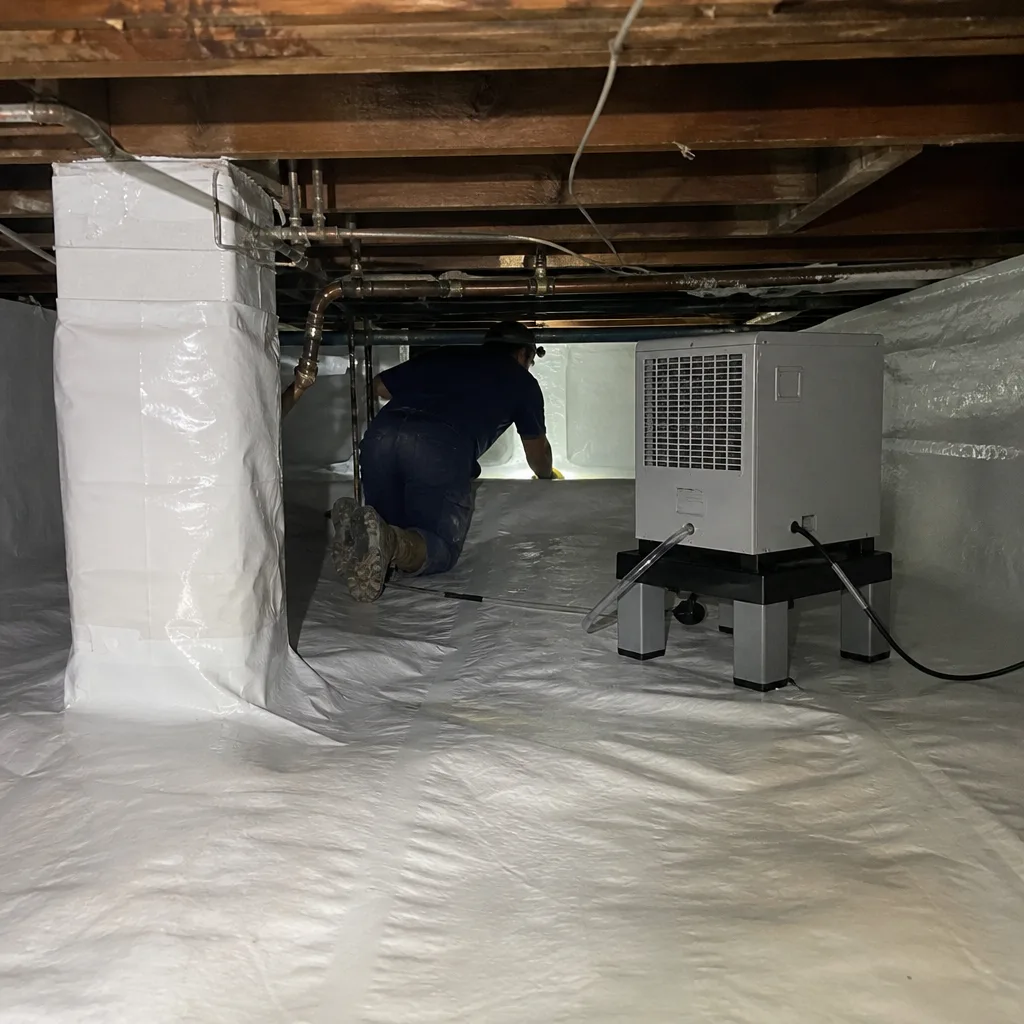
- White or chalky surface on the poly sheeting. This is UV degradation from work lights or occasional crawl space entry; the plasticizers have outgassed, and the material has lost flexibility. In Los Angeles, this accelerates where crawl space vents face south or west.
- Seams lifting at the overlap joints. JM poly is seamed with acrylic tape or double-folded with mastic; when tape adhesive fails from heat cycling, soil gas and moisture pass through. We find this most often in homes built 1945-1965 with unconditioned crawl spaces in the Crenshaw district.
- Condensation pooling on top of the barrier. The vapor barrier is working as a barrier, but the installation lacked perimeter sealing to the foundation walls, so warm moist air is entering from the edges and hitting the cool poly surface.
- Musty odor returning within 48 hours of ventilation. This indicates the barrier has torn or been displaced by rodent activity, a common issue in Los Angeles where the roof rat population accesses crawl spaces through foundation vents missing screens.
- Wood framing above the barrier showing dark staining or fungal growth. The barrier has failed completely or was never continuous; moisture from the soil is reaching the subfloor assembly. This is past the point of repair and requires full replacement with proper sealing.
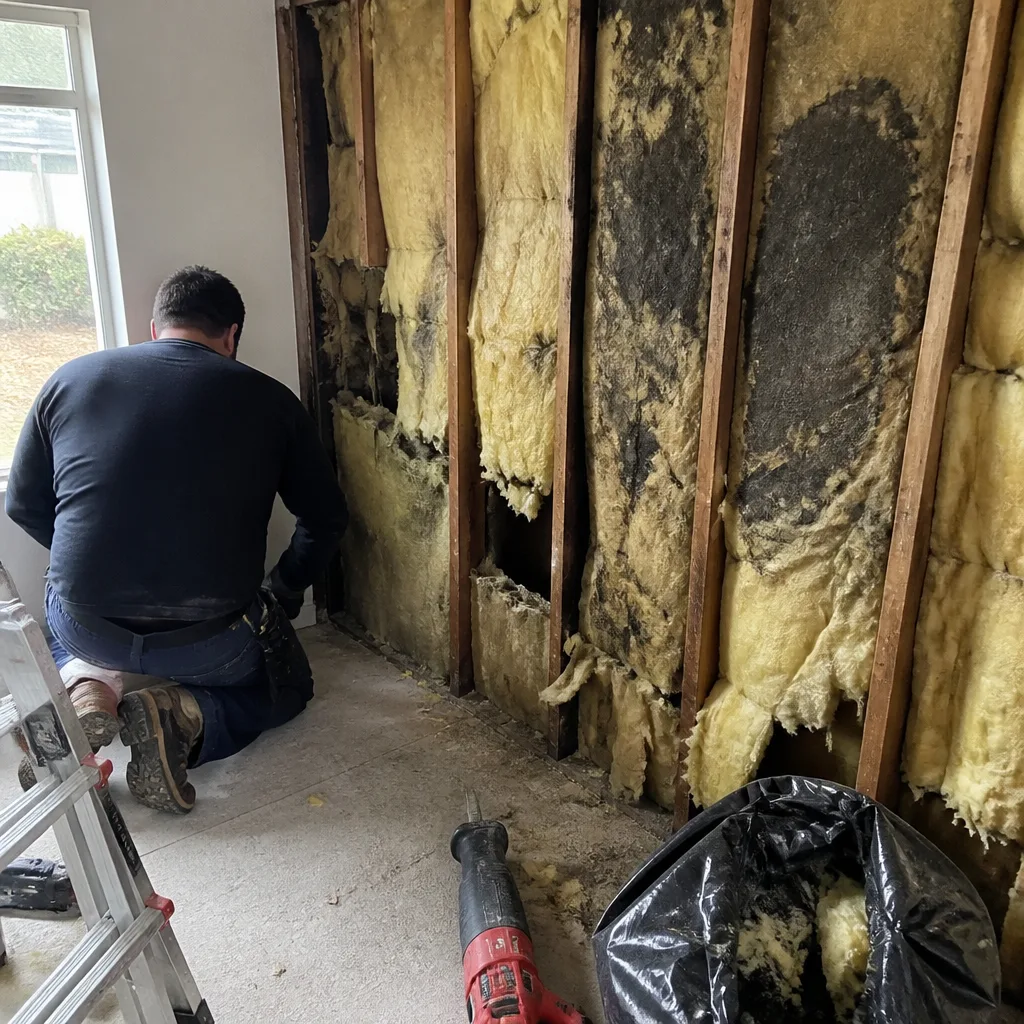 Before
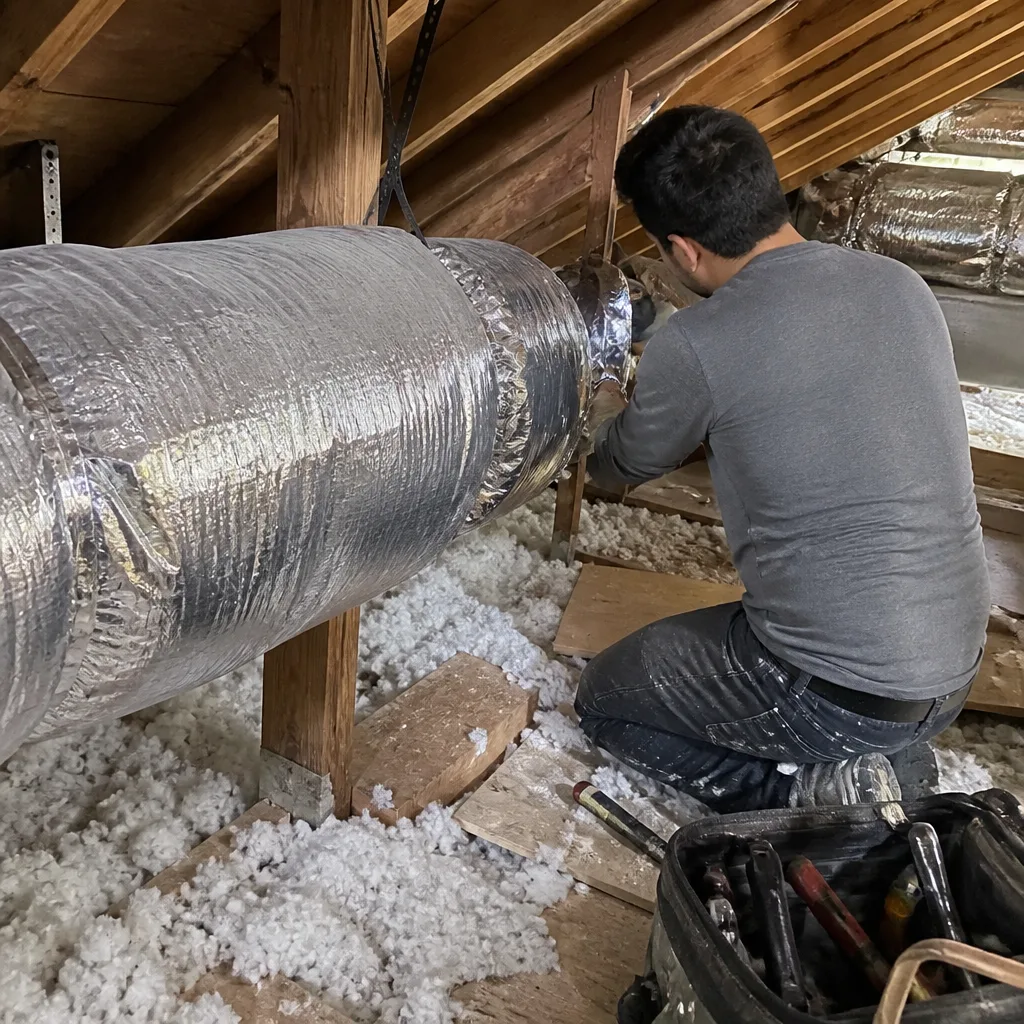 After
AfterReplacement Cost & What’s Included
| Scope | Typical Range in Los Angeles | What Drives It |
|---|---|---|
| Partial repair, localized tear (under 200 sq ft) | $450 - $780 | Accessibility, whether existing poly can be taped or must be cut back |
| Full crawl space replacement, 1,000 sq ft, 10-mil JM poly | $1,800 - $2,600 | Height of crawl space, debris removal, pier and post wrapping |
| Full replacement with perimeter sealing to walls, mastic termination | $2,400 - $3,400 | Foundation wall condition, need for mechanical fastening vs. adhesive |
Every job includes removal and disposal of existing failed material, surface prep of the soil or concrete pad, installation of new JM 10-mil poly with overlapped and taped seams, perimeter sealing to foundation walls, and a Documented Photo Record showing before, during, and after. Under Haven Standard Clause 1, you get the written price before any work starts. On jobs where we are also air-sealing the attic, we run a blower-door test - a pressurization reading that shows, in one number, how much air your building envelope is losing - and publish the before-and-after CFM50 so you can verify the result.
DIY or Call Us?
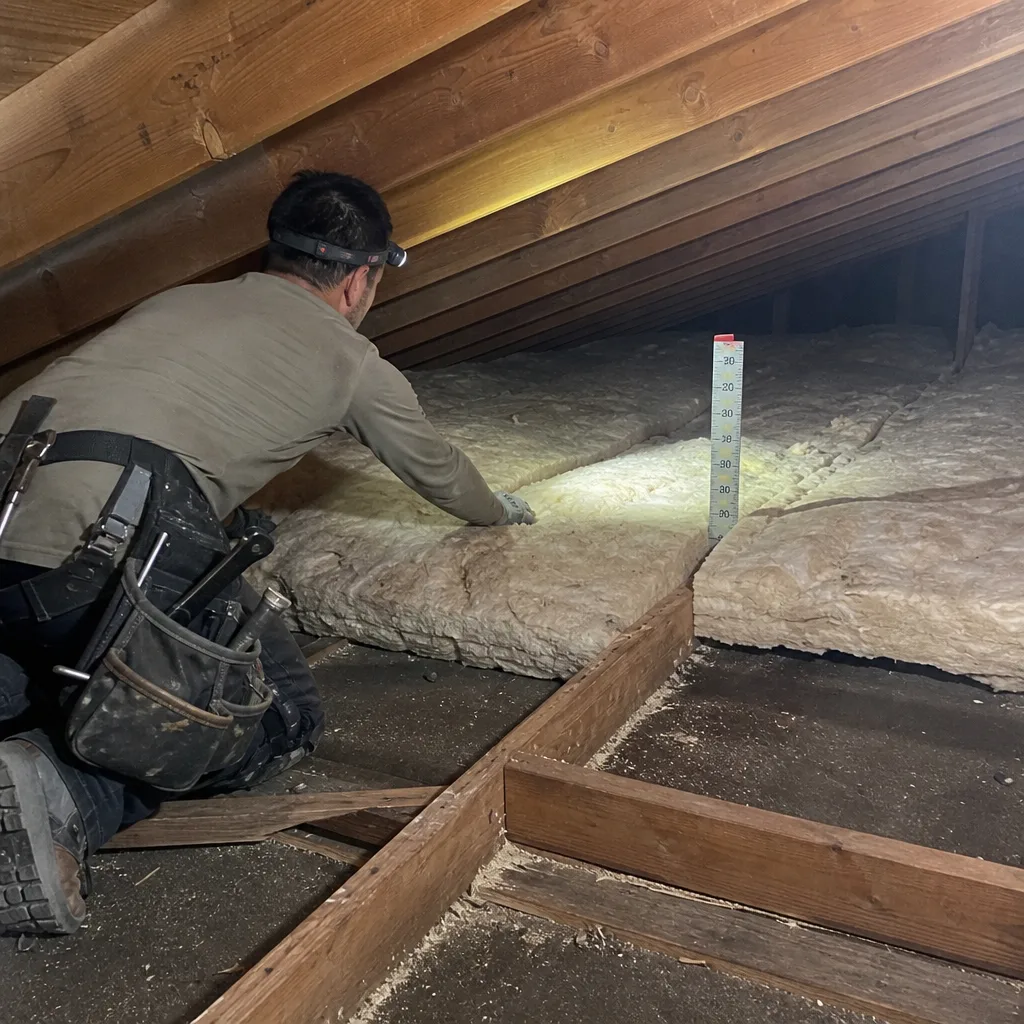
What you can safely check yourself: verify the mil rating of your existing poly with a micrometer, look for the JM stamp at the edge, and photograph any tears or lifted seams for reference. What goes wrong with DIY: cutting 10-mil poly in a confined crawl space with a utility knife against soil is a laceration risk; more critically, most homeowners seal seams with hardware-store duct tape that fails in 6-18 months from the alkaline soil contact and temperature swings. The California Residential Code requires ground cover in crawl spaces to be lapped 6 inches minimum at seams and extend 6 inches up foundation walls; we see DIY jobs that meet neither specification and fail inspection on resale.
We carry JM 3000 10-mil poly, seam tape rated for soil contact, and mastic for wall terminations on every truck. Call (628) 226-1097 for a written price before any work starts.
FAQs
A properly installed JM 10-mil cross-laminated poly typically lasts 15 to 20 years in a Los Angeles crawl space, though we have replaced 6-mil installations after 4 years in high-moisture areas near the Los Angeles River basin where seasonal groundwater is present. Call (628) 226-1097 for an exact quote on replacement - estimates are free.
Small punctures under 2 inches can be patched with JM-compatible polyethylene tape if the surrounding material is still flexible; if the poly is chalky, brittle, or torn at multiple seams, replacement is the only lasting fix. We do not charge for a patch assessment - call (628) 226-1097 to schedule.
Most full crawl space replacements in a 1,200-square-foot Los Angeles home take one crew one day, assuming standard 18- to 24-inch crawl space height and no hazardous debris removal. Tight crawl spaces under 16 inches or homes with extensive post-and-pier foundations may extend to a second day. Same-day starts are available when we stock the material.
Yes - we carry JM 3000 10-mil polyethylene sheeting in 12-foot and 16-foot widths, acrylic seam tape rated for soil contact, and termination mastic for foundation wall sealing on every Los Angeles service vehicle. We also stock Reflectix radiant barrier for applications where vapor control and emissivity reduction are both required.
Seal the holes first. Then measure the R-value. In that order.
Ready to get your Los Angeles crawl space or attic floor sealed right? Call (628) 226-1097. A live person answers 24/7, and you’ll get a written price before any work starts - Haven Standard Clause 1, no exceptions. We also offer a Free Second Opinion on any written estimate you bring us.
Written by Wes Okafor, Owner & Lead Insulation Technician, Topside Attic Insulation Los Angeles at Topside Attic Insulation Los Angeles, serving Los Angeles and nearby areas.