
Rockwool Attic Air Sealing: The Los Angeles Owner’s Guide
Rockwool-compatible attic air sealing in Los Angeles typically runs $1,800-$3,400 for a complete top-plate and penetration seal on a 1,200-2,000 square foot home, and we stock the acrylic-latex sealants, fire-rated expanding foams, and metal flashing tapes needed for same-day starts. Most homeowners discover the failure when their recently installed Rockwool batts or Comfortbatt still leave rooms hot in August, or when a post-install energy bill shows no improvement - the insulation is doing its job, but conditioned air is still escaping through gaps the insulation cannot close.
Seal the holes first. Then measure the R-value. In that order.
Which Rockwool Models This Applies To
This applies to any Rockwool attic installation where the insulation was placed before air sealing was completed - which, in our experience across Los Angeles, describes roughly 60% of the attics we enter. Rockwool Comfortbatt, Safe’n’Sound, and AFB evo are the batt products we see most often in local homes, though the air-sealing failure has nothing to do with the insulation itself and everything to do with what was skipped underneath it.
To identify what your attic needs, look for the original installation documentation or the batt stamp for the product line. Comfortbatt is the mineral wool batt with the higher density, rated for thermal and acoustic applications; Safe’n’Sound is the lower-density acoustic batt, often found in interior partition walls but occasionally misapplied in attics where thermal performance matters more. AFB evo is the semi-rigid board, less common in residential retrofits but present in some newer builds around Playa Vista and the Arts District. The air-sealing components we install - fire-rated expanding foam for gaps around flues and chases, acrylic-latex sealant for top-plate seams, and aluminum flashing tape for rigid duct transitions - are compatible with all three, though the installation sequence changes based on whether you’re working around batts that stay or batts that need temporary removal.
OEM Rockwool does not manufacture a proprietary air-sealing kit; the brand sells insulation, not sealants. We source our air-sealing materials from 3M, Tremco, and Owens Corning - all listed in Rockwool’s own installation literature as acceptable companion products - and we keep them on the truck. The “aftermarket” question is really a quality-spec question: we use ASTM E814-tested fire-rated foam around any penetration that carries heat or combustion gases, not the hardware-store can that hardens to crumbles in three years.
Signs Your Rockwool Attic Air Sealing Is Failing
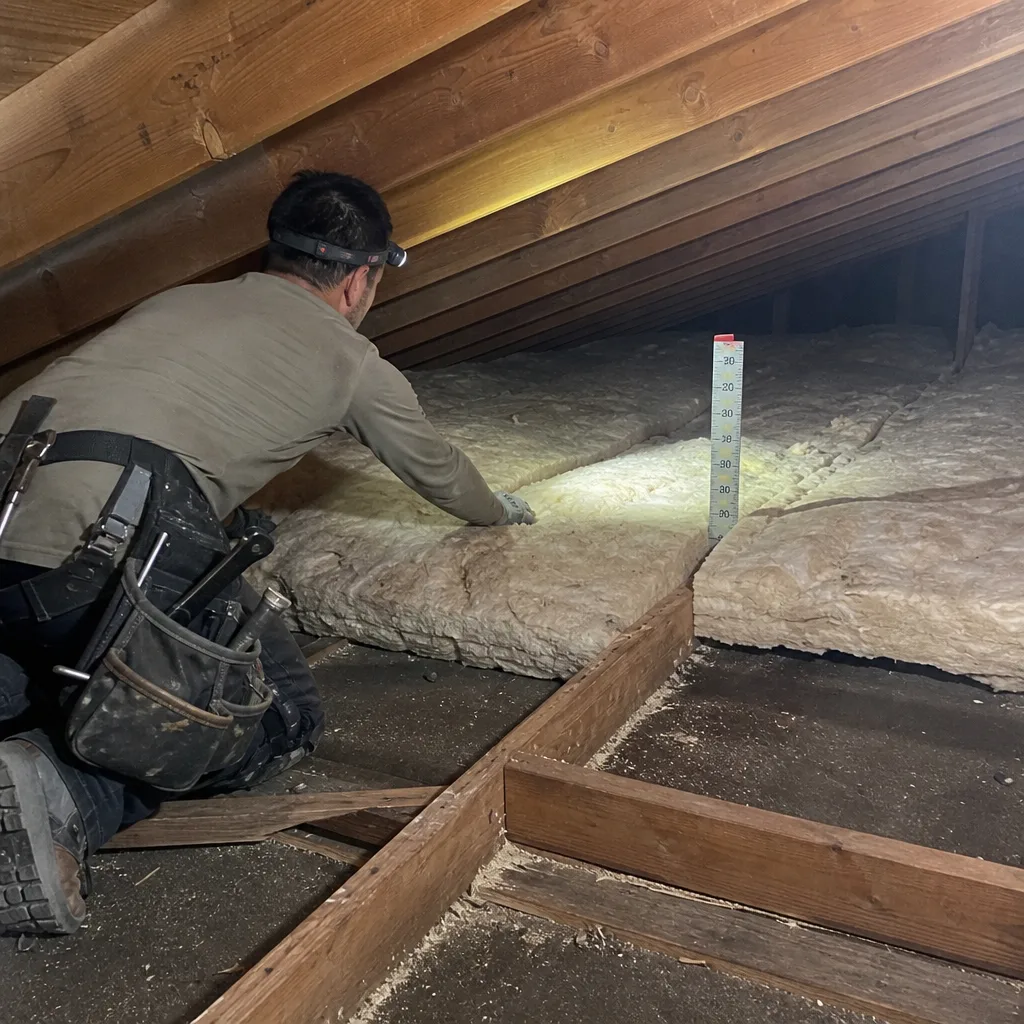
- Uneven room temperatures despite new insulation. The Rockwool is performing, but conditioned air is escaping through unsealed top plates - the horizontal framing member where interior walls meet the ceiling drywall - creating thermal bypasses that insulation alone cannot block. We see this constantly in 1940s-1960s ranch homes in Leimert Park, where walls were built before airtightness was a code consideration.
- Dust streaking on ceiling drywall around recessed cans or registers. These dark lines are filtration soiling - attic air, pulled through gaps by the pressure differential between conditioned space and attic, depositing fiberglass and particulate on the ceiling. The fix is sealing the can-light housing or register boot to the drywall, not cleaning the ceiling.
- Ice damming or moisture staining at eaves in winter. Even in Los Angeles, rare cold snaps can create localized condensation when warm, humid interior air leaks through bypasses and hits cold roof sheathing. Rockwool is hydrophobic and won’t mold, but the moisture can damage drywall and compromise the assembly.
- Blower-door test showing minimal improvement after insulation-only retrofit. A proper test reads in CFM50 - cubic feet per minute at 50 pascals of pressure. We’ve tested homes in Silver Lake that dropped from 4,800 to 4,200 CFM50 after Rockwool batts alone, then to 2,100 after we pulled back the batts, sealed the penetrations, and reinstalled. The insulation wasn’t the problem; the air leaks were.
- Rodent activity in attic insulation. Gaps around plumbing stacks, electrical chases, and soffit returns create highways. Rockwool is pest-resistant due to its mineral content, but the air gaps around it are not. Sealing closes the routes.
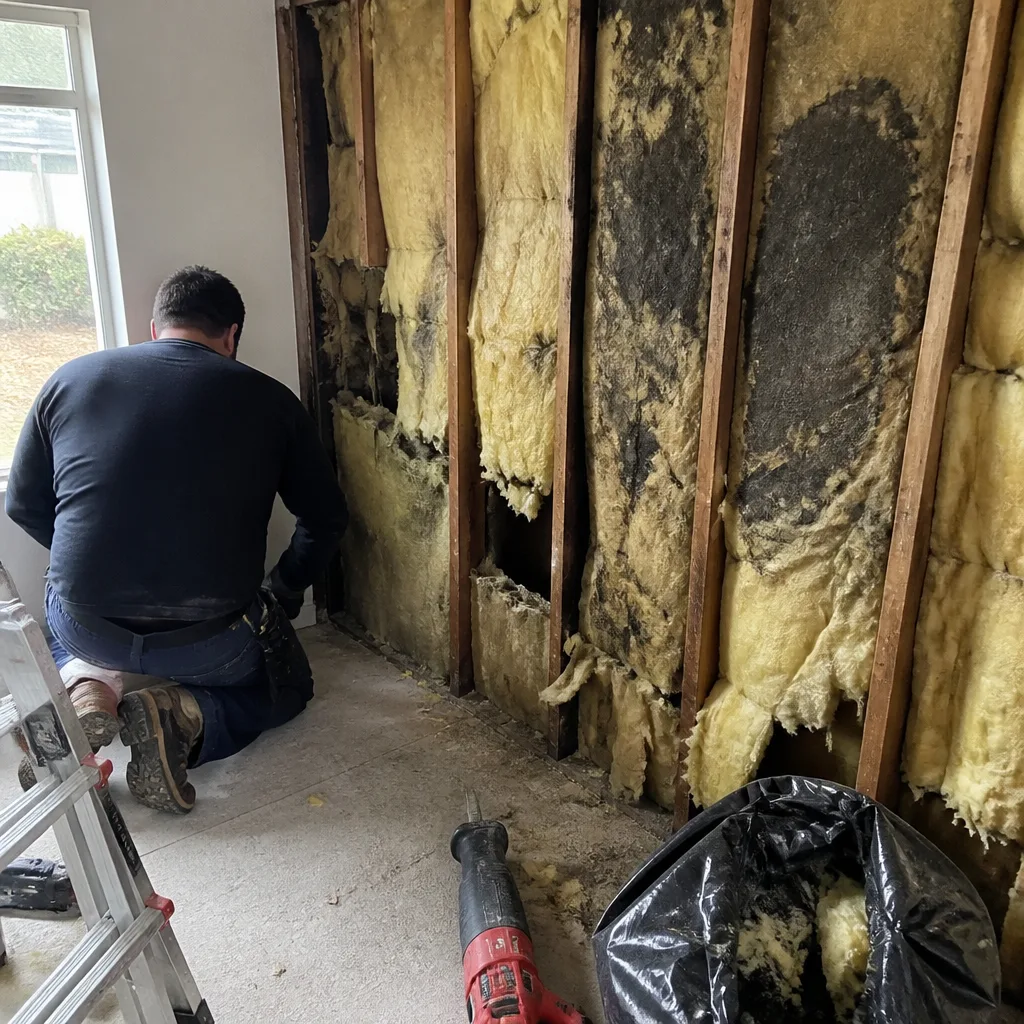 Before
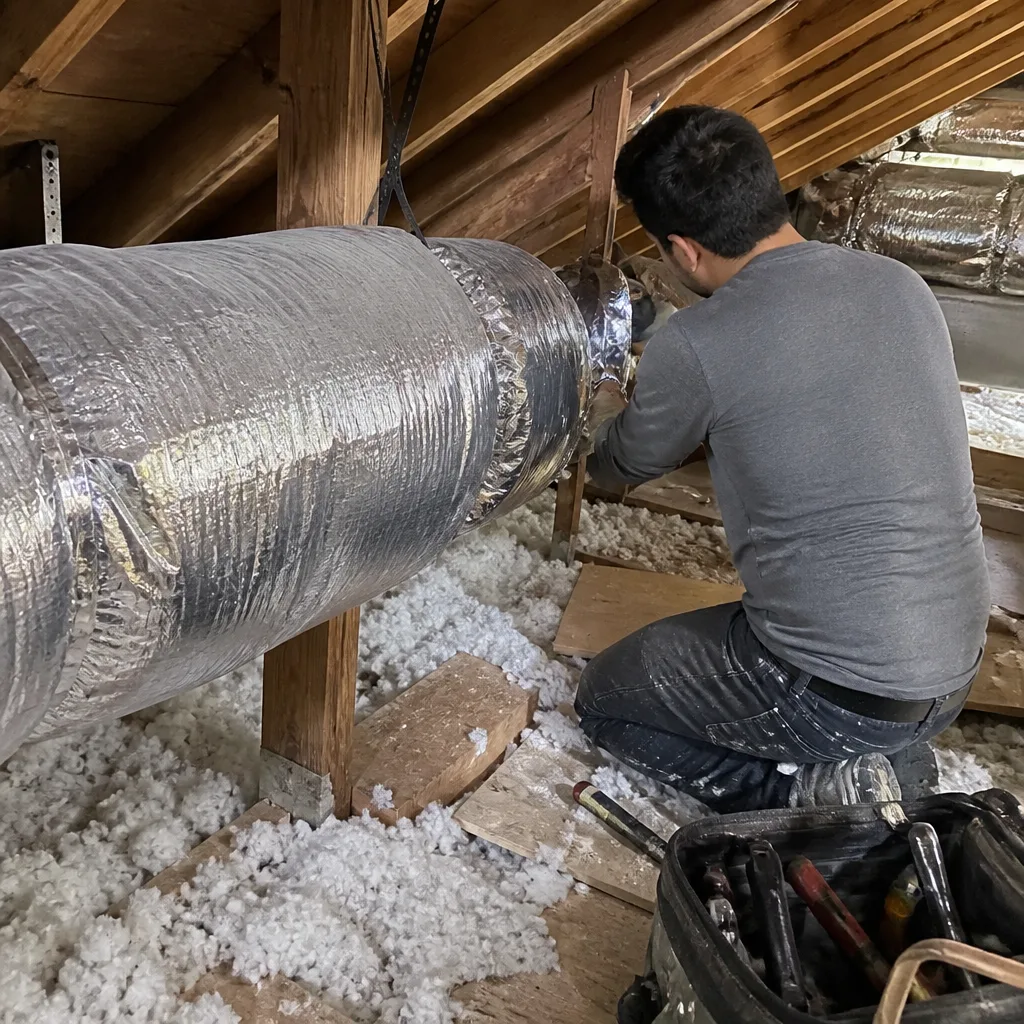 After
AfterReplacement Cost & What’s Included
Most complete attic air-sealing jobs in Los Angeles run between $1,800 and $3,400 installed, with the range driven by attic square footage, accessibility (cathedral ceilings over bedrooms in Mid-Century homes add labor), and the number of penetrations requiring fire-rated materials. A smaller single-story home with a straightforward hatch access and standard top plates might land at $1,400; a two-story with multiple HVAC platforms, combustion appliance flues, and a complex soffit chase network can push past $4,000.
| Component | Typical Range |
|---|---|
| Top-plate sealing (acrylic-latex, continuous bead) | $0.85-$1.25 / linear ft |
| Recessed-can enclosure (fire-rated cover + seal) | $45-$85 / each |
| Penetration foam (flues, stacks, chases) | $35-$65 / each |
| Duct boot seal (mastic + foil tape) | $25-$45 / each |
| Whole-attic blower-door verified seal | $1,800-$3,400 total |
Every job includes the Documented Photo Record - photos of each penetration before sealing, during, and after - plus before-and-after blower-door numbers when the attic assembly allows valid testing. The 365-Day Done Right Promise applies to all air-sealing work, and we deliver the written scope, the written price, and the warranty documentation before anyone starts. No exceptions.
DIY or Call Us?
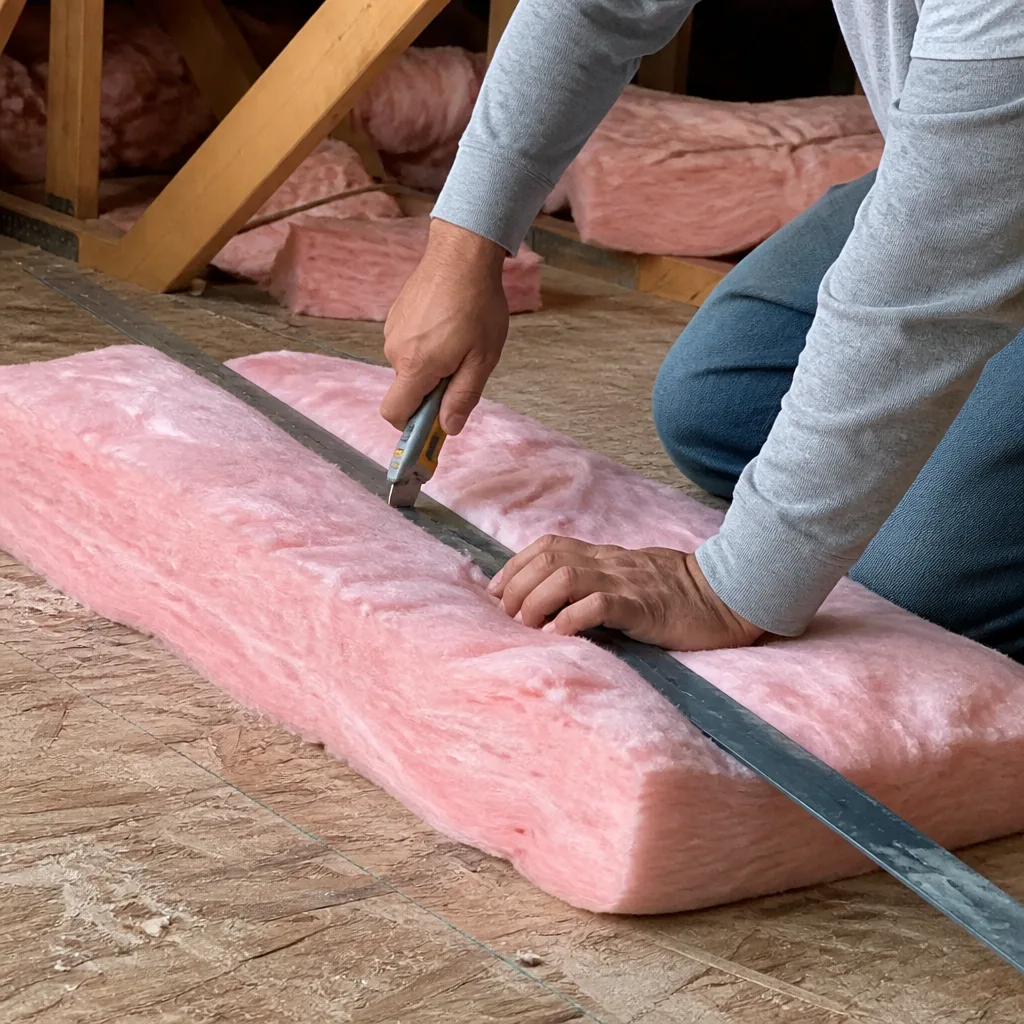
An owner can safely inspect their own attic for the obvious gaps: light visible around recessed cans, drafts at the hatch, or batt insulation compressed against electrical boxes without sealant. A smoke pencil or even a stick of incense on a still day will show air movement at leaks - that’s information worth having.
Where DIY goes wrong is in material selection and in the work itself. Fire-rated expanding foam around a B-vent flue is non-negotiable; standard foam melts and off-gasses. Acrylic-latex sealant on a top plate requires a continuous bead, not dabs, and the old batt has to come up to do it right. Combustion safety matters too - sealing an attic without verifying makeup air for gas appliances can backdraft a water heater. We check that. Most homeowners in Los Angeles call us after they’ve bought the wrong foam once and spent a Saturday on their knees in fiberglass. If that’s not how you want to spend your weekend, call (628) 226-1097 and we’ll give you a written price before any work starts.
FAQs
Properly installed acrylic-latex and fire-rated foam seals last 20-30 years in Los Angeles’s dry climate, though seismic settling and roof work can disturb joints after major events. We warranty our air-sealing work for 365 days under the Done Right Promise, and the materials we use are rated for the full building lifecycle. Call (628) 226-1097 if you suspect a failure - estimates are free.
Partial repairs work only when the original seal is intact and localized damage is visible - a single pulled-apart duct boot, for instance, or a plumbing stack where the foam cracked. If the original work was skipped entirely or done with non-fire-rated materials, repair is usually more expensive than starting clean because we have to remove and reinstall the Rockwool to access the gaps. We assess this on every job and tell you straight which path costs less.
Most residential attics in Los Angeles take one day for air sealing alone, or two days if we’re removing existing insulation, sealing, and reinstalling Rockwool. Crews arrive at 8 AM, seal until the blower-door test confirms the target, and hand you the documentation before leaving. Same-day starts are available when we have the scope confirmed in advance.
Yes - we carry fire-rated expanding foam, acrylic-latex sealant, aluminum flashing tape, fire-rated recessed-can covers, and mastic duct sealant on every truck, and we work with Rockwool, Owens Corning, Johns Manville, and other brands daily. Topside Attic Insulation Los Angeles is an independent service provider, not affiliated with Rockwool. Call (628) 226-1097 to confirm same-day availability for your specific assembly.
Written by Wes Okafor, Owner & Lead Insulation Technician, Topside Attic Insulation Los Angeles at Topside Attic Insulation Los Angeles, serving Los Angeles and nearby areas.