
CertainTeed Crawl Space Encapsulation: The Los Angeles Owner’s Guide
CertainTeed crawl space encapsulation systems in Los Angeles homes typically run $3,800-$7,200 installed, depending on square footage and whether the foundation needs active dehumidification. We stock CertainTeed-compatible vapor barriers, seam tapes, and conditioning components for same-day or next-day installation across Los Angeles County. Most homeowners discover a failure when their crawl space starts smelling musty again, their floors feel cold despite the heating running, or their energy bill climbs 15-20% without explanation - all signs the vapor barrier has torn at seams, the tape has delaminated, or the dehumidifier has quit pulling moisture.
Which CertainTeed Models This Applies To
CertainTeed’s crawl space line isn’t branded as a single consumer-facing model name like their roofing shingles. Instead, you’ll find their components spec’d on the original install paperwork: CertainTeed MemBrain smart vapor retarder (the variable-perm polyamide film that opens and closes based on relative humidity), CertainTeed PVC or woven polyethylene vapor barriers in 6-mil to 20-mil thicknesses, and CertainTeed-approved seam tapes - typically butyl-rubber or acrylic-based pressure-sensitive tapes rated for below-grade adhesion.
To identify what you have, check the edge printing on the vapor barrier itself. CertainTeed marks their roll goods with lot numbers and mil rating; MemBrain has a distinct grid pattern visible when you shine a flashlight at an angle. If your original installer used a generic white or black poly sheet with no edge printing, you likely have an aftermarket equivalent, not OEM CertainTeed. We stock both. The OEM MemBrain runs higher per square foot but performs better in Los Angeles’s mixed-humidity climate, where winter rains and summer dry spells cycle the material through expansion and contraction. For standard woven poly barriers, quality aftermarket from brands like Reflectix meets the same permeance specs at lower cost, though we always match tape chemistry to barrier type - acrylic tape on polyethylene, butyl on PVC - because mismatched adhesives fail at the seams within 18 months in our experience.
Topside Attic Insulation Los Angeles is an independent service provider, not affiliated with CertainTeed. We source materials through regional distributors and can match or upgrade any original spec.
Signs Your CertainTeed Crawl Space Encapsulation Is Failing
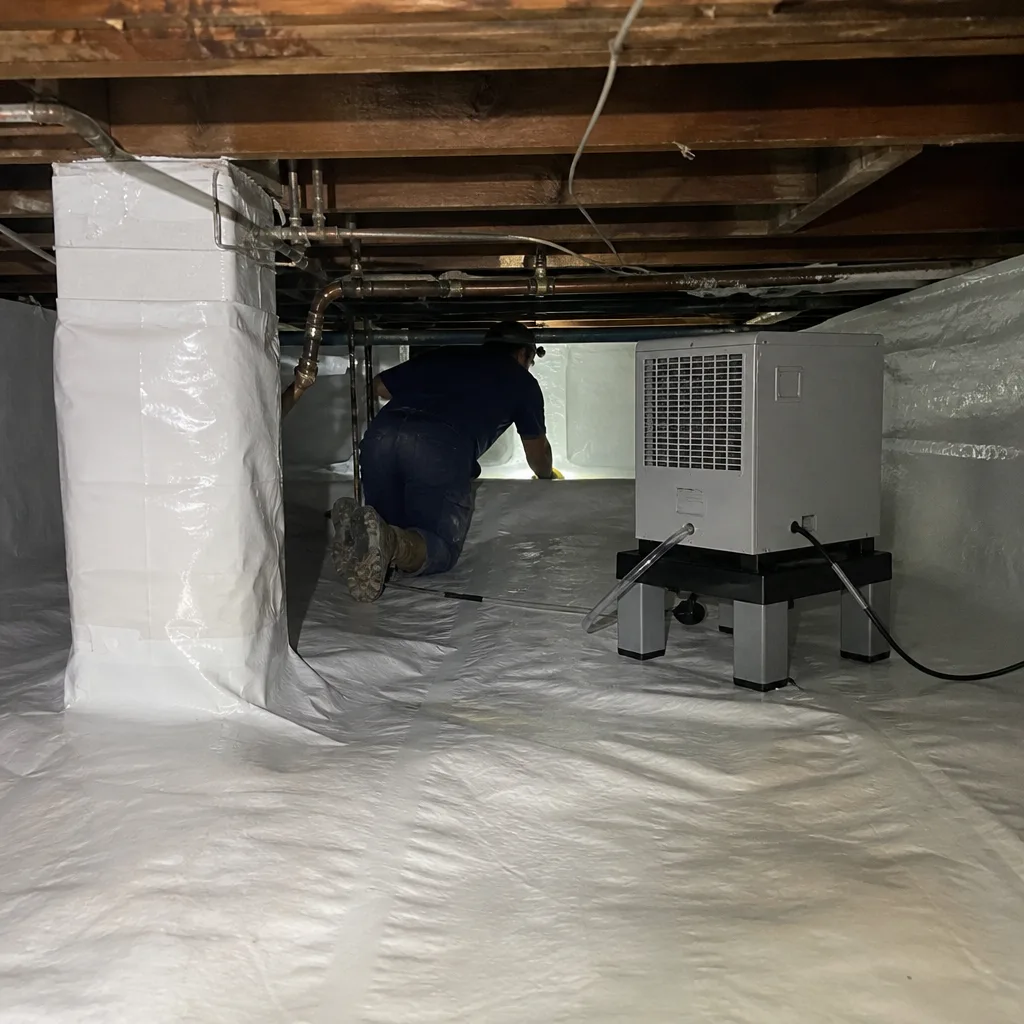
- Musty odor returning to the first floor. This means your vapor barrier has breached at seams or penetrations, letting soil gas and moisture re-enter the conditioned envelope. In Los Angeles, where clay-heavy soils in neighborhoods like Baldwin Hills and Ladera Heights hold moisture for weeks after rain, a 6-inch seam gap is enough to re-saturate a crawl space in 48 hours.
- Cold floors in winter despite the heater running. Your encapsulation was supposed to create a semi-conditioned buffer zone; if the barrier is compromised, outside air is washing across the subfloor. We see this most often in post-1960s ranch homes with raised perimeter foundations, where the original install didn’t extend the barrier 6 inches up the stem wall or seal to the sill plate.
- White or green fuzz on floor joists. That’s mold colonizing wood at 20%+ moisture content. CertainTeed MemBrain is designed to prevent exactly this by blocking bulk water vapor while allowing the assembly to dry to the interior - but once torn, it works in reverse, trapping moisture against the joists.
- Dehumidifier running constantly or not cycling. A properly sized dehumidifier in a sealed crawl space should cycle 2-3 times per hour. If it’s running flat-out, you have an air leak somewhere - usually a failed tape seam at a pier wrap or a disconnected condensate drain line.
- Energy bills climbing 15-20% year-over-year. Unsealed crawl spaces pull conditioned air through floor penetrations - plumbing chases, electrical boxes, duct boots. Your HVAC works harder to replace what leaks out. We document this with blower-door testing: a typical Los Angeles home with a compromised crawl space shows 300-500 CFM50 of additional leakage at the floor plane alone.
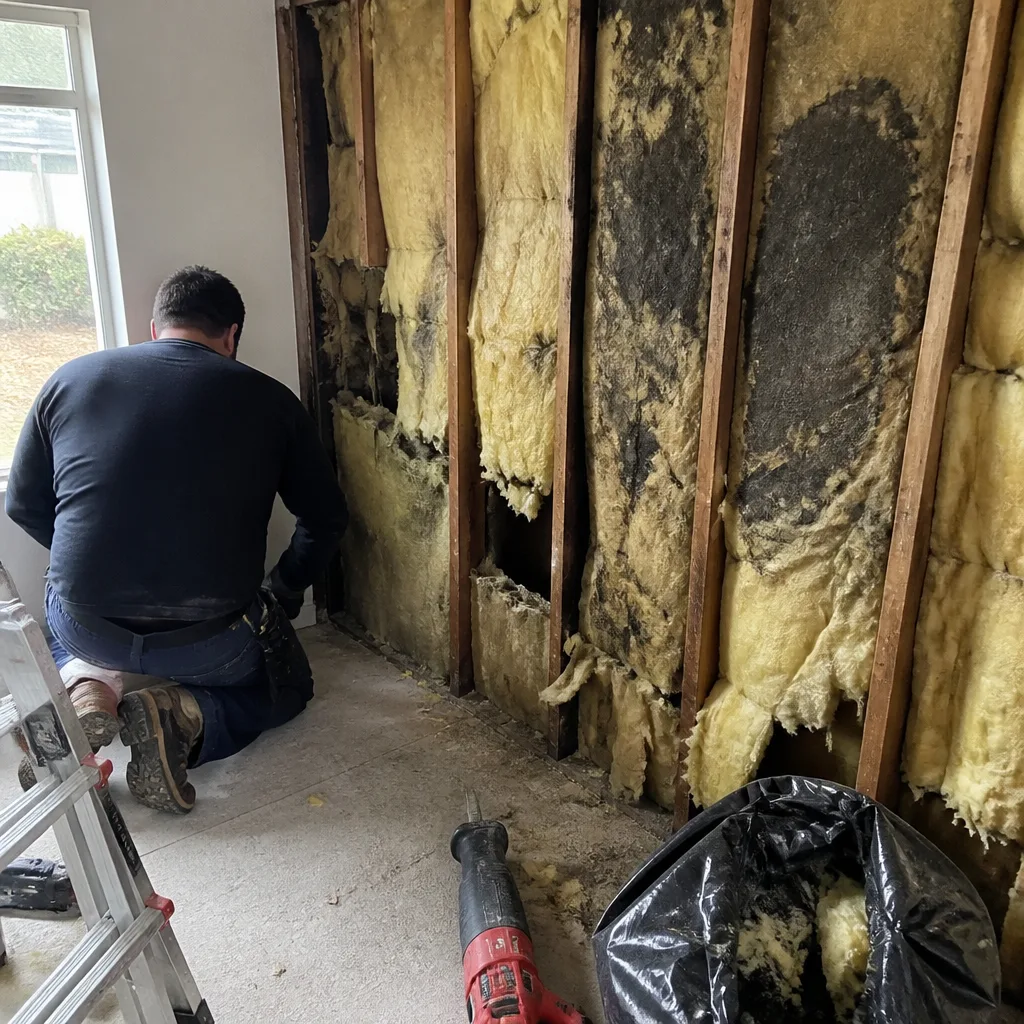 Before
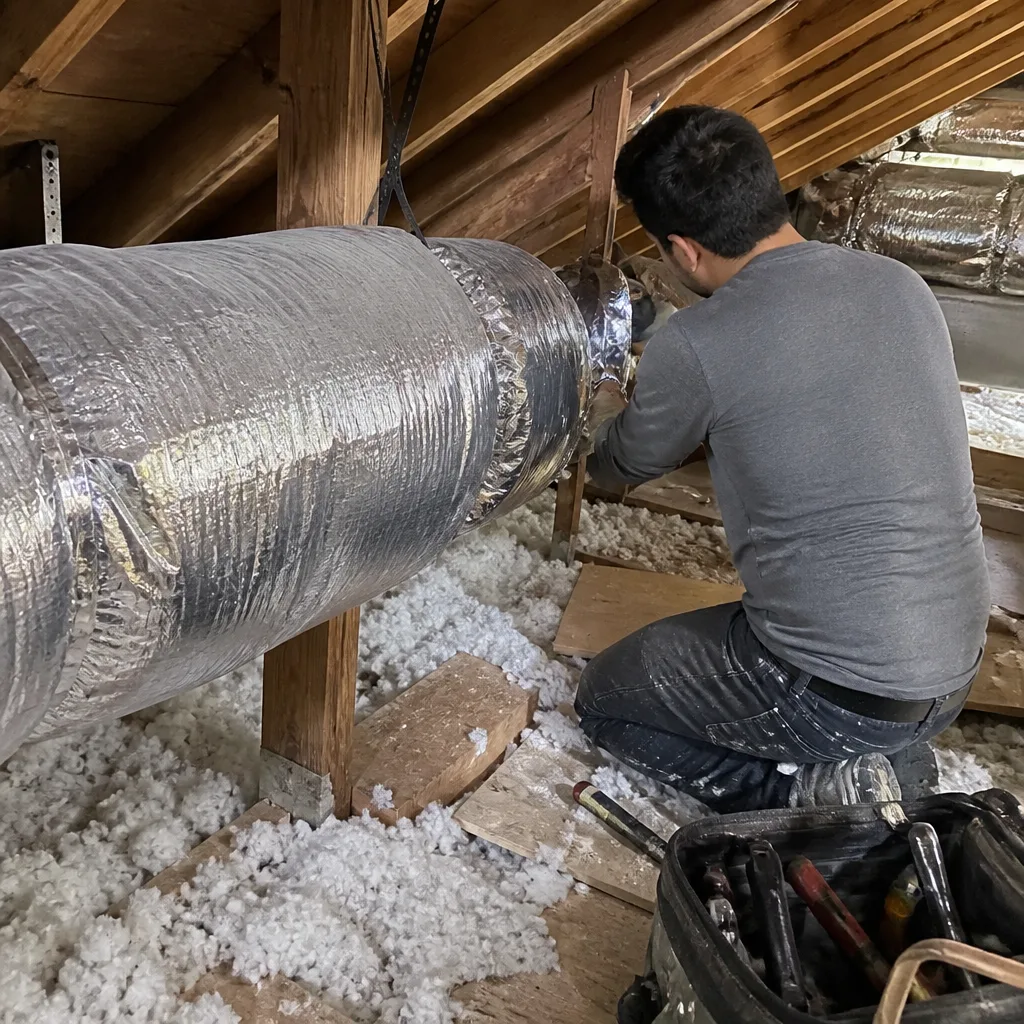 After
AfterReplacement Cost & What’s Included
| Component | Typical Range (Los Angeles) |
|---|---|
| Vapor barrier replacement (6-mil woven poly, 1,000 sq ft crawl) | $1,800 - $2,800 |
| Vapor barrier replacement (MemBrain or 12-mil reinforced, 1,000 sq ft) | $2,600 - $3,800 |
| Seam tape and detailing (pier wraps, stem wall termination) | $400 - $700 |
| Dehumidifier replacement (70-pint crawl-rated unit) | $1,200 - $1,800 |
| Full encapsulation with active conditioning (new install, 1,000 sq ft) | $4,500 - $7,200 |
| Insulation removal and replacement (if mold-affected) | $1,200 - $2,400 |
What drives the range: crawl height (anything under 18 inches requires specialized equipment), number of piers to wrap, whether the foundation has active termite damage that needs repair first, and whether we’re working around existing HVAC ductwork or water heaters. Every job gets a written price before any work starts - Haven Standard Clause 1 - and includes a Documented Photo Record of the completed barrier installation, seam taping, and any dehumidifier placement. The 365-Day Done Right Promise covers all encapsulation work. We also provide a Free Second Opinion on any written estimate you’ve already received; bring us the scope and we’ll review it line by line.
DIY or Call Us?
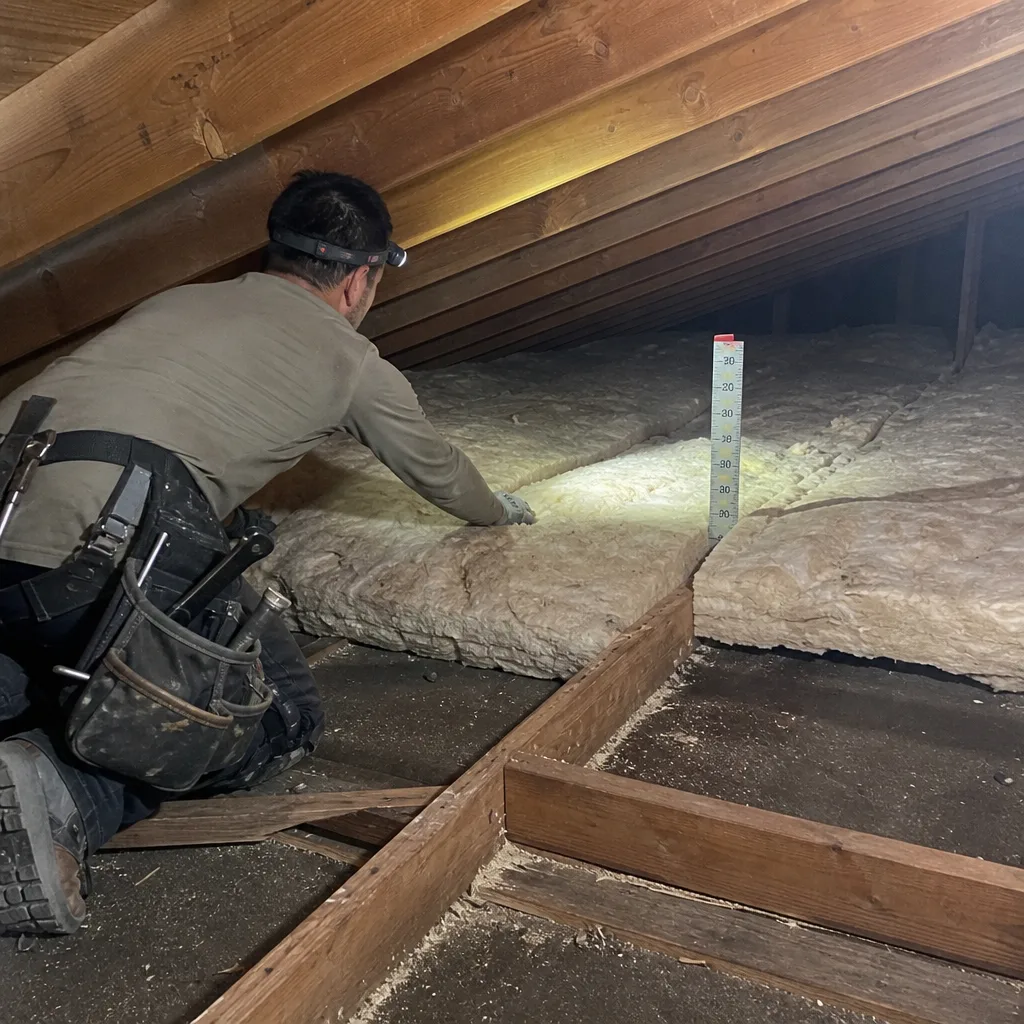
Here’s what you can safely check yourself: verify your dehumidifier is plugged in and the condensate pump or gravity drain isn’t clogged. Look for obvious tears in the vapor barrier, especially at pier wraps and where the barrier meets the stem wall. If you find a small tear - under 6 inches, clean edges, no mold staining underneath - a patch kit with compatible tape is reasonable temporary repair.
Where DIY goes wrong: crawling a Los Angeles foundation with active mold, damaged structural members, or electrical runs in contact with moisture is a genuine health and safety risk. More commonly, homeowners tape seams with hardware-store duct tape or generic “waterproof” tape that off-gasses adhesive in warm crawl spaces and fails within months. The correct tape for CertainTeed polyethylene barriers is a pressure-sensitive acrylic or butyl rated for 90-day submerged adhesion - not what’s stocked at big-box retailers. And if your crawl space has standing water or saturated soil, that’s a drainage problem, not an encapsulation problem; sealing over it traps water against the foundation. Call (628) 226-1097. We’ll assess whether you need encapsulation, drainage, or both, and give you a written price either way.
FAQs
Properly installed CertainTeed vapor barriers last 15-20 years in Los Angeles, though the seam tape typically needs inspection at year 10. The coastal marine layer in neighborhoods like Venice and San Pedro accelerates tape adhesive fatigue; inland valleys with wider temperature swings stress the barrier material itself through thermal cycling. We recommend a visual inspection every 3-5 years, which we include at no charge for prior customers. Call (628) 226-1097 to schedule.
Isolated tears under 12 inches can be patched with OEM-compatible tape if the surrounding material is clean, dry, and not embrittled. Multiple tears, widespread tape failure, or barrier material that crinkles when handled means full replacement is more cost-effective than chasing individual failures. We assess this on every site visit and will tell you outright which path makes sense. Estimates are free - call (628) 226-1097.
Most residential crawl spaces in Los Angeles - 800 to 1,200 square feet - take one to two days to fully re-encapsulate, assuming no drainage or structural repairs are needed. Day one is removal, surface prep, and barrier installation; day two is seam taping, detailing, and dehumidifier commissioning with a humidity baseline reading. We text you the crew’s arrival window and send before-and-after photos within 24 hours of completion.
We stock CertainTeed-compatible vapor barriers in 6-mil, 10-mil, and 12-mil reinforced, plus MemBrain smart retarder, matching seam tapes, and crawl-rated dehumidifiers on our Los Angeles warehouse shelves. For full encapsulation replacements, we order exact roll dimensions to minimize seams - typically a 2-3 day lead for custom widths. Call (628) 226-1097 to confirm current stock for your specific repair.
Seal the holes first. Then measure the R-value. In that order. That’s how Wes Okafor and our crew approach every building envelope job in Los Angeles, whether it’s an attic assembly with unsealed top plates or a crawl space where the previous installer ran a beautiful vapor barrier right over a gaping plumbing penetration. We don’t sell insulation as a cosmetic upgrade. We sell measured performance, documented in writing, with the blower-door numbers to prove it.
Since 2016, we’ve sealed and insulated over 9,000 homes - every one with a written price before work started and a documented record when the crew left. Materials sourced from Owens Corning, Johns Manville, Knauf, Rockwool, CertainTeed, Icynene, Demilec, and GreenFiber. No proprietary lock-in. No call-for-pricing runaround. Just a flat written scope, a flat written price, and a crew that shows up when we said we would.
Call (628) 226-1097 for a free estimate on CertainTeed crawl space encapsulation repair or replacement in Los Angeles. We’ll read your existing estimate with you if you have one - Free Second Opinion, no obligation. Written price before any work starts. Documented Photo Record on every visit. And if it’s not done right, we make it right: 365-Day Done Right Promise, Haven Standard.
Written by Wes Okafor, Owner & Lead Insulation Technician, Topside Attic Insulation Los Angeles at Topside Attic Insulation Los Angeles, serving Los Angeles and nearby areas.