
Icynene Radiant Barrier Installation: The Los Angeles Owner’s Guide
We stock and install Icynene-compatible radiant barrier systems for Los Angeles homes, with most completed attic retrofits running between $2,400 and $4,800 depending on roof pitch and square footage. Same-day installation is available when we have your roof geometry on file from a prior energy audit or site visit. Most Los Angeles homeowners discover their radiant barrier is failing when second-story rooms hit 85°F by 3 p.m. despite the AC running nonstop, or when they spot foil facing that has delaminated, torn, or pulled loose from rafter staples after a Santa Ana wind event.
Which Icynene Models This Applies To
Icynene does not manufacture a standalone radiant barrier product; instead, their open-cell and closed-cell spray foam systems - Classic Max, LD-C-50, and MD-R-200 in the residential line - are frequently paired with radiant barrier foil or reflective sheathing during hybrid attic assemblies in Los Angeles. The critical compatibility point is vapor permeance: Icynene open-cell foam is vapor-permeable, so pairing it with a perforated radiant barrier maintains the drying potential the assembly needs. Use a solid foil barrier over open-cell and you trap moisture against the roof deck. That’s the gotcha we see most often in Los Angeles re-inspections.
To identify what you have, look for the Icynene lot number sticker on the spray foam substrate - usually on a rafter bay near the attic hatch. The radiant barrier itself should carry an ASTM C1313 label and an emissivity rating below 0.05. We carry both OEM-spec perforated foil and a quality aftermarket equivalent from Reflectix that meets the same emissivity spec at a lower material cost. For closed-cell Icynene assemblies, either perforated or solid foil works because the foam itself is the vapor barrier.
Signs Your Icynene Radiant Barrier Installation Is Failing
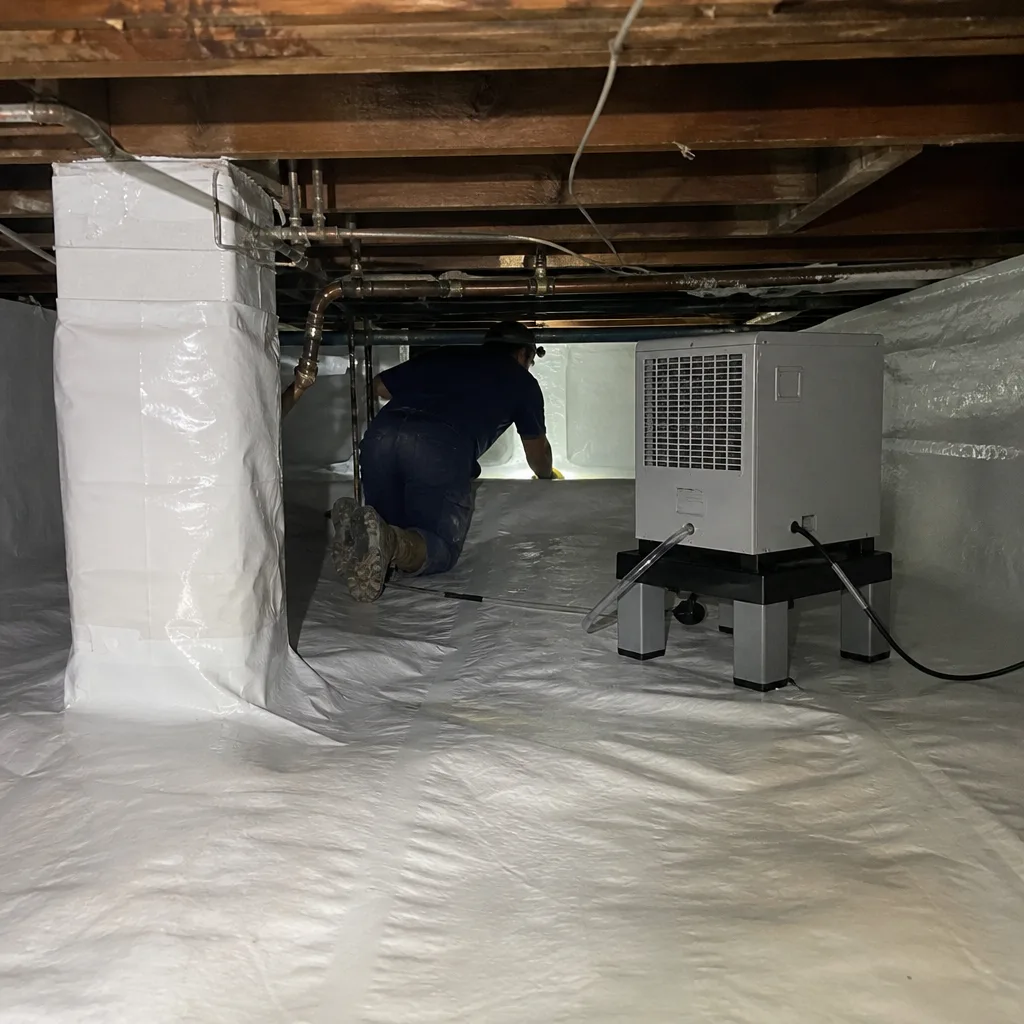
- Hot spots on the ceiling below. When radiant barrier foil tears or pulls away from rafters, infrared radiation penetrates directly to the attic floor. We measure this with a thermal imager; the ceiling surface temperature jumps 12-18°F in the gaps.
- Foil facing that flaps or rattles in wind. Staple pull-out is common in Los Angeles where older roof decks are 3/8-inch plywood. The staple crown tears through the foil, and Santa Ana gusts turn loose sections into noise makers and eventual tears.
- Discolored or water-stained roof decking. If your installer used solid foil over Icynene open-cell foam, moisture migrates through the foam and condenses on the cold side of the barrier. The deck stains first; rot follows if the cycle repeats through winter.
- Insulation batts compressed or displaced below the barrier. Poorly tensioned foil sags onto attic floor insulation, compressing it and reducing its effective R-value by 30% or more in the contact zones.
- AC runtime that crept up year over year. A failing radiant barrier doesn’t fail overnight. We compare current cooling-degree-day data against prior years; when kWh per degree-day rises 15% with no equipment change, the envelope is the suspect.
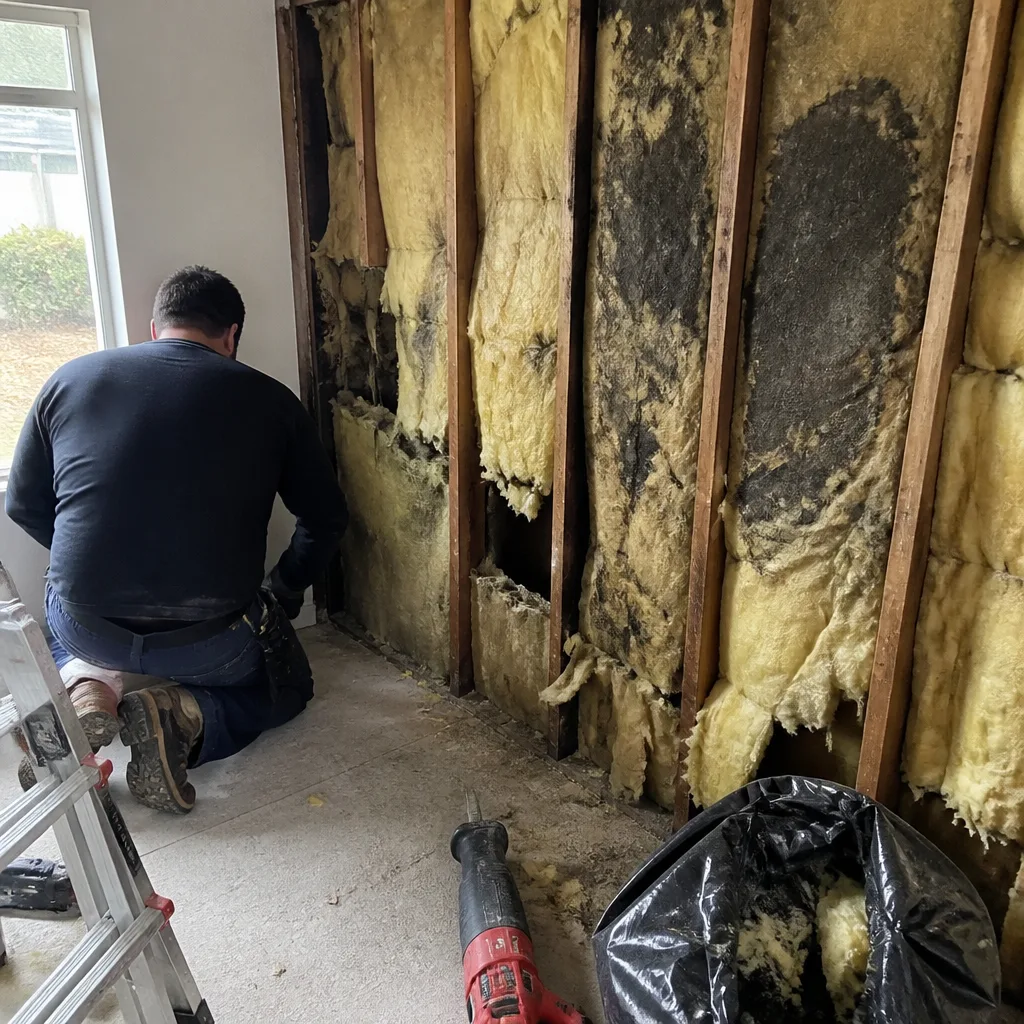 Before
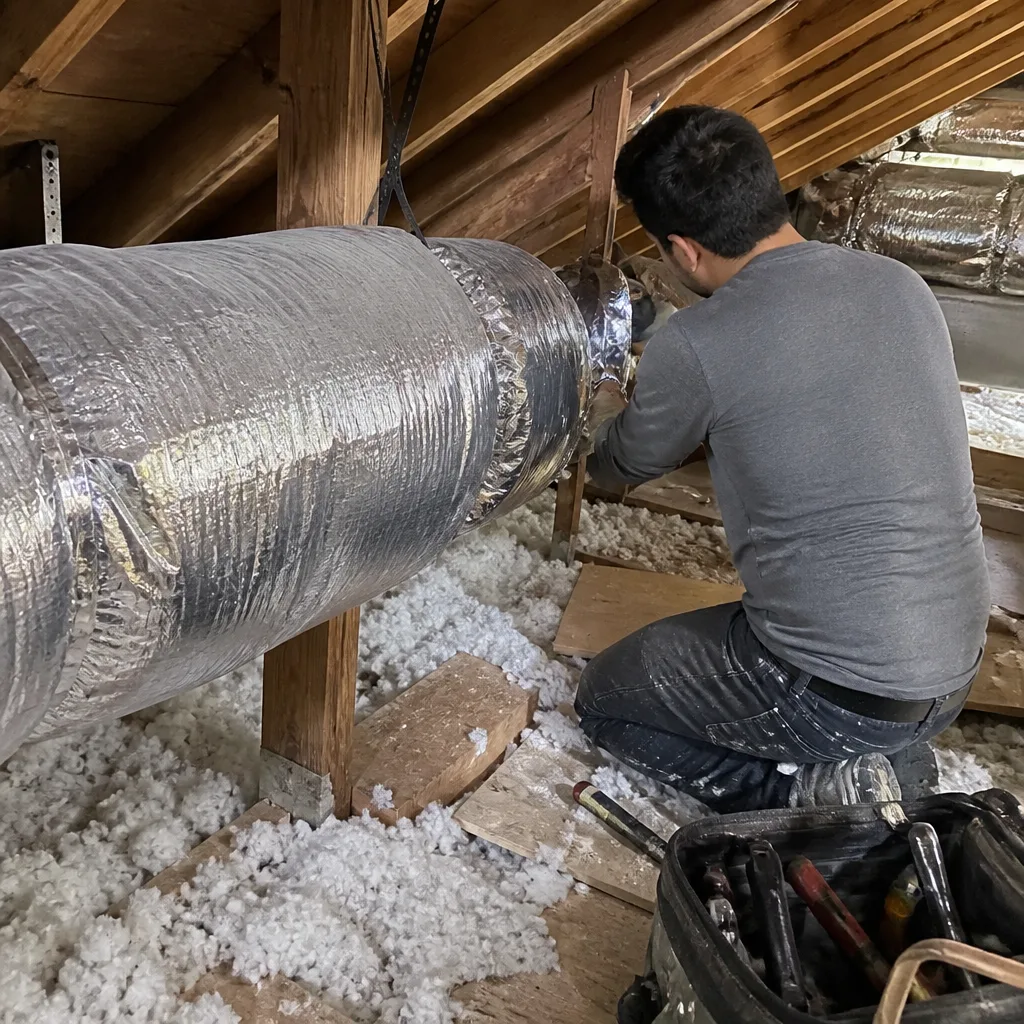 After
AfterReplacement Cost & What’s Included
Most Icynene-compatible radiant barrier replacements in Los Angeles run $2,400-$4,800 for a typical 1,200-2,200 square foot attic with 6/12 roof pitch. Steeper pitches above 8/12 add $400-$800 for safe access rigging. The range breaks down as follows:
- Perforated radiant barrier foil (ASTM C1313): $1.10-$1.60 per square foot installed
- Staple-up labor with proper tension and rafter clip spacing: $0.90-$1.40 per square foot
- Air sealing of top plates and penetrations (prerequisite, not optional): $400-$900
- Blower-door test before and after: included on every job
We do not quote radiant barrier alone. Under our Haven Standard, air sealing comes first - top plates, can light housings, plumbing and electrical penetrations - then the barrier goes in. Every customer receives a written scope, a written warranty, and a Documented Photo Record. Before-and-after blower-door numbers are published on every applicable job so you can verify the air-sealing result in a single figure.
DIY or Call Us?
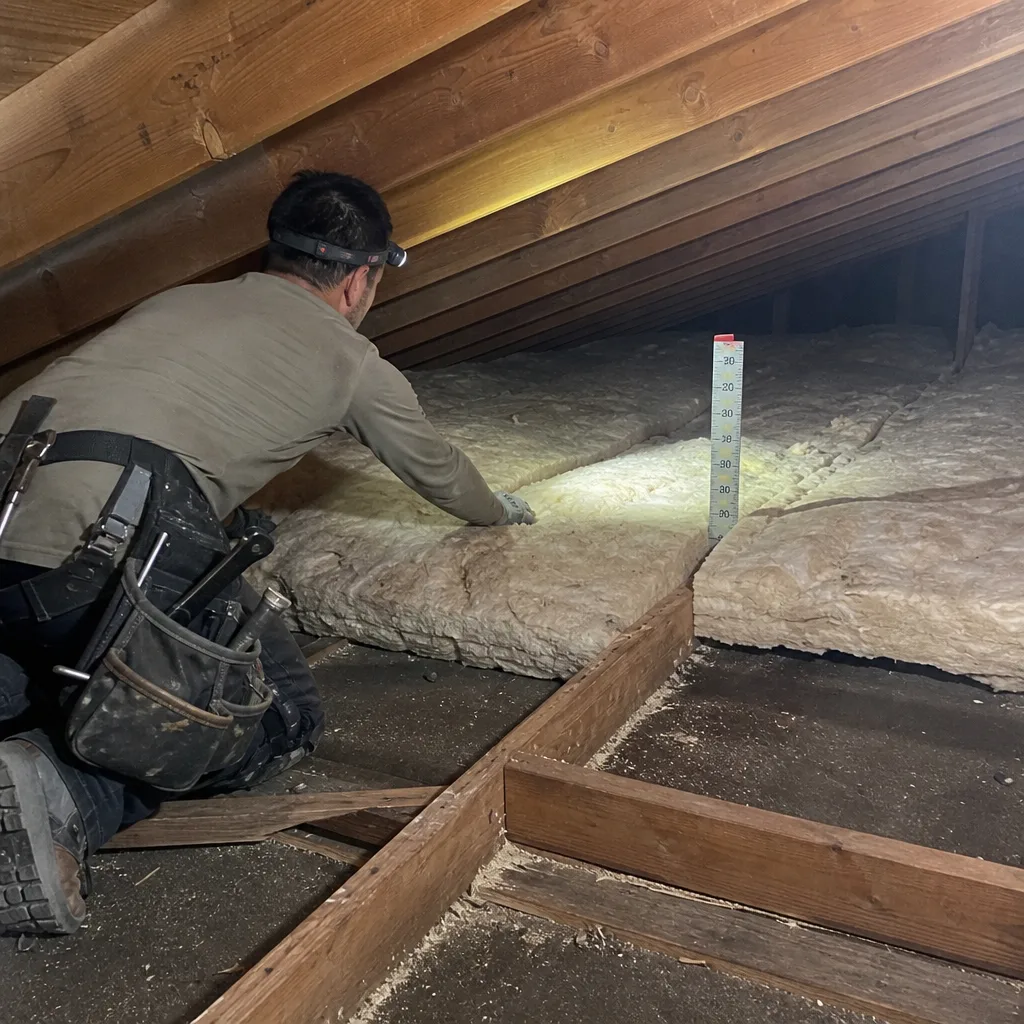
There is no high-tension danger in radiant barrier work, but there is a measurement problem. You can safely inspect your attic for torn foil or staple pull-out with a headlamp and gloves. What you cannot do from a hardware-store ladder is run a blower-door test to locate the air leaks that made your attic hot in the first place. We regularly find Los Angeles homeowners who stapled up new foil over unsealed top plates and bypassed soffit chases - they spent a Saturday and $400 in materials for a 5% improvement when 25% was available with proper sequencing. Seal the holes first. Then measure the R-value. In that order. Call (628) 226-1097 and we’ll read your situation with you, no charge.
FAQs
A properly installed perforated radiant barrier in Los Angeles typically lasts 15-25 years, though Santa Ana wind events and roof-deck temperatures above 160°F in unvented assemblies accelerate delamination. We warranty our installations for one year on workmanship and materials; the 365-Day Done Right Promise covers any installation defect beyond that if it was our error. Call (628) 226-1097 for an exact quote - estimates are free.
Small tears under two square feet can be patched with foil tape rated for high-temperature exposure, but widespread staple failure or sagging usually means the original installation lacked proper tension hardware. We assess this on every site visit and will tell you honestly if a patch is worth your money. Call (628) 226-1097 for an exact quote - estimates are free.
Most Los Angeles attic radiant barrier replacements take one day for crews of two, assuming air sealing is completed first. Steep pitches, limited attic hatch access, or active rodent damage can push a job into a second day. We give you a written schedule before anyone lifts a tool. Call (628) 226-1097 for an exact quote - estimates are free.
We stock perforated foil in 48-inch and 60-inch rolls, ASTM C1313-rated, on every Los Angeles service vehicle. For closed-cell Icynene assemblies requiring solid foil, we order to spec with a two-day lead time. We also carry Reflectix equivalents when the job suits aftermarket material. Call (628) 226-1097 for an exact quote - estimates are free.
Written by Wes Okafor, Owner & Lead Insulation Technician, Topside Attic Insulation Los Angeles at Topside Attic Insulation Los Angeles, serving Los Angeles and nearby areas.