
Icynene Crawl Space Encapsulation: The Los Angeles Owner’s Guide
We stock and install Icynene-compatible crawl space encapsulation systems for Los Angeles homes, with most complete jobs running between $3,800 and $7,200 depending on crawl square footage and existing moisture damage. Same-day service is available when we have your liner spec in stock, which we do for the MD-R-200 and LD-C-50 series most common to 1940s-1980s Los Angeles construction. Homeowners usually discover the failure after a rainy January week when musty air starts pushing up through floor registers, or when their smart thermostat notes humidity spikes in rooms over the crawl - the vapor barrier has torn at the seam or the Icynene closed-cell foam has pulled away from sill plates due to the clay-heavy soils in neighborhoods like Leimert Park and Baldwin Hills that shift seasonally.
Which Icynene Models This Applies To
Icynene’s crawl space line breaks into two families: the MD-R series, a medium-density closed-cell spray foam rated at 2.0 lbs/ft³, and the LD-C series, a lighter open-cell formulation at 0.5 lbs/ft³. The MD-R-200 and MD-R-210 are what we pull off truck stock for Los Angeles homes with vented crawl spaces built before 1990; the LD-C-50 and LD-C-100 appear in encapsulated, conditioned crawls common to post-2005 builds in Playa Vista and the Arts District. Check the data sheet left by your original installer - look for the Icynene batch stamp on the foam itself, usually visible at the rim joist, or the vapor barrier mil rating printed in the corner fold. OEM Icynene vapor barriers run 12-mil or 20-mil reinforced polyethylene; we also install Stego Wrap and Tu-Tuf as quality aftermarket equivalents when the original spec is discontinued. One compatibility gotcha: the MD-R-210 reformulated in 2019 for lower GWP blowing agents, and the new foam does not bond reliably to pre-2019 vapor barrier adhesives - we verify the production year before matching materials.
Signs Your Icynene Crawl Space Encapsulation Is Failing
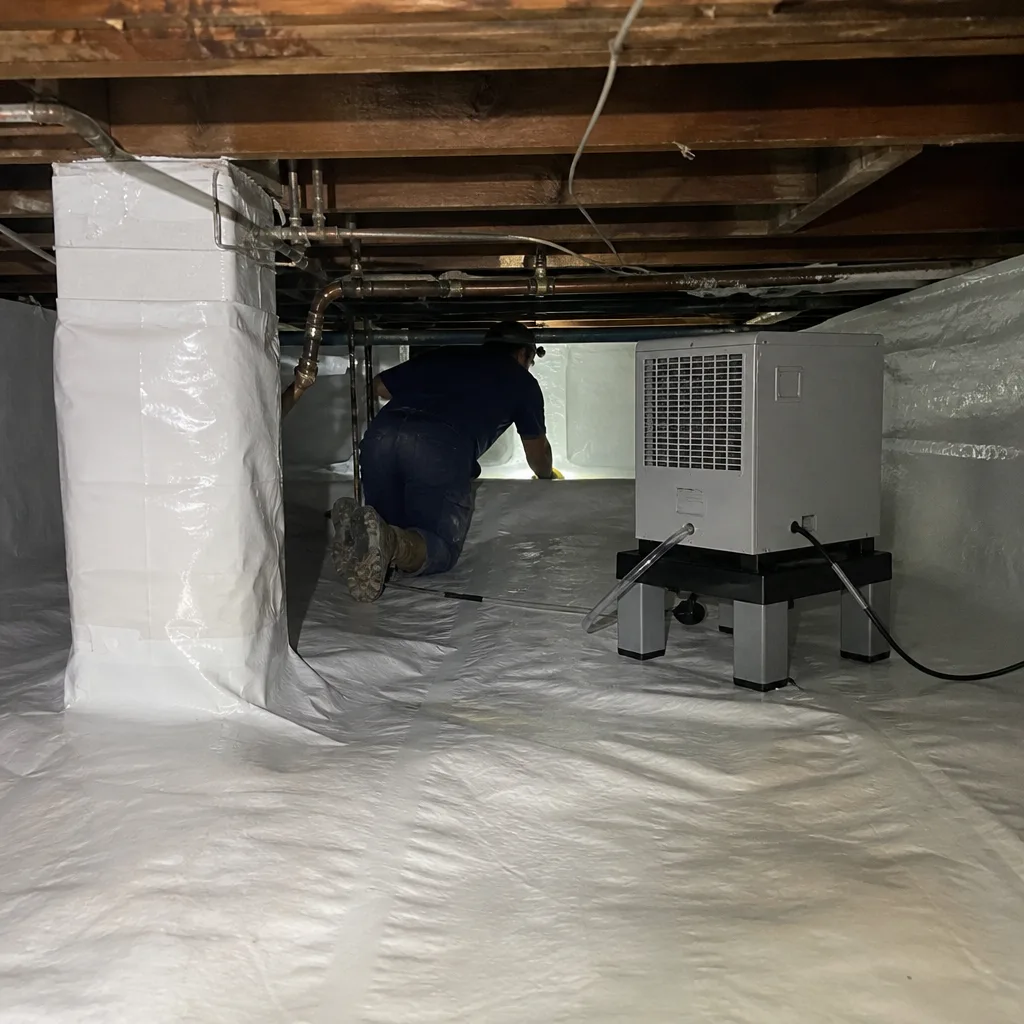
- Musty odor rising through floor gaps. The vapor barrier has torn at a seam or the Icynene foam has cracked at the sill plate, letting soil gas and moisture bypass the seal. In Los Angeles, this accelerates after winter rains when the clay soils in the Crenshaw corridor expand and contract against foundation walls.
- Floor insulation batting sagging or falling. Humidity above 70% in the crawl has saturated the fiberglass, and the weight pulls it from the subfloor. The Icynene air seal has failed somewhere upstream, usually at a plumbing penetration the original crew missed.
- Increased HVAC runtime with no thermostat change. Your conditioned air is leaking into the crawl through bypassed soffit chases or unsealed top plates - the envelope is working in reverse. We see this in Mid-Century ranch homes where the crawl and attic communicate through framed chases.
- White or gray powder on foam surfaces. This is efflorescence or, worse, fungal growth on the foam skin. Open-cell LD-C series is more susceptible in coastal Los Angeles zones where marine layer moisture lingers below grade.
- Visible gaps between foam and wood at rim joists. The Icynene has delaminated due to thermal cycling or inadequate substrate prep. Los Angeles earthquake country means chronic micro-movement; foam installed without proper primer on dusty sill plates lets go in 5-8 years instead of the 15-20 it should last.
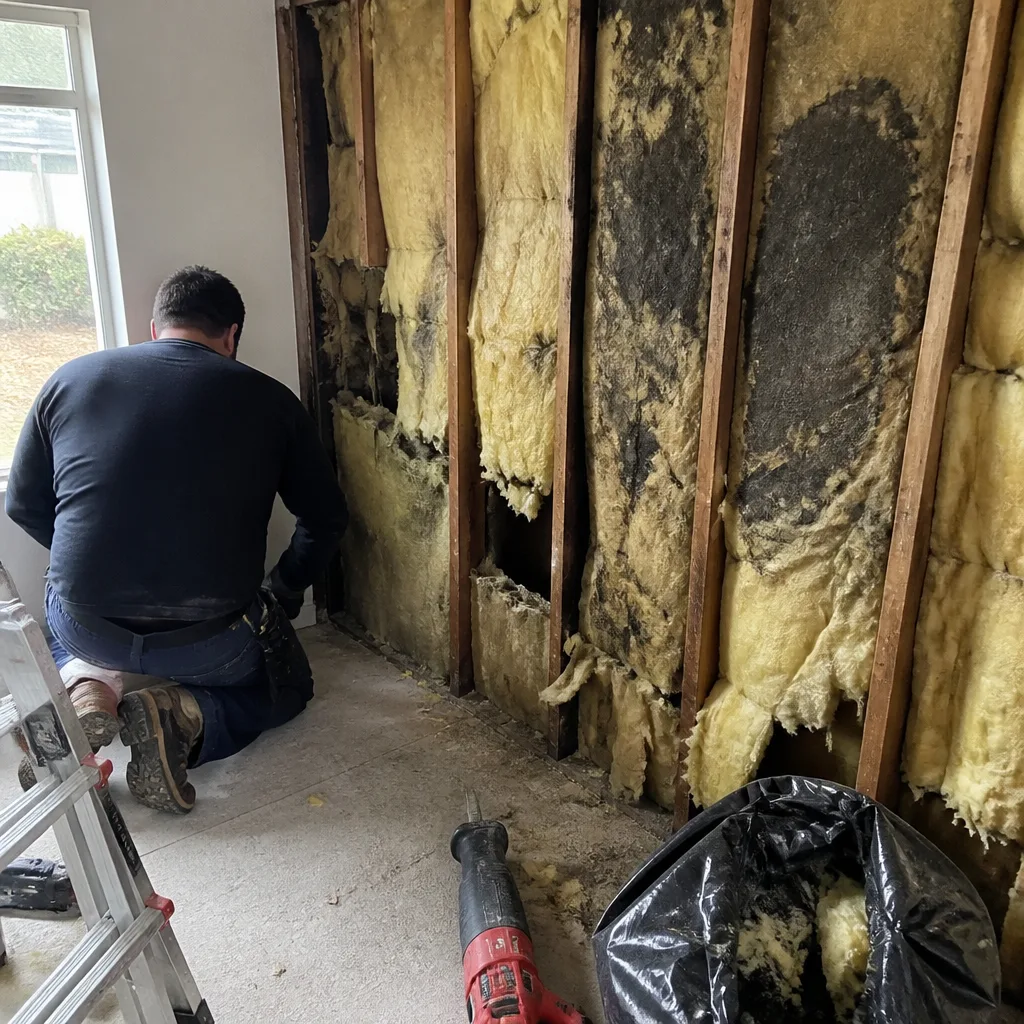 Before
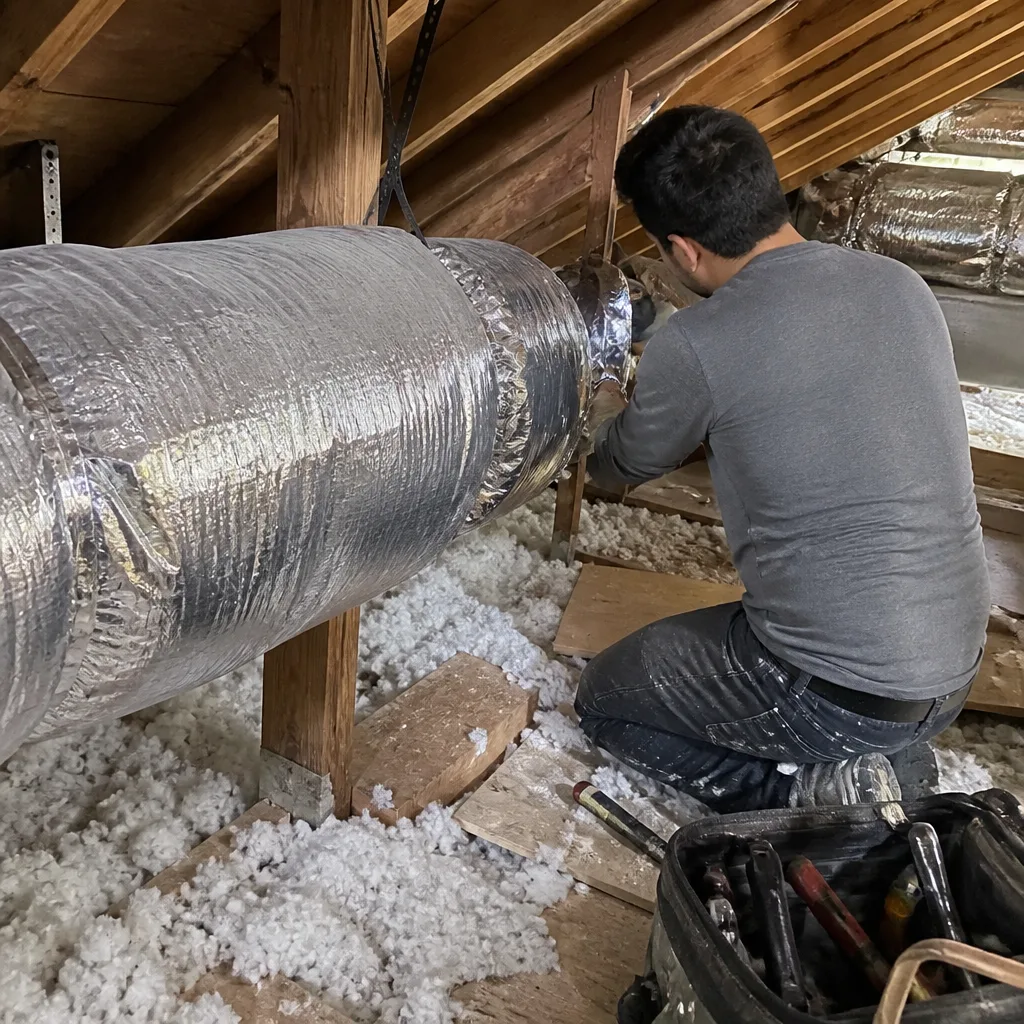 After
AfterReplacement Cost & What’s Included
Most Icynene crawl space encapsulation replacements in Los Angeles fall between $3,800 and $7,200 installed. A 600-square-foot crawl with intact but failed vapor barrier and localized foam repair runs toward the lower end; a 1,200-square-foot space with full foam removal, new 20-mil barrier, dehumidifier rough-in, and rim-joist re-spray pushes higher. What drives the range: crawl height (anything under 18 inches adds labor), existing moisture damage to framing, and whether we need to install a permanent dehumidifier to hold below 60% relative humidity. Our price includes the Icynene or matched-equivalent material, mechanical fastening at seams, closed-cell spray at all penetrations, and a post-job blower-door test - a pressurization reading that shows, in one number, whether the crawl is still communicating with the house above. Under Haven Standard Clause 1, you get the written price before any work starts, a written scope, and a written warranty. The 365-Day Done Right Promise covers labor and material defects. We also stock Reflectix radiant barrier products for crawl ceiling applications when the homeowner wants to add that layer.
DIY or Call Us?
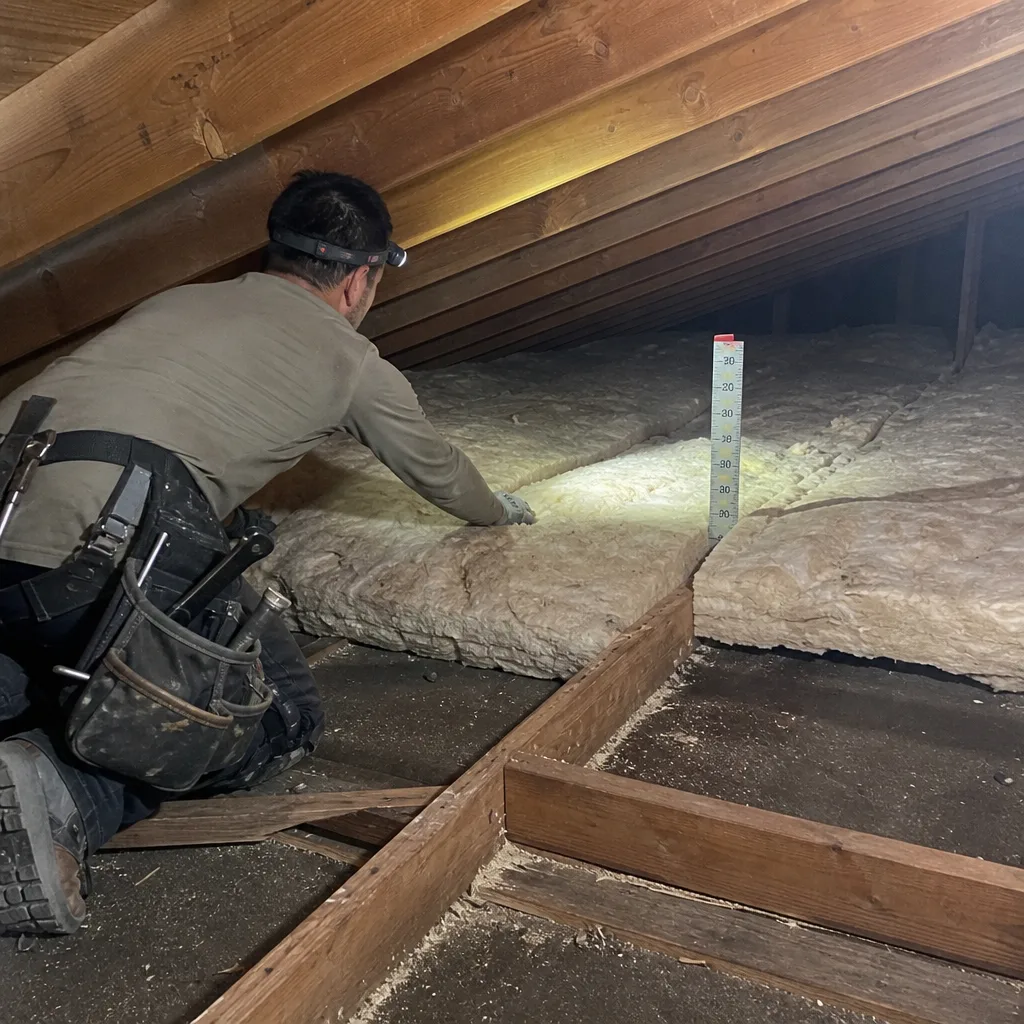
Here’s what you can safely check yourself: walk the crawl perimeter with a flashlight and note any barrier tears, foam gaps, or standing water. Photograph the Icynene batch stamp if you can find it. Do not attempt to repair spray foam yourself - the two-part closed-cell chemicals require full-face respirators, forced ventilation, and precise substrate temperature control. The isocyanate component is a sensitizer; improper exposure can trigger permanent asthma. Vapor barrier seam tape seems simple, but without proper surface prep and mechanical fastening, you’ll trap moisture behind a false seal that rots sill plates faster than leaving it open. We carry the full Icynene-compatible material set on our trucks, and we run the blower-door test to prove the fix worked. Call (628) 226-1097 to schedule - estimates are free, and we bring a written price to the visit.
FAQs
Properly installed Icynene closed-cell foam in a crawl space should last 15 to 20 years, but in Los Angeles we see premature failure at 5 to 8 years when the original crew skipped primer on dusty sill plates or used open-cell foam below grade. Coastal moisture and clay soil movement are the main accelerants. Call (628) 226-1097 for an inspection - estimates are free.
Localized tears in a 20-mil barrier can be patched if the surrounding material is still supple and the seam is accessible. If the barrier has become brittle, has widespread seam failure, or if the foam underneath has delaminated, partial or full replacement is the only fix that holds. We assess this on every visit and tell you which side of the line you’re on. Call (628) 226-1097 for a free evaluation.
A typical 800-square-foot crawl with full vapor barrier and rim-joist foam replacement takes our crew one to two days, including the blower-door test and cleanup. Tight crawls under 18 inches, or jobs requiring foam removal, add a day. We stock MD-R-200 and LD-C-50 materials on our Los Angeles trucks for same-day starts when the scope permits.
We stock Icynene-compatible 12-mil and 20-mil vapor barriers, closed-cell spray foam sets for the MD-R and LD-C series, and seam tapes and fasteners on every Los Angeles truck. Specialty mil ratings or discontinued Icynene formulations may require a two-day order. We confirm material availability when you call (628) 226-1097 so there are no surprises on arrival day.
Topside Attic Insulation Los Angeles is an independent service provider, not affiliated with Icynene. We source Icynene and equivalent materials from our supplier network to match your existing system.
Seal the holes first. Then measure the R-value. In that order.
Written by Wes Okafor, Owner & Lead Insulation Technician, Topside Attic Insulation Los Angeles at Topside Attic Insulation Los Angeles, serving Los Angeles and nearby areas.