
How Much Does Attic Cleaning & Rodent Proofing Cost in Los Angeles?
Attic Cleaning & Rodent Proofing in Los Angeles typically costs between $1,200 and $4,800 for a standard single-family home, with most jobs landing in the $1,800-$3,200 range once old insulation removal, sanitizing, exclusion work, and fresh insulation are factored in together. Homes with active or recent rodent activity, blown-in insulation that needs full removal, or difficult access points - common in older bungalows in Silver Lake, Highland Park, and the hillside neighborhoods of Eagle Rock - tend to sit at the higher end. A written price before any work starts is the only way to know your exact number; if a contractor quotes you verbally and then adjusts on site, that’s a red flag worth acting on.
Attic Cleaning & Rodent Proofing Cost Breakdown (2026)
Most attic cleaning projects in Los Angeles involve several distinct scopes that are priced separately and then combined into a single written estimate. Below is what each component typically costs in the current LA market:
| Service Component | Typical Cost Range (LA, 2026) | Notes |
|---|---|---|
| Attic inspection and assessment | $0-$150 | Many reputable contractors include this in the estimate; standalone inspections are rare |
| Old or contaminated insulation removal (vacuumed out) | $800-$2,200 | Blown-in fiberglass or cellulose costs more to remove than batts; attic depth and square footage drive this number |
| Attic sanitizing and deodorizing | $250-$600 | Enzyme-based treatments for rodent urine and feces; critical before new insulation goes in |
| Rodent proofing / exclusion (sealing entry points) | $400-$1,200 | Hardware cloth, foam, and metal flashing at roof vents, eaves, and pipe penetrations; older craftsman homes often need more points sealed |
| Attic air sealing (top plates, can lights, penetrations) | $300-$900 | Done before new insulation is installed - not an optional upsell; skipping this step means new insulation underperforms |
| New blown-in insulation (post-cleaning) | $900-$2,400 | Depends on attic square footage and target R-value; Title 24 in California requires R-38 minimum in most Los Angeles climate zones |
| Full project (removal + sanitizing + exclusion + air sealing + new insulation) | $1,800-$4,800 | Most complete scope for a 1,200-2,000 sq ft LA home; larger homes or heavy infestations push higher |
A few things move these numbers up or down in Los Angeles specifically. Homes in the hillside communities of Los Feliz, Mount Washington, and Glassell Park often have irregular attic framing from additions or remodels done without permits, which adds time to both the removal and exclusion phases. Homes in the San Fernando Valley built in the 1950s and 1960s frequently have original blown-in rock wool that’s denser and heavier than modern fiberglass, making vacuum removal slower and therefore more expensive. On the lower end, a newer home in Playa Vista or Culver City with limited rodent activity, easy attic access, and fiberglass batts that can be removed in rolls might come in under $1,500 for cleaning and exclusion alone without a full insulation replacement.
One cost item that’s worth understanding before you get quotes: attic air sealing. It means physically closing the gaps at top plates (the framing members where your walls meet the attic floor), around recessed can lights, and at every pipe and wire penetration before any insulation is added. At Envelope Insulation Co., operating as Topside Attic Insulation Los Angeles, air sealing is treated as a hard prerequisite – not an optional line item you can decline to save money. Insulation placed over an unsealed attic floor still loses conditioned air through every gap underneath it; the R-value rating on the bag becomes partly theoretical. The before-and-after blower-door numbers we document on every applicable job show this difference in a single figure: the CFM50 reading before sealing versus after. Most customers see that number cut by 30-60% when sealing is done properly before insulation goes in.
What Affects Attic Cleaning & Rodent Proofing Pricing in Los Angeles
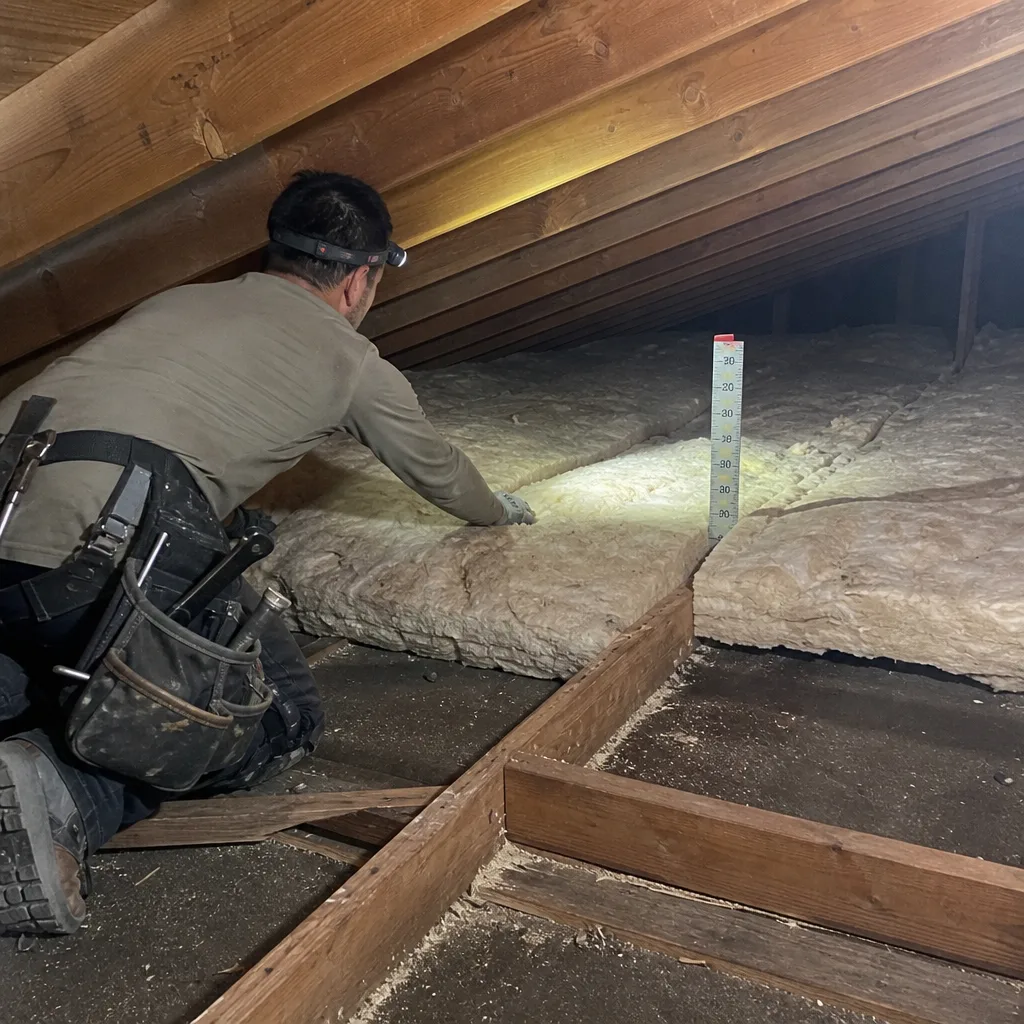
- Attic square footage and accessibility. A 900 sq ft attic with a standard 22×30 inch hatch is straightforward to work in. A 2,400 sq ft attic in a Hancock Park estate with low clearance at the eaves, multiple HVAC runs crossing the floor, and only one access point takes significantly longer to clear, sanitize, and re-insulate. Labor accounts for 50-65% of most attic cleaning bids in Los Angeles, so access difficulty directly affects cost.
- Severity of rodent activity. Light activity – a handful of nesting sites, limited droppings, and a few obvious entry points – is on the low end. Heavy infestations, especially ones involving roof rats (the dominant species in Los Angeles, distinct from the Norway rat more common in Northern California), can mean saturated insulation throughout the attic floor, compromised HVAC ducts, and extensive exclusion work across a dozen or more entry points. Roof rats typically enter through the roofline rather than the foundation, which means inspectors need to check soffit vents, ridge vents, gaps at the fascia board, and any tree branches making contact with the roof structure.
- Type and depth of existing insulation. Loose-fill insulation (blown-in cellulose or fiberglass) must be vacuumed out with commercial-grade equipment and bagged for disposal. Fiberglass batts can sometimes be removed in manageable sections. Original rock wool, found in many LA homes built before 1970, is heavier, denser, and in some cases contains trace asbestos – any insulation that appears gray-brown and fibrous in a pre-1978 home should be tested before removal, which adds an environmental assessment cost ($100-$350) and potentially asbestos abatement protocols ($500-$2,000+).
- Number of exclusion points needed. A typical Los Angeles craftsman bungalow in neighborhoods like Leimert Park or Jefferson Park can have 20-40 potential rodent entry points: soffit gaps, deteriorated roof vents, plumbing stack penetrations, and gaps where electrical conduit enters the attic. Every point needs to be properly sealed with hardware cloth, galvanized metal, or expanding foam rated for pest exclusion. More points means more material and more labor, and skipping even one active entry point means the infestation returns.
- HVAC duct condition. Roof rats are notorious for chewing through flexible duct runs, especially in attics that stayed warm through LA’s increasingly long heat seasons. If ducts are compromised, they need to be repaired or replaced before new insulation goes in. Duct repair is typically quoted separately and runs $150-$600 per section depending on accessibility and the extent of damage.
- Permit requirements. Los Angeles County and the City of Los Angeles do not generally require permits for insulation replacement or exclusion work in an existing home, but work involving structural framing repair, electrical, or certain mechanical work tied to the attic may trigger permit requirements. A contractor who pulls the right permits when they’re needed is protecting you from complications at resale; one who never mentions permits on a scope that touches framing or electrical deserves a follow-up question.
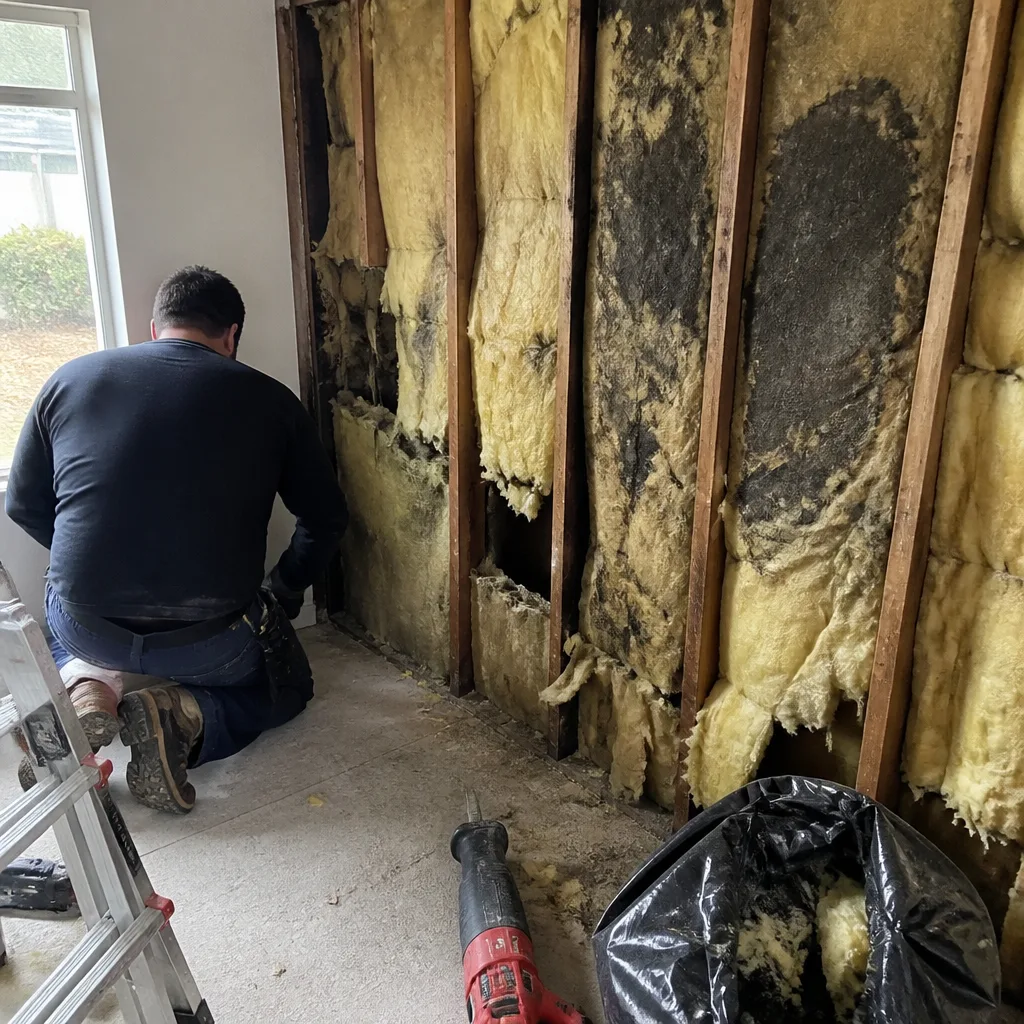 Before
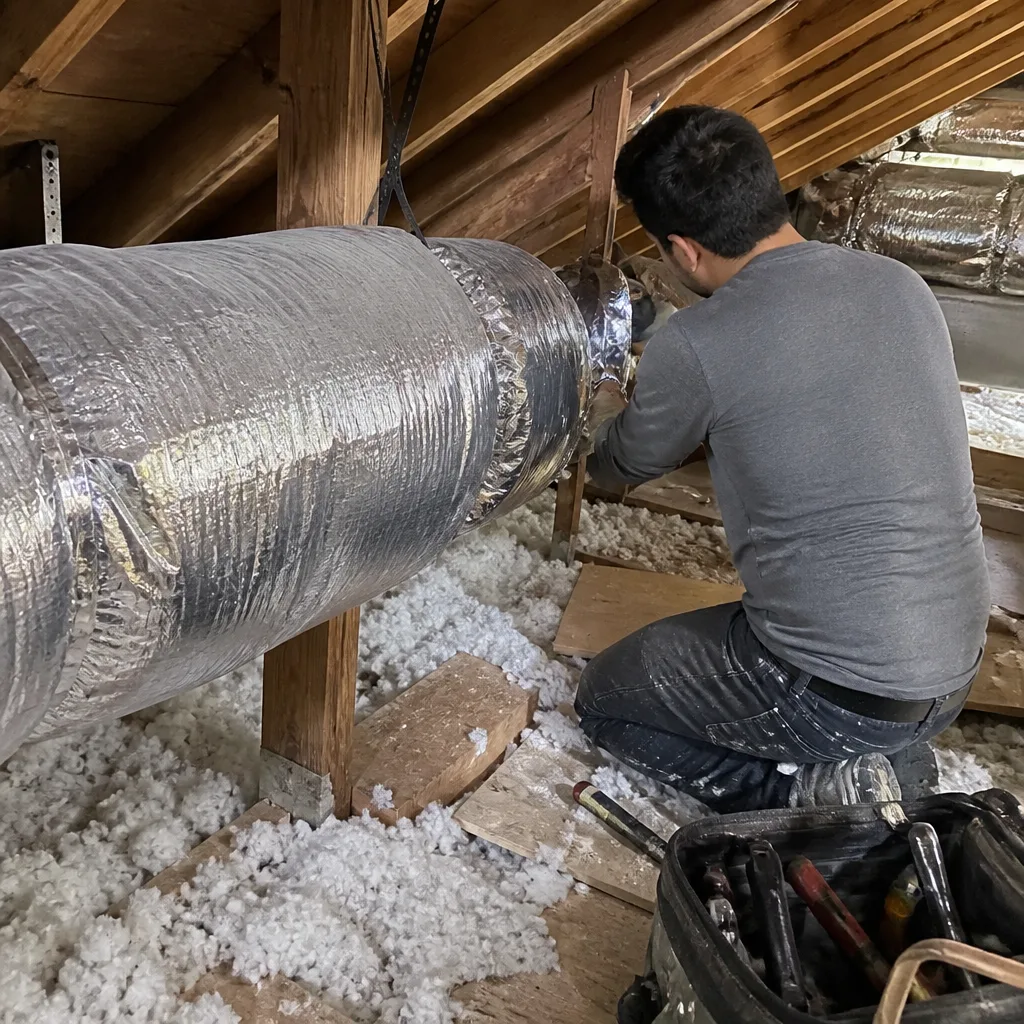 After
AfterHow to Save on Attic Cleaning & Rodent Proofing in Los Angeles
The single most effective way to control cost on an attic cleaning and rodent proofing project in Los Angeles is to get a written, itemized estimate before any work starts – not a verbal ballpark, a written price with a scope that names each component and what it covers. Under the Haven Standard that governs how we operate, this is called Clause 1: written price, written scope, written warranty before anyone lifts a tool. It’s the baseline; every job starts that way. When you have a written estimate, you can compare it line by line against a second quote rather than comparing two vague numbers.
A few other ways Los Angeles homeowners can reduce the final cost without cutting corners on the work itself:
- Bundle the full scope into a single project. Contractors – including us – can price a combined removal, sanitizing, exclusion, air sealing, and re-insulation scope more efficiently than four separate visits scheduled weeks apart. Each mobilization adds cost; doing it in one project removes that overhead.
- Act before the infestation spreads. In Los Angeles, roof rat populations tend to spike in late fall when outdoor food sources thin out and rats move into structures for shelter. Catching activity early – one or two entry points, limited insulation contamination – consistently costs less than addressing an established colony that’s been active for months. If you’re hearing scratching in the ceiling at night, that’s worth a same-week inspection, not a note to call someone in January.
- Ask about California energy rebates. The California Energy Commission and Southern California Edison’s residential programs have historically offered rebates for insulation upgrades that meet Title 24 standards. These programs change year to year, and eligibility depends on current R-value and home vintage, but a homeowner in a pre-1980 Los Angeles home replacing original insulation with R-38 blown-in can sometimes offset $200-$500 of the project cost through utility rebate programs. Ask your contractor if they document the installed R-value in a way that supports a rebate application – we include that in the Documented Photo Record on every job.
- Use the free second opinion on any written estimate. If you’ve received a written quote from another contractor and it feels high or the scope seems incomplete, bring it in. We’ll read it with you line by line – what’s included, what’s not, and whether the exclusion scope actually addresses all the likely entry points for a home of that age and type in Los Angeles. This isn’t a sales call; it’s a professional read on whether the estimate you have reflects the actual work.
- Don’t skip the air sealing to save money. It’s counterintuitive to list this under “how to save,” but attic insulation installed without prior air sealing performs below its rated R-value, meaning you pay for new insulation and still see elevated energy bills. The air sealing investment – $300-$900 in most LA homes – pays back through lower cooling costs faster than almost any other component of the project.
To get a written price for your Los Angeles home, call (628) 226-1097. Estimates are free, and you’ll receive a written scope and written price before any commitment is asked of you.
Los Angeles Neighborhoods Where We See the Highest Attic Cleaning Costs (and Why)
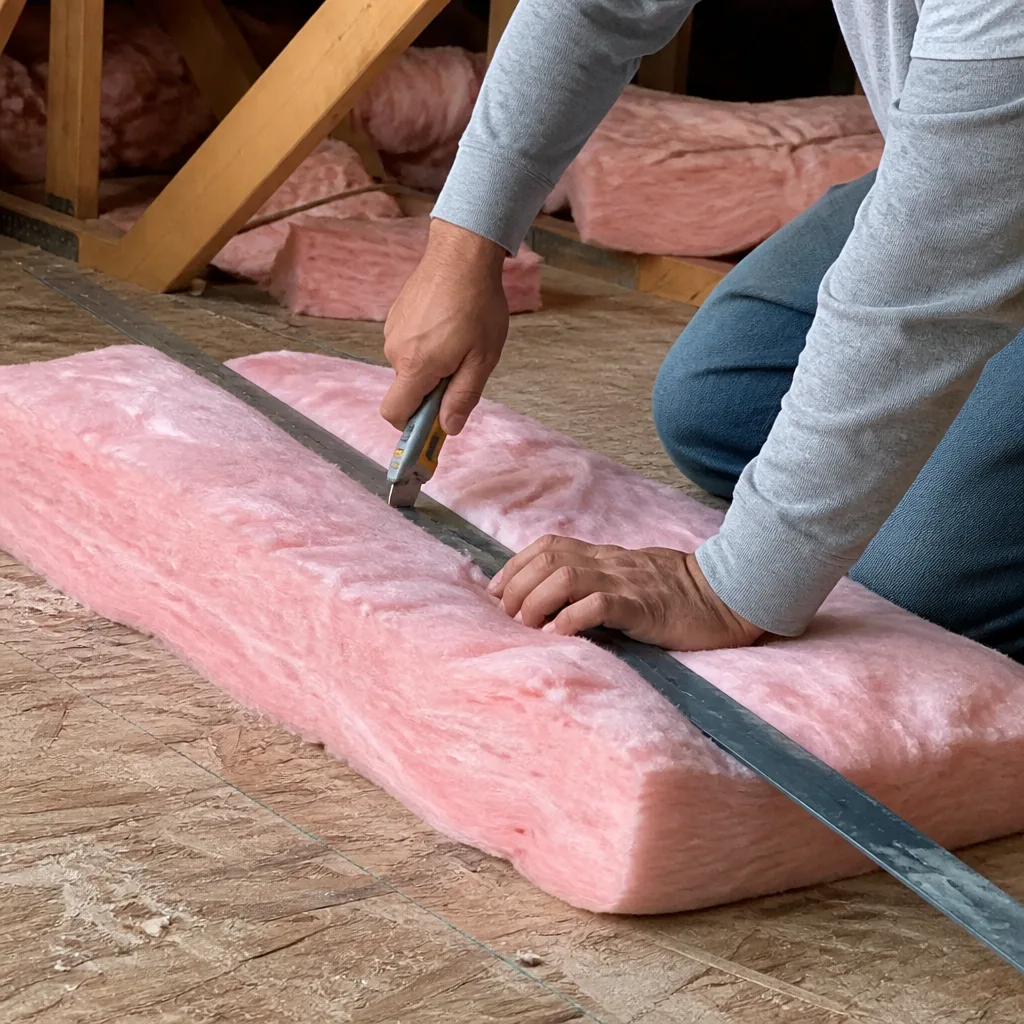
Not every Los Angeles neighborhood presents the same attic conditions, and understanding why certain areas run higher can help you contextualize a quote that comes in above the midpoint.
The hillside communities – Mount Washington, Glassell Park, Eagle Rock, Silver Lake, and Los Feliz – consistently produce the most complex attic cleaning projects we handle. Homes in these areas were often built between 1910 and 1945, added onto organically over decades, and sit on irregular lots that affect how the roofline was framed. Access is frequently difficult: a single small hatch, low eave clearance, and multiple framing bays that need to be addressed individually. Roof rat activity is heavy because mature tree canopies throughout these neighborhoods provide direct roofline access. We regularly find 25-40 active or historical entry points on a hillside craftsman, and proper exclusion means addressing every one of them.
The San Fernando Valley – particularly older residential sections of Van Nuys, North Hollywood, Reseda, and Canoga Park – tends to produce high removal costs because of the volume of original blown-in insulation. A 1960s ranch house in Van Nuys with 2,400 sq ft of attic space and 8 inches of original fiberglass or rock wool can take a full day of vacuum work to clear. The Valley’s extreme summer heat (attic temperatures routinely exceed 150°F in July and August) also degrades older insulation faster, so the material that comes out is often dustier, more friable, and more contaminated than the same material in a coastal neighborhood.
Mid-City, West Adams, and Jefferson Park homes – many of them historic craftsman and Spanish colonial revival bungalows built in the 1920s and 1930s – frequently show signs of multiple rodent infestations layered over decades. Older exclusion attempts using deteriorated caulk or rotted wood blocking have long since failed. Re-doing the exclusion properly on a home like this means removing old failed material and replacing it with hardware cloth and galvanized metal that won’t corrode or compress over time.
By contrast, post-1990 construction in areas like Playa Vista, West Covina, and parts of the South Bay tends to produce cleaner, lower-cost attic cleaning projects: better original construction, fewer accumulated entry points, and accessible hatches built to modern dimensions.
What the Attic Cleaning & Rodent Proofing Process Looks Like
Understanding what you’re paying for – step by step – makes it easier to evaluate whether a quote is complete or missing something.
The process at Topside Attic Insulation Los Angeles follows the same sequence on every job. The inspection comes first: a technician photographs the existing conditions, maps entry points, notes insulation type and depth, and documents any duct damage or compromised framing. You receive a written price and written scope from this visit before any work is scheduled.
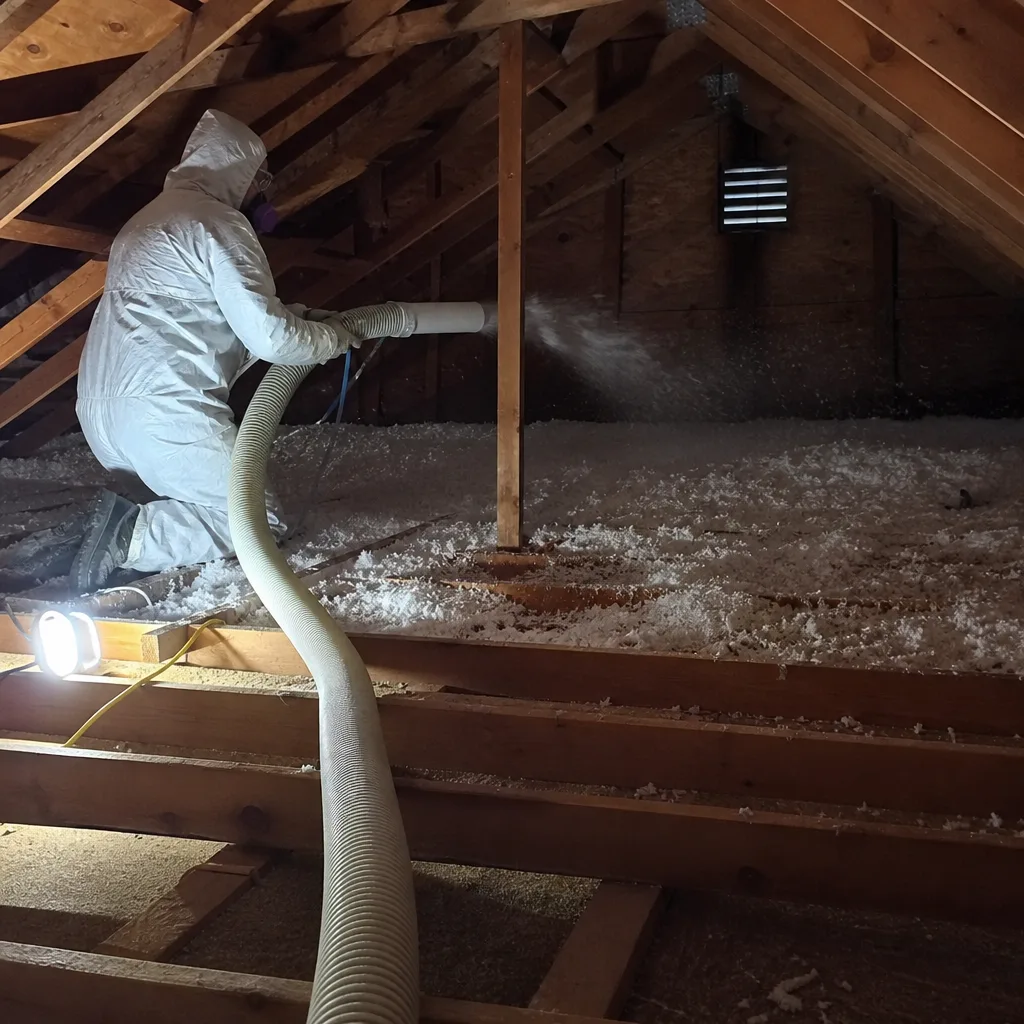
Old contaminated insulation is vacuumed out using HEPA-filtered commercial equipment and bagged for proper disposal – not raked into a pile and covered over, which some lower-cost competitors do. Once the attic floor is clear, the sanitizing treatment goes in: an enzyme-based spray that breaks down rodent urine proteins and eliminates the pheromone trails that attract new rodents to the same entry paths. This step matters more than most homeowners realize. Rodents navigate partly by scent; untreated trails can guide a new animal through a freshly sealed entry point the moment an exclusion point fails or was missed.
Exclusion work follows sanitizing. Every identified entry point is sealed with the appropriate material: hardware cloth for open vent penetrations, galvanized metal flashing for gap closures at the fascia and soffit, foam backer rod plus sealant for pipe penetrations. We photograph every sealed point as part of the Documented Photo Record, so there’s a timestamped record of the work – not just a verbal assurance that “everything was sealed.”
After exclusion, attic air sealing is completed at the top plates, recessed light fixtures, and every wire and pipe penetration through the attic floor. This is the step that most attic cleaning contractors skip entirely, either because they don’t offer insulation services or because air sealing adds time to the job. On applicable jobs, we take a blower-door reading before and after the sealing work so the change is documented in a single CFM50 number rather than described in qualitative terms. For a homeowner in Los Angeles who has been paying to cool a house that was losing conditioned air through an unsealed attic floor, that number is concrete evidence of what the sealing actually accomplished.
New insulation is then blown in to California Title 24’s required R-38 minimum for most Los Angeles climate zones, or higher if the homeowner is targeting maximum performance. The installed depth is documented photographically and noted in the written closeout record.
You walk away from the job with a Documented Photo Record covering conditions found, exclusion points sealed, and insulation installed – and on applicable jobs, the before-and-after blower-door readings. This is what “leaving” looks like when work is done under the Haven Standard. Not a verbal summary. A record.
How Topside Attic Insulation Los Angeles Prices This Work
We work under Envelope Insulation Co.’s Haven Standard, which means the pricing process follows a specific structure. A technician inspects the attic, documents what’s there, and produces a flat written price covering a written scope before any commitment is made. The price doesn’t change based on what the technician finds mid-project unless the homeowner and technician agree in writing to expand the scope. “We found more than expected” is not an acceptable reason to hand someone a larger invoice than the number they approved before the job started.
Wes Okafor leads the team, and the operating standard he built this around is simple: a homeowner in Los Angeles who calls us for an attic cleaning quote should know their exact number before a crew shows up – not after. The 365-Day Done Right Promise applies to every completed project: if something isn’t right, we make it right, with the written warranty delivered before work starts as the reference document.
For homeowners who’ve received a written estimate from another contractor and want a professional read on whether the scope is complete, we offer a free second opinion. You bring the estimate; we’ll read it with you and tell you what it includes, what it may be missing, and how it compares to what the job actually requires on a home of that type in Los Angeles.
Learn more about how this service works from end to end by visiting the full Attic Cleaning & Rodent Proofing in Los Angeles page, or browse our full building-envelope service line on the home page.
FAQs: Attic Cleaning & Rodent Proofing Cost in Los Angeles
How much does attic cleaning cost in Los Angeles in 2026?
Attic cleaning in Los Angeles runs $800-$2,800 for the cleaning and sanitizing components alone, depending on attic size, insulation type, and the severity of rodent contamination. When you add rodent proofing (exclusion work at entry points), the combined scope typically falls between $1,200 and $3,400. A full project that includes old insulation removal, sanitizing, exclusion, air sealing, and new blown-in insulation runs $1,800-$4,800 for most single-family homes in Los Angeles. Call (628) 226-1097 for a written, itemized price specific to your home – estimates are free.
Is it cheaper to do attic cleaning and rodent proofing at the same time?
Yes, consistently. Bundling removal, sanitizing, exclusion, and re-insulation into a single project saves the cost of multiple mobilizations – typically $150-$400 per additional visit depending on crew size and travel. More importantly, the work is done in the right sequence: insulation out, attic sanitized, entry points sealed, air sealing completed, new insulation in. Separating these into separate visits – common when you hire a pest control company for exclusion and an insulation contractor separately – risks having insulation installed before exclusion is confirmed complete, or exclusion done before sanitizing removes the scent trails that guide new rodents to the same points. Call (628) 226-1097 to get a single written scope covering all components.
Does homeowner’s insurance cover attic cleaning and rodent proofing in Los Angeles?
Rodent damage coverage varies by policy. In most standard homeowner’s policies in California, damage from rodents is classified as a maintenance issue and is excluded from coverage. Some policies cover sudden and accidental damage to personal property caused by a rodent intrusion, but rarely the remediation and exclusion work. A small number of policies – often HO-5 or open-peril policies on higher-value homes – cover more broadly, but you’ll need to read your specific declarations page or call your agent. We can provide a written scope and itemized estimate that documents the damage found, which is typically what an insurance adjuster requests if you’re filing a claim. Call (628) 226-1097 and ask about documentation format when you schedule your estimate.
How do I know if my Los Angeles attic has rats or mice – and does it change the cost?
In Los Angeles, roof rats (Rattus rattus) are by far the more common species in residential attics – they enter from the roofline, travel along the tops of walls, and nest in insulation using shredded material. House mice are smaller and enter through foundation gaps and lower wall penetrations as well as the roofline. The distinction affects exclusion strategy more than cost: roof rat exclusion focuses on the upper envelope (soffit vents, ridge vents, fascia gaps, pipe penetrations at the roofline), while mice may also require sealing at the foundation and lower wall penetrations. A thorough inspection maps all active and historical entry points regardless of species. In our experience across Los Angeles, roof rat activity accounts for the majority of attic contamination cases, especially in the hillside neighborhoods and areas with mature tree canopy. The presence of both species on the same property – not common but not rare in older neighborhoods – does push exclusion costs higher because both entry zones need to be addressed. Call (628) 226-1097; the inspection will clarify what’s active before any price is set.
Can I just replace the insulation without cleaning the attic first?
Technically a crew can blow insulation over contaminated material, but doing so creates compounding problems. Rodent urine and feces trapped under new insulation continue to produce odor and, more practically, continue to emit pheromone trails that attract new rodents to the same entry points even after those points are sealed. Enzyme sanitizing treatment needs direct contact with contaminated surfaces to be effective; it can’t penetrate a foot of new blown-in insulation to reach soiled old material underneath. At Topside Attic Insulation Los Angeles, we won’t install new insulation over an attic floor that hasn’t been cleaned and sanitized – not because it’s an upsell, but because doing so would mean the new insulation underperforms and the rodent problem is likely to return. The written scope you receive will always list these steps in the correct sequence. Call (628) 226-1097 to get the full scope and a written price before any commitment is made.
Written by Wes Okafor, Owner at Topside Attic Insulation Los Angeles, serving Los Angeles, CA since 2016.
Pricing reflects the Los Angeles market as of 2026. Topside Attic Insulation Los Angeles offers free estimates – call (628) 226-1097.
What Our Customers Say
"Crawl space encapsulation done properly. Photographs of the vapour barrier at every seam, and the damp smell in the hallway is gone."
- Ainsley P."Two other companies quoted to blow more insulation on top of what was there. These were the only ones who said the existing material had to come out first, and explained why."
- Clifford E."Turned up on time, protected the hallway, and the written scope matched what was actually done."
- Bruno S.