
Last updated September 22, 2026
DIY vs Professional Insulation: The Los Angeles Homeowner’s Decision Guide
A homeowner who installs R-30 batts in their own attic in Los Angeles has performed legal work. But if that project triggered Title 24 alteration requirements, the CF2R installation certificate must be signed by a licensed C-2 contractor. There is no self-certification path. The permit closes without it, and unclosed permits appear in title searches years later when the home sells. This guide maps the exact legal boundary between what you can self-perform, what requires a licensed contractor, and what additionally demands HERS rater verification - three thresholds that are routinely conflated in online advice written for other states.
Quick Answer
DIY insulation in Los Angeles is legally possible for simple additions to already-permitted attics and detached ADUs under 750 square feet without HVAC. For any project that triggers Title 24 alterations compliance - which includes most attic insulation upgrades that involve removal, replacement, or changes to the thermal envelope - a C-2 licensed contractor must sign the CF2R certificate, and many projects also require HERS rater verification that a homeowner cannot self-perform. The real cost difference between DIY and professional work is smaller than it appears once rental equipment, material waste from miscalculation, and the value of documented compliance are factored in - for a detailed breakdown, see our Insulation Cost Breakdown: The Los Angeles Homeowner’s Reference for 2026.
Table of Contents
- The Exact Legal Boundary: What You Can and Cannot Self-Perform in California
- The True DIY Cost Case: Equipment, Materials, and Realistic Time
- What DIY Installers Underestimate in Los Angeles Attics
- Two Scenarios Where DIY Is Genuinely Appropriate
- The Documentation You Should Create Regardless of Permit Status
- What a Professional Job Actually Delivers
- Common Mistakes to Avoid
- When to Call a Professional
- Frequently Asked Questions
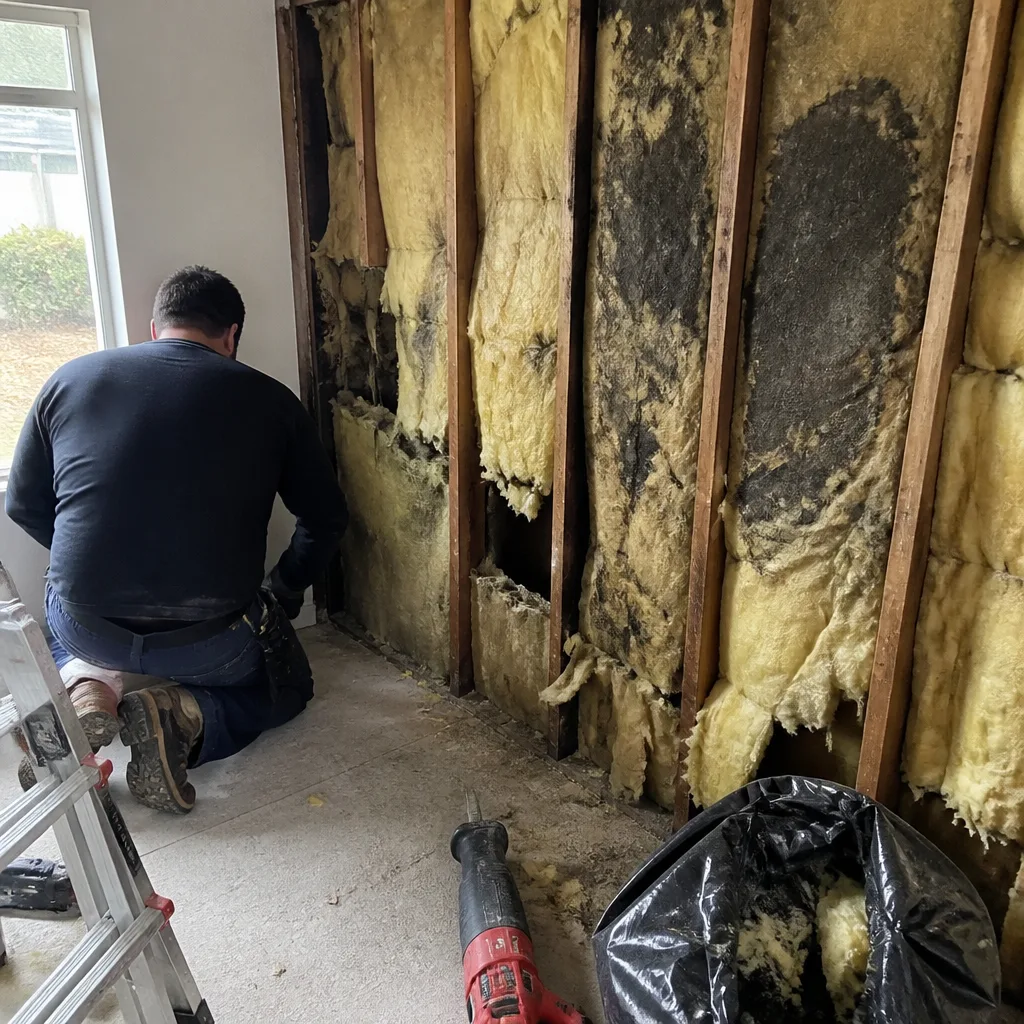 Before
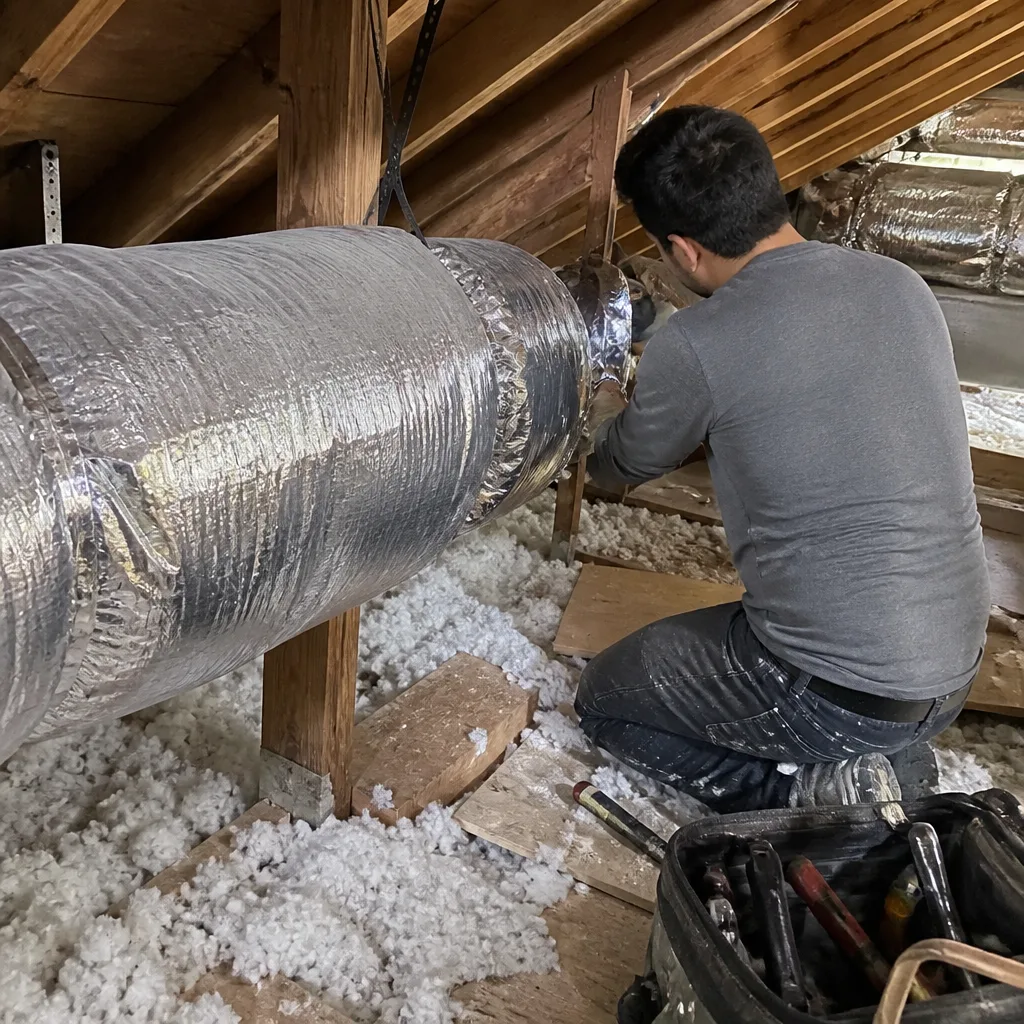 After
AfterThe Exact Legal Boundary: What You Can and Cannot Self-Perform in California
California’s owner-builder exemption allows homeowners to act as their own contractor on residential projects, but this does not override the certification requirements embedded in Title 24, Part 6 - the state’s energy code. The confusion stems from conflating three separate thresholds: what you can physically do, what you can permit, and what you can legally certify.
Threshold One: Physical Work
You can purchase insulation, carry it into your attic, and install it. No law prevents this. Owens Corning, Johns Manville, and GreenFiber products are available at any big-box retailer in Los Angeles, and the installation itself is not a restricted activity.
Threshold Two: Permit Compliance
Here the line shifts. Under Title 24, an “alteration” to the building envelope triggers compliance documentation. The 2022 Energy Code defines alterations as any change to the thermal envelope that requires a permit - which includes most insulation removal and replacement, upgrades to existing R-values, and any work involving changes to attic access or ventilation. For these projects, the CF2R-ENV-02 installation certificate must be completed and signed by the installing contractor, as explained in our guide to Insulation Permits, Codes & Inspections in CA: What You Need to Know. If you are the owner-builder, you can pull the permit, but you cannot sign the CF2R as both installer and owner unless you hold a C-2 Warm-Air Heating, Ventilating and Air-Conditioning license or a B General Building contractor license with the appropriate classification.
Threshold Three: HERS Rater Verification
Certain triggered measures require third-party verification by a certified HERS rater. In Los Angeles County, this commonly applies when:
- Air sealing is performed as part of an insulation upgrade and the home exceeds the prescriptive air leakage threshold
- Quality insulation installation (QII) compliance is elected as an alternative compliance path
- The project involves spray foam insulation with specific density and coverage requirements
A HERS rater is independent by design. You cannot self-verify your own work. The rater performs field testing - typically a blower-door test, a duct leakage test, or visual inspection of insulation coverage against RESNET standards - and submits verification directly to the California Energy Commission’s database.
The consequence of skipping these steps is not immediate enforcement. It is a permit that never closes. In Los Angeles, unclosed permits are flagged in title searches, and sellers are routinely required to bring them to compliance before escrow closes. The cost of retroactive HERS verification and contractor sign-off typically exceeds the original savings from DIY installation.
The True DIY Cost Case: Equipment, Materials, and Realistic Time
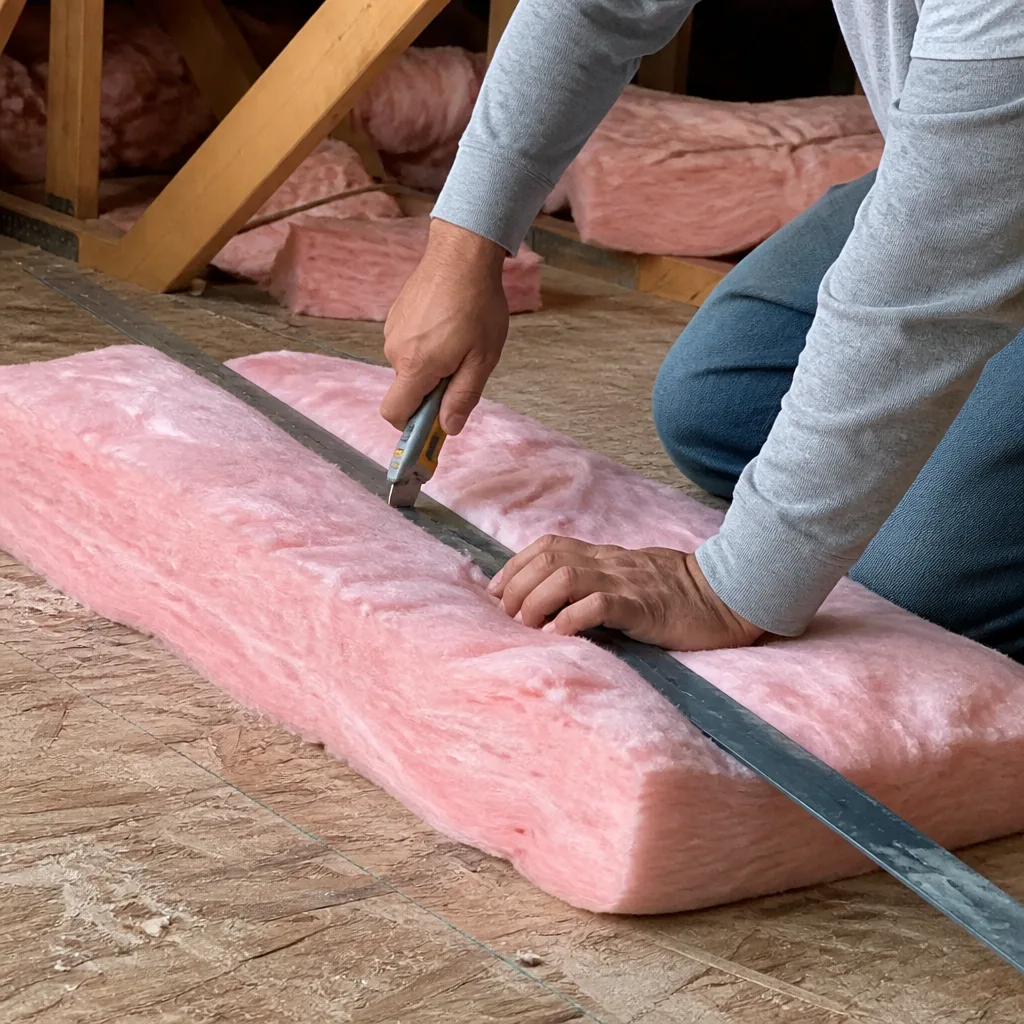
The online cost comparisons that favor DIY insulation rarely account for the full expense stack or the time value of a first-time installer working in unfamiliar conditions. Here is the actual math for a typical 1,200 square foot Los Angeles attic.
Equipment Rental
A blowing machine for loose-fill fiberglass or cellulose rents for $150-$200 per day from Home Depot or Lowe’s locations in Los Angeles, with the lower rate typically requiring minimum material purchase. The machine is not optional for attic floors - hand-placing loose fill achieves neither uniform depth nor settled density. For batts, no rental is needed, but batts are rarely the right choice for attics with existing irregular joist spacing, numerous penetrations, or any plan for comprehensive air sealing.
Material Calculation
Bag count is where DIY estimates most commonly fail. The coverage chart on the bag assumes optimal conditions: level joist bays, no compression, and installation at the precise density tested for the labeled R-value. In practice, a first-time installer in a Los Angeles attic with varied joist depths, recessed lighting, and HVAC platforms will experience:
- Material loss to overfilling in tight corners and under platforms
- Gaps around penetrations that require return passes
- Compression from walking through installed material during the job
For a 1,200 square foot attic targeting R-38 with blown fiberglass, the nominal calculation is approximately 50 bags at settled density. We typically see DIY projects consume 60-70 bags for the same nominal coverage, a 20-40% material overrun that erodes the cost advantage.
Time Budget
A professional crew of two completes a 1,200 square foot attic, including air sealing prep, in 4-6 hours. A first-time DIY installer should realistically budget:
- Preparation and equipment pickup: 2-3 hours
- Air sealing of top plates, can lights, and penetrations: 4-6 hours (if attempted at all)
- Insulation installation: 6-10 hours
- Cleanup, equipment return, and disposal: 2-3 hours
Total: 14-22 hours across two days, assuming no equipment issues or material runs. At Los Angeles median hourly earnings, the implicit labor cost is substantial. More importantly, the work is performed without the diagnostic feedback that would reveal whether it was done correctly.
What the Price Range Actually Looks Like
Most professional attic insulation jobs for a home of this size in Los Angeles run between $2,800 and $4,500 when air sealing is included - which it should be. A DIY attempt with equipment rental, 60 bags of mid-grade material, protective gear, and disposal typically lands between $1,400 and $2,000. The gap is real, but it is narrower than the headline comparisons suggest, and it closes further when the compliance documentation and performance verification that accompany professional work are valued.
What DIY Installers Underestimate in Los Angeles Attics
Los Angeles attics have specific characteristics that differentiate them from the generic “attic” assumed in national DIY guides. These factors affect both the difficulty of the work and the quality of the result.
Top-Plate Penetration Density in Post-War Construction
Homes built in Los Angeles between 1945 and 1975 - a significant portion of the housing stock in neighborhoods like Silver Lake, Echo Park, and the San Fernando Valley - typically have extensive top-plate penetrations. The top plate is the horizontal framing member at the top of the wall where it meets the ceiling drywall. Electrical wiring, plumbing vents, and older knob-and-tube remnants pass through this plate, creating a linear seam of air leakage that runs the perimeter of every room. In our experience, a 1,200 square foot home of this vintage has 150-250 linear feet of top-plate joints requiring sealant or gasket treatment before insulation is effective. A DIY installer who blows fiber over these gaps has buried the problem, not solved it. The insulation performs poorly, and the next contractor must remove material to access the plates.
Thermal Conditions in Late Summer
Attic temperatures in Los Angeles exceed 110°F from August through October, with peak readings in unventilated or poorly ventilated spaces reaching 140°F. Working in these conditions is not merely uncomfortable; it degrades material handling and installer judgment. Cellulose becomes dusty and difficult to control. Spray foam components, if used, are temperature-sensitive and may not rise or cure correctly. The natural response is to work faster, which produces uneven coverage and missed detail work.
The Absence of Post-Job Measurement
This is the most significant hidden cost of DIY installation. A professional job that includes air sealing concludes with a blower-door test - a pressurization reading that shows, in one number, how much air the building envelope was losing before and after the work. Without this measurement, a DIY installer has no feedback on whether the air sealing was effective, whether the insulation coverage is complete, or whether new leaks were introduced during the process. The homeowner pays for the work, assumes it is done, and discovers the performance gap only through elevated utility bills or a thermal imaging scan years later.
Two Scenarios Where DIY Is Genuinely Appropriate
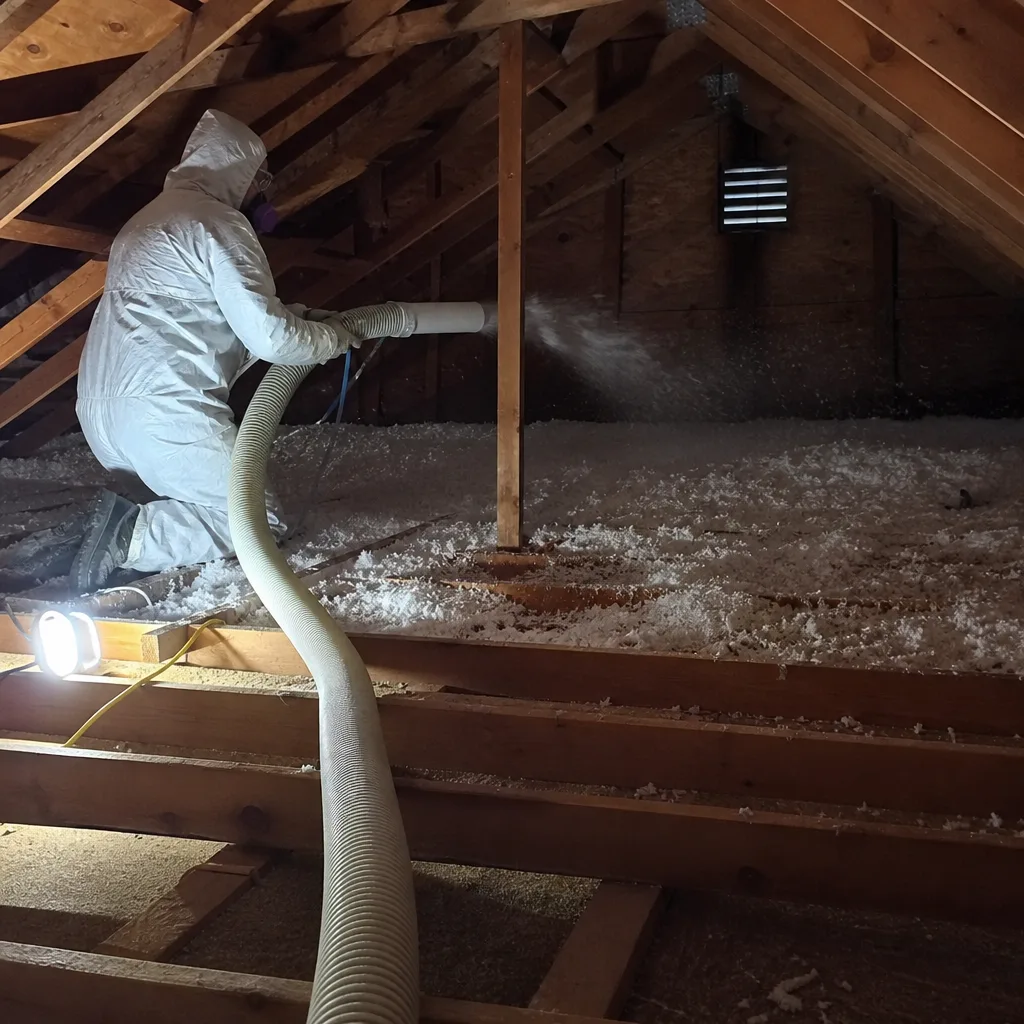
Despite the compliance and practical barriers, there are specific situations where DIY insulation is a rational choice in Los Angeles.
Scenario One: Adding Depth to an Already-Sealed, Already-Permitted Attic
If your attic was professionally air-sealed and insulated within the past decade, with closed permits and existing CF2R documentation, adding loose-fill depth to increase R-value is a straightforward physical task. The air sealing is already complete. The thermal envelope is already defined. The new material is simply increasing depth over a known substrate. In this case, the DIY installer should still document the work: photograph the pre-existing condition, record the product data sheet for the new material, and note the date and depth added. The next owner, or the next contractor, will need this information.
Scenario Two: Insulating a Detached ADU Under 750 Square Feet Without HVAC
Accessory Dwelling Units under 750 square feet without a heating or cooling system are often exempt from Title 24 alterations compliance, depending on the specific jurisdiction and permit path. Los Angeles Department of Building and Safety has streamlined ADU permitting, and many such projects fall under ministerial approval without triggered energy compliance. For a simple structure with accessible framing, batt insulation of walls and ceiling is within the capability of a careful homeowner. The key is confirming the exemption in writing with LADBS before work begins, not assuming it based on square footage alone.
Outside these two scenarios, DIY insulation in Los Angeles typically creates more problems than it solves: compliance gaps, performance shortfalls, and documentation voids that surface at resale.
The Documentation You Should Create Regardless of Permit Status
Whether you DIY or hire a professional, the documentation of what exists in your attic matters. Future contractors, home inspectors, and buyers need to know what is under the surface. We have opened attics in Los Angeles where five layers of partial, undocumented work created a thermal and moisture problem that was invisible until everything came out.
If you perform any insulation work yourself, create the following record:
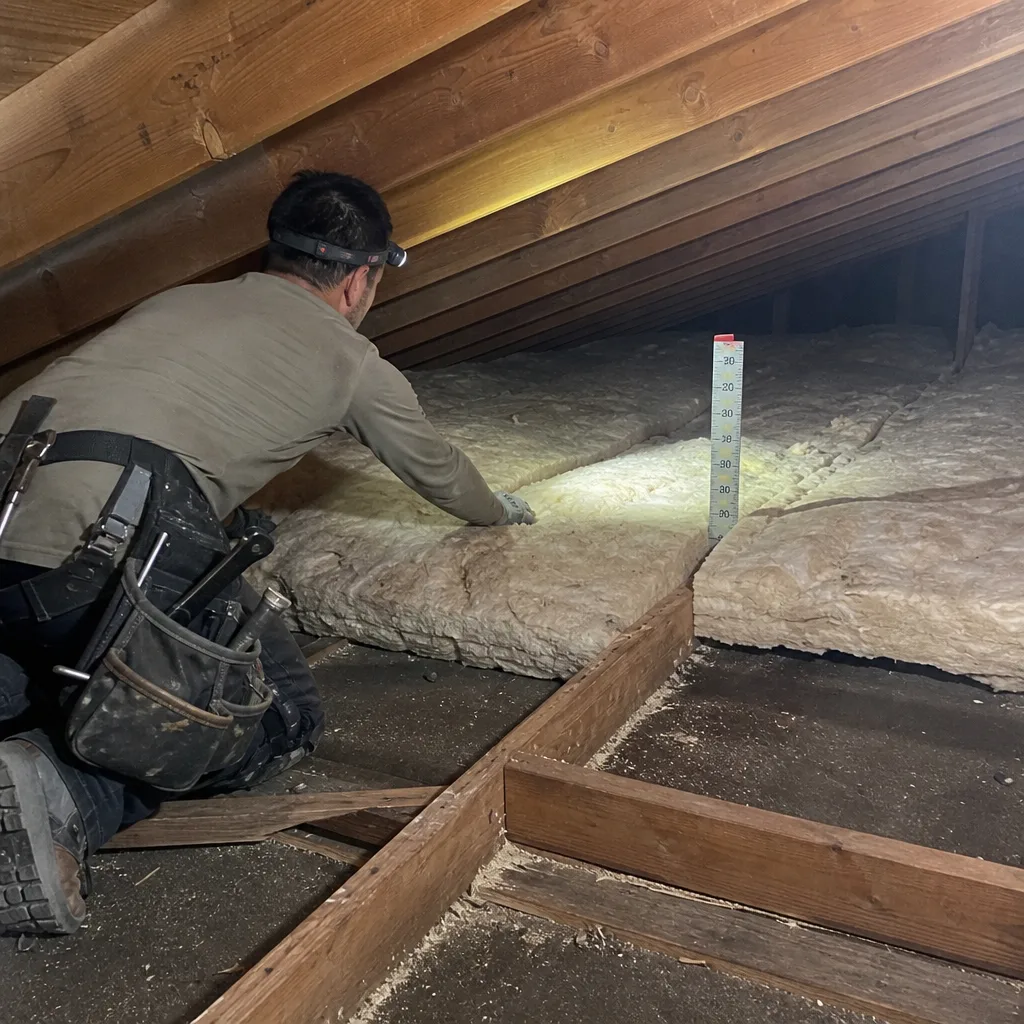
- Photo log with measured grid points. Take photographs from the attic access, then at 8-foot intervals across the floor, with a ruler or tape measure visible showing insulation depth at each point. Note the location of each photo relative to a fixed reference (the access hatch, a vent pipe, or a specific wall).
- Product data sheet. Retain the manufacturer’s specification for the exact product installed, including the settled R-value per inch, the tested density, and the coverage chart. Do not rely on the bag label alone; download the full data sheet from the manufacturer’s website.
- Written record of penetrations addressed. Note every can light, plumbing vent, electrical penetration, and top-plate joint that received sealant, gasket, or fire-rated cover. This is the map the next person will need.
- Permit and inspection record. If a permit was required, retain the approved plans, the inspection sign-offs, and the CF2R certificate. If no permit was required, note the basis for that determination in writing.
At Topside Attic Insulation Los Angeles home, we provide a Documented Photo Record on every visit - included on every job, not available on request. This is not a courtesy; it is a record of the building’s condition that persists after we leave. DIY installers should hold themselves to the same standard.
What a Professional Job Actually Delivers
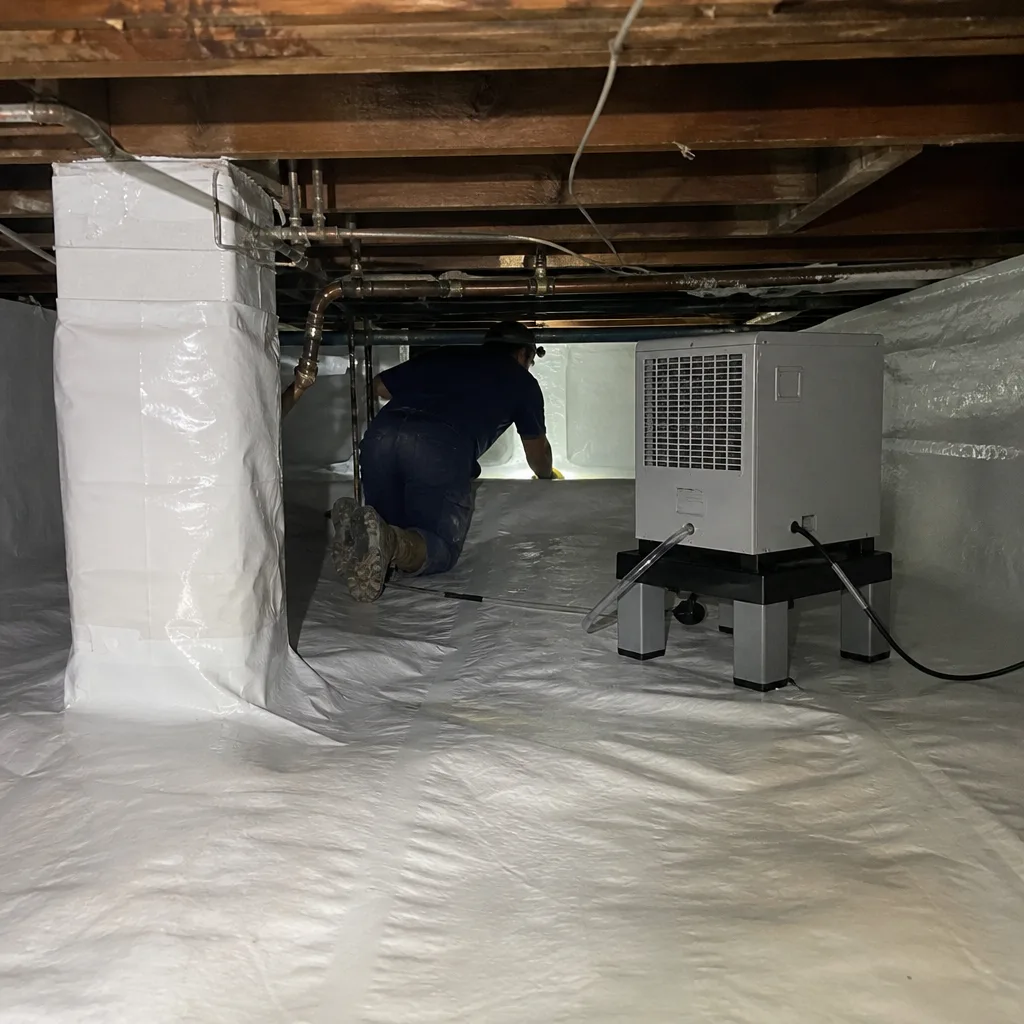
The difference between professional and DIY insulation is not primarily the physical installation. It is the sequence of work, the diagnostic verification, and the documentation that accompanies it.
Sealed First, Then Insulated
At Envelope Insulation Co., operating under The Haven Standard since 2016, we do not blow insulation over an unsealed attic floor. Air sealing of top plates, can lights, and penetrations is completed before any insulation is added. This sequence is not optional; insulation without air sealing is a thermal blanket with holes in it. The conditioned air escapes through the gaps, and the insulation merely slows the loss.
Before-and-After Blower-Door Numbers
On applicable jobs, we provide before-and-after blower-door readings so the homeowner can verify the air-sealing result in a single figure. A typical Los Angeles home of 1,200-1,800 square feet built before 1980 will read 3,500-5,500 CFM50 before sealing and 2,000-3,000 CFM50 after comprehensive air sealing and insulation. The homeowner receives this number in writing. It is not a feeling or an estimate; it is a measurement.
Written Price Before Any Work Starts
Under Haven Standard Clause 1, every job begins with a flat price, a written scope, and a written warranty before anyone lifts a tool. This is not a quote that changes after inspection; it is the actual agreement. We also offer a Free Second Opinion on any written estimate - bring us a competing quote and we will read it with you, line by line.
Material Sourcing Without Lock-In
We source materials from Owens Corning, Johns Manville, Knauf, Rockwool, CertainTeed, Icynene, Demilec, and GreenFiber. No proprietary product lock-in means the specification is driven by the building’s needs, not by a supplier contract. For spray foam insulation in Los Angeles, this matters particularly: the wrong foam density or chemistry for a given assembly can trap moisture or fail to adhere.
The 365-Day Done Right Promise
If it’s not done right, we make it right. This applies to all completed work, and it is backed by the written scope and written warranty delivered before the crew starts. We have sealed and insulated 9,000+ homes since 2016 - every one with a written price before work started and a documented record when the crew left.
For crawl space encapsulation and vapor barrier in Los Angeles, the same principles apply: sealed first, measured after, documented always.
Common Mistakes to Avoid
- Installing insulation over active knob-and-tube wiring. Los Angeles homes built before 1950 often have live knob-and-tube circuits in attics. Burying these in insulation creates a fire hazard and violates electrical code. The wiring must be evaluated and often replaced before insulation is added.
- Blocking soffit vents with blown fill. Ventilation baffles are required at eaves to maintain airflow from soffit to ridge. Without them, insulation drifts into the soffit, choking ventilation and creating moisture accumulation that we regularly see in Mid-Century homes in the Hollywood Hills.
- Compressing batts to fit irregular joist bays. A batt compressed from its labeled thickness loses R-value proportionally. A 6-inch batt squeezed into a 4-inch space performs as R-13, not R-19. This is a common error in older Los Angeles homes with mixed joist depths.
- Skipping air sealing because “the insulation will cover it.” Fiberglass and cellulose are air-permeable. They filter air, they do not stop it. A 1/2-inch gap at a top plate leaks as much conditioned air as a 12-inch square hole in the middle of the wall. We find this misconception in nearly every DIY attic we inspect.
- Using the wrong foam type for the application. Open-cell spray foam is not a moisture barrier. Closed-cell is. Using open-cell against a roof deck in a humid microclimate, or in a crawl space with seasonal groundwater, traps moisture and degrades the substrate. Attic insulation in Los Angeles requires product selection matched to the specific assembly.
- Failing to verify permit requirements before starting. The Los Angeles Department of Building and Safety has specific trigger thresholds for insulation work. Starting without confirming whether your project crosses them creates a compliance gap that is expensive to close retroactively.
When to Call a Professional
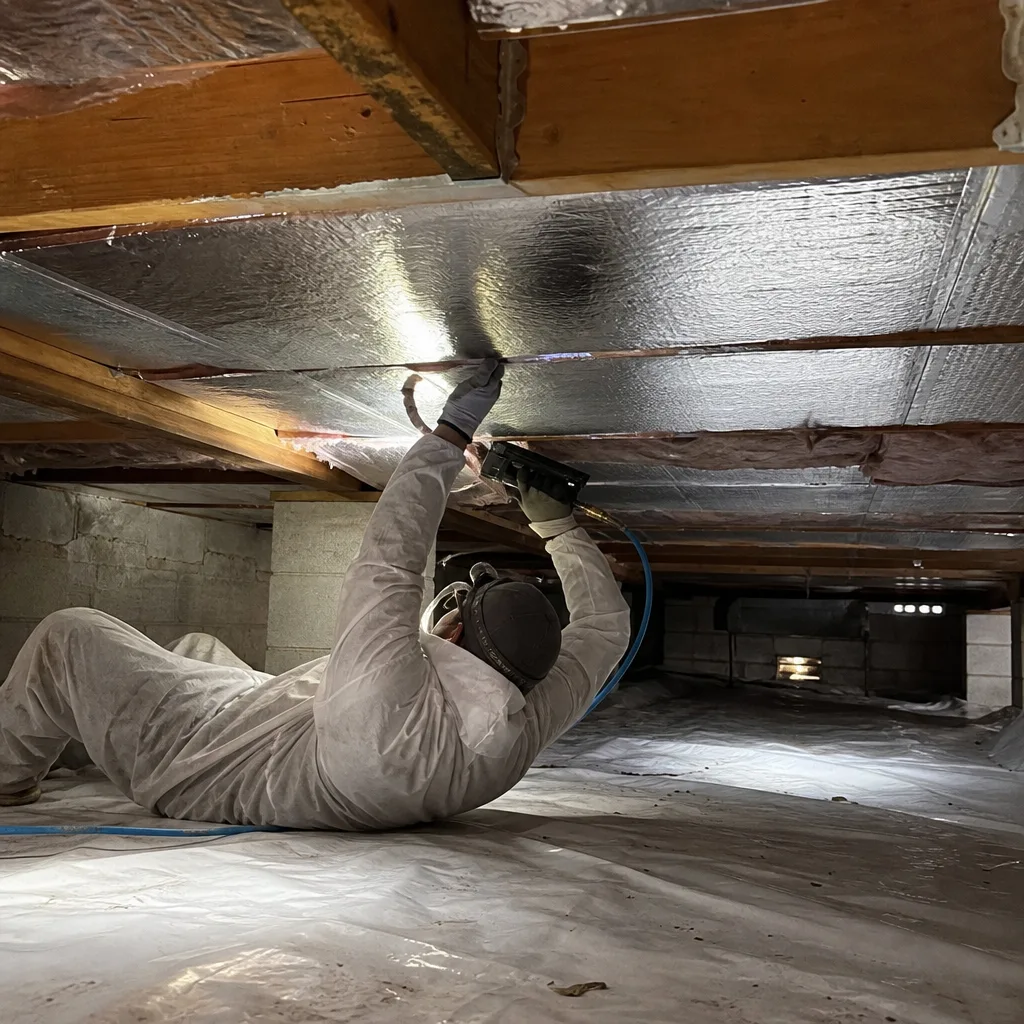
Call a professional when your project involves removal of existing material, changes to the thermal envelope, any work requiring a permit, or any assembly where air sealing and insulation must be coordinated - our How to Hire a Insulation Contractor in Los Angeles: A Step-by-Step Guide walks you through the selection process. Call a professional when you need documented proof of performance, when resale compliance matters, or when the attic contains hazards - asbestos, active knob-and-tube, rodent contamination, or structural degradation - that require assessment before work proceeds.
Topside Attic Insulation Los Angeles offers free estimates in Los Angeles. We will evaluate your attic, confirm the permit path, and provide a written price before any work starts. Call (628) 226-1097 to schedule.
Frequently Asked Questions
Yes, for the physical work itself. California’s owner-builder exemption allows homeowners to perform their own construction work. However, if the project triggers Title 24 alterations compliance - which includes most insulation upgrades involving removal, replacement, or envelope changes - the CF2R installation certificate must be signed by a licensed C-2 or B contractor, and many projects also require HERS rater verification that you cannot self-perform. Call (628) 226-1097 for a free estimate if you are unsure whether your project crosses this threshold.
Most attic insulation jobs in a typical Los Angeles home of 1,200-1,800 square feet run between $2,800 and $4,500 when air sealing is included. The range reflects accessibility, existing material condition, and the R-value target. DIY attempts with equipment rental and materials typically land between $1,400 and $2,000 but lack compliance documentation and performance verification. Call (628) 226-1097 for a written price specific to your home.
The CF2R-ENV-02 is a California Energy Commission form that certifies insulation installation meets Title 24 requirements. It must be signed by the installing contractor, not the homeowner, for permitted alteration projects. Without it, the permit cannot close, and unclosed permits appear in title searches during home sales. The certificate is filed in the California Energy Commission database and is retrievable by address.
A HERS rater is required when specific triggered measures apply: air sealing that exceeds prescriptive thresholds, QII compliance elected as an alternative path, or certain spray foam applications. The rater performs independent field testing and submits verification directly to the state. You cannot self-perform HERS verification. A licensed contractor can confirm whether your project triggers this requirement during the estimate phase.
Adding depth over existing material is cheaper only if the existing insulation is dry, uncontaminated, and installed over a properly sealed attic floor. In Los Angeles, we commonly find insulation compromised by roof leaks, rodent activity, or previous DIY work that buried unsealed penetrations. In these cases, removal and replacement with proper air sealing performs better and often costs less over the life of the home than layering over a compromised substrate. We offer a Free Second Opinion on any written estimate to help you evaluate this tradeoff.
Two-component spray foam requires specialized equipment, respiratory protection, and precise temperature control of chemical components. The material is also unforgiving: off-ratio mixing produces foam that shrinks, cracks, or fails to adhere. In Los Angeles, spray foam installations that are part of a Title 24 alteration require both contractor certification and often HERS verification. For these reasons, spray foam is not a practical DIY application. Spray foam insulation in Los Angeles should be performed by a contractor with documented training and equipment.
The Bottom Line
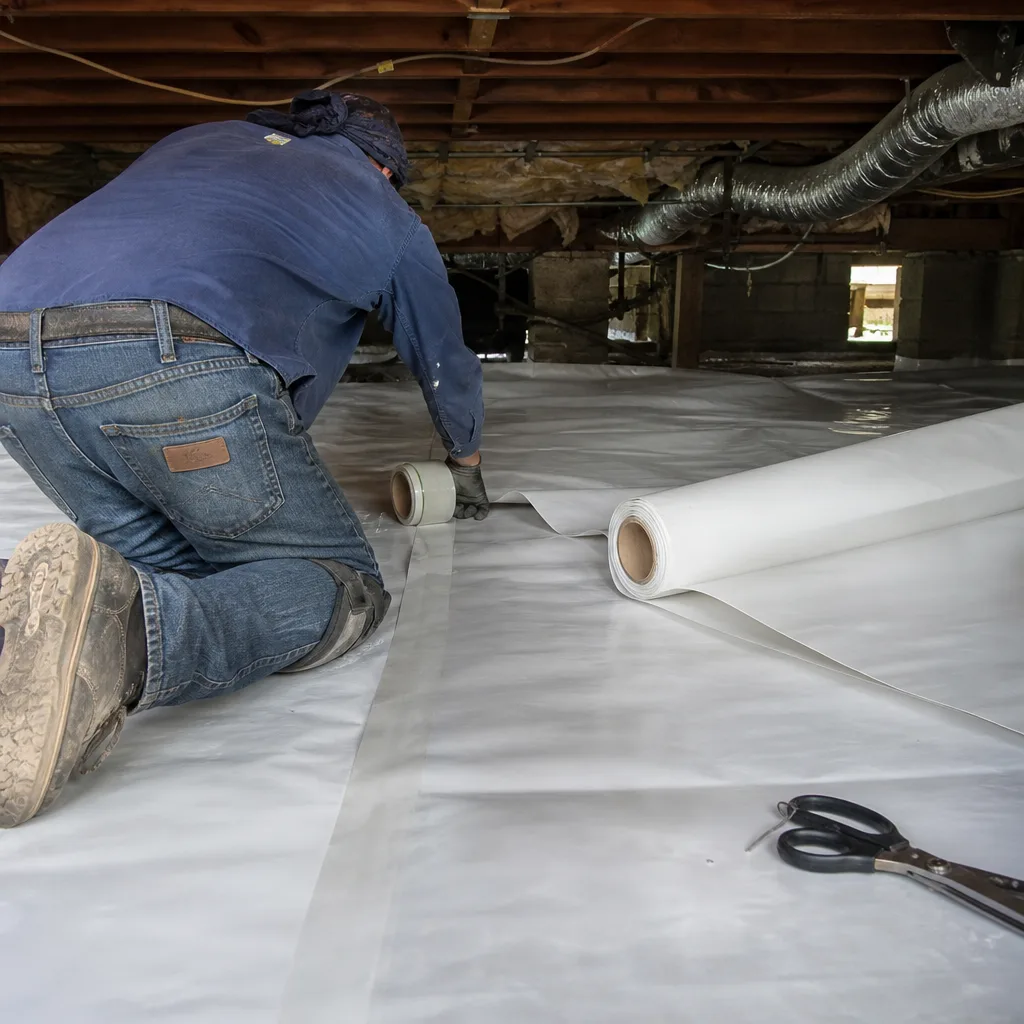
The DIY-versus-professional question in Los Angeles is not primarily about skill or cost. It is about compliance, documentation, and verified performance. Homeowners can legally perform simple insulation additions in specific circumstances, but most attic upgrades trigger Title 24 requirements that demand licensed contractor certification and often independent HERS verification. The true cost of DIY is not the equipment rental or the Sunday spent in the attic. It is the permit that never closes, the air leakage that never gets sealed, and the performance that never gets measured. Professional work, when it follows a sealed-first sequence and delivers documented proof, is the difference between insulation that exists and insulation that works. For additional guidance, explore more guides & resources on our blog.
Written by Wes Okafor, Owner at Topside Attic Insulation Los Angeles, serving Los Angeles since 2016.