
Icynene Blown-In Insulation in Los Angeles: What to Know First
As an independent Icynene service provider, we repair and replace Icynene blown-in insulation systems across Los Angeles, typically completing attic jobs in one day with a written price delivered before any work starts. Most Icynene retrofits we see in Los Angeles homes run between $2,400 and $5,800 depending on attic square footage, existing material condition, and whether the original Icynene installation left accessible pathways for dense-pack wall work. We do not offer manufacturer warranties - we offer our own 365-Day Done Right Promise backed by before-and-after blower-door numbers you can read yourself.
This page is for Los Angeles homeowners who have Icynene insulation in their attic or walls and need to know whether it can be topped up, removed, or replaced with compatible blown-in material. If you’re seeing settling below the joist tops, cold spots where the original Icynene was dense-packed, or you’re preparing a home for sale and need documentation of installed R-value, we can help. Call (628) 226-1097 - a live person answers, 24/7.
How Icynene Products Fail - and How We Fix Them
- Icynene Classic Max settling in open-blow attic applications. Classic Max, the open-cell spray foam line, was sometimes oversold as a blown-in hybrid in Los Angeles tract builds from 2010-2018. When applied too thin over unsealed top plates, it shrinks and pulls away from framing members, creating thermal bypasses. We remove the compromised sections, seal the plates with acoustical sealant, then blow in fresh cellulose or fiberglass to the correct depth for your Climate Zone 16 requirements.
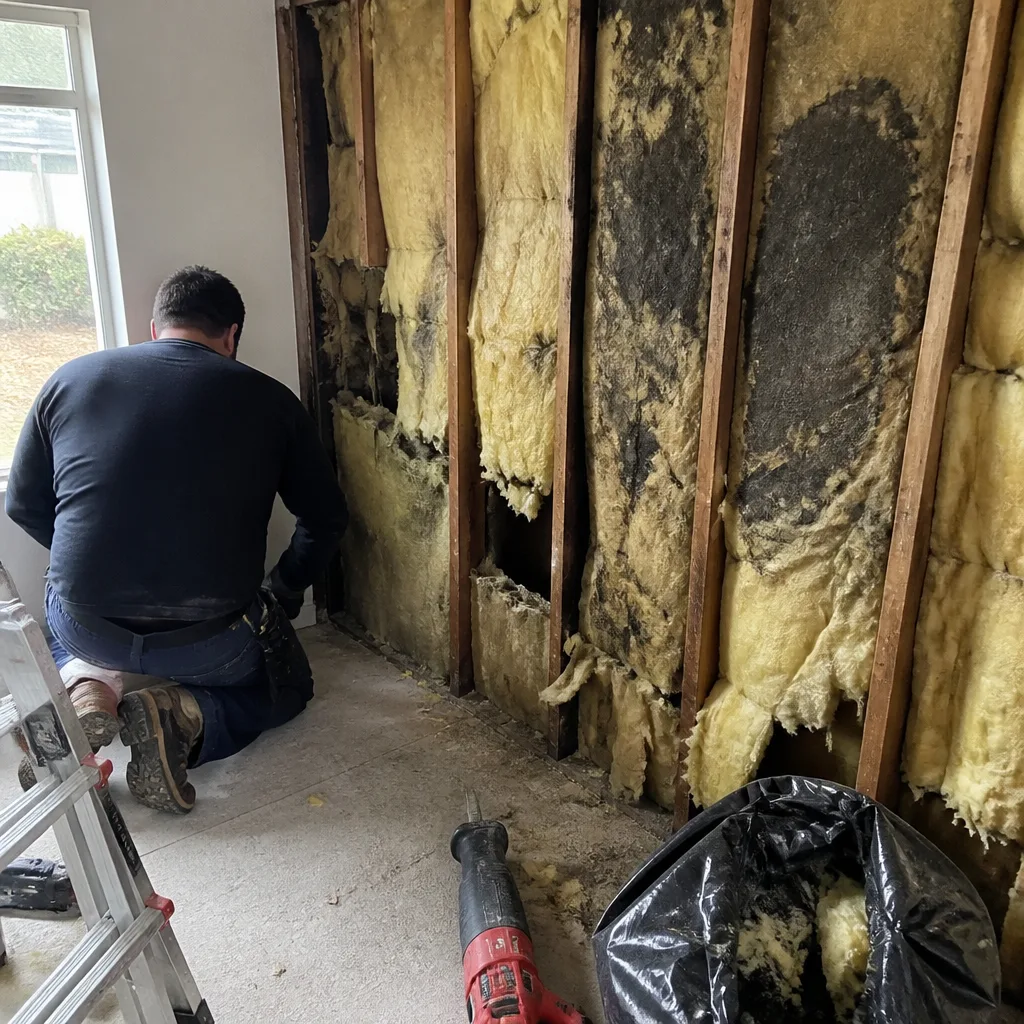
- Icynene MD-R-200 moisture retention in knee wall assemblies. MD-R-200, a medium-density closed-cell product, performs poorly when installed against unvented roof sheathing in older Los Angeles bungalows with minimal eave ventilation. We’ve opened knee walls in Leimert Park homes where the foam held moisture against original tongue-and-groove decking. Our fix: remove the affected MD-R-200, install baffles for intake airflow, then dense-pack the cavity with cellulose that can dry to both sides.
- Icynene LD-C-50 degradation from UV exposure in storage-attic scenarios. Homeowners who converted Icynene-insulated attics to storage sometimes left the foam exposed to skylight UV; LD-C-50 yellows and powders at the surface. We don’t just cover it. We test adhesion, remove friable material, then blow a fresh cap of stabilized fiberglass over a sealed air barrier so the repair is documented and measurable.
- Incompatible top-ups from non-Icynene contractors. We regularly find Los Angeles attics where a previous contractor blew cellulose directly over Icynene Classic Max without checking whether the foam was acting as an air barrier or merely a thermal layer. The result: convection loops between materials, measured on our blower door as negligible improvement. We pull back the new material, verify the Icynene’s continuity, seal gaps, then reinstall to a single, specified R-value with one product type.
- Icynene H2Foam Lite shrinkage in cathedral ceiling applications. H2Foam Lite, a water-blown closed-cell product, can pull 2-5% in volume during cure if substrate temperatures dropped below 60°F during installation - common in Los Angeles winter jobs done without tenting. The gap runs along the rafter edge, invisible until infrared inspection. We expose the channel, re-foam with compatible two-component if structural sealing is needed, then dense-pack the remainder with cellulose for cost control and fire resistance.
Our Icynene Blown-In Insulation Process
- 1
Call and scheduling. A live person answers at (628) 226-1097, 24/7. We book a site visit, send a text with your technician’s name, and arrive on schedule - Haven Standard Clause 3.
- 2
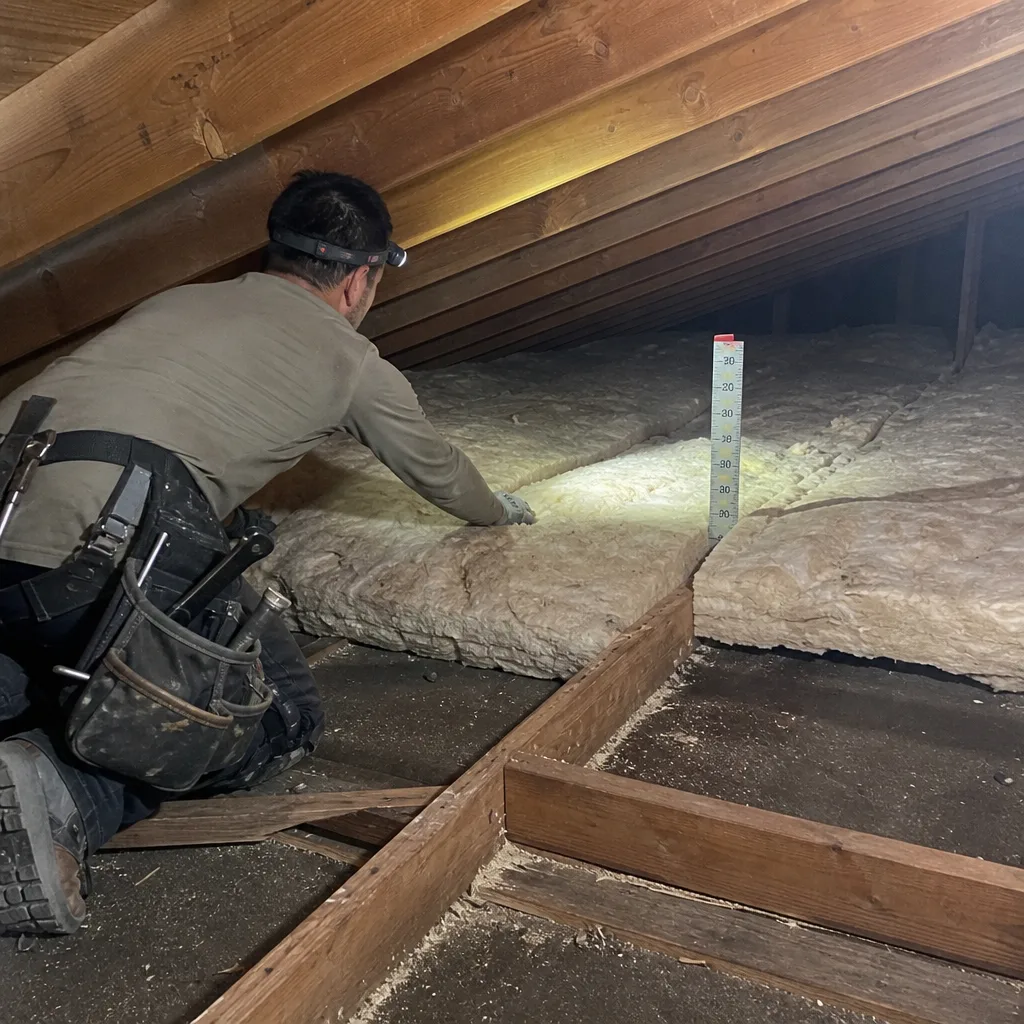
Blower-door test and attic inspection. We run a pressurization diagnostic - a blower-door test that shows, in one number measured in CFM50, how much conditioned air your building envelope is losing. We photograph existing Icynene condition, measure settled depth, and mark thermal bypasses with infrared.
- 3
Written price and scope. You get a flat price, written scope, and written warranty before anyone lifts a tool. Haven Standard Clause 1. No work starts without your signature on the price.
- 4
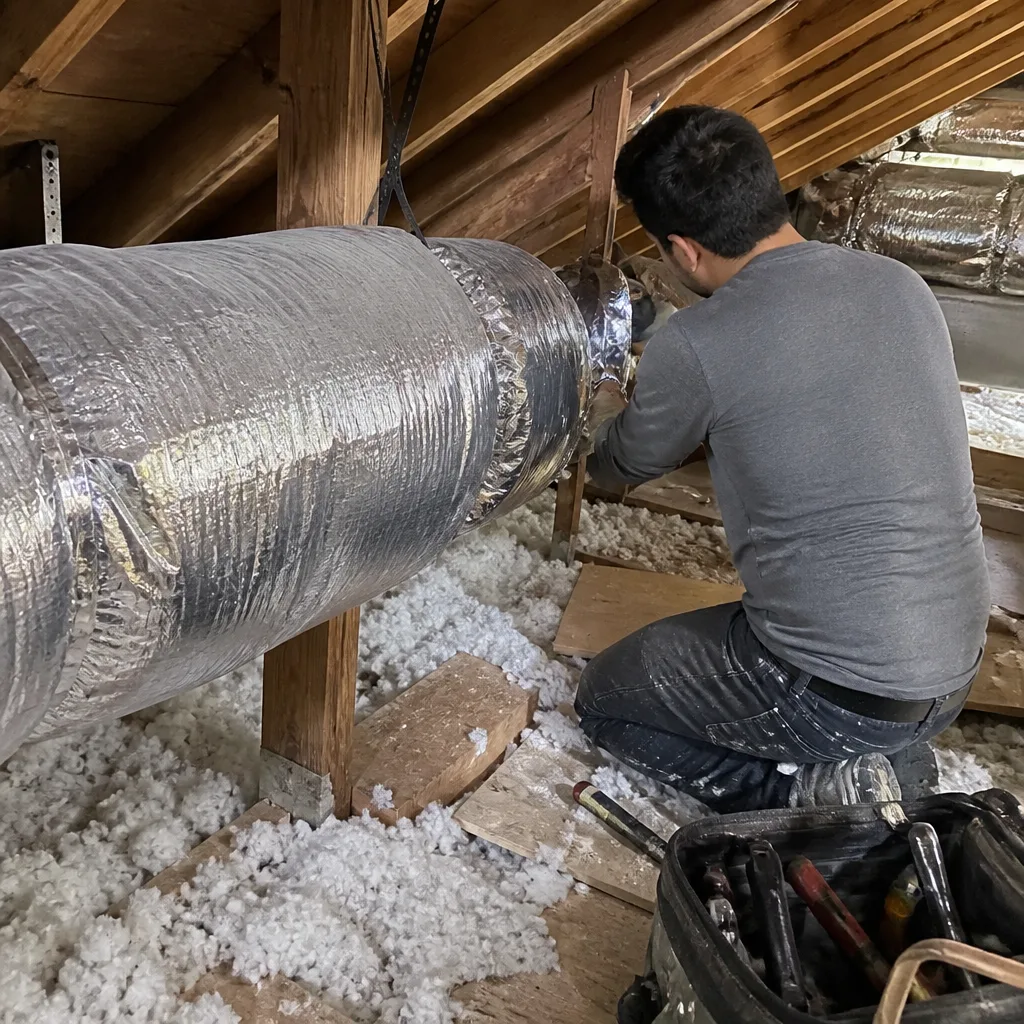
Air sealing first, then insulation. Seal the holes first. Then measure the R-value. In that order. We seal top plates, can lights, plumbing and electrical penetrations, and soffit chases before any blown material enters the space.
- 5
Installation with documentation. We blow cellulose, fiberglass, or dense-pack walls per the signed scope. Every bag is logged by product code. You receive a Documented Photo Record, installed R-value certification, and on applicable jobs, before-and-after blower-door readings showing your actual air leakage reduction.
- 6
Cleanup and 365-Day Done Right Promise activation. We leave no debris in living spaces. Your warranty, photo record, and product data sheets are delivered by email before the crew departs. If it’s not done right, we make it right - no expiration within the first year.
 Before
 After
AfterWhat Icynene Blown-In Insulation Costs in Los Angeles
Most Icynene retrofit and top-up jobs in Los Angeles homes run between these ranges:
| Scenario | Typical Range |
|---|---|
| Icynene removal + blown cellulose replacement, 1,000 sq ft attic | $2,400 - $3,800 |
| Icynene top-up with blown fiberglass to R-49, sealed attic | $1,800 - $2,900 |
| Dense-pack wall remediation after Icynene shrinkage, 1,200 sq ft home | $3,200 - $5,800 |
| Knee wall conversion: Icynene removal, baffle install, cellulose dense-pack | $2,800 - $4,500 |
| Full attic air seal + insulation replacement after failed Icynene install | $4,500 - $7,200 |
What moves the price: attic accessibility (scuttle vs. pull-down stairs), existing Icynene adhesion quality, whether electrical or HVAC rerouting is needed, and the depth of settled material to remove. We also carry Reflectix and other brands for hybrid solutions where Icynene components must interface with different materials.
Every estimate is free. Every price is written before work starts. Bring us a competing quote - we offer a Free Second Opinion on any written estimate, and we’ll read it with you line by line. Call (628) 226-1097.
Why Los Angeles Homeowners Call Topside Attic Insulation Los Angeles for Icynene Work
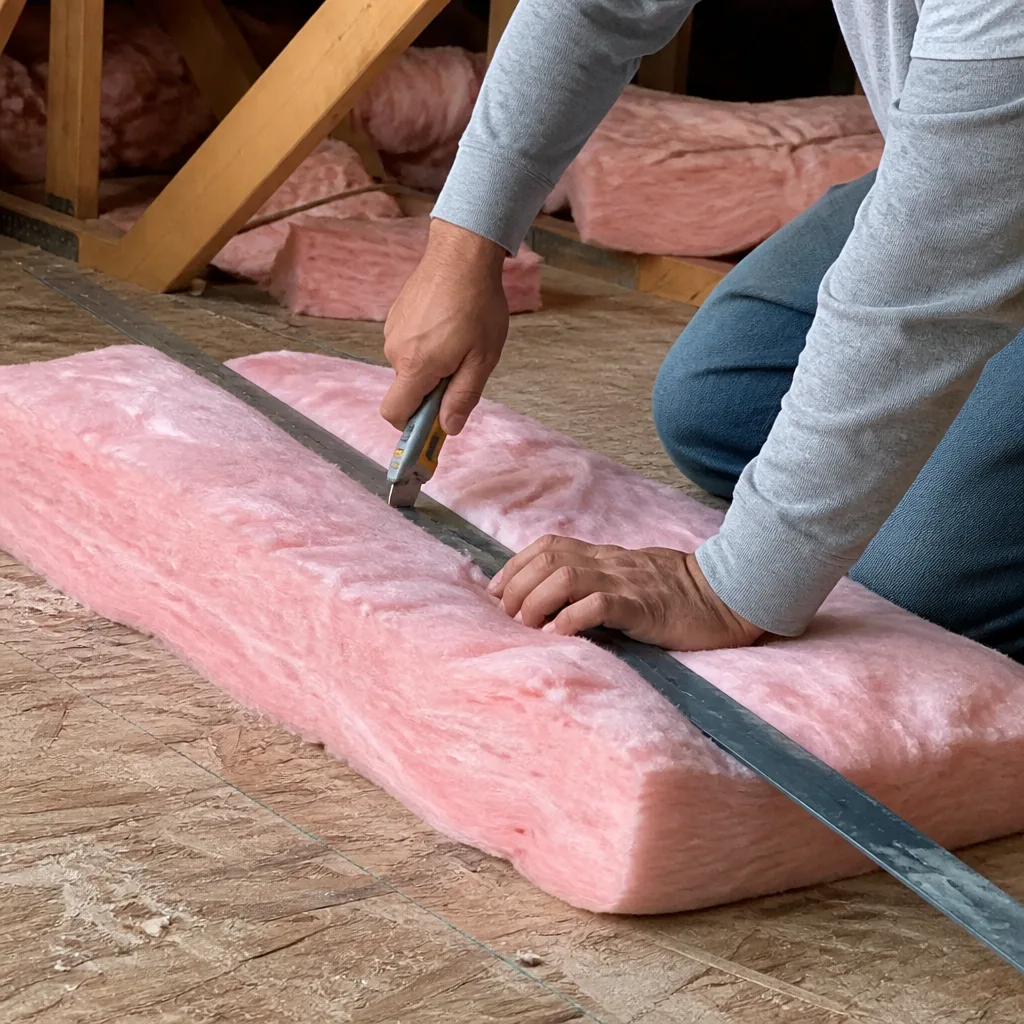
We’ve sealed and insulated over 9,000 homes since 2016, and a growing share of our Los Angeles calls involve Icynene systems that were installed during the 2010s spray-foam boom and now need competent third-party assessment. Wes Okafor, our owner and lead technician, learned the trade at Richard J. Daley College in Chicago and has been measuring attic assemblies for over two decades. He and his crew have worked extensively in the Leimert Park corridor, where unvented knee walls and bypassed soffit chases remain common.
We are not affiliated with Icynene or any manufacturer. That independence means we recommend what’s actually appropriate: OEM-compatible removal when necessary, quality aftermarket materials when they perform better for your specific assembly, and honest documentation of what we found versus what we felt about it. Our technicians are background-checked and uniformed. Calls are answered by a live person, 24/7. No voicemail loops. No callback windows measured in business days.
Your documentation package includes: before-and-after blower-door readings, installed R-value with product data sheets, time-stamped photos, and a written warranty. Under Haven Standard: Have it in writing. Always.
FAQs
Icynene’s original installation warranty typically covers material and application defects for the original purchaser only, and it does not extend to modifications by independent contractors. As an independent Icynene service provider, we do not represent Icynene’s warranty position; we provide our own 365-Day Done Right Promise on all work we perform. If your original installer is still in business, we can review your documentation and tell you whether our proposed scope would affect any remaining coverage. Call (628) 226-1097 for a free assessment.
We determine this with a blower-door test and physical inspection: if the Icynene retains adhesion, shows no shrinkage or moisture damage, and acts as a continuous air barrier, we can blow compatible material over it to achieve target R-value. If it’s powdering, delaminating, or trapping moisture, removal is the only defensible path. Our written scope specifies which condition we found before you approve any work.
Spot repair is cheaper only when the failure is localized - typically 15% or less of total insulated area. In Los Angeles, we find that Icynene installations with systemic shrinkage or moisture issues cost more to remediate piecemeal than to remove and replace with blown cellulose or fiberglass, especially when the original application was below manufacturer-recommended thickness. We price both paths in our written estimate so you can compare real numbers, not guesswork. Call (628) 226-1097 for exact pricing.
Most attic retrofits finish in one working day; dense-pack wall jobs or full removals requiring multiple access points typically run two days. We stock cellulose, fiberglass, and dense-pack equipment in Los Angeles, so material lead time is not a factor. Same-week scheduling is common. Call (628) 226-1097 - a live person can check current availability.
We source materials from Owens Corning, Johns Manville, Knauf, Rockwool, CertainTeed, Icynene, Demilec, and GreenFiber - no proprietary lock-in. For blown-in work over existing Icynene, we typically specify stabilized fiberglass or treated cellulose based on your assembly’s drying potential and fire-code requirements, not brand loyalty. If a specific Icynene product is technically required for warranty or code compliance, we document why and show you the product data sheet before ordering.
Written by Wes Okafor, Owner & Lead Insulation Technician, Topside Attic Insulation Los Angeles at Topside Attic Insulation Los Angeles, serving Los Angeles and nearby areas.