
Johns Manville Radiant Barrier Installation: The Los Angeles Owner’s Guide
Johns Manville radiant barrier installation in Los Angeles typically runs $1,800-$3,400 for a complete attic retrofit depending on roof pitch and square footage, and we stock JM-certified foil and kraft-faced assemblies for same-day starts on most residential jobs. Most homeowners in Los Angeles discover their radiant barrier is compromised when second-story rooms stay hot past 7 p.m. despite the AC running, or when they pull back existing insulation and find the foil layer has delaminated, oxidized, or been installed with the reflective surface facing the wrong direction. Wes Okafor and our crew see this regularly on homes built between 1985 and 2005 across the San Fernando Valley and East LA, where original radiant barriers have reached their service limit in attic temperatures that routinely hit 140°F.
Which Johns Manville Models This Applies To
Johns Manville produces radiant barrier products across several product families, and matching the right assembly matters for warranty coverage and fire-code compliance in Los Angeles County. The JM AP Foil-Faced Polyiso line, commonly found in retrofit applications, carries a labeled emissivity rating of 0.03 and must be installed with the foil side facing an air gap of at least 3/4 inch to perform to spec. We also work with JM ComfortTherm batts that include a kraft radiant barrier facing, though these are increasingly rare in Southern California retrofits.
To identify what you have, check the product stamp on the foil-facing edge for the JM logo, a lot number, and the facing designation. AP-series boards are rigid foam; if you have a flexible rolled product, it is likely JM Reflective Foil Insulation, which is a different animal entirely and uses a polyethylene core rather than polyiso. The compatibility gotcha in Los Angeles: some installers in the 2000s used JM foil-faced sheathing intended for wall assemblies in attic rafter bays, where the facing lacks the ASTM E84 flame-spread rating required by L.A. County for exposed attic applications. We check this on every job. If the stamp reads “wall sheathing” rather than “attic/radiant barrier,” it needs to come out and be replaced with code-compliant material.
Topside Attic Insulation Los Angeles is an independent service provider, not affiliated with Johns Manville. We source JM materials through authorized distribution and also stock Reflectix equivalents when the application permits. For most Los Angeles homeowners, the OEM JM product is worth the slight premium; the foil emissivity holds up longer in high-heat attics than aftermarket equivalents we’ve tested.
Signs Your Johns Manville Radiant Barrier Installation Is Failing
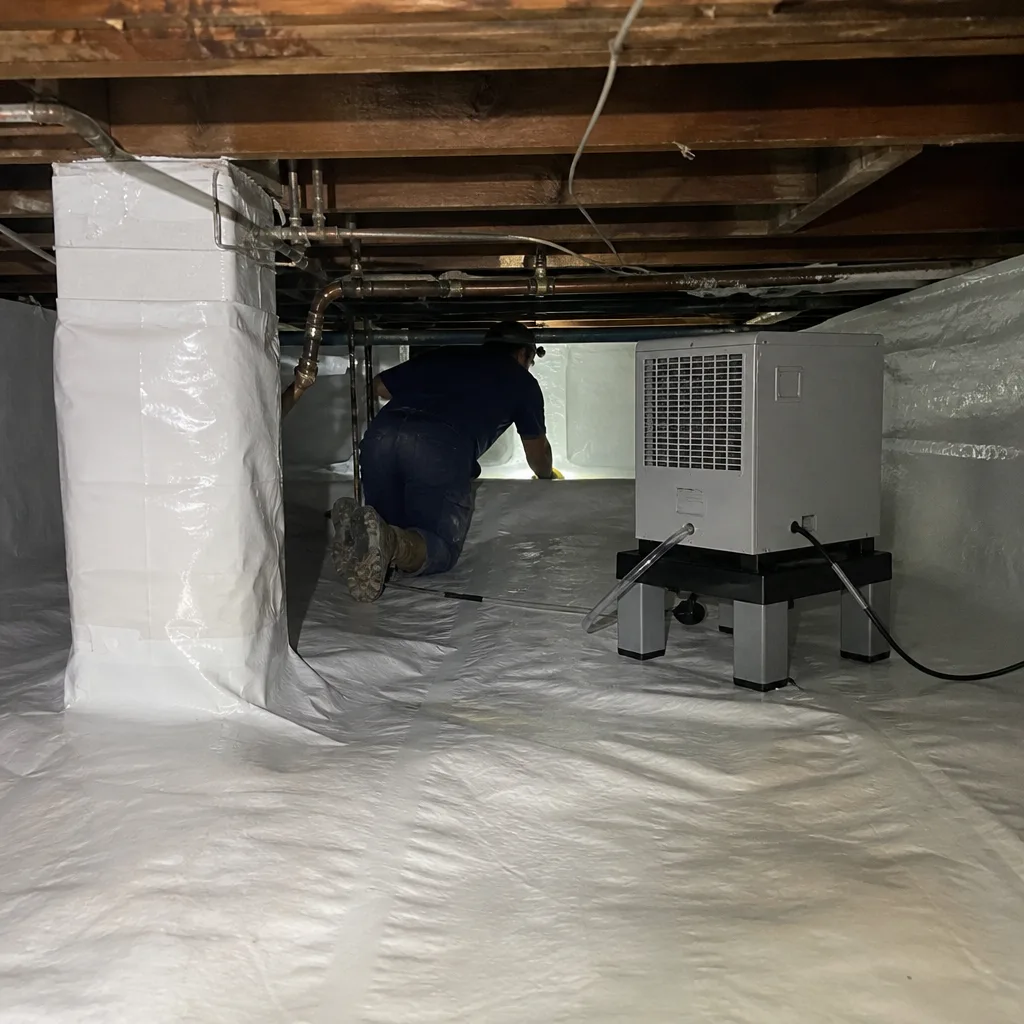
- Hot ceiling surfaces after sunset. A functioning radiant barrier reflects infrared heat back toward the roof deck; when the foil layer oxidizes or delaminates, that heat radiates downward into living space. We measure this with an infrared camera - ceiling surface temps above 85°F at 8 p.m. in August tell the story.
- Dust-caked foil facing. Dust accumulation on the reflective surface raises emissivity from 0.03 toward 0.90, effectively neutralizing the barrier. In Los Angeles, Santa Ana winds pull fine particulate through ridge venting, and homes within two miles of the 10 or 405 freeways see this accelerated. The fix is rarely cleaning; the foil is usually too degraded.
- Visible corrosion or pinholing. JM’s foil facing is aluminum bonded to a substrate; when attic humidity spikes (common after bathroom vent failures), electrolytic corrosion creates pinholes that scatter rather than reflect heat. We find this clustered around vent penetrations in older Los Angeles homes with original galvanized ductwork.
- Insulation compressed against the foil. Radiant barriers require an air gap to function. When blown fiberglass or cellulose is piled directly against the foil face, conduction replaces radiation as the dominant heat transfer mode. This is an installation error, not product failure, but the symptom is identical: rooms that won’t cool.
- AC runtime increased 20% or more year-over-year. We pull utility bills with homeowners when this complaint surfaces. A blower-door test - a pressurization diagnostic that finds air leakage before a single bag of cellulose or batt goes in - usually reveals that the radiant barrier failure coincides with degraded attic air sealing, compounding the load.
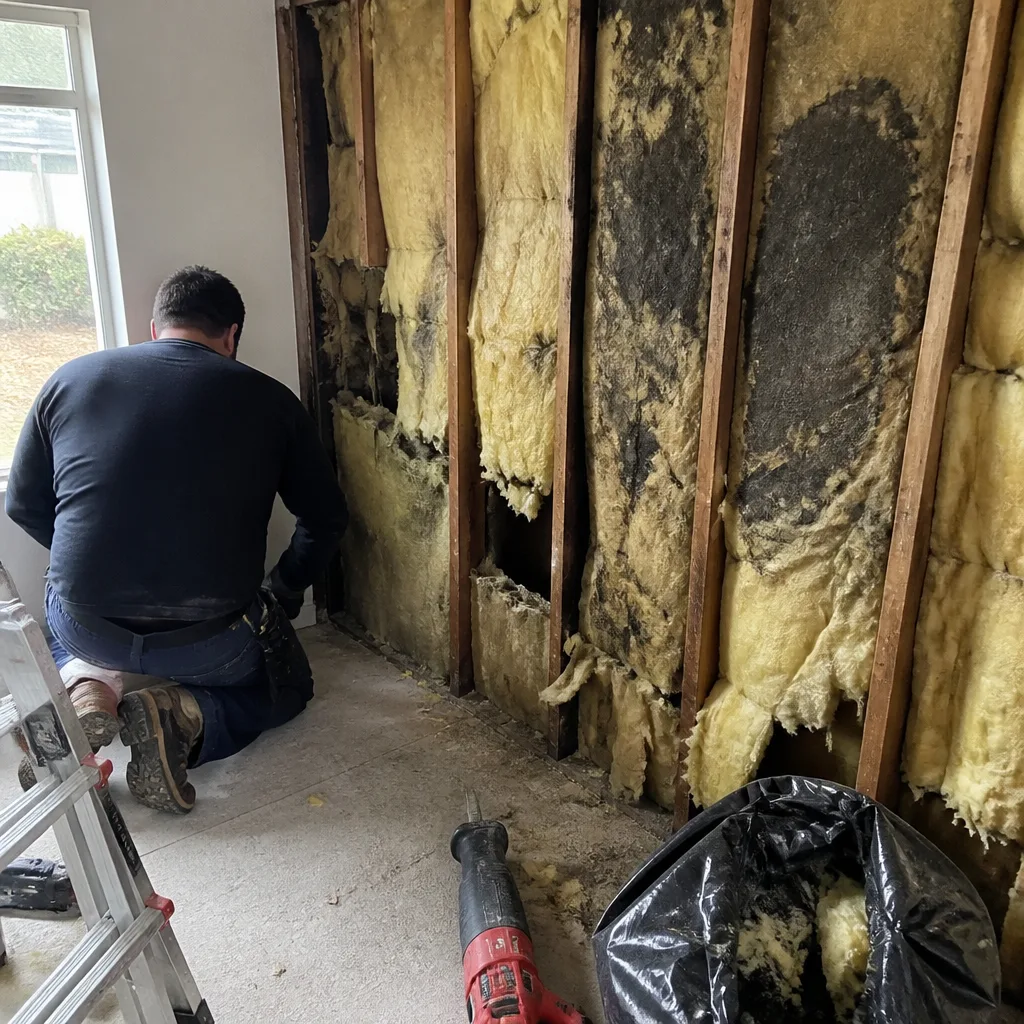 Before
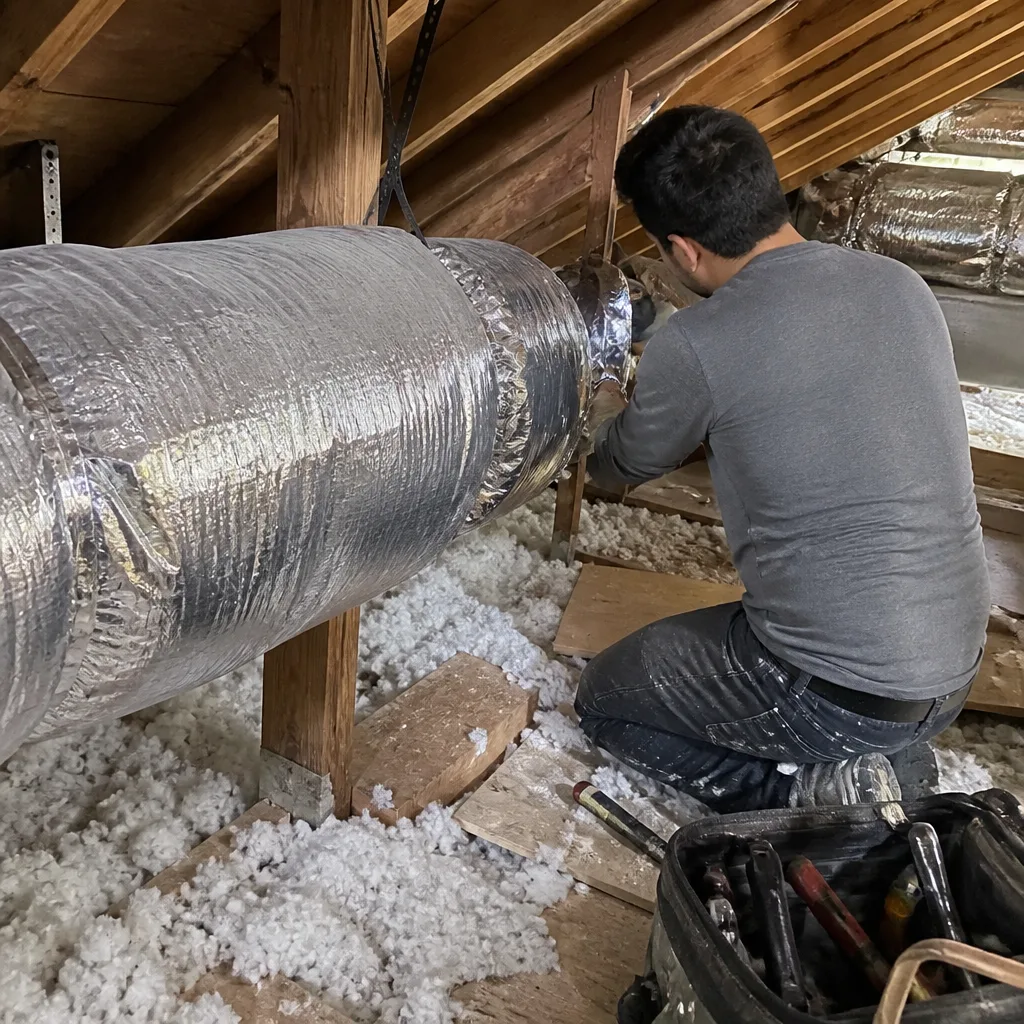 After
AfterReplacement Cost & What’s Included
Most Johns Manville radiant barrier installations in Los Angeles run between $1,800 and $3,400 for a complete attic retrofit, with smaller single-story homes in neighborhoods like Highland Park or Eagle Rock at the lower end and larger two-story homes in Pacific Palisades or the Hollywood Hills at the upper. The range is driven by three factors: accessible attic floor area, whether existing insulation must be removed first, and whether the roof deck needs supplementary air sealing before the new barrier goes in.
| Component | Typical Range |
|---|---|
| JM AP Foil-Faced board material, per square foot installed | $2.80-$4.20 |
| Attic air sealing (top plates, penetrations, can lights) | $450-$890 |
| Existing insulation removal and disposal | $1.10-$1.80/sq ft |
| Blower-door test with written before/after report | Included |
| Documented Photo Record | Included |
Every job begins with a written price - no work starts without it - and closes with a Documented Photo Record showing the installed assembly, the product stamps, and the air-gap verification. On applicable jobs, we provide before-and-after blower-door readings so you can verify the air-sealing result in a single figure. Our 365-Day Done Right Promise applies to all completed work.
DIY or Call Us?
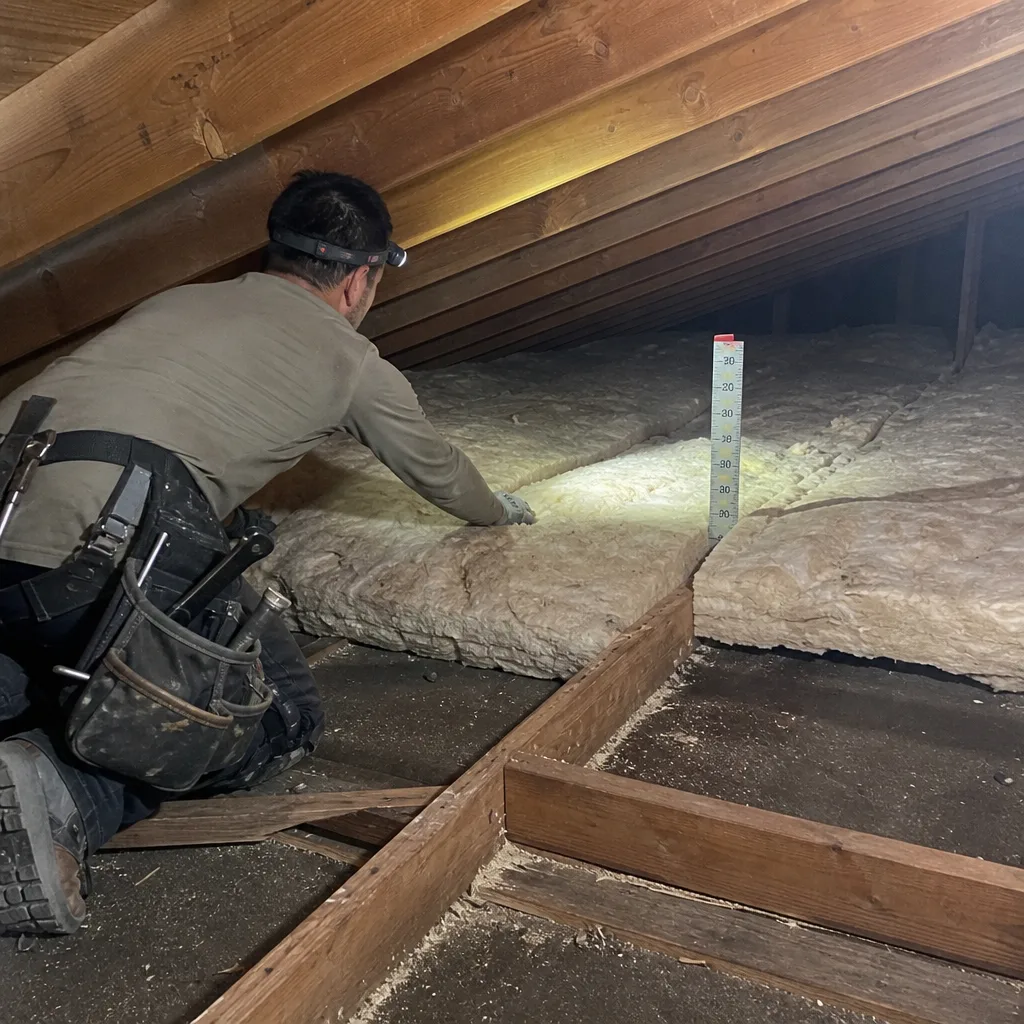
There is no high-tension danger in radiant barrier work, but there are genuine pitfalls that waste material and money. A homeowner can safely verify product stamps, measure attic square footage, and check for visible foil degradation. What goes wrong: installing the reflective surface facing the wrong direction, compressing the barrier against insulation, or missing the air-gap requirement entirely. In Los Angeles, we also see DIYers install wall-rated JM sheathing in attic applications, which fails inspection and must be removed.
We carry JM-certified radiant barrier assemblies on our trucks, and most Los Angeles jobs start same-day once the written price is accepted. Call (628) 226-1097 for a free estimate - we’ll read your existing setup with you and give you a flat price before anyone lifts a tool.
FAQs
In Los Angeles attic conditions, a properly installed JM foil-faced radiant barrier typically performs for 15-25 years before emissivity degradation becomes meaningful. The lifespan shortens if the attic sees sustained humidity above 60% RH or if the foil faces are dust-coated early in service. Call (628) 226-1097 for an assessment of your existing barrier’s condition - estimates are free.
Spot repairs are possible when damage is limited to a small area, but in practice we replace the full assembly. Partial fixes create seams and air-gap interruptions that reduce overall performance, and matching aged JM foil facing to new material is rarely seamless. We publish before-and-after blower-door numbers on every job so you can see whether the repair or full replacement delivered the air-sealing result you paid for. Call (628) 226-1097 to walk through your specific situation.
Most residential jobs in Los Angeles finish in one day, with larger homes or those requiring insulation removal extending into a second day. We arrive with the JM material on the truck, run the blower-door test first, complete air sealing, then install the barrier with verified air gaps. You’ll receive the written scope, the blower-door report, and the Documented Photo Record before we leave.
Yes. We carry JM AP Foil-Faced polyiso boards, compatible fasteners, and vapor-smart tape on every truck serving Los Angeles. For Reflectix or other brand equivalents, we stock those as well and will specify which material fits your application and budget. Same-day starts are standard once the written price is accepted.
Written by Wes Okafor, Owner & Lead Insulation Technician, Topside Attic Insulation Los Angeles at Topside Attic Insulation Los Angeles, serving Los Angeles and nearby areas.