
Rockwool Insulation Removal & Replacement in Los Angeles: What to Know First
We provide independent Rockwool insulation removal & replacement in Los Angeles, typically completing residential jobs in one to two days with a written price locked before any work starts. Most Rockwool removals in this market run $2,800-$6,500 depending on attic square footage, contamination level, and whether the original Comfortbatt or AFB evo installation was blown in over unsealed penetrations. This page is for homeowners who found Rockwool in their attic or walls and need it out, whether it’s compressed, rodent-soiled, water-damaged, or simply the wrong product for the assembly. Call (628) 226-1097 for a free estimate with a written scope.
How Rockwool Products Fail - and How We Fix Them
- Comfortbatt R-23 wall batts sagging in stud cavities. The 3.5-inch batt is dense, but in Los Angeles’s older balloon-framed homes, especially around Echo Park and Silver Lake, we see it pulling from top plates after 8-12 years. Gravity plus seasonal expansion from our dry-summer/wet-winter cycle loosens the friction fit. We remove the sagging batts, air-seal the top plates with acoustic sealant, then reinstall new Rockwool or replacement material with mechanical fasteners at 12-inch intervals.
- AFB evo (Acoustical Fire Batts) holding moisture in unvented assemblies. AFB evo is hydrophobic at the fiber level, but when it’s stuffed into soffit chases or kneewalls without a vapor-smart strategy, the assembly still traps condensation. In Leimert Park ranch retrofits, we’ve pulled AFB evo that weighed 40% more than spec from absorbed interstitial moisture. We remove it, map the moisture source with thermal imaging, install proper vent baffles or vapor retarders as needed, then replace with material matched to the actual assembly.
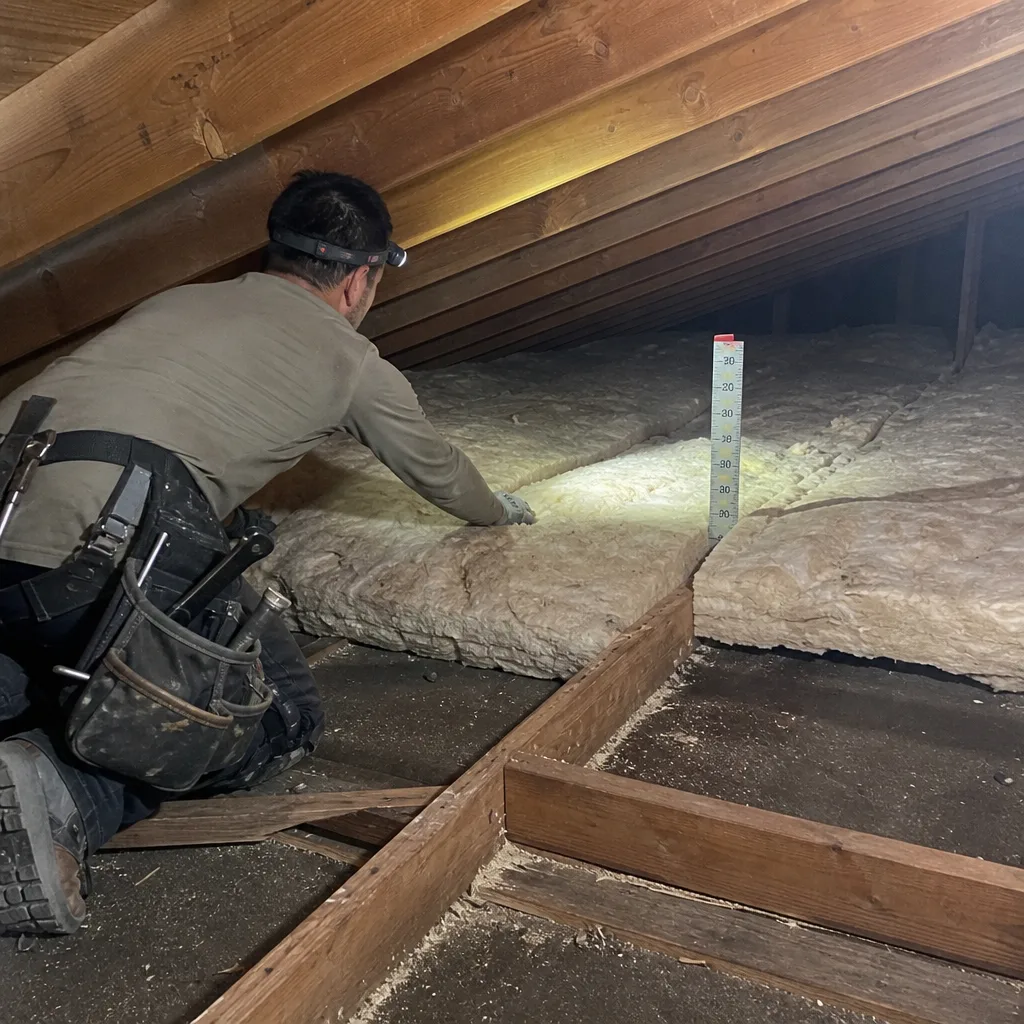
- Rockwool blown-in (Comfortbatt blown, or Granulated Rockwool) settling below labeled R-value. Blown mineral wool doesn’t settle as severely as cellulose, but in attics over 2:12 pitch roofs common in Mid-City, installer technique matters. We’ve measured 20% density variation where crews rushed the hose work. We vacuum out the uneven layer, re-establish proper depth markers, and reinstall to a consistent pounds-per-square-foot spec verified with core samples.
- TopRock DD and TopRock DP roof deck boards degraded by roof leaks. These dense boards go under membrane roofing on flat-top additions in Venice and Mar Vista. When the membrane fails, the board wicks water laterally and delaminates. We coordinate removal with the roofer’s tear-off, extract the saturated boards (they’re heavy, 8-11 pounds per square foot wet), dry the deck, and reinstall with proper drainage plane detailing.
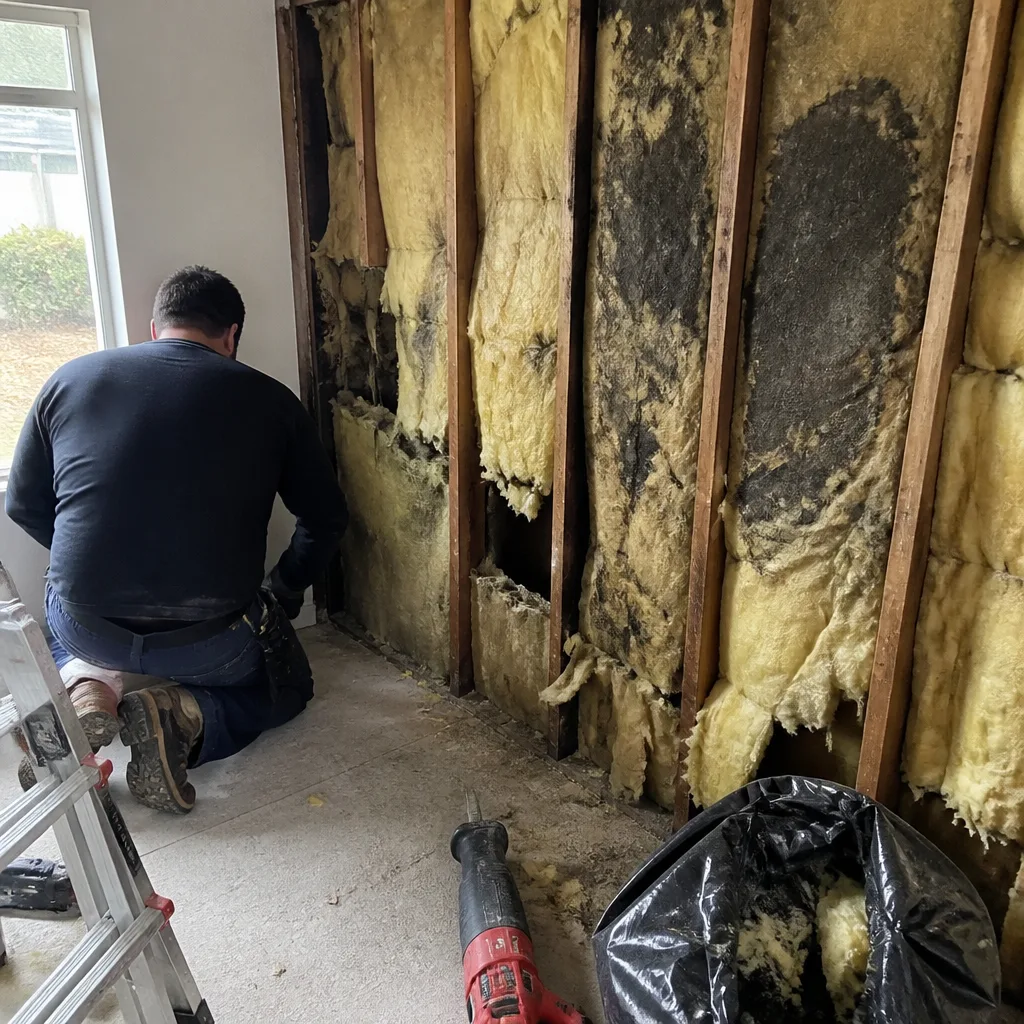
- Original Rockwool contaminated by rodent activity or fire-smoke particulate. The binder in Rockwool doesn’t off-gas, but the void spaces between fibers hold odor and bio-load. We see this in pre-1980s Los Angeles homes where Comfortbatt was added over old vermiculite. We HEPA-vacuum the entire cavity, apply enzyme treatment where needed, and replace with fresh material. If vermiculite is present, we follow LA County EH guidelines for asbestos-suspect material handling.
Our Rockwool Insulation Removal & Replacement Process
- 1
Call and scope. A live person answers 24/7. We schedule a site visit, not a phone guess.
- 2
Blower-door test and thermal scan. We pressurize the house to find air leakage paths before touching insulation. In Rockwool jobs, this often reveals bypassed soffit chases the previous installer missed.
- 3
Written price and material spec. You get a flat price, the exact product line, and the installed R-value before anyone lifts a tool. Haven Standard Clause 1.
- 4
Controlled removal. We use commercial HEPA vacuums, not shop vacs. Contaminated Rockwool is bagged on-site; clean material is staged for recycling where facilities accept it.
- 5
Air sealing, then replacement. Seal the holes first. Then measure the R-value. In that order. Top plates, can lights, pipe penetrations, and chimney chases get sealed before new insulation goes in.
- 6
Post-work documentation. Blower-door retest, photo record of the completed assembly, and written summary with before/after ACH50, installed R-value, and product data sheets. The 365-Day Done Right Promise applies from this date.
 Before
 After
AfterWhat Rockwool Insulation Removal & Replacement Costs in Los Angeles
| Scenario | Typical Range |
|---|---|
| Clean Comfortbatt attic removal, no contamination, up to 1,000 sq ft | $2,800-$4,200 |
| Contaminated removal (rodent, smoke, water) with enzyme treatment | $4,500-$6,500 |
| AFB evo wall cavity removal with air sealing and reinstall | $5,200-$8,000 |
| TopRock roof board removal coordinated with roofing contractor | $3,500-$5,500 (insulation only) |
| Vermiculite-suspect job with LA County EH-compliant handling | Add $1,800-$3,200 to base |
What moves the price: attic accessibility (hatch size, joist spacing), contamination level requiring PPE upgrade, whether the original install was over unsealed penetrations (more labor to do it right), and disposal fees at the nearest accepting facility. We also service Reflectix radiant barrier systems if your assembly combines brands. Call (628) 226-1097 for an exact quote. Estimates are free.
Why Los Angeles Homeowners Call Topside Attic Insulation Los Angeles for Rockwool Work
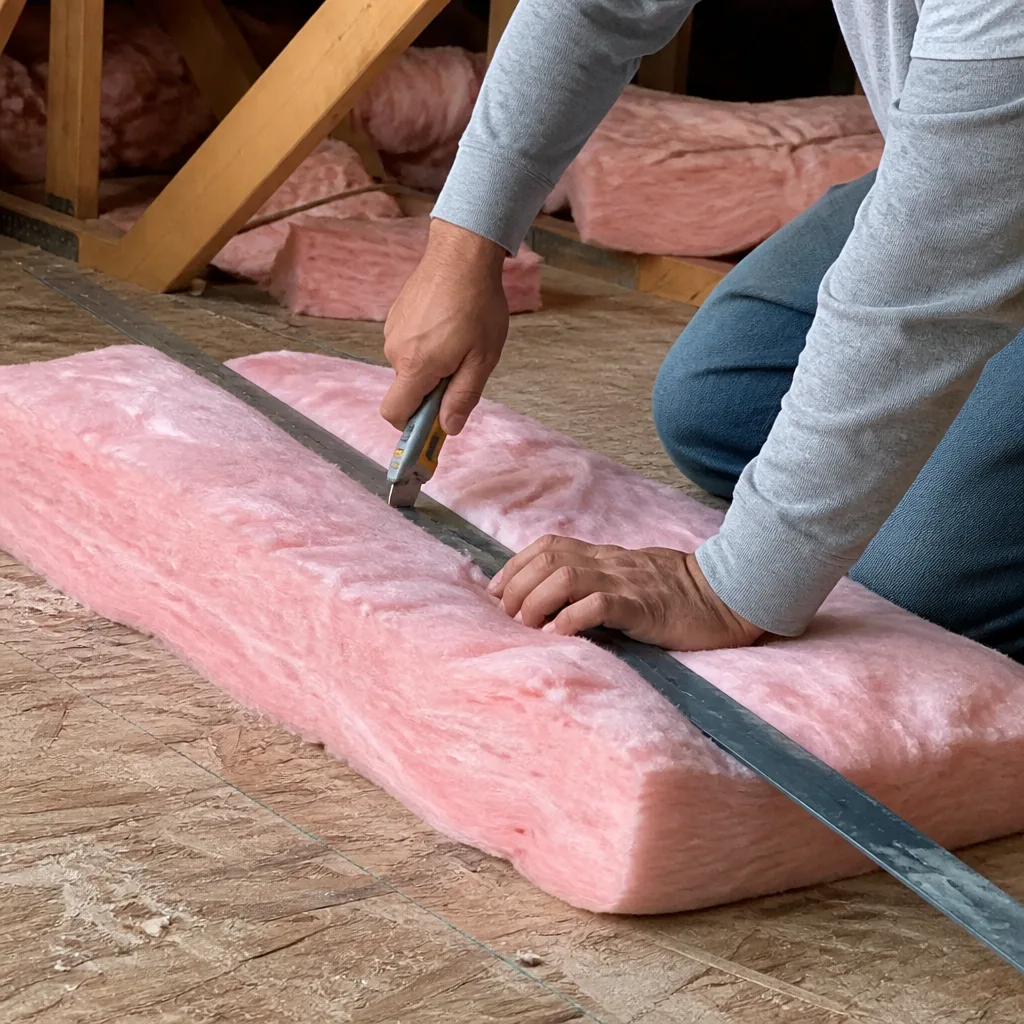
We’ve removed and replaced Rockwool in Los Angeles homes since 2016, and we’ve learned that mineral wool’s density rewards precise installation and punishes shortcuts. Our crews are background-checked, uniformed, and trained on Rockwool’s specific handling, compression sensitivity, and moisture behavior in our coastal-to-inland climate gradient. We don’t upsell air sealing. We complete it as a prerequisite, document the blower-door improvement, and hand you the numbers. The 365-Day Done Right Promise means if the R-value, the air leakage, or the installation quality isn’t what we specified, we return and correct it. No voicemail loops. No callback windows measured in business days. A live person answers (628) 226-1097.
FAQs
Rockwool’s limited warranty covers product defect, not installation or removal by third parties. As an independent Rockwool service provider, we document the original product line and batch where visible so any legitimate defect claim remains traceable. We don’t alter the fiber chemistry or density spec during removal. Call (628) 226-1097 if you need help identifying your install date and product line for warranty records.
Most residential attic removals finish in 4-8 hours; full replacement with air sealing typically spans two days. Contaminated jobs or vermiculite-suspect situations add a day for proper bagging, labeling, and transport to the accepting disposal facility. We text arrival times and crew names the morning of.
Spot repair is rarely cost-effective with Rockwool. The batts and blown material don’t patch cleanly, density matching is difficult, and the thermal bridge at the repair edge undermines performance. We typically recommend full-cavity or full-attic replacement with documented R-value. We’ll show you the thermal image and the price for both approaches so you decide.
We source current-production Rockwool lines including Comfortbatt, AFB evo, and TopRock through standard distribution. Discontinued lines get matched by density, R-value per inch, and fire rating. We also work with Owens Corning, Johns Manville, Knauf, and other manufacturers if a multi-brand solution performs better for your assembly. No proprietary lock-in.
We maintain scheduling flexibility for Rockwool removal jobs, especially where contamination or active roof leaks are involved. Call (628) 226-1097 and we’ll confirm the next available site visit, typically within 48 hours for standard requests and same-day for emergency water intrusion.
Written by Wes Okafor, Owner & Lead Insulation Technician, Topside Attic Insulation Los Angeles at Topside Attic Insulation Los Angeles, serving Los Angeles and nearby areas.