
Rockwool Spray Foam Insulation in Los Angeles: What to Know First
We provide independent Rockwool spray foam insulation in Los Angeles, typically scheduling within 48 hours and completing most jobs same-day. Most residential Rockwool spray foam insulation jobs in Los Angeles run between $2,400 and $5,800 depending on cavity depth, square footage, and whether we’re treating open-cell or closed-cell foam. We give you a written price before any work starts - no exceptions - and every job closes with a documented photo record and, where applicable, before-and-after blower-door numbers.
This page is for Los Angeles homeowners who already have Rockwool batts or boards in their walls, attics, or roof decks and need spray foam insulation added, replaced, or integrated. If you’re seeing drafts, moisture staining, or temperature stratification between rooms, call (628) 226-1097. We answer live, 24/7.
How Rockwool Products Fail - and How We Fix Them
- Comfortbatt R-23 compressed in 2×6 walls loses labeled R-value. We see this in Los Angeles hillside homes where framers stuffed full-thickness batts into irregular cavities. Compressed Rockwool performs below its rating because trapped air pockets collapse. We remove the compressed batts, air-seal the cavity with open-cell spray foam to the full depth, and verify with thermal imaging that no voids remain.
- Comfortboard 80 on roof decks gaps at seams in seismic-shift framing. Los Angeles’s clay soils and seasonal expansion cycle the roof deck against rafters, opening butt joints in rigid board. Warm, moist attic air hits the cold gap and condenses. We pull the compromised boards, seal the deck with closed-cell spray foam for monolithic coverage, and eliminate the seam failure mode entirely.
- AFB evo batts in interior partition walls transmit sound because the cavity isn’t sealed. Rockwool’s acoustic batts work only when the cavity is an airtight box. Most installers drop batts over unsealed electrical boxes and top plates. We pull the batts, foam-seal every penetration with open-cell spray foam, then reinstall - achieving the STC rating the product was engineered for.
- Toprock DD on commercial low-slope roofs ponds water at fastener penetrations. The dual-density board is dimensionally stable, but screw holes through the membrane create thermal bridges that sweat in Los Angeles morning marine layers. We excavate the wet core, treat the deck with closed-cell spray foam for self-flashing monolithic protection, and overlay new membrane.
- Rockwool cavityrock in rainscreen walls wicks moisture when the drainage plane fails. Los Angeles’s winter storm cycles push water past compromised building paper into the mineral wool. Unlike fiberglass, Rockwool doesn’t degrade when wet, but it stays wet longer. We remove the affected boards, inspect the WRB, and replace with closed-cell spray foam that sheds bulk water and maintains R-value when saturated.
Our Rockwool Spray Foam Insulation Process
- 1
Call and schedule. A live person answers. We book a diagnostic window and text you when Wes Okafor or your assigned technician is en route.
- 2
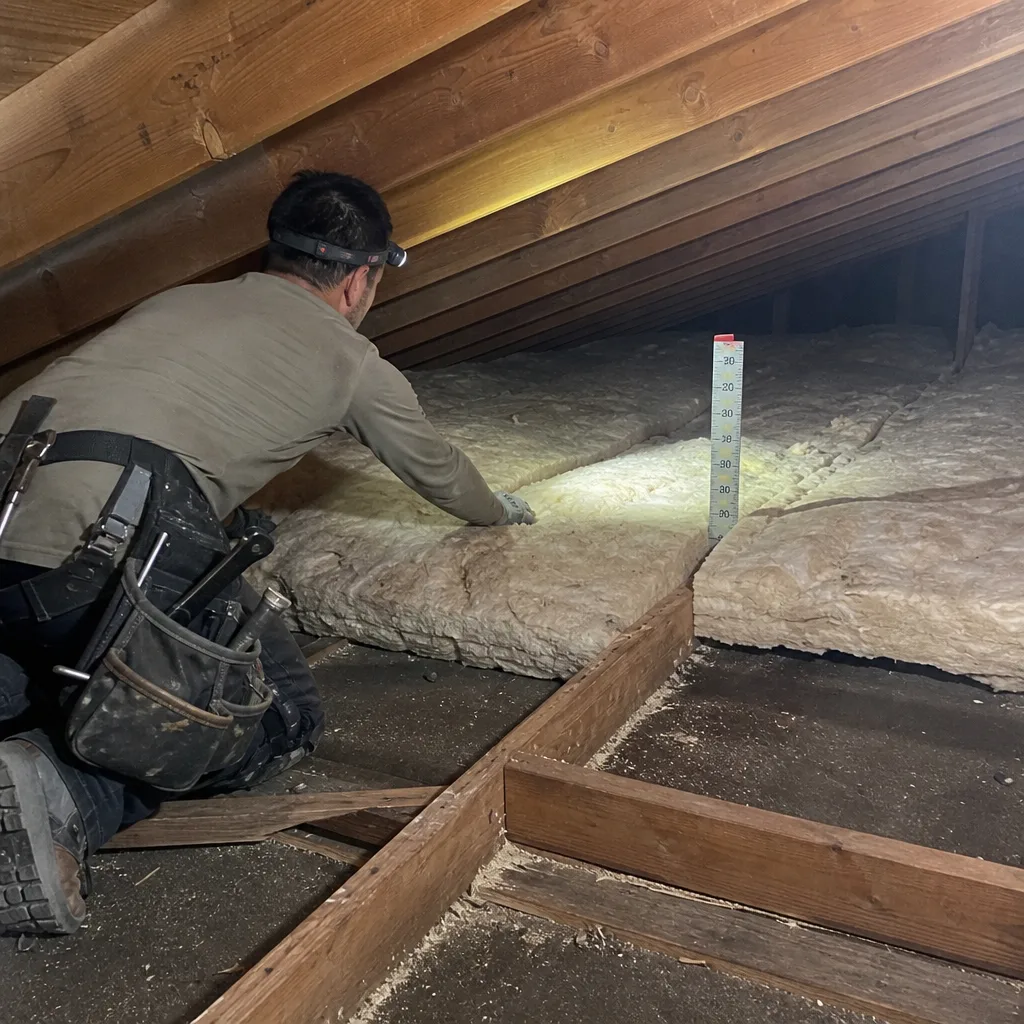
Blower-door test and thermal scan. We pressurize the house to measure CFM50 leakage, then use FLIR to map where your Rockwool is bypassed by air movement. You get the before number in writing.
- 3
Written price before any work starts. We specify open-cell or closed-cell, board feet, and whether we’re supplementing or replacing your Rockwool. No surprises. Haven Standard Clause 1.
- 4
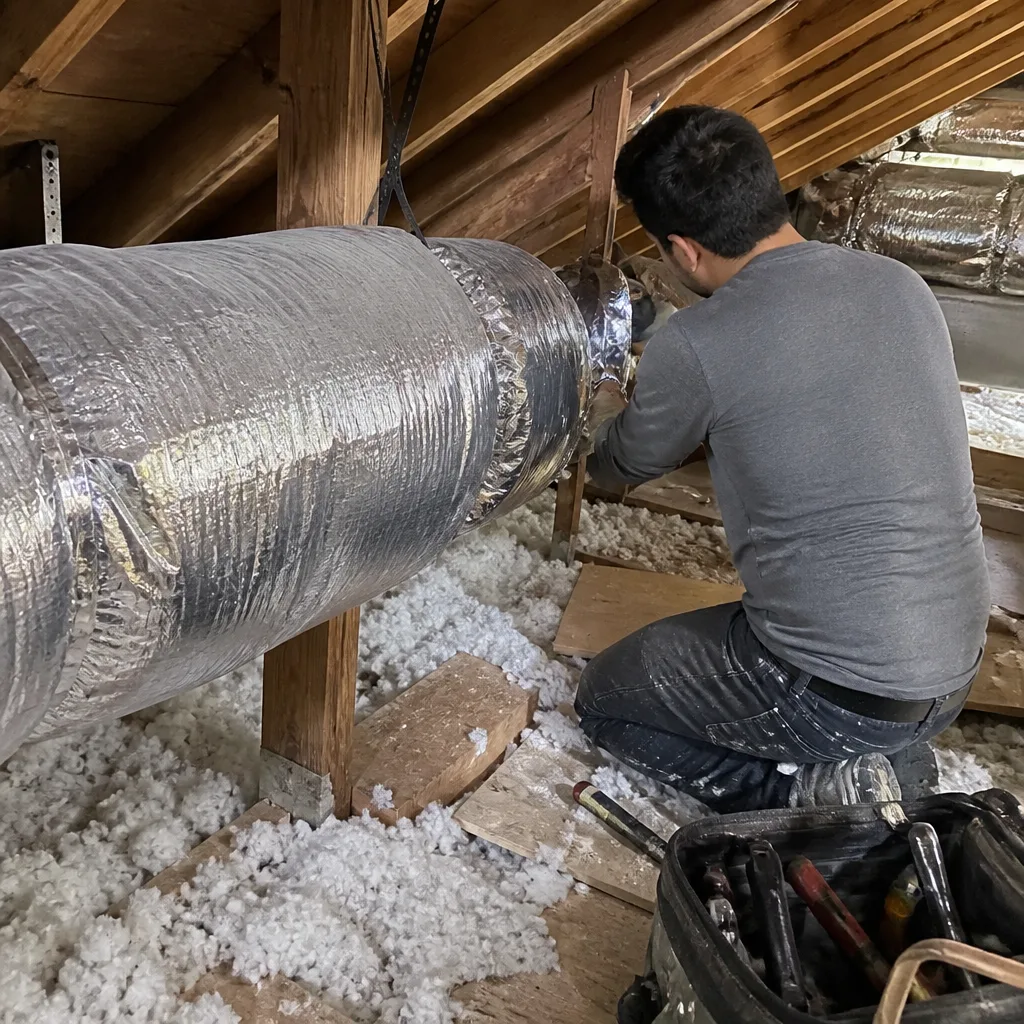
Air seal first, then insulate. Top plates, can lights, soffit chases, and penetrations get sealed. Seal the holes first. Then measure the R-value. In that order.
- 5
Spray foam application and real-time thickness verification. We probe the foam during installation to confirm the specified depth, not after it’s skinned over.
- 6
Post-work blower-door test and documentation. You receive the after number, installed R-value, product data sheets, and photos of the completed assembly. If it’s not done right, we make it right - 365-Day Done Right Promise.
 Before
 After
AfterWhat Rockwool Spray Foam Insulation Costs in Los Angeles
These are real ranges for Rockwool-related spray foam jobs we’ve completed in Los Angeles neighborhoods from Silver Lake to the Palos Verdes Peninsula:
| Job Type | Typical Range | What Moves Price |
|---|---|---|
| Open-cell spray foam over existing Rockwool batts (attic, 1,200 sq ft) | $2,400 - $3,600 | Cavity depth, accessibility, whether we remove or supplement existing |
| Closed-cell spray foam replacement of Rockwool board (roof deck, 800 sq ft) | $3,800 - $5,200 | Deck pitch, tear-off labor, need for vapor barrier retrofit |
| Rim joist closed-cell (crawl space or basement, perimeter only) | $1,800 - $2,800 | Linear feet, existing moisture damage, need for drainage mat |
| Garage ceiling open-cell (two-car, exposed joists) | $2,200 - $3,400 | Joist spacing, firewall separation requirements, hose run distance |
Prices include air sealing, material, labor, cleanup, and documentation. We also provide a Free Second Opinion on any written estimate you’ve already received - bring us the competing quote and we’ll read it with you. Call (628) 226-1097 for your exact written price; estimates are free.
Why Los Angeles Homeowners Call Topside Attic Insulation Los Angeles for Rockwool Work
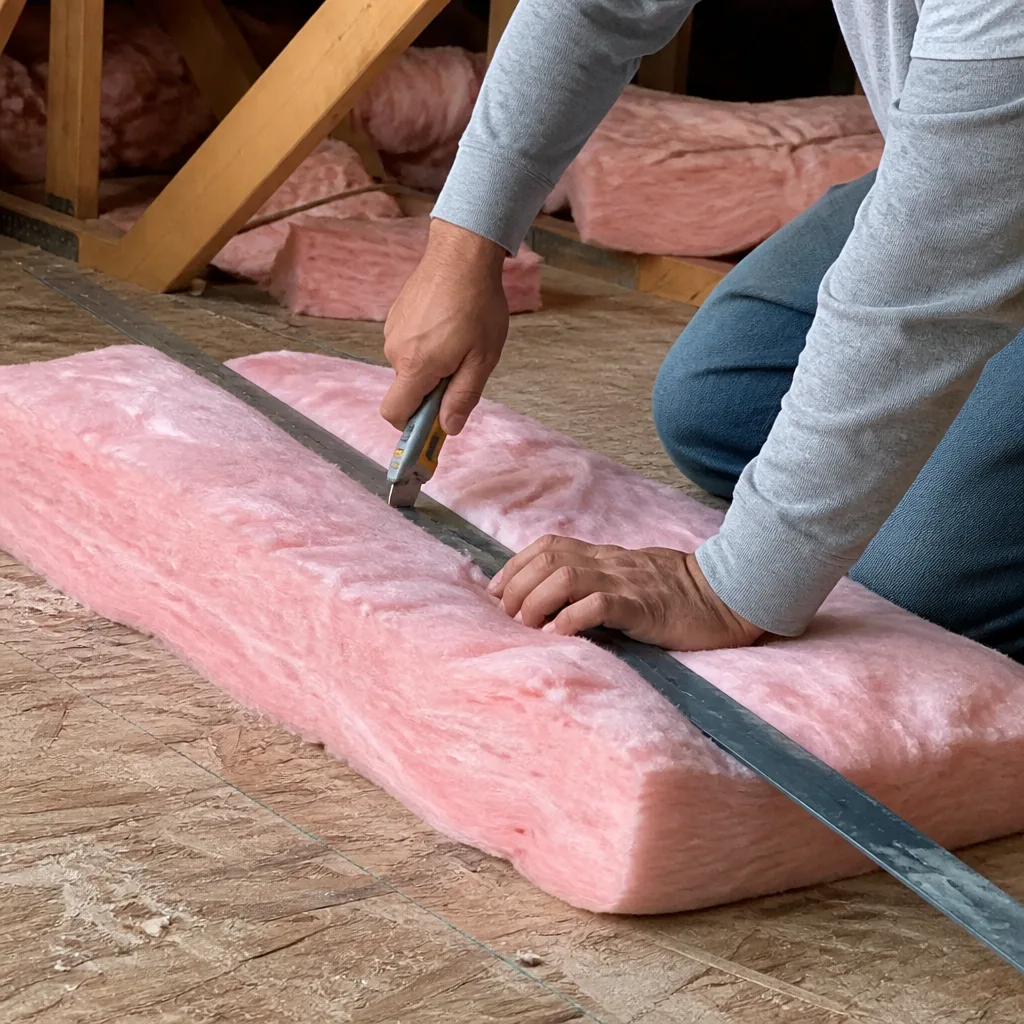
We’ve sealed and insulated over 9,000 homes since 2016, and a growing share of our Los Angeles work involves Rockwool retrofits where the original installation didn’t account for air leakage. Wes Okafor learned the trade at Richard J. Daley College’s HVAC and building science programs, and he’s spent two decades measuring attic assemblies before blowing anything into them. Our crew knows the difference between Comfortbatt and Comfortboard, between a rainscreen application and a roof deck, and we don’t pretend Rockwool and spray foam are interchangeable - they’re complementary when sequenced correctly.
We also service Reflectix and other major brands, so if your project involves multiple insulation types, one crew handles it. Calls are answered live 24/7. Background-checked, uniformed technicians. Written price before any work starts. Documented photo record on every visit. That’s the Haven Standard.
FAQs
No - Rockwool’s limited warranty covers manufacturing defects in the original product, not subsequent modifications to the assembly. As an independent Rockwool service provider, we document the condition of your existing Rockwool before modification and preserve product data sheets so any future warranty claim on the original material remains traceable. Call (628) 226-1097 if you want us to review your specific installation.
Closed-cell spray foam requires an ignition barrier or thermal barrier to meet California building code in occupied spaces, which Rockwool batts do not. We specify the correct barrier system - intumescent coating or 1/2-inch gypsum - based on your application and permit the work to Los Angeles code. The assembly rating depends on the complete system, not the foam alone.
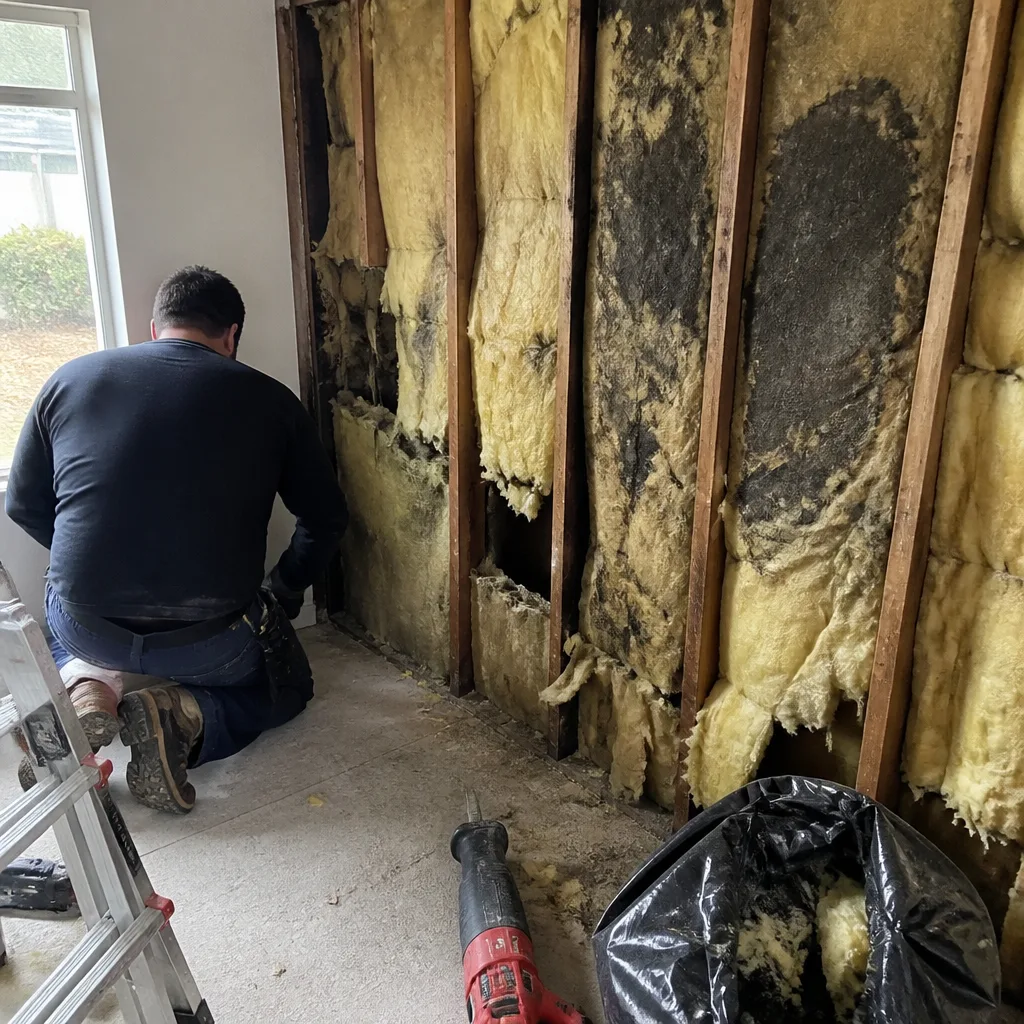
Supplementing existing Rockwool with open-cell spray foam is usually 30-40% less expensive than full removal and replacement, but only if the Rockwool is dry, uncompressed, and the cavity is air-sealed first. Wet or mold-affected Rockwool must come out - we photograph the condition and show you before quoting either approach. Call (628) 226-1097 for a free evaluation.
Most residential jobs are completed in one day, with two days for larger roof-deck replacements. We schedule within 48 hours of your call and arrive on the confirmed day. Under Haven Standard: Arrive on schedule, you get a named technician and a text when they are on the way.
We source materials from Owens Corning, Johns Manville, Knauf, Rockwool, CertainTeed, Icynene, Demilec, and GreenFiber - no proprietary lock-in. For Rockwool-to-spray-foam retrofits, we typically supply the spray foam component and work with your existing Rockwool where it’s salvageable. If you need matching Rockwool for a partial replacement, we order to spec with documented product data sheets.
Ready for a written price before any work starts? Call (628) 226-1097. We answer live, 24/7, and we’ll schedule your free estimate at a time that works for your calendar.
Written by Wes Okafor, Owner & Lead Insulation Technician, Topside Attic Insulation Los Angeles at Topside Attic Insulation Los Angeles, serving Los Angeles and nearby areas.