
How Much Does Crawl Space Encapsulation & Vapor Barrier Cost in Los Angeles?
Crawl Space Encapsulation & Vapor Barrier services in Los Angeles typically cost between $3,500 and $8,500 for a standard single-family home, with most jobs in the $4,200 to $6,800 range depending on square footage, access conditions, and whether existing moisture damage needs to be addressed first. A vapor barrier installation alone – without full encapsulation – runs $1,200 to $3,000 for most Los Angeles homes. Get a written price before any work starts; that’s not a suggestion, it’s how every job at Envelope Insulation Co. is structured under the Haven Standard.
Crawl Space Encapsulation & Vapor Barrier Cost Breakdown (2026)
Most homeowners searching for this price don’t want a range wrapped in disclaimers – they want to know what the line items look like. Here’s how a typical crawl space encapsulation project in Los Angeles breaks down:
| Scope of Work | Typical Los Angeles Cost Range |
|---|---|
| Vapor barrier only (6-mil poly sheeting, basic install) | $1,200 – $2,200 |
| Vapor barrier (20-mil reinforced, full floor coverage) | $2,000 – $3,500 |
| Full encapsulation – small crawl space (under 800 sq ft) | $3,500 – $5,200 |
| Full encapsulation – mid-size crawl space (800-1,500 sq ft) | $5,000 – $7,200 |
| Full encapsulation – large crawl space (1,500+ sq ft) | $7,000 – $10,500 |
| Crawl space insulation (floor joists, after encapsulation) | $1,800 – $4,200 |
| Drainage matting under vapor barrier | $400 – $900 |
| Crawl space vent sealing | $300 – $700 |
| Dehumidifier installation (crawl space grade) | $900 – $2,200 |
| Old insulation or debris removal before encapsulation | $500 – $2,500 |
| Minor moisture remediation / mold treatment | $600 – $3,000 |
A few things shift these numbers in the Los Angeles market specifically. Homes built before 1980 in neighborhoods like Silver Lake, Eagle Rock, and Highland Park often have shallow crawl spaces – sometimes less than 18 inches of clearance – that slow down installation and raise labor costs by 15 to 30 percent. Conversely, post-1990 construction in areas like Porter Ranch or parts of the San Fernando Valley tends to have more accessible spaces and fewer surprises behind the walls. The age and condition of existing Crawl Space Insulation also matters considerably: if there’s old fiberglass batt hanging from the floor joists in poor condition (common in Pasadena-adjacent homes we visit frequently), that needs to come out before a proper vapor barrier goes down, which adds $500 to $1,500 to the total.
The barrier material grade has a real effect on long-term performance, not just upfront cost. A basic 6-mil poly sheet costs less and is adequate for mild conditions, but Los Angeles homes near hillside soils – think Mt. Washington, Glassell Park, or the lower slopes of the Santa Monica Mountains – often benefit from a thicker 12-mil or 20-mil reinforced liner that handles ground movement and resists puncture from rocky substrate. That upgrade adds $600 to $1,400 depending on square footage but meaningfully extends the liner’s useful life.
What Affects Crawl Space Encapsulation & Vapor Barrier Pricing in Los Angeles
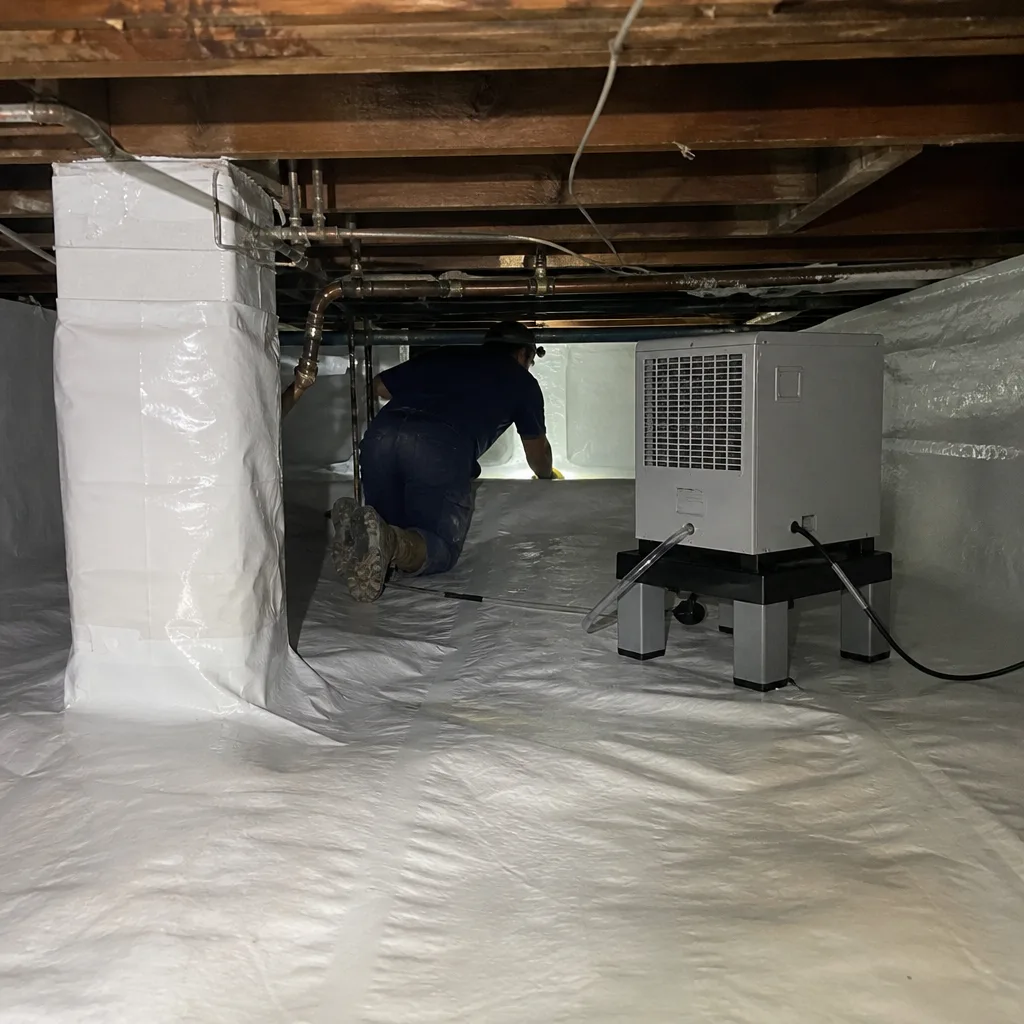
- Crawl space square footage and ceiling height. Labor is time-based, and a technician moving through a 22-inch clearance space in a 1950s Atwater Village bungalow takes roughly twice as long as working in a newer home with 36-inch access. Tight spaces drive labor costs up, sometimes significantly.
- Soil moisture and existing conditions. Los Angeles sits in a semi-arid climate, but that doesn’t mean crawl spaces stay dry. Hillside homes in Los Feliz and Laurel Canyon see concentrated groundwater movement after winter rains, and homes near the LA River corridor – Elysian Valley, Cypress Park – occasionally show chronic dampness that needs to be addressed before the liner goes down. Finding active moisture adds scope; ignoring it guarantees a callback.
- Barrier material and thickness. The step from 6-mil to 20-mil reinforced liner isn’t just a marketing upsell – it’s a practical decision based on substrate type, soil composition, and how much foot traffic the crawl space gets from HVAC technicians or plumbers. Thicker material costs more upfront; it costs less over 10 years.
- Vent sealing and conditioning strategy. California’s Title 24 building code has specific requirements around crawl space venting. In Los Angeles, the decision to seal foundation vents (shifting to a “conditioned crawl space” model rather than a ventilated one) affects both permit requirements and total project cost. This is not a decision to skip past quickly, and any contractor who skips past it quickly is a signal to get a second opinion.
- Old insulation and debris removal. Homes in older Los Angeles neighborhoods frequently have compromised or rodent-damaged fiberglass batts hanging between the floor joists. That material has to come out before a clean encapsulation can go in. Removal, bagging, and disposal adds cost, but skipping it means the vapor barrier is going down over a contaminated substrate – which defeats the purpose.
- Mold, mildew, or pest remediation. Encapsulation is a moisture-management strategy, not a mold treatment. If the inspection reveals active fungal growth or signs of rodent activity (both of which are more common in crawl spaces beneath homes that went unoccupied during the 2020-2022 period in neighborhoods like Boyle Heights and Echo Park), that needs to be addressed separately before the liner is installed. Adding mold treatment to an encapsulation project typically adds $600 to $3,000 depending on extent.
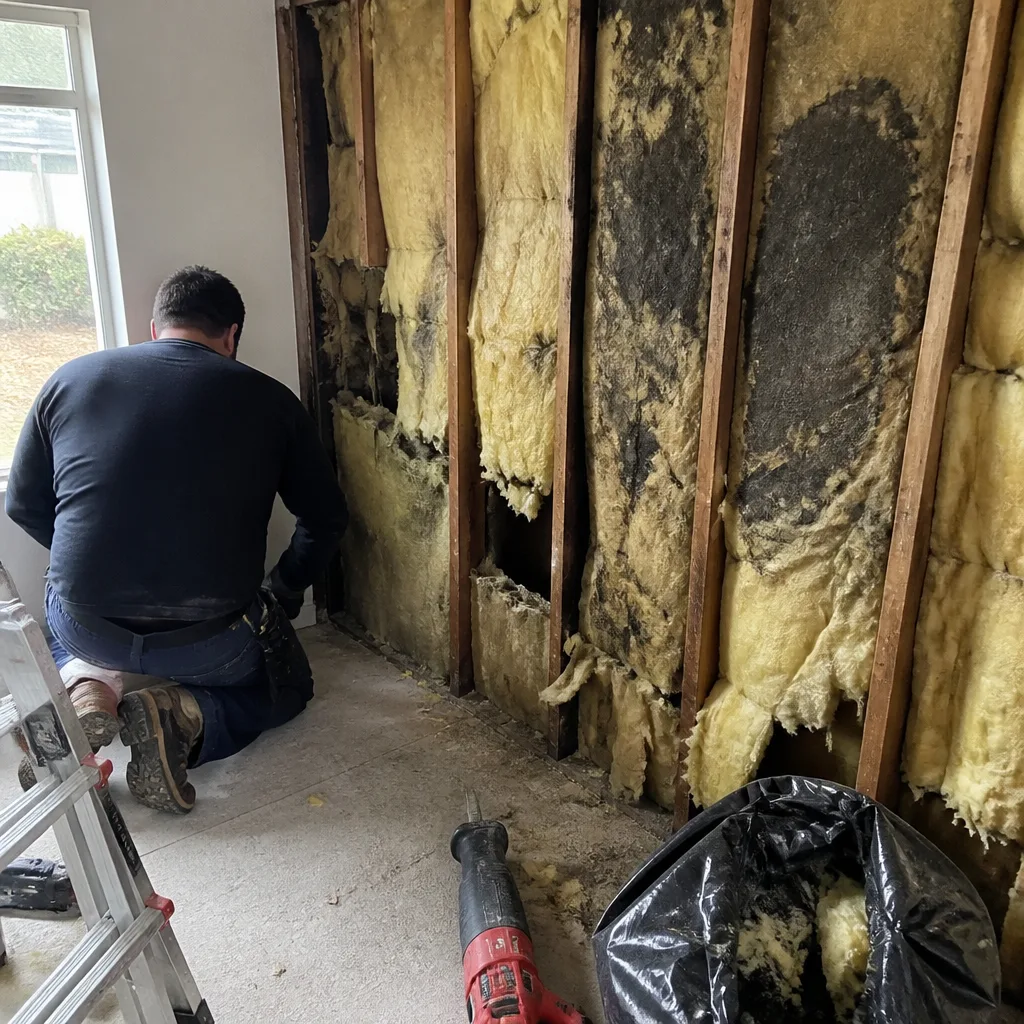 Before
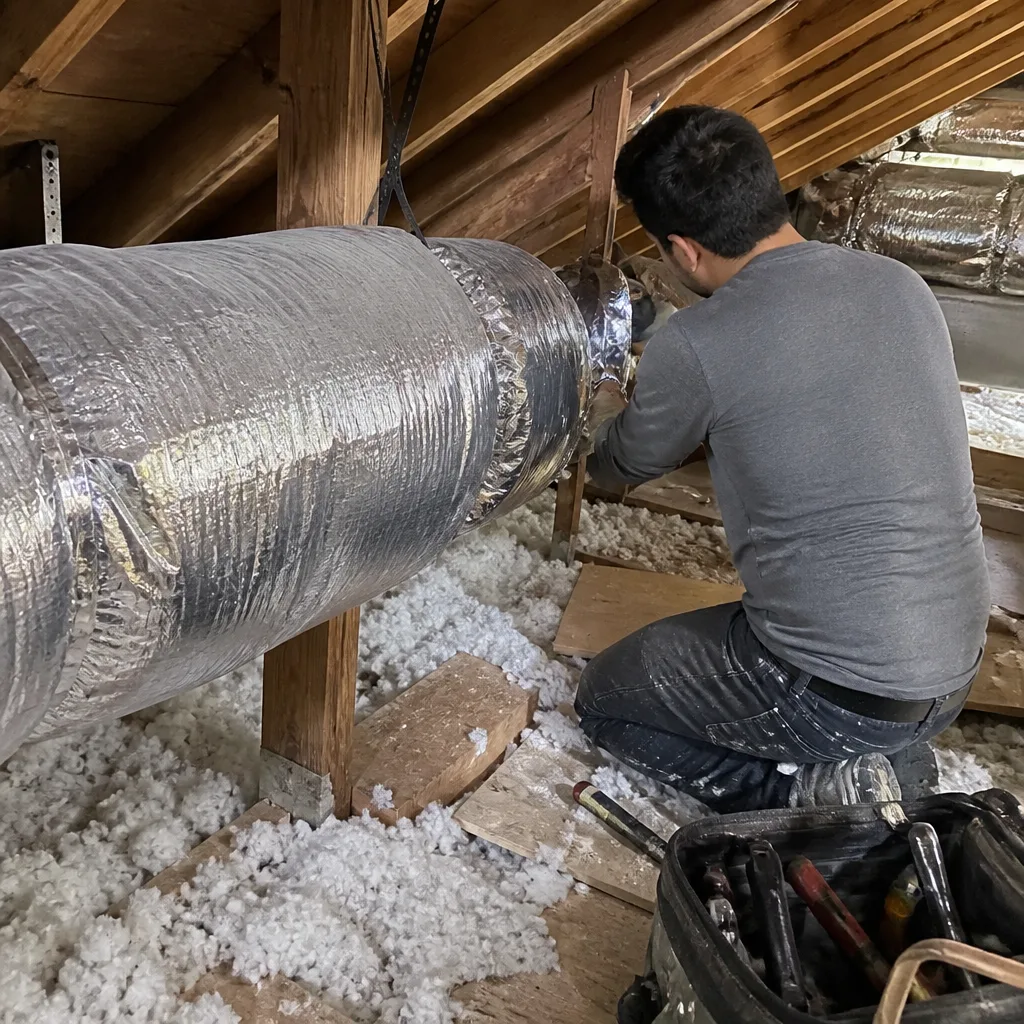 After
AfterLos Angeles-Specific Factors You Won’t Read on Generic Pricing Pages
Generic crawl space pricing guides are written for a national average that doesn’t describe Los Angeles. Here’s what actually shows up in local jobs:
Hillside soil movement. Homes on the hillsides above Griffith Park, in parts of Glassell Park, and on the ridges of the Hollywood Hills sit on soils that shift measurably after significant rain events. That movement creates micro-tears in thinner vapor barriers over time. We’ve re-done vapor barrier installations in these areas where the original contractor used 6-mil sheeting and the homeowner was back to a moisture problem within four years. A 20-mil reinforced liner is almost always the right call for hillside Los Angeles properties.
Los Angeles’s mild winter dampness creates a specific risk window. The region doesn’t get sustained cold, but it does get focused winter rain, and crawl spaces under homes in lower-lying areas of the San Fernando Valley and the Basin floor collect that moisture with very little natural drying in the weeks that follow. We regularly see spring inspections in Northridge and Van Nuys where six weeks of January-February rain has created moisture readings in the crawl space wood that wouldn’t be acceptable in a market with real humidity management. Encapsulation stops that cycle.
Title 24 vent sealing compliance. If a contractor suggests sealing your foundation vents without mentioning California Title 24 or discussing the conditioned-versus-ventilated crawl space question, slow down. The code language matters for permit compliance and affects how the crawl space handles humidity on an ongoing basis. We price out both approaches and let the homeowner see the written comparison before anything is decided – that’s Haven Standard in practice.
Older construction in central Los Angeles neighborhoods. Craftsman-era and post-war construction in neighborhoods like Jefferson Park, West Adams, and Leimert Park often has irregular joist spacing, original wood that has absorbed decades of seasonal moisture, and access hatches that weren’t designed with a technician in mind. These conditions are workable – we handle them regularly – but they are not reflected in the generic cost estimates that assume standard modern framing.
How to Save on Crawl Space Encapsulation & Vapor Barrier in Los Angeles
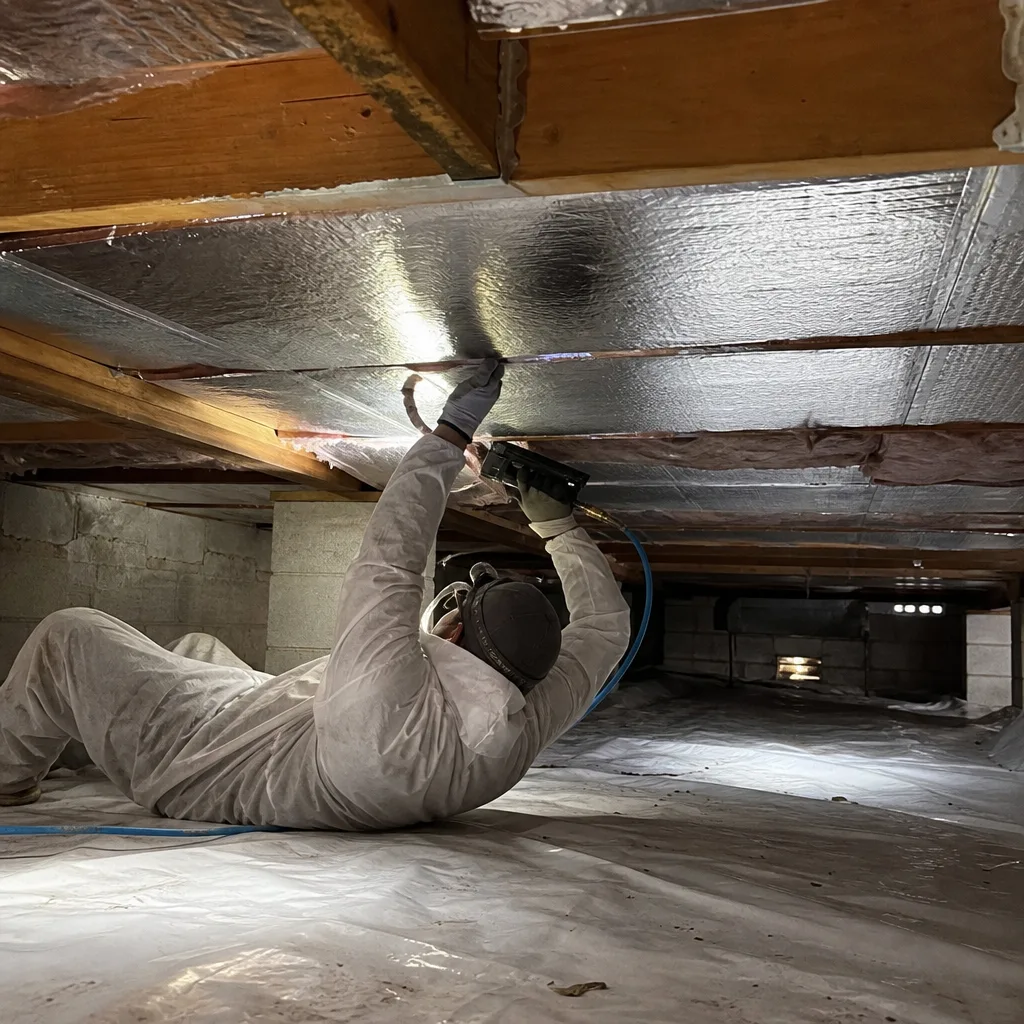
There are genuine ways to reduce total project cost, and there are ways that appear to save money and cost more later. Here’s the honest version:
Get the inspection before assuming you need full encapsulation. Sometimes a homeowner calls about encapsulation and the actual problem is three unsealed vents and a section of failed vapor barrier covering about 200 square feet. That’s a $600 repair, not a $6,000 project. A thorough written inspection – with photos – is the starting point. Under the Haven Standard, the documented photo record comes with every visit, so you’re not relying on memory or a verbal description of what was found.
Address moisture before you encapsulate, not after. If there’s active water intrusion – a grading issue, a downspout directing water toward the foundation, a cracked stem wall – encapsulating over it doesn’t fix the problem, it hides it. Fixing the source is almost always cheaper than re-doing an encapsulation job two years later. This is the kind of thing our technicians flag in writing before the project scope is finalized.
Don’t separate the insulation question from the encapsulation question. In Los Angeles, crawl space floor insulation (the batts between the floor joists above the crawl space) and vapor barrier installation are often quoted and done separately by different contractors – which means neither contractor is thinking about how the two systems interact. Doing them together, or at minimum pricing them together as a complete package, often costs less and produces a better air-sealing result. Our Crawl Space Encapsulation & Vapor Barrier in Los Angeles service page covers how we approach this as a building-envelope question, not just a moisture question.
Use the Free Second Opinion on any written estimate. If you have a written quote from another contractor, bring it to us. We’ll read through the scope line by line and tell you what’s there, what might be missing, and whether the pricing reflects current Los Angeles market conditions. There’s no obligation and no cost. Call (628) 226-1097 to set that up.
Don’t buy dehumidifier capacity you don’t need. A common upcharge in this category is oversized dehumidifier installation. Crawl space dehumidifiers are sized in pints-per-day capacity, and the right size depends on the actual cubic footage of the space and the moisture load. Bigger is not automatically better and costs more to run. We size equipment to the space and document the recommendation in writing.
Check for utility rebates. Southern California Edison and SoCalGas both run rebate programs tied to home energy improvements. Crawl space encapsulation doesn’t always qualify directly, but when it’s paired with floor insulation or as part of a broader energy audit, it can contribute to a qualifying improvement package. The specifics change year to year; it’s worth checking the current program terms before the project closes.
FAQs – Crawl Space Encapsulation & Vapor Barrier Cost in Los Angeles
How much does crawl space encapsulation cost in Los Angeles in 2026?
Full crawl space encapsulation in Los Angeles costs between $3,500 and $8,500 for most single-family homes, with the majority of jobs landing in the $4,200 to $6,800 range. Smaller spaces under 800 square feet come in toward the lower end; larger crawl spaces in older homes with access challenges or existing moisture damage push toward the top of that range. Call (628) 226-1097 for a written estimate specific to your home’s square footage and conditions – the estimate is free and includes a documented inspection record.
Is vapor barrier installation cheaper than full encapsulation?
Yes, significantly. A vapor barrier alone – typically a 6-mil to 20-mil poly liner installed on the crawl space floor – runs $1,200 to $3,500 in Los Angeles depending on material grade and square footage. Full encapsulation goes further: it includes sealing the walls, covering the floor with a reinforced liner, sealing vents, and often adding a dehumidifier or drainage layer. The price difference is real, but so is the performance difference. A basic vapor barrier manages ground moisture; full encapsulation controls the entire crawl space environment. Which one is right depends on your home’s conditions, not a preference for the less expensive option.
Does crawl space encapsulation require a permit in Los Angeles?
It depends on the scope of work. Vapor barrier installation on its own generally doesn’t require a permit in the City of Los Angeles. However, sealing foundation vents – which shifts the crawl space from a ventilated to a conditioned state – can trigger a permit requirement under California’s Title 24 energy code provisions. If a contractor is proposing vent sealing and isn’t mentioning permits, ask the question directly. The written scope we provide before any work starts names the permit requirements that apply to your specific project, so there are no surprises after the fact.
How long does crawl space encapsulation last in Los Angeles?
A properly installed encapsulation system using a 20-mil reinforced liner typically lasts 15 to 25 years under normal Los Angeles conditions. Thinner 6-mil poly can degrade in as few as 5 to 10 years, particularly in hillside properties where soil movement creates stress on the material. The liner’s longevity also depends on whether the underlying moisture source was actually corrected before installation – a liner installed over active water intrusion will fail sooner regardless of material grade. The documented photo record we provide at project close gives you a baseline to compare against at future inspections.
Is it worth encapsulating a crawl space in a Los Angeles home?
For most Los Angeles homes with accessible crawl spaces, yes – particularly homes built before 1985 that have never had the crawl space addressed. The return comes from reduced floor-level moisture (which affects both structural wood and indoor air quality), better performance from HVAC ducts running through the crawl space, and lower energy costs when paired with floor insulation. Homes in hillside neighborhoods, homes with a history of musty odors at floor level, and homes where the HVAC system lives in the crawl space tend to see the clearest benefit. For an honest assessment of whether your specific home warrants the investment, the written inspection we provide is the right starting point – call (628) 226-1097 and we can schedule it.
Can I install a vapor barrier myself in Los Angeles?
Technically, a homeowner can purchase and lay a basic poly vapor barrier in their own crawl space – it doesn’t involve the kind of hazards that make DIY a serious safety concern the way electrical panels or high-tension spring work does. But in practice, most Los Angeles crawl spaces present enough variables – irregular perimeters, plumbing penetrations, debris, low clearance, and the California Title 24 vent question – that the installed result from a DIY effort frequently leaves gaps that undercut the whole purpose. More to the point, the inspection that identifies what you actually need before you buy material is often where the real value is. A professional inspection that turns up “you just need a 200-square-foot patch and three sealed vents” saves money; a DIY liner that goes over unaddressed moisture doesn’t.
Crawl Space Encapsulation vs. Vapor Barrier: What’s the Actual Difference?
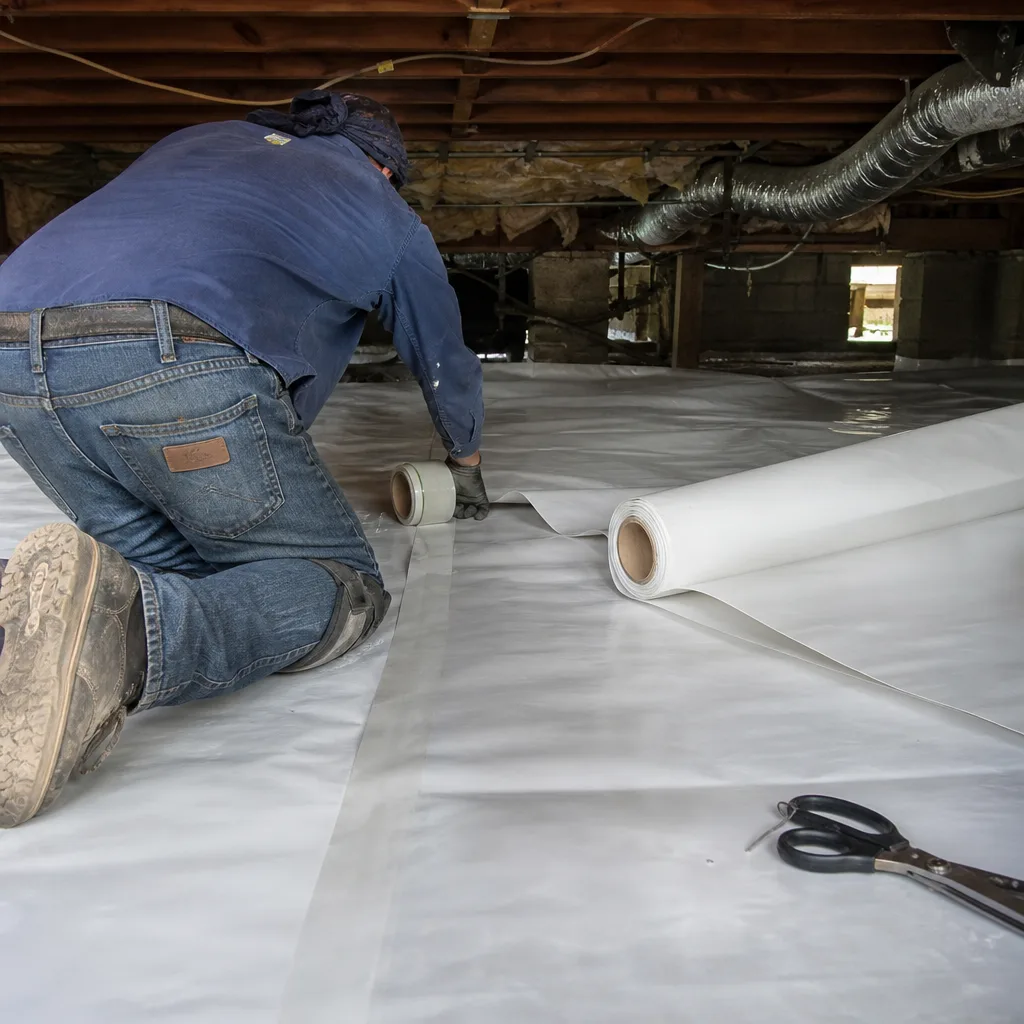
This comes up in nearly every consultation, and the confusion is understandable because contractors use these terms inconsistently. Here’s the plain version:
A vapor barrier is a poly liner – typically 6-mil to 20-mil thickness – installed on the crawl space floor to block ground moisture from evaporating into the space above. It’s a floor-only solution. It addresses soil vapor transmission. It doesn’t seal vents, doesn’t cover walls, and doesn’t control the air environment in the crawl space itself.
Encapsulation is a complete system: reinforced liner on the floor, barrier material on the foundation walls, sealed foundation vents, and typically some form of humidity control (a crawl space-rated dehumidifier or integration with the home’s HVAC). The goal is to make the crawl space a controlled environment rather than a vented space that communicates freely with outdoor air and ground moisture.
In Los Angeles, the right choice depends on your home’s specific moisture load, its construction era, and what’s already in the crawl space. Homes in consistently dry micro-climates with good drainage and no history of moisture problems can often get by with an upgraded vapor barrier. Homes with any combination of hillside exposure, older construction, prior moisture staining on joists, or HVAC equipment in the crawl space usually benefit from the full encapsulation approach. We’ve worked on both scenarios across Los Angeles – from Chatsworth to San Pedro – and the written inspection report names exactly what we found and what we’d recommend before a dollar of work is committed.
What’s Included in an Envelope Insulation Co. Crawl Space Encapsulation Job
Because “encapsulation” means different things to different contractors, here’s what a completed Envelope Insulation Co. crawl space project in Los Angeles looks like from start to finish:
- Written scope and flat price before any work starts. This is Haven Standard Clause 1, not a courtesy. The written document names the square footage being addressed, the liner material and grade, whether vents are being sealed, what removal scope (if any) is included, and the final price. No surprises after the crew arrives.
- Pre-job documented photo record. Every visit includes photos of existing conditions – moisture staining, failing insulation, debris, access conditions – so the before state is documented before we touch anything.
- Old insulation or debris removal if needed. If damaged batts are hanging from the floor joists, they come out. The space needs to be clean before the liner goes down.
- Floor liner installation. Material grade is specified in the written scope. Seams are overlapped and taped; the liner runs up the foundation walls and is fastened at the top plate level.
- Foundation wall coverage. In a full encapsulation, the liner wraps the perimeter walls to create a continuous barrier between the earth and the conditioned space above.
- Vent sealing (when specified). Foam-sealed or rigid-panel sealed foundation vents, with the California Title 24 compliance question answered in writing before this step is committed to.
- Post-job documented photo record. Every project closes with a complete photo record of the finished installation, delivered to the homeowner. Not available on request – included.
- 365-Day Done Right Promise. If it’s not right, we make it right. That’s in writing before anyone starts.
Materials used in our crawl space projects are sourced from manufacturers including Owens Corning, Johns Manville, and CertainTeed, among others. There’s no proprietary product lock-in; the material specified is the one that fits the job’s conditions.
Related Resources for Los Angeles Homeowners
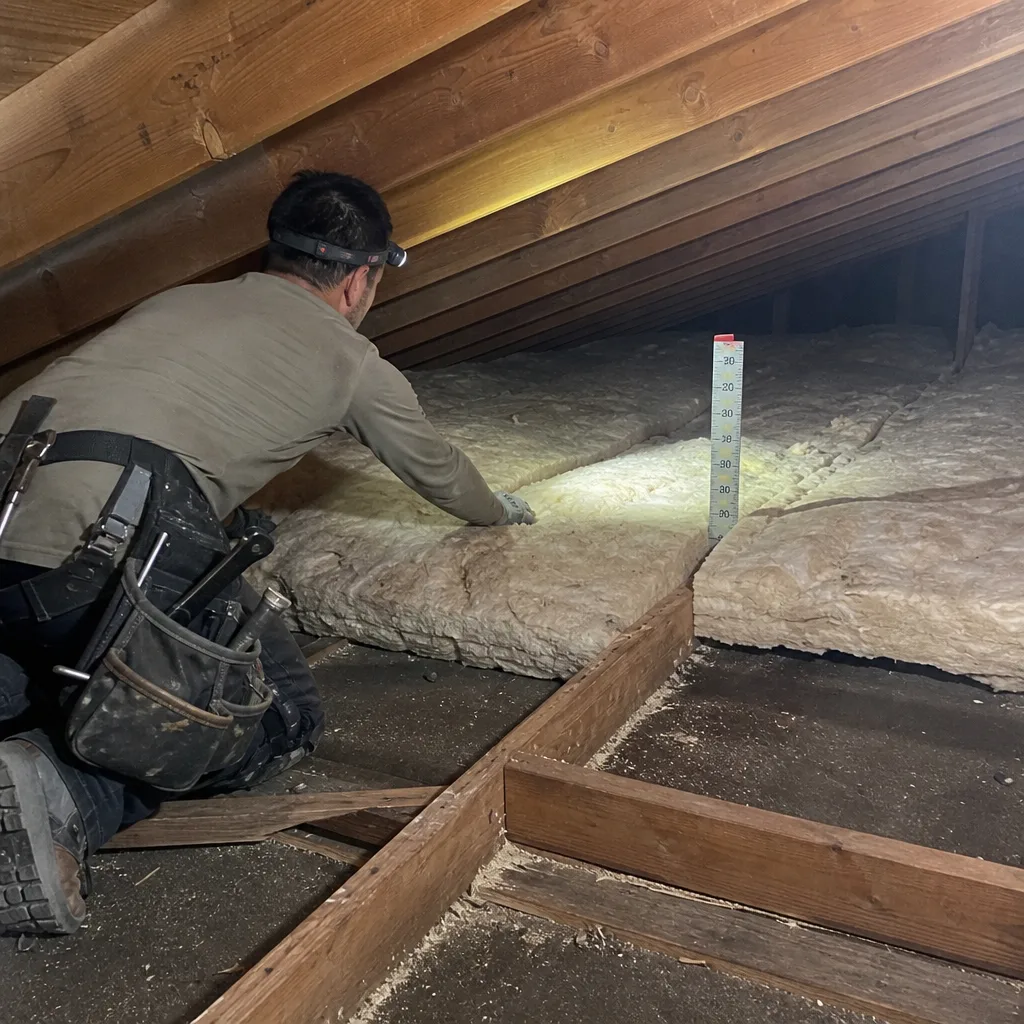
Crawl space encapsulation is one part of a home’s building envelope. If you’re already thinking about moisture and air sealing in the crawl space, these related services affect the same performance outcome:
- A home energy audit from Envelope Insulation Co. maps the air leakage and insulation gaps across your entire building envelope – attic, walls, and crawl space – before you decide where to spend first.
- Floor insulation above the crawl space (installed between the floor joists) works directly with encapsulation; the two systems are more effective together than separately.
- Attic air sealing is the same building-science discipline applied to the top of the house: sealing penetrations before insulation goes in so conditioned air stays where it belongs.
If you’re comparing quotes from multiple contractors, the Free Second Opinion offer applies here: bring us any written estimate and we’ll read through the scope with you at no charge.
Written by Wes Okafor, Owner at Envelope Insulation Co. (operating as Topside Attic Insulation Los Angeles), serving Los Angeles since 2016. Pricing reflects the Los Angeles market as of 2026. Envelope Insulation Co. offers free written estimates on crawl space encapsulation and vapor barrier projects – call (628) 226-1097 to schedule your inspection.
What Our Customers Say
"The winter gas bill dropped by about a third. They had estimated a quarter, so they under-promised."
- Genevieve R."Fixed price, clean work, and they hauled the old material away as agreed."
- Todd M."Crawl space encapsulation done properly. Photographs of the vapour barrier at every seam, and the damp smell in the hallway is gone."
- Ainsley P.