
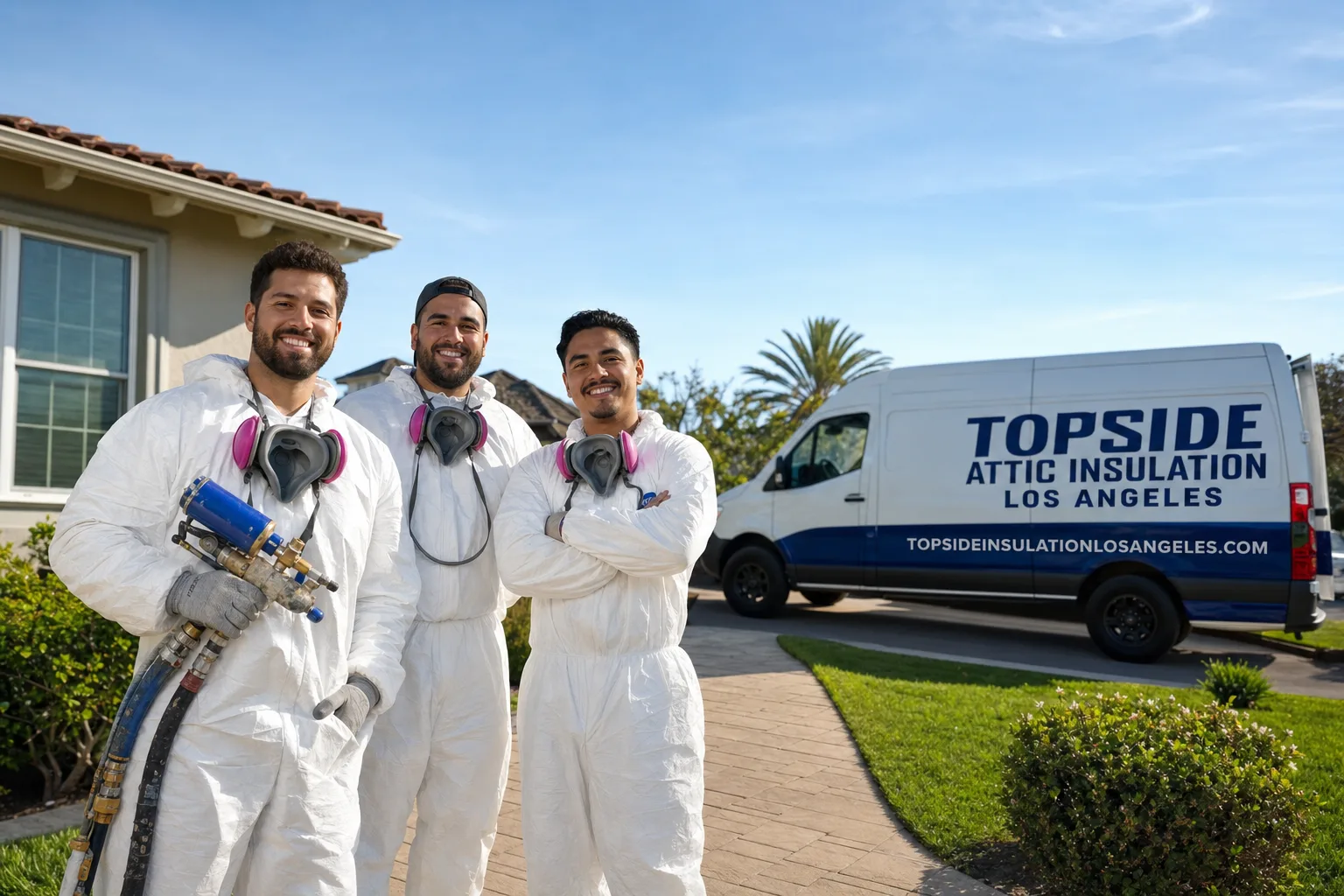
How Much Does Home Energy Audit Cost in Los Angeles?
A home energy audit in Los Angeles typically costs between $250 and $650 for a standard single-family residence, with whole-house blower-door testing included. Larger homes over 2,500 square feet, or older Spanish-style and Craftsman homes in neighborhoods like Silver Lake or Hancock Park where wall cavities are irregular and attic geometry is complex, can run $700 to $950. Most audits are completed in three to five hours and produce a written report the same day.
Home Energy Audit Cost Breakdown (2026)
A home energy audit in Los Angeles is not a single line item – it’s a set of diagnostic services, and the price reflects which of those services are included. Below is a realistic breakdown of what individual components cost in the current Los Angeles market.
| Audit Component | Typical Price Range (Los Angeles, 2026) | Notes |
|---|---|---|
| Basic walkthrough audit (no equipment) | $100 – $200 | Visual inspection only; no pressurization data |
| Blower-door test (standalone) | $200 – $350 | Measures whole-house air leakage in CFM50 |
| Blower-door + thermal imaging | $350 – $550 | Infrared camera locates leaks blower door pressurizes |
| Full diagnostic audit (blower-door, thermal, duct leakage, written report) | $450 – $750 | Most common full-service package in Los Angeles |
| Duct blaster test (standalone) | $150 – $250 | Measures how much conditioned air leaks from duct system |
| HERS rating (CalGreen / permit compliance) | $400 – $700 | Requires a HERS-certified rater; separate from contractor audit |
| Combustion safety / gas appliance inspection add-on | $75 – $150 | Tests draft, CO spillage, and natural gas appliance safety |
The most common package homeowners in Los Angeles book is the full diagnostic audit – blower-door test, thermal imaging sweep, duct leakage measurement, and a written remediation report – which falls between $450 and $750 for homes up to roughly 2,200 square feet. Homes in the San Fernando Valley with larger footprints, or hillside homes in Mount Washington or Eagle Rock where crawl spaces add complexity, frequently land at the higher end or slightly above.
What pushes the price up: square footage above 2,000 square feet, multiple HVAC systems (each duct system requires its own test), post-1950 pier-and-beam foundations where crawl space access is difficult, and scheduling during high-demand periods in late summer when energy costs spike and audit requests cluster. What holds it down: newer construction with simpler geometry, single-story tract homes in areas like Chatsworth or Granada Hills where duct runs are short and attic access is straightforward, and bundling the audit with planned remediation work.
What Affects Home Energy Audit Pricing in Los Angeles
- Home size and square footage: Most auditors price per square foot above a base threshold. A 1,400-square-foot bungalow in Leimert Park and a 3,200-square-foot home in Brentwood are not the same job – expect roughly $75 to $150 added for each 500 square feet beyond 2,000.
- Number of HVAC systems: Los Angeles homes built before 1990 often have mismatched or layered HVAC systems – a central air handler plus a mini-split, or two furnaces serving different zones. Each duct system requires a separate duct blaster test, adding $125 to $200 per system.
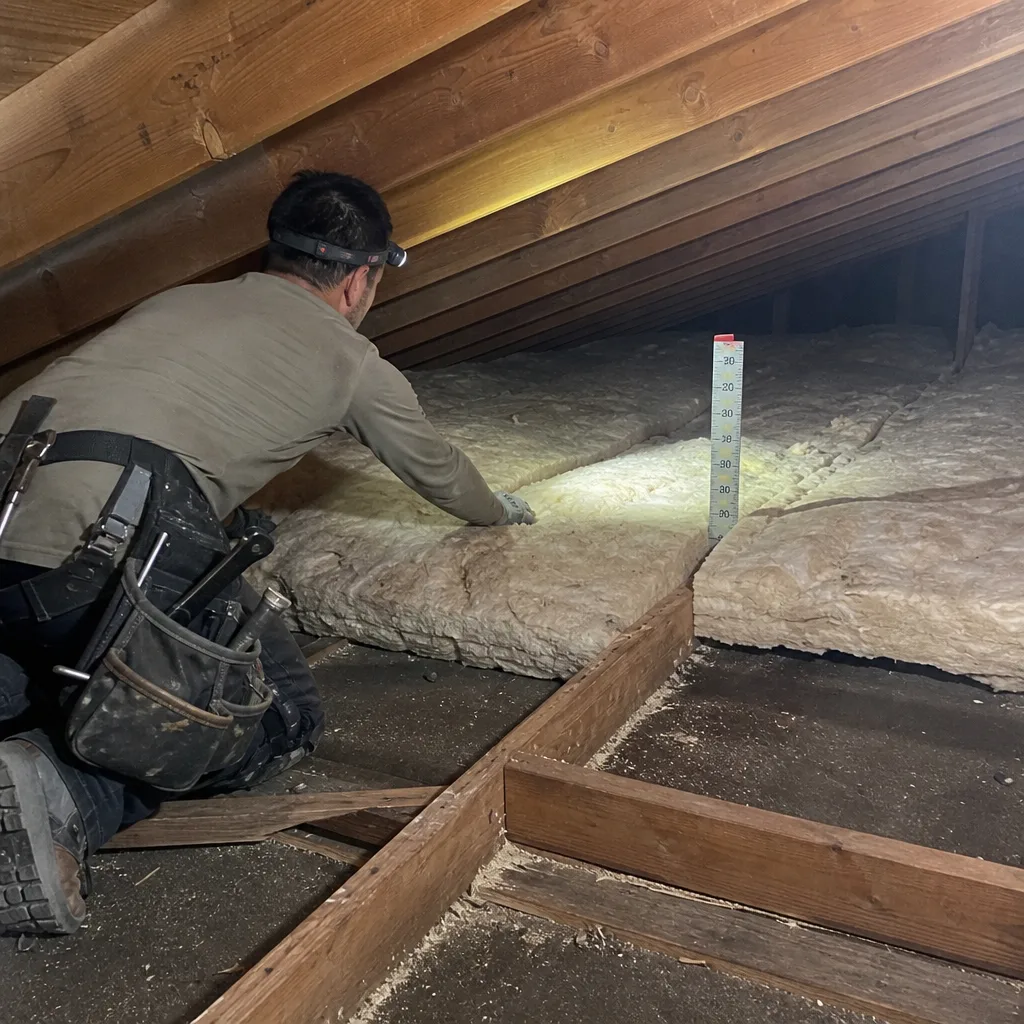
- Attic configuration and access: Low-pitch Spanish tile roofs common in Koreatown and Mid-City reduce attic height to crawl-space levels, making blower-door prep and thermal imaging slower. Auditors account for that time. Flat-roof construction in Venice or Mar Vista sometimes means no accessible attic cavity at all, which changes the scope entirely.
- Age of the home: Pre-1978 homes may require asbestos or lead-paint verification before an auditor opens wall cavities or ceiling planes for inspection. That clearance step, if needed, is typically handled separately but affects scheduling and occasionally scope.
- Rebate program requirements: If you’re pursuing a LADWP rebate or a Southern California Gas rebate, the audit may need to follow a specific protocol or be performed by a credentialed rater. Those audits cost more than a standard contractor audit because of the documentation requirements – budget $500 to $850 for a rebate-qualifying audit in Los Angeles.
- Audit-only vs. audit-plus-remediation bundling: When an auditor is also the contractor who will do the air sealing and insulation work, some companies apply the audit cost toward the project total. That’s worth asking about directly. At Envelope Insulation Co., we tell you the written price for each phase before either starts – the audit scope and the remediation scope are documented separately so you can compare them against any other written estimate.
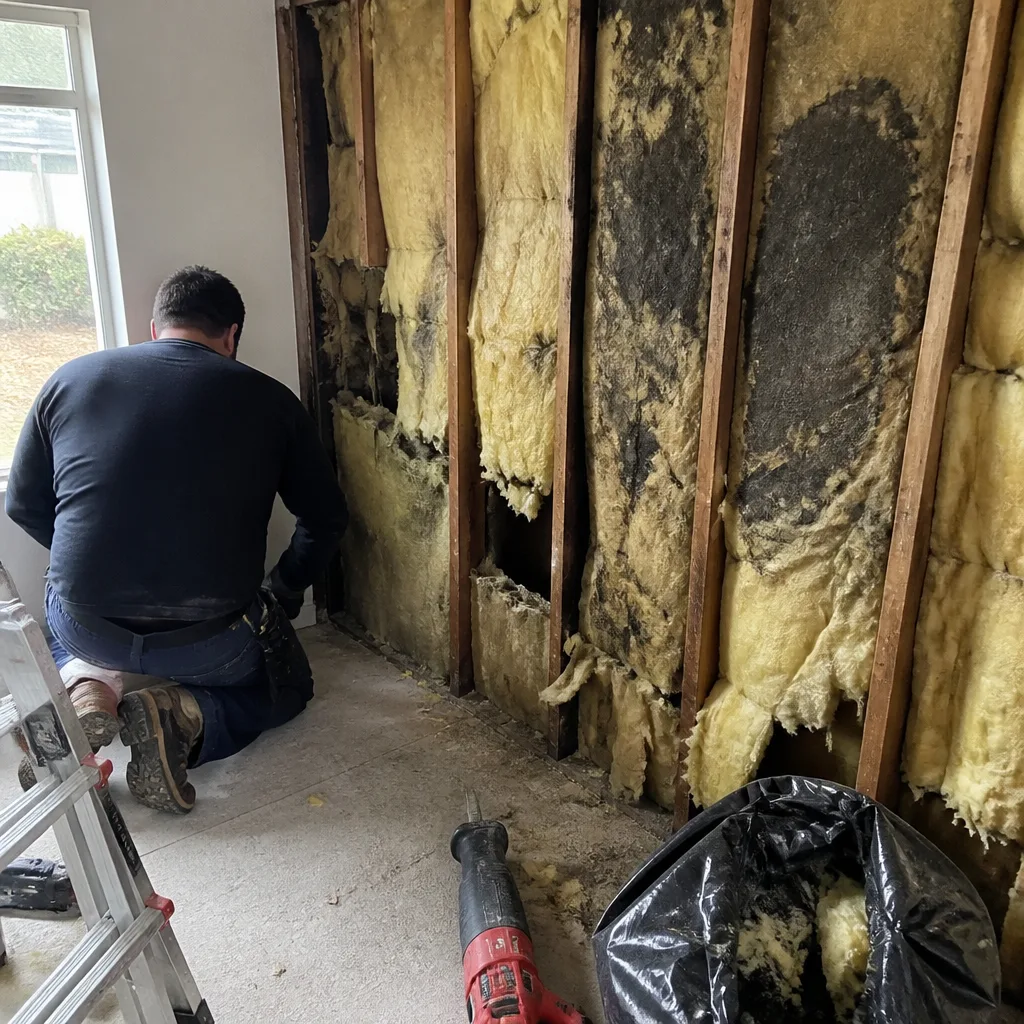 Before
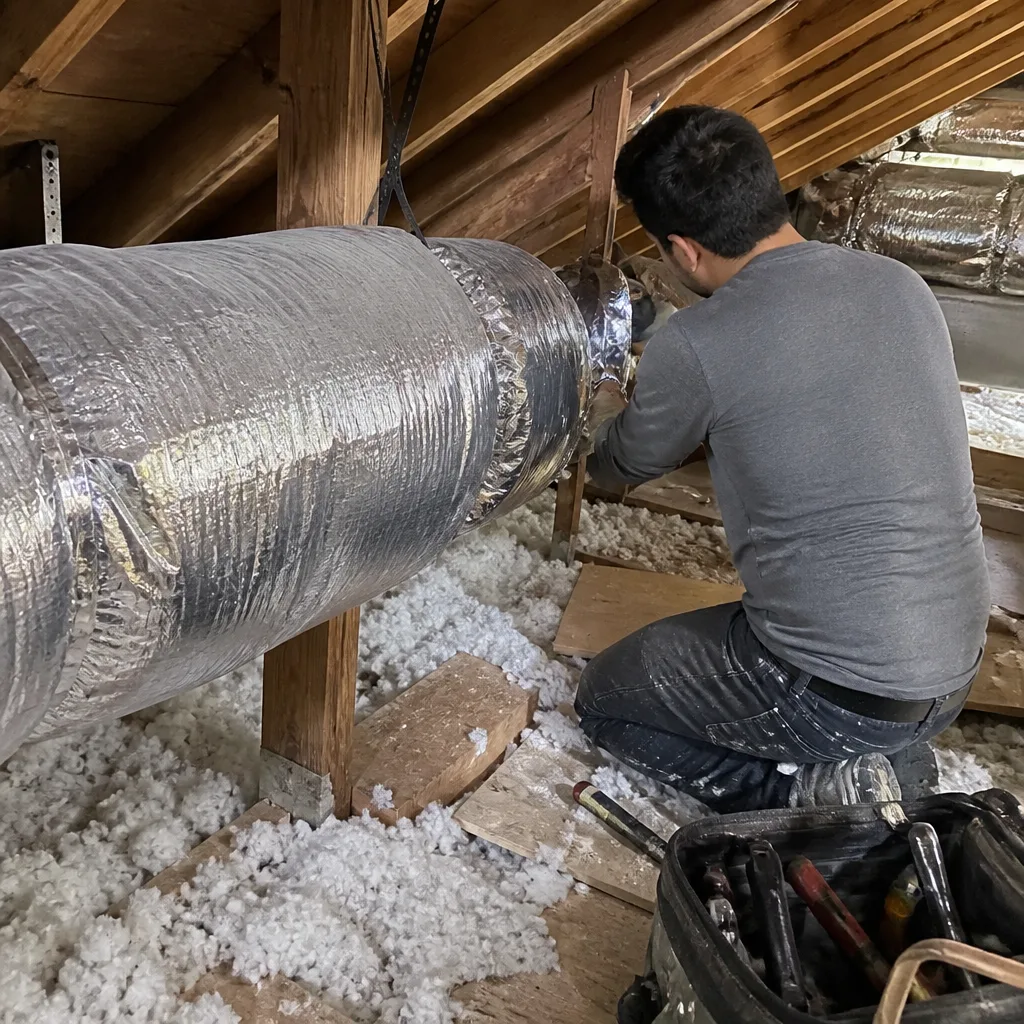 After
AfterWhat a Home Energy Audit Actually Measures in Los Angeles
This section matters because the Los Angeles climate creates specific audit priorities that differ from colder markets, and an auditor who doesn’t account for them will produce a report that misses the highest-impact items.
Los Angeles sits in Climate Zone 9 (inland valleys) and Climate Zone 10 (the coastal strip from Santa Monica to Redondo Beach), with pockets of Zone 6 along the immediate coast. What that means practically: the dominant energy load in most LA homes is cooling, not heating. Air leakage in Los Angeles doesn’t just let cold air out in winter – it pulls humid marine air in during June Gloom, drives up humidity in attic spaces that should stay dry, and forces air conditioners to work against a continuous outdoor air intrusion that insulation alone cannot fix.
A blower-door test – a pressurization measurement that shows, in a single figure, how much air the building envelope is losing – gives an ACH50 reading (air changes per hour at 50 pascals of pressure). California’s Title 24 energy code requires new construction to hit 5 ACH50 or better. We routinely measure homes in Northridge, Reseda, and Van Nuys from the 1970s and 1980s reading 12 to 18 ACH50 – two to three times leakier than current code allows. A thermal imaging scan run during the blower-door test locates exactly where that leakage is concentrated: top plates, recessed can lights that penetrate the ceiling plane, plumbing and electrical chases, and attic hatches that haven’t been weather-stripped since the Carter administration.
The duct blaster test – which pressurizes just the duct system – is equally important in Los Angeles. Ducts routed through unconditioned attic space (standard in most tract construction across the Valley and South Bay) lose conditioned air twice: once through duct leakage into the attic, and again through the duct walls if the insulation value is inadequate. We’ve measured duct leakage exceeding 30 percent of system airflow in homes in Canoga Park and Woodland Hills, which means nearly a third of the air the HVAC system produces never reaches the living space it was intended for.
The written report you receive at the end of a proper audit names the CFM50 blower-door reading, the duct leakage percentage, the locations of the most significant air-leakage pathways identified by thermal imaging, and a prioritized remediation sequence – not a menu of upsells, but a ranked list of what to fix first based on impact per dollar. That document is what you use to evaluate any contractor’s proposal. If the proposal doesn’t reference the audit findings, that’s worth noticing.
Los Angeles Rebates and Incentive Programs for Home Energy Audits (2026)
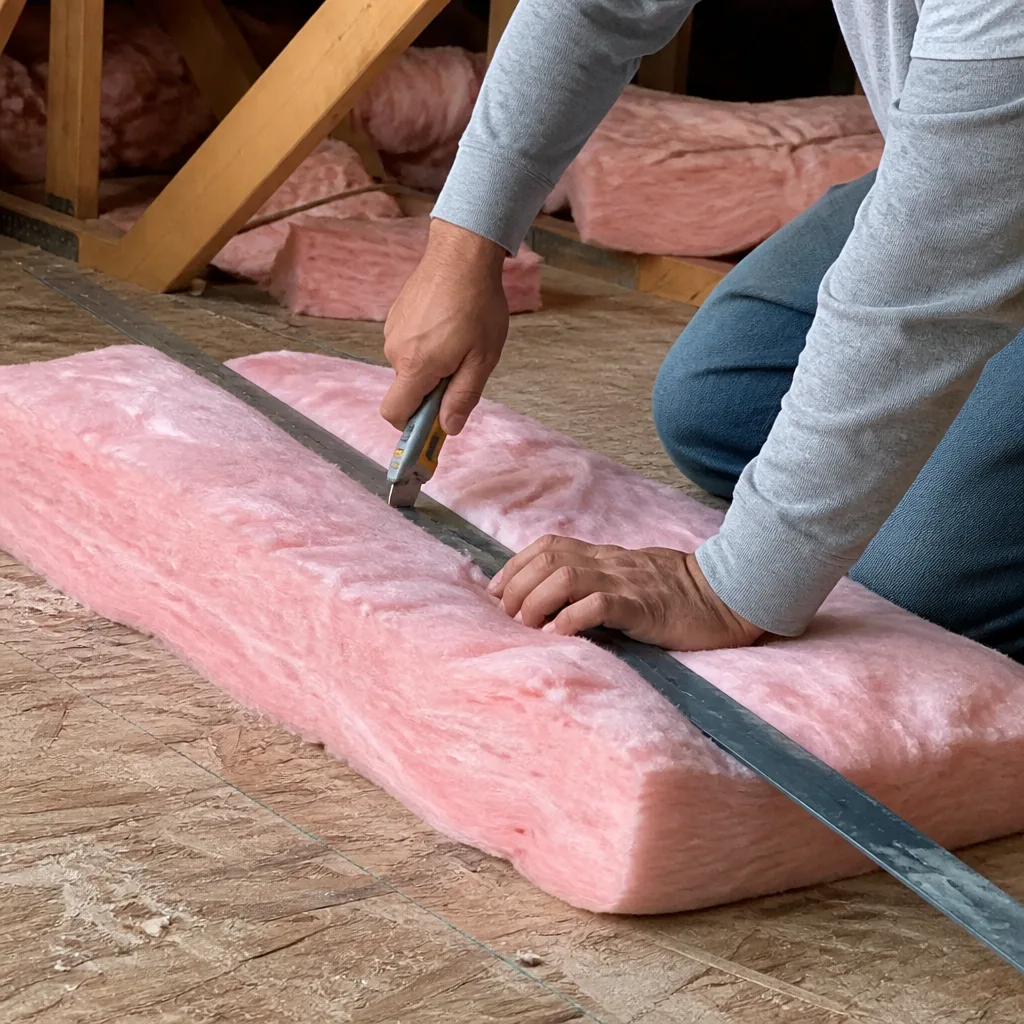
Several programs currently operating in Los Angeles can reduce your net out-of-pocket cost for a home energy audit, and in some cases make the audit free.
LADWP Home Energy Improvement Program: Los Angeles Department of Water and Power offers rebates on energy efficiency improvements and, depending on program availability at the time of application, may subsidize or fully cover an audit performed by an approved rater. Income-qualified households in Los Angeles have accessed audits at no cost through this channel. Check LADWP’s current program page directly – funding availability changes quarterly.
SoCalGas Energy Savings Assistance Program: For income-eligible households in Los Angeles, SoCalGas has historically provided no-cost home energy assessments that include gas appliance inspection, insulation evaluation, and weatherization recommendations. The audit and some remediation measures can be provided at no cost if the household qualifies.
Federal Inflation Reduction Act (IRA) Energy Efficient Home Improvement Credit: As of 2026, the 25C tax credit covers 30 percent of the cost of a home energy audit, up to $150 in credit per year. That doesn’t eliminate the audit cost, but it reduces it. The audit must be performed by a certified home energy auditor to qualify. Keep the invoice and the auditor’s credentials on file for your tax return.
Financing through PACE programs: Property Assessed Clean Energy programs (HERO, Ygrene, and similar) operating in Los Angeles County allow homeowners to finance energy improvements – including audits bundled with remediation – through a special property tax assessment. This is worth understanding before committing, since PACE liens attach to the property and must be disclosed in a future sale.
None of these programs require you to use a specific contractor for the remediation work that follows. The audit findings belong to you, and you can take the report to any contractor for bids on the actual work.
Audit vs. No Audit: What the Numbers Show in Los Angeles Homes
Skipping a formal audit and going straight to insulation is common. It’s also how contractors end up blowing insulation over unsealed attic floors, which traps moisture and does nothing about the air leakage that was driving energy costs in the first place.
Here’s a concrete example of why sequence matters. A homeowner in Encino contacted us after getting two competing bids to add blown-in insulation to their 1,850-square-foot home. Both bids skipped the blower-door test. We ran one before quoting. The attic read 14.2 ACH50 – well above the leakage level where adding insulation without sealing first produces meaningful savings. The thermal scan showed 60 percent of the leakage was concentrated in unsealed top-plate penetrations and six open recessed can lights. We sealed those penetrations first. The post-sealing blower-door read 6.8 ACH50 – less than half the original leakage. Then we added insulation.
That’s the sequence Envelope Insulation Co. has followed on every applicable job since 2016: air sealing of top plates, can lights, and penetrations completed before any insulation goes in. We publish the before-and-after blower-door numbers on every applicable job so homeowners can see the performance change they paid for – not a summary statement about improvement, but the actual CFM50 figures, before and after.
The cost of the audit in that Encino example was $525. The air sealing it made possible saved that homeowner from insulating an attic that would have continued losing conditioned air at roughly the same rate it had before. If you’re evaluating whether an audit is worth the cost, that’s the calculation: not audit cost versus nothing, but audit cost versus the risk of paying for remediation that misses the actual problem.
How to Save on a Home Energy Audit in Los Angeles
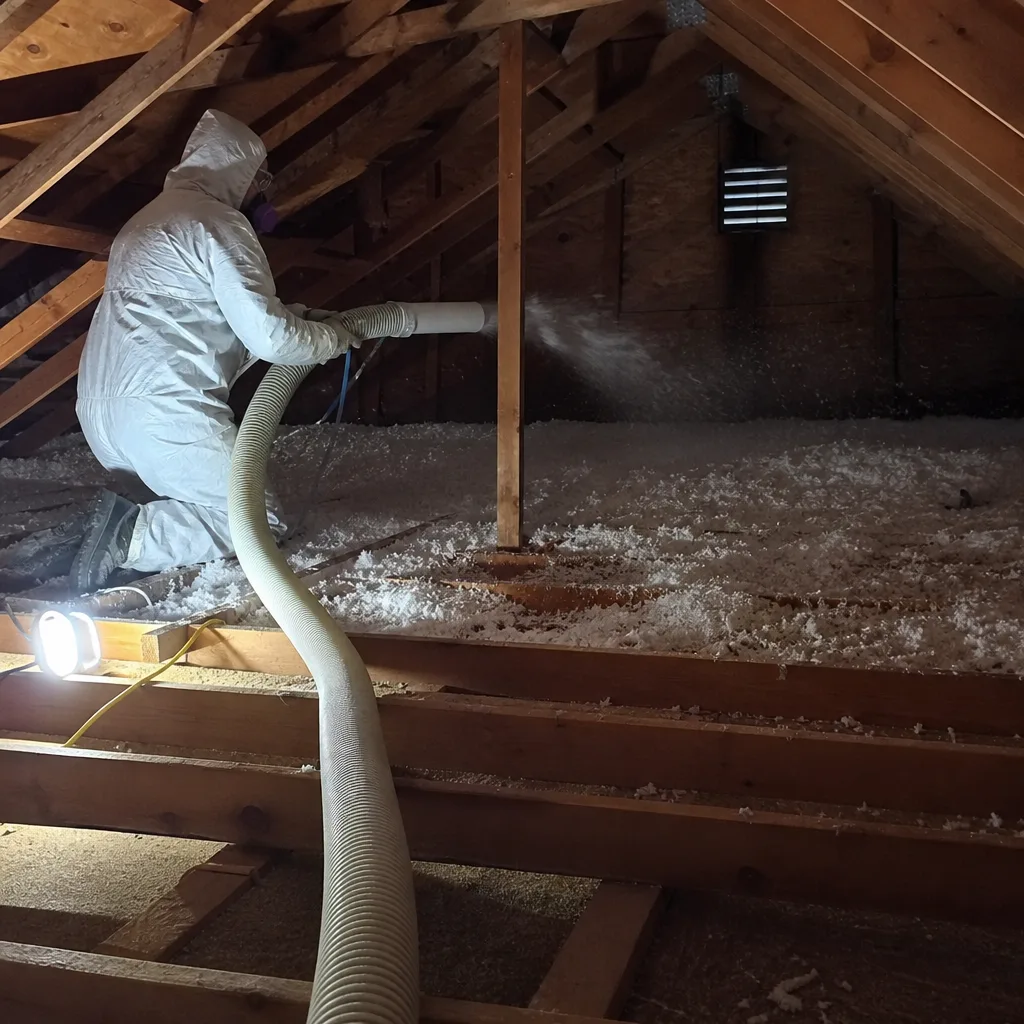
There are real ways to reduce what you pay without cutting the diagnostic scope.
Check rebate eligibility before booking. If your household income qualifies for SoCalGas’s Energy Savings Assistance Program or LADWP’s low-income weatherization tier, an audit may cost you nothing. Confirm eligibility before paying out of pocket.
Bundle the audit with planned remediation work. Some contractors – including Envelope Insulation Co. – structure pricing so that the audit cost applies toward a documented remediation project when both are completed together. This is worth asking about when you request a written price. Under Haven Standard Clause 1, both the audit scope and any remediation scope are priced separately in writing before either starts, so you can compare clearly.
Get a written price before committing. Audit pricing in Los Angeles is not uniform. One company’s “full audit” includes a duct blaster test; another’s doesn’t. You can’t compare quotes that aren’t describing the same scope. Ask each auditor to specify in writing what measurements they take, what equipment they use, and what the written report includes. A written price before any work starts is the only basis for a real comparison.
Use the 25C federal tax credit. The 30 percent credit (up to $150) won’t make an audit cheap, but it reduces your net cost if the auditor is a certified home energy auditor. Ask for documentation of their credentials before you pay.
Ask about a Free Second Opinion on any written estimate. If you’ve already received a written proposal from another contractor for insulation or air-sealing work, Envelope Insulation Co. will read it with you – line by line – at no charge. This is not a sales call; it’s a reading of what the scope actually says. We’ve found proposals that promised R-38 but specified a product that doesn’t reach that value at the installed thickness, and proposals that listed air sealing as a line item but described only foam backer rod at the attic hatch. Reading a written scope carefully takes about 20 minutes and can save you a significant amount.
For pricing questions specific to your home’s size and configuration in Los Angeles, call (628) 226-1097. Estimates are free and written before any work starts.
FAQs – Home Energy Audit Cost in Los Angeles
How much does a home energy audit cost in Los Angeles in 2026?
A full home energy audit in Los Angeles costs between $250 and $750 for most single-family homes, with the most common full-diagnostic package – blower-door test, thermal imaging, duct leakage test, and written report – running $450 to $650 for homes under 2,200 square feet. Homes over 2,500 square feet, or those with complex geometry or multiple HVAC systems, typically run $700 to $950. Call (628) 226-1097 for a written price specific to your home’s square footage and configuration – the estimate is free.
Is a home energy audit worth it in Los Angeles?
Yes, for most homes built before 2000 in Los Angeles. The audit identifies which energy losses are largest and where they’re located – data you need before spending money on insulation or air sealing. Homes in the San Fernando Valley and South Bay we’ve tested routinely read 12 to 18 ACH50, two to three times leakier than California’s current code threshold, with a significant share of that leakage concentrated in a handful of locations that a blower-door and thermal scan can pinpoint in an afternoon. Without that data, remediation is guesswork. With it, you can prioritize the work that produces the largest measurable result per dollar.
Does LADWP or SoCalGas cover the cost of a home energy audit?
Both LADWP and SoCalGas operate programs that can reduce or eliminate the cost of a home energy audit for qualifying Los Angeles households. Income-eligible homeowners have accessed audits at no cost through SoCalGas’s Energy Savings Assistance Program. LADWP’s Home Energy Improvement Program has subsidized audits for qualifying participants, though funding availability changes. Check current program status directly with each utility before booking a paid audit, since you may qualify for a free one. If you don’t qualify for a subsidy, the federal 25C tax credit covers 30 percent of a certified audit’s cost, up to $150.
What’s the difference between a home energy audit and a HERS rating in Los Angeles?
A HERS rating (Home Energy Rating System) is a formal compliance rating performed by a state-certified HERS rater, required for certain permit-triggered projects under California’s Title 24 energy code. It costs $400 to $700 in Los Angeles and produces a numeric score used for permit compliance. A home energy audit performed by an insulation contractor or building performance contractor covers similar diagnostic measurements – blower-door test, thermal imaging, duct leakage – but produces a remediation-focused report rather than a compliance score. If you’re pulling permits for an addition or HVAC replacement, you may need a HERS rater specifically. If you’re trying to understand where your home is losing energy and what to fix first, a diagnostic audit is the more practical starting point and typically costs less.
How long does a home energy audit take in Los Angeles?
A full diagnostic audit – blower-door test, thermal imaging sweep, duct blaster test, and written report – takes three to five hours on site for a typical single-family home in Los Angeles. Larger homes, homes with multiple HVAC systems, or homes with difficult crawl space or attic access (common in hillside neighborhoods like Highland Park, Glassell Park, and parts of Silverlake) can take five to seven hours. The written report is typically delivered same-day or within 24 hours. Under Haven Standard practice, you receive a Documented Photo Record from the visit as part of the standard deliverables – photographs of conditions found, not just a typed summary.
Can I do a home energy audit myself in Los Angeles?
You can do a visual walkthrough yourself – check weather stripping at doors, look for daylight around attic hatches, feel for drafts at electrical outlets on exterior walls. That kind of inspection costs nothing and catches obvious problems. What it can’t do is measure whole-house air leakage in a way that’s useful for prioritizing remediation. A blower-door test costs roughly $200 to $350 as a standalone service in Los Angeles and produces a CFM50 reading – a single number that tells you how leaky your building envelope is relative to code and relative to what’s achievable after remediation. Thermal imaging during blower-door depressurization pinpoints where that leakage is occurring, which is information you need before spending money on air sealing or insulation. The diagnostic equipment is the point; the walkthrough is useful but not sufficient on its own.
Key Takeaways
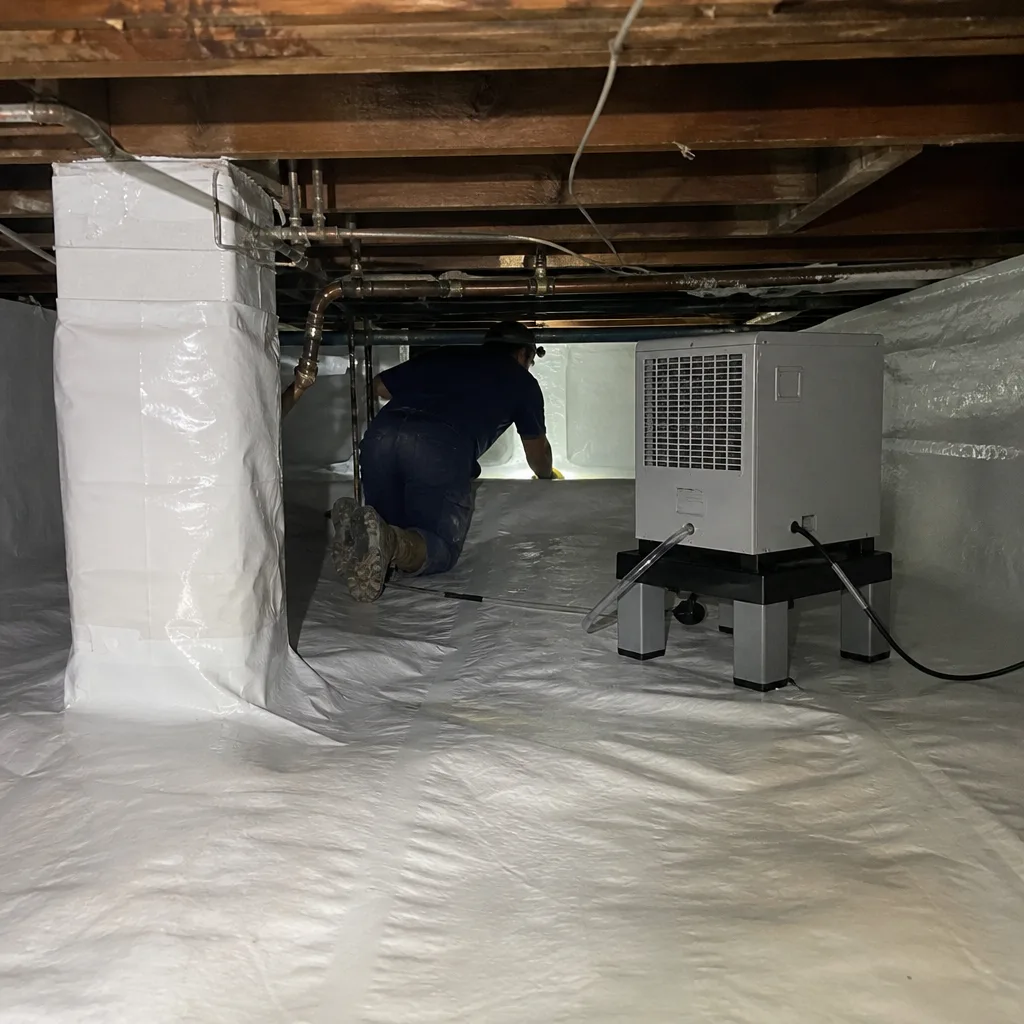
- A full home energy audit in Los Angeles costs $450 to $750 for most homes under 2,200 square feet in 2026.
- The blower-door test (CFM50 reading) is the most important single measurement – it quantifies total air leakage and makes before-and-after comparisons possible.
- Los Angeles Climate Zones 9 and 10 make air leakage a cooling-season problem, not just a heating problem. Audits that focus only on insulation depth miss this.
- LADWP and SoCalGas both operate programs that may reduce or eliminate audit costs for income-qualified Los Angeles households.
- The federal 25C credit covers 30 percent of a certified audit, up to $150.
- An audit report belongs to you. You can use it to evaluate any contractor’s bid, and you should.
- Insulation installed before air sealing is completed doesn’t fix air leakage. The sequence matters: seal first, then insulate.
- Every audit Envelope Insulation Co. performs is priced in writing before work starts, includes a Documented Photo Record, and on applicable jobs, delivers before-and-after blower-door numbers so you can verify what changed.
Schedule a Home Energy Audit in Los Angeles
If your home was built before 2000 and you haven’t had a blower-door test, you likely don’t know how much conditioned air your building envelope is losing. Homes across Los Angeles – in Northridge, Culver City, Pasadena, Torrance, and neighborhoods throughout the city – routinely test at leakage levels that make additional insulation a partial solution at best until the air sealing is done first.
Our Home Energy Audit in Los Angeles service starts with a written price before anyone arrives at your door – Haven Standard Clause 1, no exceptions. You’ll receive a blower-door reading, thermal imaging results, a duct leakage measurement, a written report with a prioritized remediation sequence, and a Documented Photo Record from the visit. If we complete air sealing and insulation work based on the audit findings, you’ll also receive before-and-after blower-door numbers showing the change in CFM50 – not a summary, the actual figures.
If you already have a written estimate from another contractor, bring it. We’ll read it with you at no charge – that’s our Free Second Opinion offer, and it applies to any written estimate, not just ones that look suspicious. You can also explore the full range of building-envelope services we provide from our home page.
Wes Okafor leads the Envelope Insulation Co. team and has been involved in building-envelope diagnostics and remediation in the Los Angeles market since the company was founded in 2016. In that time, across more than 9,000 homes sealed and insulated – every one with a written price before work started and a documented record when the crew left – the pattern is consistent: homes that start with a blower-door test get better remediation outcomes than homes that skip it. That’s not a sales point. It’s what the numbers show.
Call (628) 226-1097 to schedule a Home Energy Audit in Los Angeles. The estimate is free, written, and specific to your home before anyone starts work.
Written by Wes Okafor, Owner at Envelope Insulation Co. (operating as Topside Attic Insulation Los Angeles), serving Los Angeles since 2016.
Pricing reflects the Los Angeles market as of 2026. Topside Attic Insulation Los Angeles offers free estimates – call (628) 226-1097.
What Our Customers Say
"The winter gas bill dropped by about a third. They had estimated a quarter, so they under-promised."
- Genevieve R."Fixed price, clean work, and they hauled the old material away as agreed."
- Todd M."Crawl space encapsulation done properly. Photographs of the vapour barrier at every seam, and the damp smell in the hallway is gone."
- Ainsley P.