
How Much Does Insulation Removal & Replacement Cost in Los Angeles?
Insulation removal and replacement in Los Angeles typically runs between $1,400 and $4,800 for a standard single-story home, with most jobs landing in the $2,000-$3,200 range once removal, disposal, air sealing, and new insulation are accounted for. Attic size, existing material type, and whether the attic floor needs air sealing before new insulation goes in are the three biggest variables. At Envelope Insulation Co., our Insulation Removal & Replacement services start with a written price before anyone touches your attic - no ballpark, no “we’ll see when we get up there.”
Insulation Removal & Replacement Cost Breakdown (2026)
Insulation removal and replacement in Los Angeles is not a single line item. It’s four or five distinct scopes of work stacked on top of each other, and understanding each one helps you read any written estimate clearly. The table below reflects what we see in the field across the Los Angeles market in 2026 - from smaller Craftsman attics in Silver Lake to larger ranch-style attics in Chatsworth and Encino.
| Scope of Work | Typical LA Price Range | Notes |
|---|---|---|
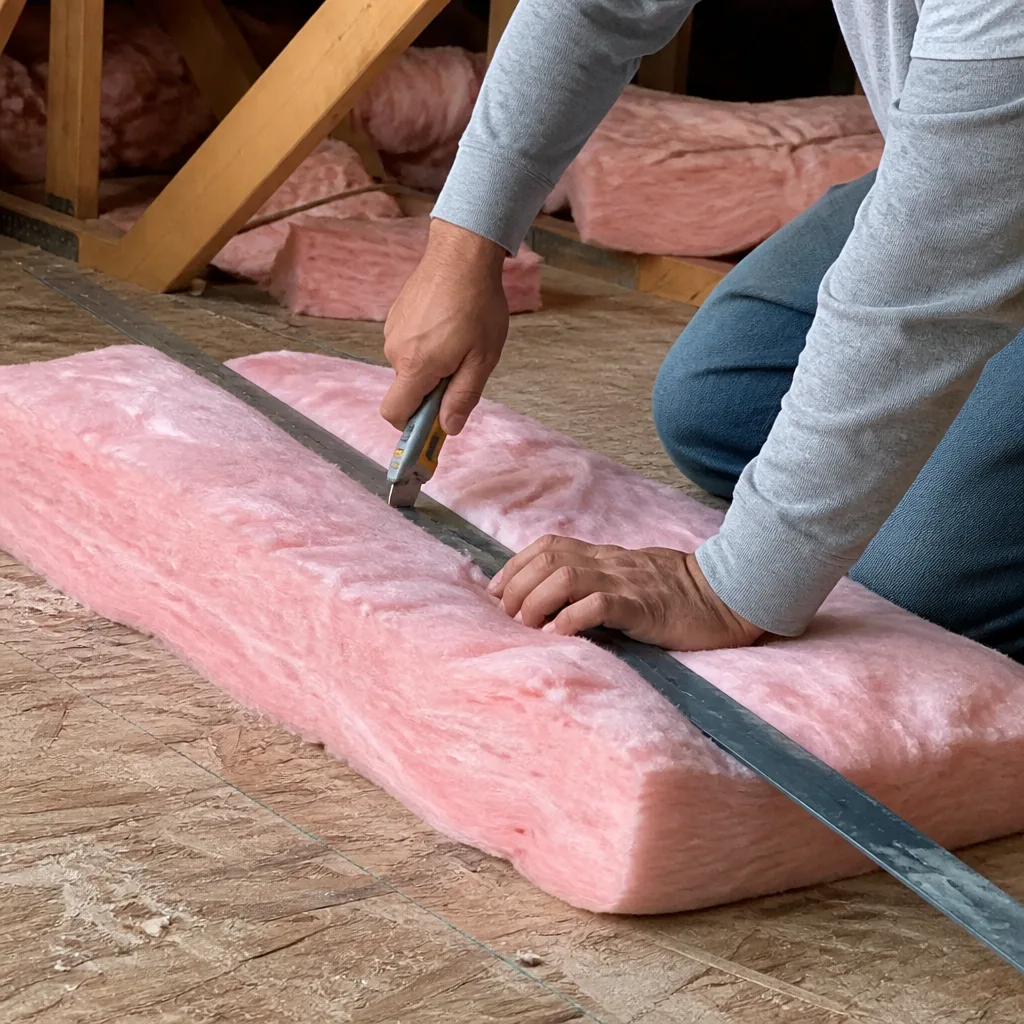
| Attic insulation removal only (blown-in or batt) | $600 - $1,400 | Vacuumed out, bagged, and hauled. Price scales with attic square footage and depth of existing material. |
| Attic cleaning after removal | $200 - $600 | Debris, droppings, and loose particulate removal. Required before air sealing in most cases. |
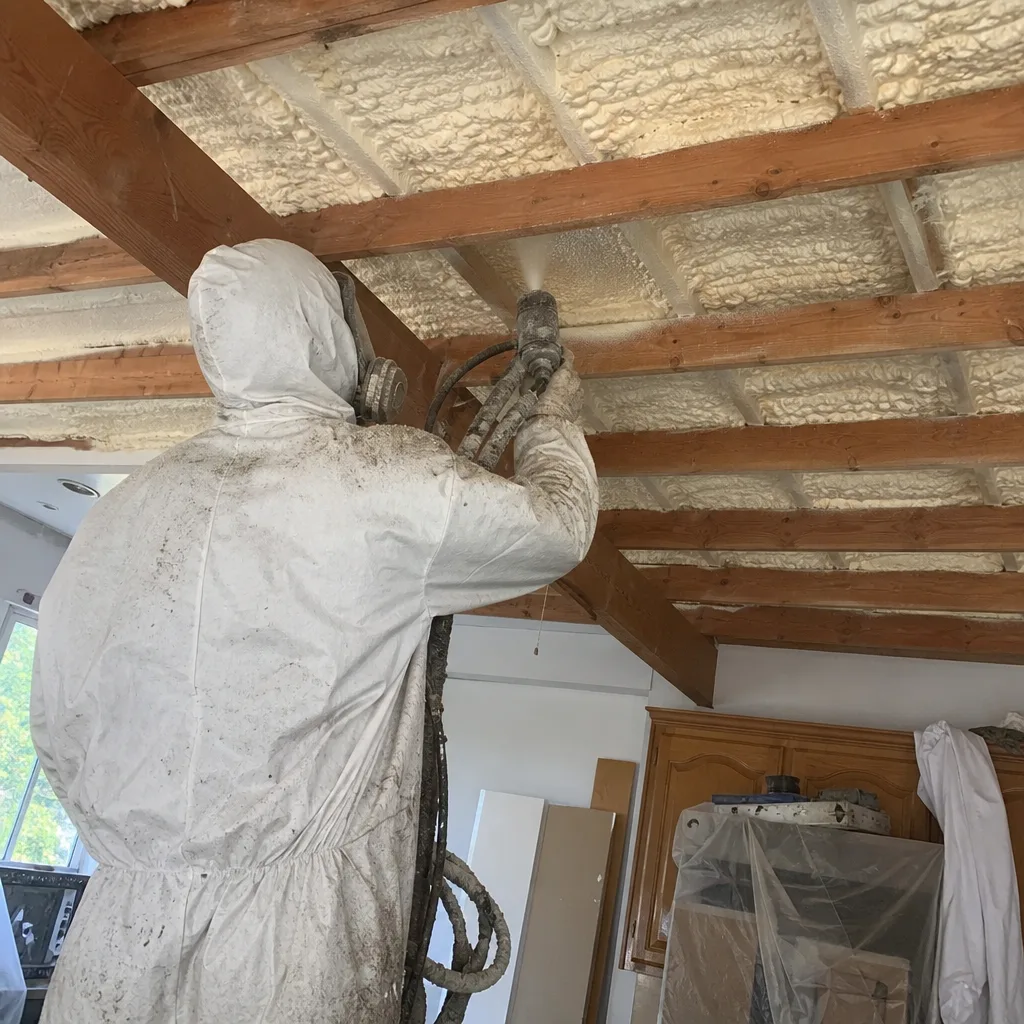
| Attic air sealing (top plates, can lights, penetrations) | $400 - $900 | Foam and mastic applied at every bypass point. This is done before insulation goes in - not after. |
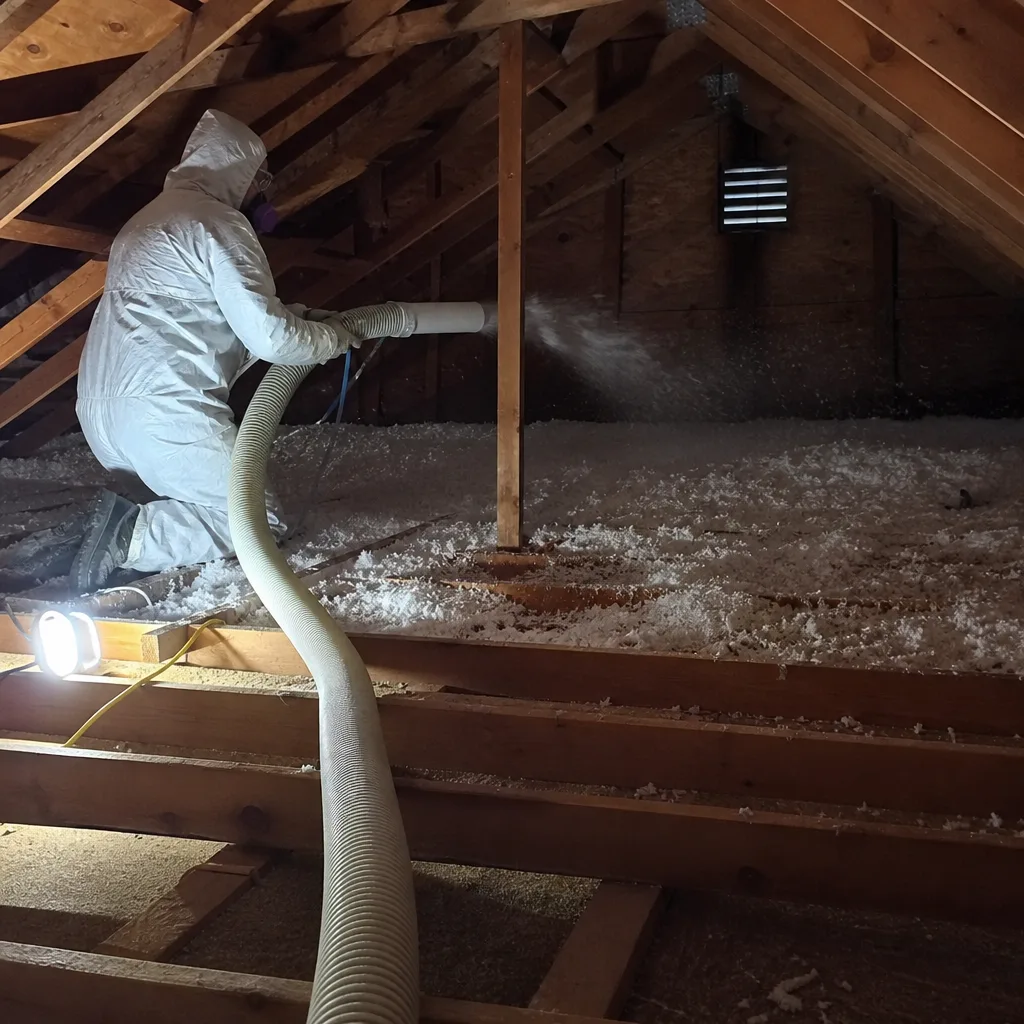
| New blown-in insulation (cellulose or fiberglass, to R-38) | $700 - $1,600 | Most LA homes reach code minimum R-38 for attics. Older homes in the Valley or on the Westside often start at R-0 to R-11. |
| New blown-in insulation (to R-49 or R-60, performance build) | $1,000 - $2,200 | Higher R-values make sense in sun-exposed attics in the San Fernando Valley, where attic temperatures routinely exceed 150°F in summer. |
| Batt insulation replacement (walls or floor cavities) | $900 - $2,400 | Depends on linear footage and whether drywall removal is needed. Owens Corning, Knauf, and Johns Manville batts are all options. |
| Radiant barrier installation (combined with re-insulation) | $500 - $1,100 added | Stapled or draped foil product. Meaningful in LA’s climate given solar heat gain - particularly in east-facing and south-facing attic planes. |
| Rodent proofing / exclusion (if contamination found) | $300 - $800 added | Entry points sealed before new insulation is installed. We document all penetrations found with photos. |
| Full attic removal + air seal + re-insulation to R-49 (complete job) | $2,200 - $4,800 | The full scope for a 1,200-1,800 sq ft attic. Most complete jobs for a Los Angeles single-family home land here. |
A few things move a job toward the higher end of those ranges in Los Angeles specifically. Attics with rodent contamination require deeper cleaning and often a longer crew time on-site. Homes built before 1980 in areas like Mid-City, Koreatown, or the older flatlands of the East Valley frequently have existing loose-fill that has compacted to near nothing and settled unevenly, which takes longer to vacuum out than a uniform blown-in job. On the lower end: smaller homes in Hollywood Hills with tight, low-pitch attics that are quick to clear but more labor-intensive per square foot because crew members can’t stand upright.
One cost factor that sometimes surprises homeowners: air sealing is not optional at Envelope Insulation Co. Under The Haven Standard, we do not blow new insulation over an unsealed attic floor. That means the air sealing line item is always in the written scope, because skipping it means the new insulation underperforms from day one. We show the before-and-after blower-door numbers so you can see in a single figure what the sealing step actually did.
What Affects Insulation Removal & Replacement Pricing in Los Angeles
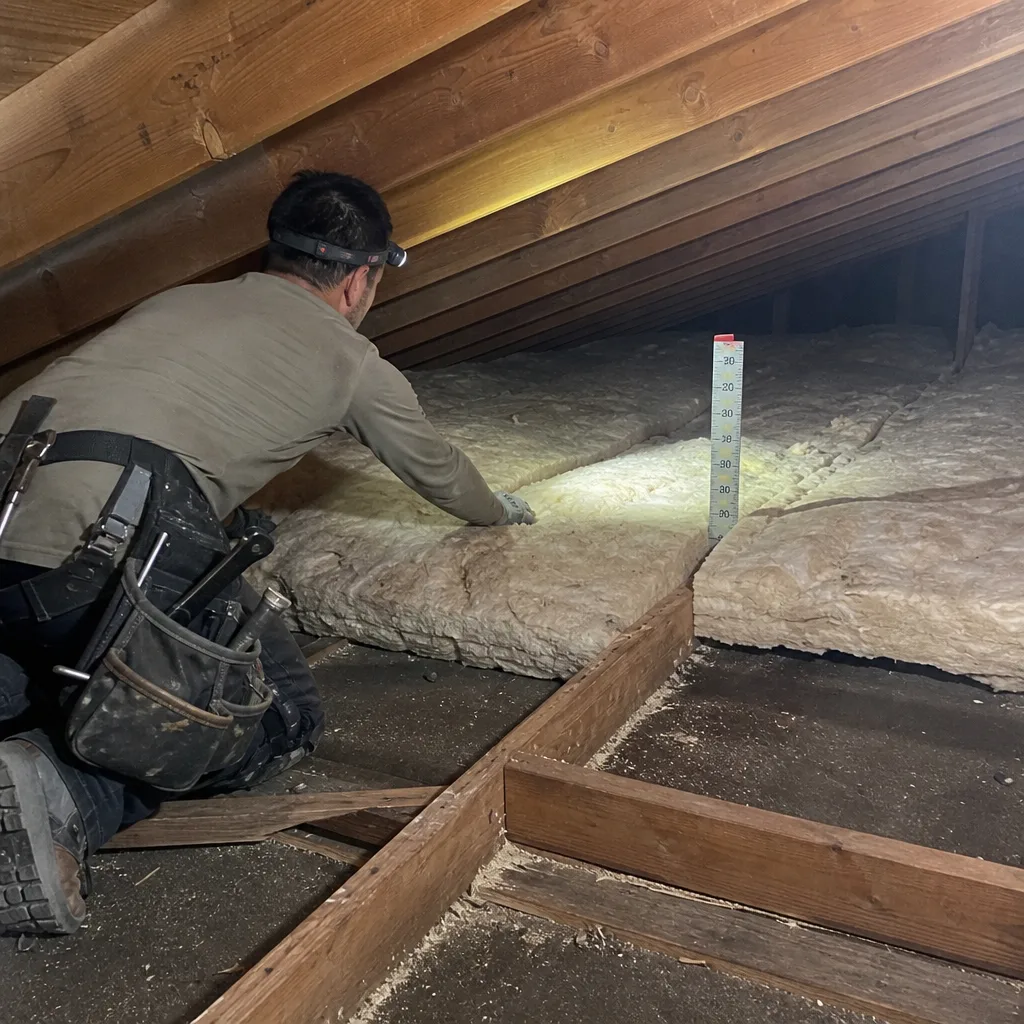
- Attic square footage: This is the primary cost driver. A 900 sq ft bungalow attic in Echo Park costs noticeably less to clear and re-insulate than a 2,400 sq ft attic over a two-story in Porter Ranch. Labor and material scale almost linearly with accessible area.
- Type and depth of existing insulation: Vermiculite or older blown rockwool - common in pre-1970 homes across the Westside and older Valley neighborhoods - takes longer to remove and may require additional handling precautions. Contaminated fiberglass or cellulose matted with rodent waste also adds time. A job that looks straightforward on the phone can be something else once the hatch is open.
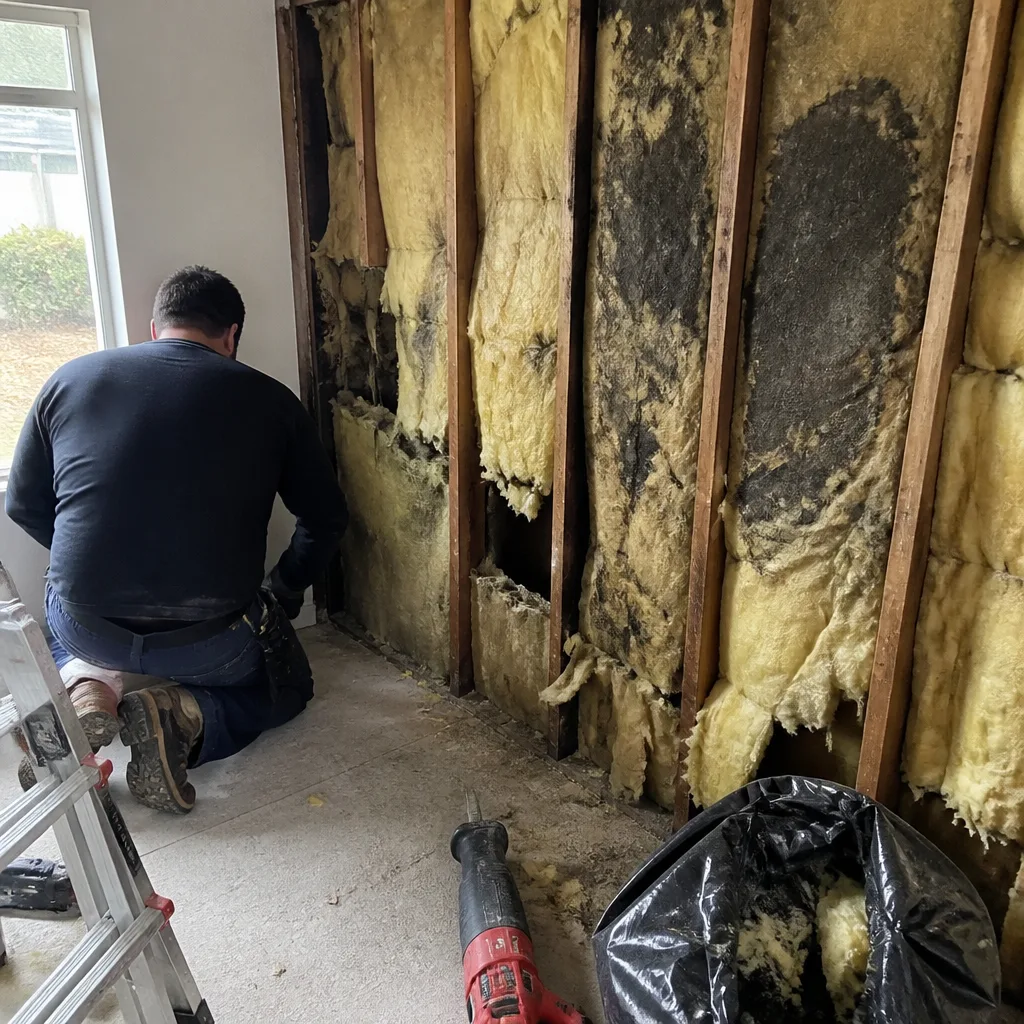
- Degree of contamination and attic condition: Rat activity is a documented reality in many Los Angeles neighborhoods, from the hills above Los Feliz to the denser tracts of Van Nuys. Heavily soiled insulation means deeper cleaning, more bags, and more time before the sealing work can begin. All of this is photographed and documented before we quote the scope.
- Target R-value and material choice: Los Angeles sits in IECC Climate Zone 3B, and current code calls for R-38 minimum in attics. But many homeowners in the Valley, where summer attic temps regularly hit 150-160°F, choose to build to R-49 or higher. GreenFiber cellulose, Knauf blown fiberglass, and Johns Manville products are all options - each with slightly different installed cost and performance characteristics. We don’t lock you into one product.
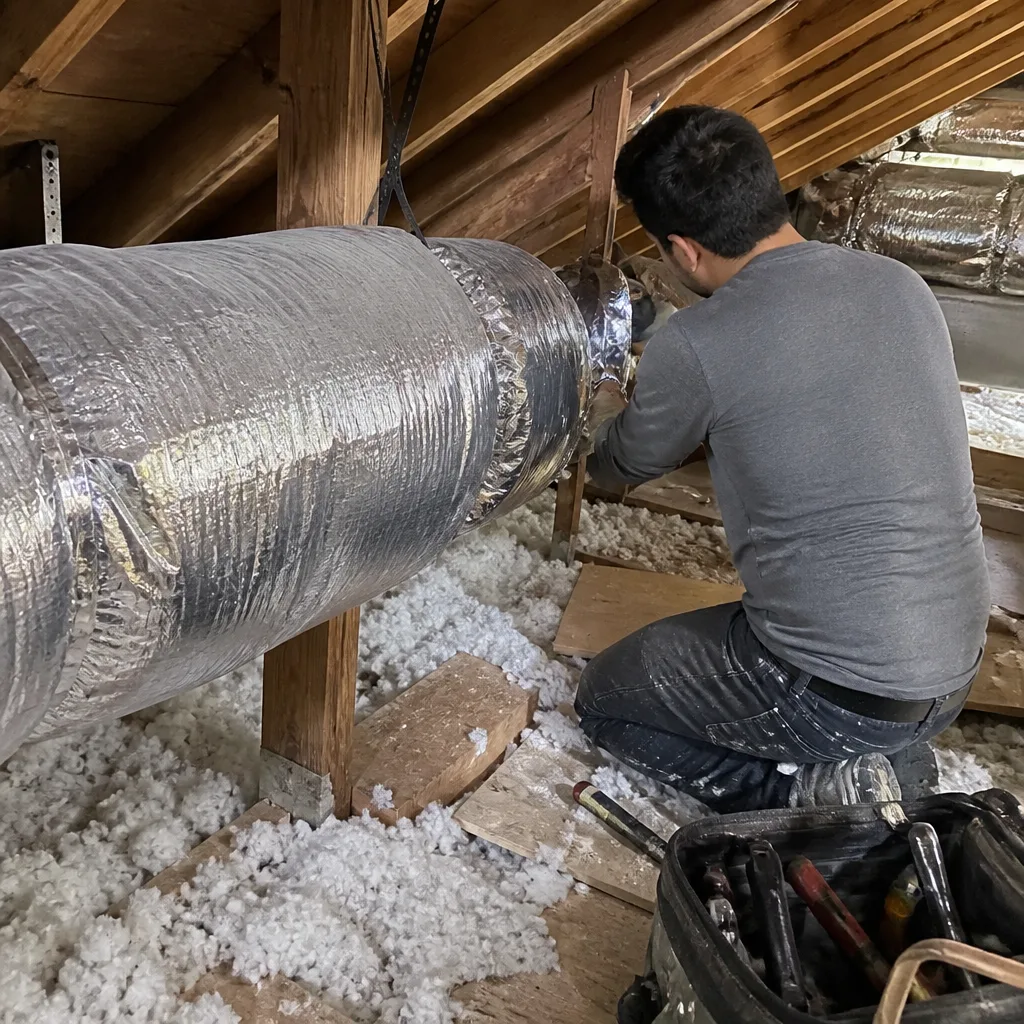
- Air sealing complexity: An attic with 40 recessed can lights, a handful of HVAC boots, and an unsealed party wall between a garage and living space takes significantly longer to seal than a clean open attic over a simple rectangular floor plan. Every penetration point gets foam or mastic before we touch the insulation blower. The blower-door reading before and after tells you exactly what that work was worth.
- Access difficulty and attic height: Some Los Angeles homes - particularly Spanish-style and older Craftsman construction in Hancock Park, Los Feliz, and the South Bay - have low-slope attics with limited headroom. Crew time per square foot rises when technicians are working in a 24-inch crawl space versus a full-height attic. That labor cost shows up in the written estimate, not as a surprise on the final invoice.
- Permit requirements: The City of Los Angeles generally does not require a permit for like-for-like insulation replacement in an existing attic, but certain spray foam applications and HVAC-adjacent work can trigger a mechanical permit review through LADBS. In areas under stricter local oversight - portions of Santa Monica, Beverly Hills, and unincorporated LA County - requirements vary. We confirm what’s required before work starts, and it’s in the written scope.
 Before
 After
AfterLos Angeles Neighborhood Context: Why Location Matters for Insulation Costs
Los Angeles is not a uniform climate. A home in Woodland Hills faces a fundamentally different insulation challenge than a home three miles from the coast in El Segundo. The Valley’s inland heat means attic temperatures that regularly exceed 155°F in July and August, and insulation that was adequate at R-19 in 1978 is now a direct contributor to high cooling bills. We see this pattern repeatedly in Reseda, Granada Hills, and Northridge - older homes where the original fiberglass batts have compacted over decades to the point where the effective R-value is closer to R-8 than what the original label said.
On the Westside and in coastal communities, the problem is different. Attic temperatures are lower, but older homes in Culver City, Mar Vista, and West Adams often have moisture-related degradation in batt insulation - particularly where vapor management was never addressed. Mold-adjacent conditions and insulation that has absorbed decades of humidity require more careful handling and a thorough attic cleaning before any new material goes in.
In denser neighborhoods like Koreatown and Mid-City, multi-unit buildings present their own complexity: shared attic cavities, fire-blocking requirements, and party-wall penetrations that have to be sealed before a blower-door test means anything. These jobs run toward the higher end of the ranges above, and the written scope is more detailed because there are more variables to document.
Our team working across Los Angeles has seen what happens when the air-sealing step is skipped in these specific conditions. In Tarzana, we regularly find can lights that are open chimneys into a 155-degree attic - every one of them bypassing the R-38 of insulation sitting directly above it. In Mar Vista, it’s bath fan boxes that were never sealed at the ceiling plane. These are the line items that make a real difference in actual utility bills, and they’re in the written scope before work starts - not discovered as upsells on the day of the job.
How to Save on Insulation Removal & Replacement in Los Angeles
Get a written scope, not a phone ballpark. The single best move you can make is to ask every contractor you contact for a written price with a written scope of work before you agree to anything. A verbal quote that ballparks your job at $1,800 and comes in at $3,200 on completion is not a savings - it’s a budget failure. Under Haven Standard Clause 1, every estimate from Envelope Insulation Co. is written, flat, and delivered before anyone starts.
Use the Free Second Opinion. If you have a written estimate from another contractor, bring it to us. We’ll read through it line by line with you at no charge. This isn’t a sales tactic - it’s how you find out whether a competing quote is missing air sealing, understating disposal fees, or quoting a lower R-value than your attic actually needs. Bring the written estimate and call (628) 226-1097 to schedule a second-opinion review.
Ask about combining scopes. If your attic needs removal, air sealing, and re-insulation, doing all three in a single mobilization is always less expensive than scheduling them separately. The crew is already in the attic, the equipment is already set up, and the Documented Photo Record covers the entire job in one visit. Splitting it into two or three jobs because you want to “start with the removal” rarely saves money and often creates gaps in the work sequence.
Ask about utility rebates. Southern California Edison and SoCalGas both offer rebate programs for insulation upgrades that meet certain R-value thresholds. These programs change annually, but in 2025 and into 2026, rebates for attic insulation reaching R-38 or above in Climate Zone 3B have been available. We can tell you what the current program looks like when we write your scope. The rebate paperwork doesn’t happen automatically - someone has to track the requirements, and we include that guidance as part of the documented record we hand you when the job is done.
Don’t skip air sealing to cut cost. It seems counterintuitive, but paying for air sealing now is cheaper than paying for a second job later. Insulation that sits on top of a leaky attic floor loses a significant percentage of its rated performance from day one. The blower-door test we run before and after sealing gives you a number - not an estimate, not a feeling - that shows what changed. Skipping that step and saving $500 on the install is generally a losing trade over a five-year window of energy bills.
Don’t wait if there’s active rodent contamination. Contaminated insulation that sits in place gets worse, not better. What starts as a spot-treatment job in a portion of an attic in Sylmar or Sun Valley can become a full attic remediation six months later if the problem is left alone. Early intervention is consistently less expensive than the equivalent job deferred.
What the Completed Job Looks Like: Documentation You Receive
A lot of insulation contractors finish the job and leave. You’re left trying to figure out if what you paid for is actually up there. At Envelope Insulation Co., the job doesn’t end when the crew leaves - it ends when the documentation is handed to you.
Every completed removal and replacement job includes a Documented Photo Record: before and after photos taken in the attic, showing existing conditions, the state of the attic floor after removal, air sealing points that were addressed, and the finished insulation depth. On jobs where air sealing was performed, the before-and-after blower-door readings are included - a pressurization test that produces a single CFM50 number showing how much conditioned air the home was losing before the work and after it. The difference between those two numbers is the measurable result of the air-sealing work. It’s not a feeling or a claim. It’s a number on a page.
You also receive the written scope of work and the written warranty before the job starts - not after. Under the 365-Day Done Right Promise, if anything in the scope wasn’t completed correctly, we make it right within the warranty period. That commitment is in writing before anyone lifts a tool.
FAQs – Insulation Removal & Replacement Cost in Los Angeles
How much does insulation removal cost in Los Angeles?
Insulation removal in Los Angeles runs $600 to $1,400 for a typical single-story attic, depending on the attic’s square footage and the type and depth of the existing material. Heavily contaminated insulation - common in older homes in Van Nuys, Reseda, and Woodland Hills where rodent activity has been an issue - adds time and disposal cost, which pushes the price toward or past the higher end of that range. A written estimate after a physical inspection is the only accurate number. Call (628) 226-1097 and we’ll schedule a site visit and give you a written price before work starts.
How much does full attic insulation replacement cost in Los Angeles?
A complete attic removal, air sealing, and re-insulation job for a Los Angeles single-family home with a 1,200-1,800 sq ft attic runs $2,200 to $4,800 in 2026. Smaller attics and straightforward conditions come in toward the lower end. Larger footprints, contamination, complex air-sealing needs, or a build to R-49 or R-60 push the number higher. The air-sealing step is always included in the scope - we don’t blow new insulation over an unsealed attic floor. Call (628) 226-1097 for a written estimate with no obligation.
Is it cheaper to remove and replace or just add insulation on top?
Adding insulation on top of existing material costs less upfront - typically $700 to $1,600 for blown-in to R-38 - but only works when the existing insulation is clean, dry, and in good condition. If the existing material is contaminated with rodent waste, mold, or moisture damage, adding on top of it doesn’t just underperform: it traps the problem underneath the new material and makes a later remediation more expensive. In our experience across Los Angeles, a significant portion of attics that homeowners expect to be “add-on” candidates turn out to need full removal once the attic is properly inspected. The written estimate will tell you which category your attic falls into before you commit to anything.
How long does insulation removal and replacement take?
Most single-story homes in Los Angeles are completed in one to two days. A 1,200 sq ft attic with standard blown-in removal, air sealing, and new blown-in insulation is typically a full-day job. Larger homes, contaminated attics, or jobs that include rodent proofing and batt wall work may run into a second day. The written scope will specify the expected timeline before work starts - Under The Haven Standard, you know what “done” looks like before we arrive.
Does insulation replacement require a permit in Los Angeles?
For standard attic insulation removal and replacement in the City of Los Angeles, a permit is generally not required under LADBS guidelines when the scope is insulation only and no structural or mechanical systems are being altered. However, spray foam applications in certain locations, HVAC-adjacent work, or jobs in municipalities with their own building departments - Beverly Hills, Santa Monica, Culver City, and others within the county - may have different requirements. We confirm permit status as part of writing the scope, and if a permit is required, that’s in the written estimate and handled before work starts.
Does replacing attic insulation actually lower energy bills in Los Angeles?
In most Los Angeles homes we’ve worked in, yes - measurably. The San Fernando Valley is the clearest case: attic temperatures above 150°F in summer mean that degraded or missing insulation is a direct load on the air conditioning system. Homes in Northridge, Chatsworth, and Canoga Park where we’ve replaced R-0 to R-11 attics with properly air-sealed R-49 systems have seen meaningful reductions in cooling-season energy use. We don’t quote a percentage because every home’s baseline is different. What we can give you is the blower-door reading before and after the air-sealing work - a CFM50 number that shows exactly how much the building envelope tightened. That’s the evidence. The energy bill follows from it.
Why Air Sealing Comes Before Insulation – Every Time
This point is worth its own section because it’s the part that most insulation quotes in Los Angeles don’t address honestly. Insulation is a resistance material: it slows the movement of heat through a static assembly. Air sealing is a different mechanism entirely. It stops conditioned air from physically escaping the building envelope through gaps, penetrations, and bypasses in the attic floor.
When those two steps are done in the wrong order - insulation first, sealing skipped - the insulation sits on top of open bypasses and performs well below its rated R-value. A can light that was never sealed is a direct connection between your living space and the attic. No amount of cellulose blown over it changes that. In an older home in Silver Lake or Mid-Wilshire with 30 unsealed can lights, the effective performance loss can be substantial enough that the homeowner feels almost no change in comfort after a $2,000 insulation job.
At Envelope Insulation Co., the air-sealing step is completed before the insulation blower starts - top plates, can lights, HVAC boots, plumbing penetrations, and any other bypass identified during the inspection. The blower-door reading taken before and after sealing gives you a single number that shows what changed. That number is part of the Documented Photo Record you receive when the job is complete.
For more detail on what the full process looks like from inspection through installation, the Insulation Removal & Replacement in Los Angeles service page walks through each phase of the work.
About Envelope Insulation Co. and The Haven Standard
Envelope Insulation Co. has been independently owned and operated since 2016, led by Wes Okafor. In that time, the team has worked on more than 9,000 homes across the Los Angeles market, every one with a written price before work started and a Documented Photo Record when the crew left.
The Haven Standard is the operating framework behind every job: a written price before any work starts, a documented record at completion, before-and-after blower-door numbers on every applicable job, and a 365-Day Done Right Promise that puts the commitment in writing before anyone arrives. Wes Okafor built the standard around a straightforward observation: homeowners in Los Angeles are not well-served by contractors who quote verbally, skip the air-sealing step, and hand you nothing when they leave. The documentation isn’t a bonus. It’s the job.
Materials come from Owens Corning, Johns Manville, Knauf, Rockwool, CertainTeed, Icynene, Demilec, and GreenFiber. No proprietary product lock-in means the written scope specifies the material that fits the job, not the one that fits the contractor’s supply contract.
If you have a written estimate from another contractor, call (628) 226-1097 and ask for the Free Second Opinion. We’ll read through it with you, line by line, at no charge. If it’s a fair quote with the right scope, we’ll say so. If it’s missing air sealing, understating disposal, or specifying a lower R-value than your attic actually needs, you’ll know before you sign anything.
You can also explore the full range of services available on the home page, from attic cleaning and rodent proofing to crawl space encapsulation and home energy audits.
Key Takeaways
- Most insulation removal and replacement jobs in Los Angeles run $2,200 - $4,800 for a complete attic scope (removal, air sealing, re-insulation).
- Removal alone costs $600 - $1,400. New blown-in insulation to R-38 adds $700 - $1,600. Air sealing adds $400 - $900.
- Air sealing is done before new insulation goes in - not after, not optionally. The blower-door numbers before and after show you what the sealing step was worth.
- Attic contamination (rodent waste, moisture damage) is common across older Los Angeles neighborhoods and affects both cost and timeline.
- Every job starts with a written price. Every job closes with a Documented Photo Record and, on applicable jobs, before-and-after blower-door readings.
- The 365-Day Done Right Promise is in writing before work starts. If it’s not done right, we make it right.
- Southern California Edison and SoCalGas utility rebates may apply to qualifying insulation upgrades - ask when we write the scope.
Written by Wes Okafor, Owner at Envelope Insulation Co., serving Los Angeles since 2016.
Pricing reflects the Los Angeles market as of 2026. Topside Attic Insulation Los Angeles offers free estimates – call (628) 226-1097.
What Our Customers Say
"The winter gas bill dropped by about a third. They had estimated a quarter, so they under-promised."
- Genevieve R."Fixed price, clean work, and they hauled the old material away as agreed."
- Todd M."Crawl space encapsulation done properly. Photographs of the vapour barrier at every seam, and the damp smell in the hallway is gone."
- Ainsley P.