
Attic Batt Insulation in Los Angeles, CA
Attic batt insulation in Los Angeles typically costs between $1.50 and $3.20 per square foot installed, depending on existing conditions, R-value target, and whether air sealing needs to happen first. Most attic batt jobs in a standard Los Angeles home – say, 1,200 to 1,800 square feet of attic floor – run between $1,800 and $4,500 completed. Jobs are usually scheduled and finished within a single day.
Batt insulation is the pre-cut fiberglass or mineral wool product you’ve probably seen: rectangular blankets sized to fit snugly between joists or rafters. In an attic context, batts sit between the floor joists above your living space, slowing heat transfer in both directions. During a Los Angeles summer, that means the 140-degree air baking your attic doesn’t pour straight into your living room through an under-insulated ceiling. During the cooler months – January nights in the San Fernando Valley can dip below 40 degrees – it means your heating system isn’t running against a leaky ceiling.
At Topside Attic Insulation Los Angeles, we’ve completed air sealing and insulation work across more than 9,000 homes since 2016, and batt installs are among the most common requests we get from homeowners in neighborhoods like Silver Lake, Tarzana, Pasadena-adjacent corridors, and the older ranch-style homes in the South Bay. Before you see a single batt go in, we seal the attic floor – top plates, can lights, plumbing penetrations, the works. That sequence isn’t optional for us. It’s how we operate. You can read more about the full scope of what goes into a properly performed job on our Attic Insulation in Los Angeles page. To talk through your specific attic, call us at (628) 226-1097 – a live person picks up, every time.
When You Need Attic Batt Insulation
- Your energy bills have crept up without a clear reason. If your HVAC is in decent shape but SoCal Edison bills are noticeably higher than two or three years ago, degraded or missing insulation at the attic floor is one of the first places to look. In Los Angeles, attic temperatures can exceed 150°F in July – without adequate insulation, that heat loads directly into your living space.
- Rooms on the top floor are noticeably harder to keep comfortable. A bedroom that’s 6 to 8 degrees warmer than the rest of the house in August, or drafty in January, usually points to insufficient R-value above it. R-38 is the minimum California Title 24 target for most of Los Angeles; older homes in neighborhoods like North Hollywood or Eagle Rock commonly have R-11 or R-19 batts installed decades ago – nowhere near current code.
- You can see the existing batts are compressed, wet, or displaced. Batt insulation works by trapping still air in its fibers. Compression reduces that air gap – and cuts R-value sharply. Pest activity is especially common in attics across the greater Los Angeles area; rats and squirrels nest in batts, compressing and contaminating them. If that’s happened, the insulation is no longer performing, and the old material typically needs to come out before new batts go in.
- You had a roof leak or attic moisture intrusion. Fiberglass batts that have been wet will dry out eventually, but the binders in the mat can degrade, and any mold that gets established in the paper facing is a health concern. In coastal Los Angeles communities like Culver City or Mar Vista, marine layer condensation can also gradually affect attic humidity over years.
- Your home was built before 1985 and hasn’t had an insulation upgrade. Homes built in the 1950s through early 1980s across Los Angeles – particularly the post-war tract housing in the SGV, Hawthorne, and Inglewood – were often insulated to standards that are a fraction of what California now requires. In many cases, what’s up there is doing almost nothing.
- You’re preparing for a sale or refinance and need a home energy audit. A low HERS score (Home Energy Rating System) or a failed Title 24 compliance check can stall a transaction. Batt insulation at correct R-value is one of the faster, more cost-effective ways to bring an older Los Angeles home into compliance before inspection.
Our Attic Batt Insulation Process
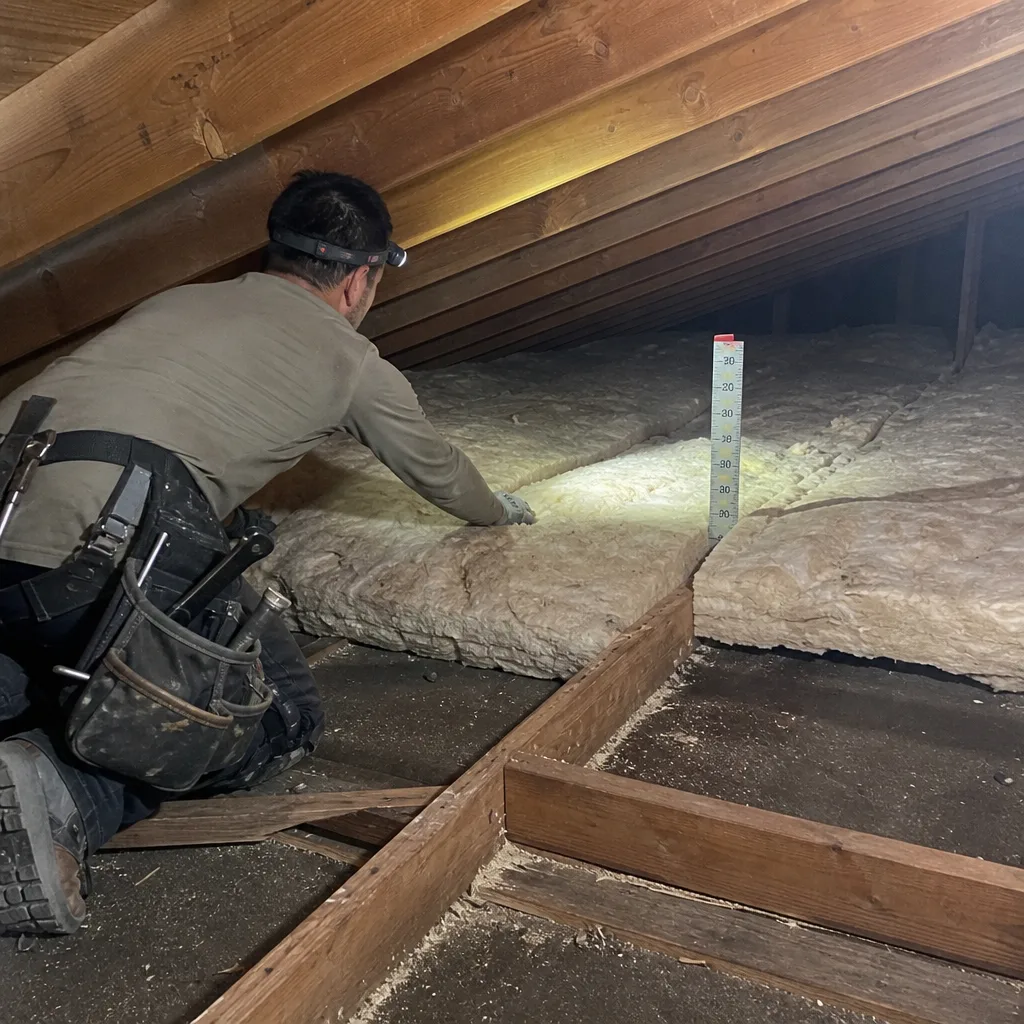
- Written scope and price before anything else. We send you a flat, written price with a full scope of work before any crew member sets foot on your property. This is Haven Standard Clause 1, and there are no exceptions. You’ll know the R-value target, the brand of material we’re using (typically Owens Corning or Johns Manville fiberglass batts, or Rockwool mineral wool where fire or sound performance is a factor), and exactly what air sealing is included – in writing.
- Blower-door baseline test. Before we touch the attic, we run a blower-door test – a pressurization measurement that gives us a single CFM50 number showing how much conditioned air your building envelope is currently losing. This is your before reading. We’ll show you what it is and what it means. Skipping this step is how contractors install batts over attics that still leak like a sieve; we don’t skip it.
- Air sealing first – always. We seal all major attic floor bypasses before a single batt goes in: top plates between wall cavities and the attic, recessed can lights (common in Los Angeles homes built from the 1970s onward), HVAC penetrations, plumbing stacks, electrical boxes. We use fire-rated canned foam and appropriate materials for each penetration type. In a typical 1,600 square foot Los Angeles home, this step alone can cut air leakage by 30 to 50 percent.
- Old material removed if needed. If existing batts are compressed, contaminated by pests, or wet, we remove them before the new material goes in. We don’t install over bad insulation. If attic cleaning or rodent-proofing is part of the scope, it happens at this stage – before new product touches the attic floor.
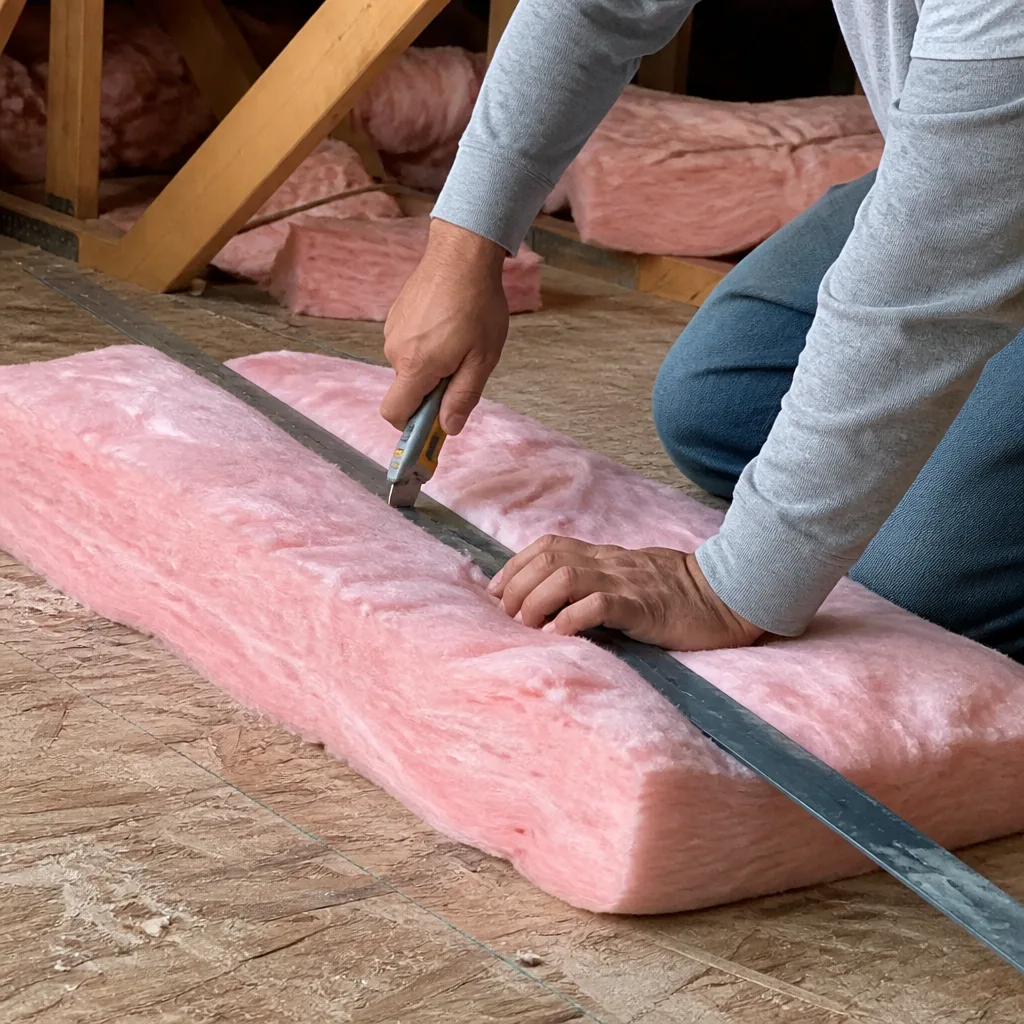
- Batt installation to correct R-value and California Title 24. Batts are cut and fitted between joists without compression – this matters because a compressed R-30 batt performs closer to R-19 or R-21. We install to the R-value stated in your written scope, verify coverage across the entire attic floor including eave baffles where required, and check that no HVAC equipment or attic access is blocked.
- Post-install blower-door test and documented photo record. We run the blower-door again and give you both numbers: before and after. You’ll have a documented photo record of the completed work – included on every visit, not available on request. You leave knowing what your home’s envelope performance was when we arrived and what it is now. That’s what the documentation looks like before we close the job.
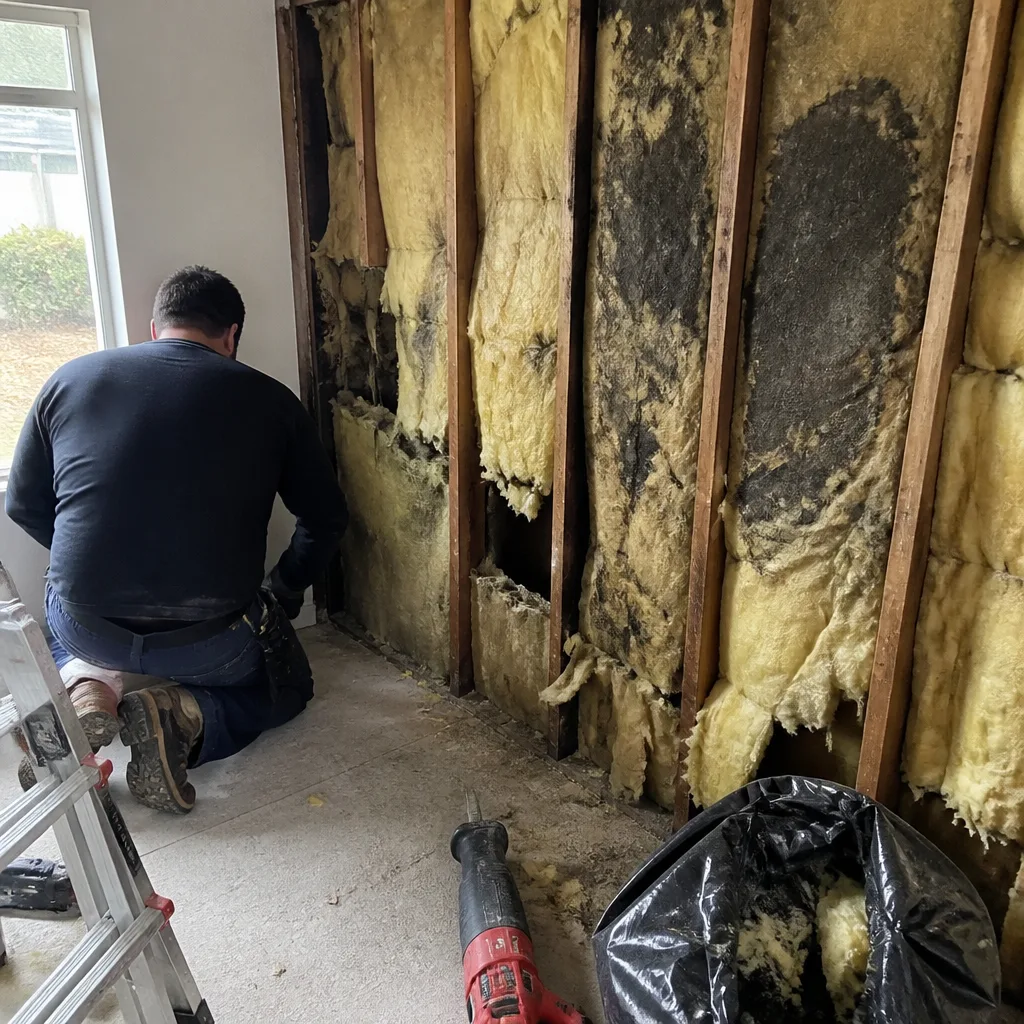 Before
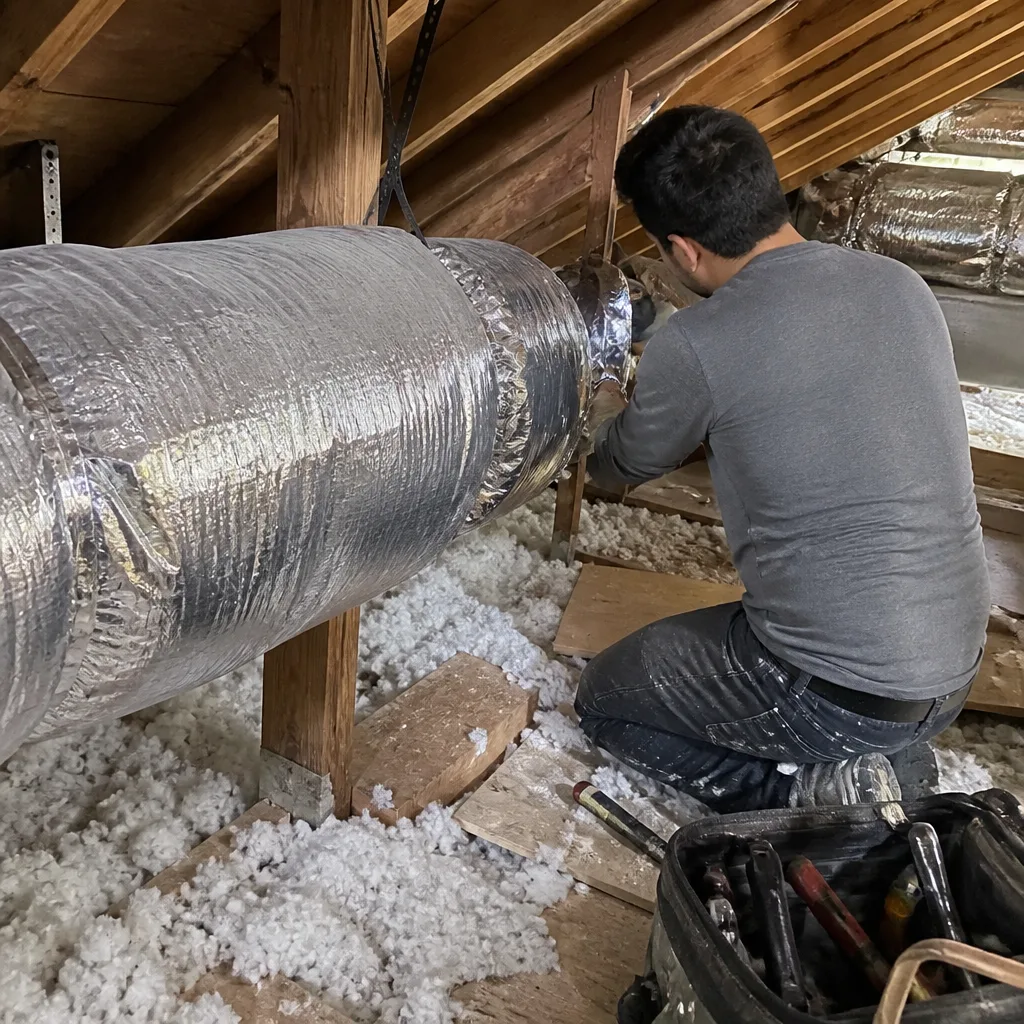 After
AfterAttic Batt Insulation Pricing in Los Angeles
Attic batt insulation pricing in Los Angeles varies based on attic square footage, current conditions, R-value target, and how much air sealing prep the attic floor needs. Here are typical installed ranges we see across the Los Angeles market:
| Scope | Typical Installed Cost (LA Market) |
|---|---|
| Small attic, up to 800 sq ft – R-30 batts, minor air sealing | $1,200 – $2,000 |
| Mid-size attic, 800-1,400 sq ft – R-38 batts, standard air sealing | $2,000 – $3,400 |
| Larger attic, 1,400-2,200 sq ft – R-38 to R-49 batts, full air sealing | $3,400 – $5,200 |
| Old material removal + replacement (any size) | Add $0.50 – $1.10 per sq ft |
| Mineral wool (Rockwool) batts vs. fiberglass | Add $0.30 – $0.60 per sq ft |
A few things that push a job toward the higher end of those ranges in Los Angeles specifically: attics with a lot of recessed can lights (very common in homes built across the Westside and San Fernando Valley between 1975 and 2000), attics with HVAC ducts running through them that need to be worked around, and homes where the existing batts are contaminated and need professional removal before new material can go in.
The biggest cost variable that surprises homeowners is air sealing labor. Attic air sealing isn’t glamorous – it’s a technician on their hands and knees running foam and caulk into penetrations they can barely reach – but it’s what determines whether the batts you paid for actually perform. A home in Los Feliz with R-38 batts over an unsealed attic floor can still lose 30 to 40 percent of conditioned air through bypasses the insulation sits right on top of. We seal first. It’s in the written scope. It’s in the price.
Under Haven Standard Clause 1, you get a written price before any Attic Insulation services work starts – no estimate ranges that change once someone opens the attic hatch, no surprises at invoice time. If you have a written estimate from another contractor, we’ll read it with you and give you a free second opinion on what it covers and what it doesn’t.
FAQs – Attic Batt Insulation
What R-value do I need for attic batt insulation in Los Angeles?
California Title 24 requires a minimum of R-38 for attic insulation in most of Los Angeles County, and R-49 is recommended for homes in hotter inland areas like the San Fernando Valley or areas near the 818 zip codes. If your current batts are R-19 or lower – which is common in Los Angeles homes built before 1980 – you’re well below current code and likely losing a meaningful amount of conditioned air through the ceiling every day your HVAC runs. We’ll confirm the target R-value for your specific home and climate zone in writing before the job starts.
Can I install attic batt insulation myself in Los Angeles?
You can purchase batts at a home improvement store and place them between joists yourself – there’s no permit required for insulation-only work in most Los Angeles jurisdictions. The practical issue is that the air sealing that needs to happen first (top plates, recessed lights, penetrations) requires knowing where to look and using the right materials at each location. A batt install without the air sealing underneath it leaves the primary mechanism of heat loss untouched. If you want to verify what’s actually happening with your envelope before or after a DIY install, a blower-door test gives you the number. We include that test as part of every professional install we do.
How long does attic batt insulation installation take?
Most attic batt insulation jobs in a standard Los Angeles single-family home are completed in one day. A smaller attic – under 1,000 square feet with limited air sealing needs – can be finished in three to four hours. A larger attic with full air sealing, old material removal, and R-49 batt installation can run six to eight hours. We give you a time estimate in the written scope before the job starts, and we text you when the technician is on the way.
How is batt insulation different from blown-in insulation for an attic?
Batt insulation is pre-cut, semi-rigid blankets installed by hand between joists – it’s a good fit for attics with consistent joist spacing and accessible floor areas. Blown-in insulation (loose-fill fiberglass or cellulose) is machine-blown to fill irregular spaces, cover existing material, and reach areas that batts can’t reach easily, like tight eaves or attics with lots of cross-bracing. Batts are often the right choice for attics being started from scratch with clean, clear joist bays; blown-in is often more practical for topping up or filling in complex attic geometries. Both can be taken to the same R-value. We’ll tell you in the assessment which approach makes more sense for your specific attic – and why – before you commit to anything. You can see a full breakdown of Attic Insulation in Los Angeles options on the parent service page.
Key Takeaways
- Attic batt insulation in Los Angeles runs $1,200 to $5,200 installed for most single-family homes, depending on attic size, R-value, and prep conditions.
- California Title 24 sets the minimum at R-38 for most of LA County; R-49 is recommended for inland Valley areas.
- Air sealing always comes before insulation at Topside Attic Insulation Los Angeles – it’s not an upsell, it’s the job.
- Every job includes a written price before work starts, a before-and-after blower-door reading, and a documented photo record.
- The 365-Day Done Right Promise covers all completed work in writing.
- If you have a competing written estimate, we’ll give you a free second opinion on what it actually covers.
If your attic is under-insulated, running old compressed batts, or you’re not sure what’s up there, the first step is a written assessment. Call Topside Attic Insulation Los Angeles at (628) 226-1097 – a live person picks up every call – and we’ll schedule a visit, put a written price in your hands, and show you exactly what your attic floor looks like before and after. No obligation to proceed until you’ve seen the scope in writing. That’s how we work on every job, from home to finished project.
Written by Wes Okafor, Owner at Topside Attic Insulation Los Angeles, serving Los Angeles since 2016.