
Crawl Space Vapor Barrier in Los Angeles, CA
Crawl Space Encapsulation & Vapor Barrier services use thick polyethylene sheeting – typically 12 to 20 mil – installed across the ground and up the foundation walls of your crawl space to stop soil moisture from entering your living space. In Los Angeles, where coastal humidity in neighborhoods like Mar Vista and El Segundo combines with clay-heavy soils that hold water long after rain, ground moisture is a year-round problem, not a seasonal one. Most homes we inspect in Los Angeles with musty odors, soft subfloors, or elevated indoor humidity trace the root cause to an unprotected or inadequately protected crawl space.
If you’re unsure whether your crawl space has a barrier at all, or if the existing plastic sheeting is torn, bunched, or the wrong thickness, that’s exactly what we come out to assess. Topside Attic Insulation Los Angeles has been performing crawl space vapor barrier installations under The Haven Standard since 2016 – written price before any work starts, documented photo record when we leave. Call (628) 226-1097 to schedule a no-obligation crawl space inspection.
This page covers the vapor barrier portion of the work specifically. For the full picture of what crawl space encapsulation involves – including rim joist sealing, conditioned-air introduction, and dehumidification – see our Crawl Space Encapsulation & Vapor Barrier in Los Angeles page.
When You Need a Crawl Space Vapor Barrier
- Musty or earthy odors coming up through floors: If the smell is strongest near baseboards, floor registers, or hardwood seams, soil off-gassing from an unprotected crawl is the most common source. We see this frequently in older Craftsman bungalows in Atwater Village and Highland Park, where original builders left dirt floors completely exposed.
- Wood floors that buckle, cup, or feel spongy: Wood absorbs ambient moisture from below before it absorbs it from above. When subfloor MC (moisture content) climbs above 19 percent, structural softening begins. In Culver City and Palms, where many homes sit on post-and-pier foundations, this is one of the first signs of chronic crawl space moisture.
- Visible mold or white efflorescence on foundation walls: White chalky deposits on concrete or CMU block indicate water is actively wicking through the foundation. Mold on joists or subfloor decking means moisture content has already exceeded wood’s tolerance. Both conditions require the moisture source to be addressed before any structural repair or insulation work makes sense.
- Existing vapor barrier that is torn, incomplete, or under 6 mil: Code minimum in California is 6 mil, but that’s a floor, not a target. A 6 mil sheet punctured by pest activity, old plumbing work, or simply foot traffic during a previous inspection provides almost no protection. Many homes in Los Feliz and Silver Lake that received “vapor barriers” during the 1980s have material that has degraded to tissue-paper thickness in spots.
- HVAC equipment or ductwork located in the crawl space: Ducts pulling conditioned air through a humid crawl space sweat on the outside surface, and that condensation feeds mold growth on the duct jacket and the joists around it. A vapor barrier reduces the ambient RH (relative humidity) the equipment is fighting against.
- Recently discovered pest damage or a termite clearance report: Pest inspectors routinely note inadequate vapor barriers in their reports because moisture is what draws subterranean termites and wood-boring beetles. If your termite report flagged crawl space moisture, a proper vapor barrier is usually the prerequisite repair before any wood treatment takes hold.
Our Crawl Space Vapor Barrier Process
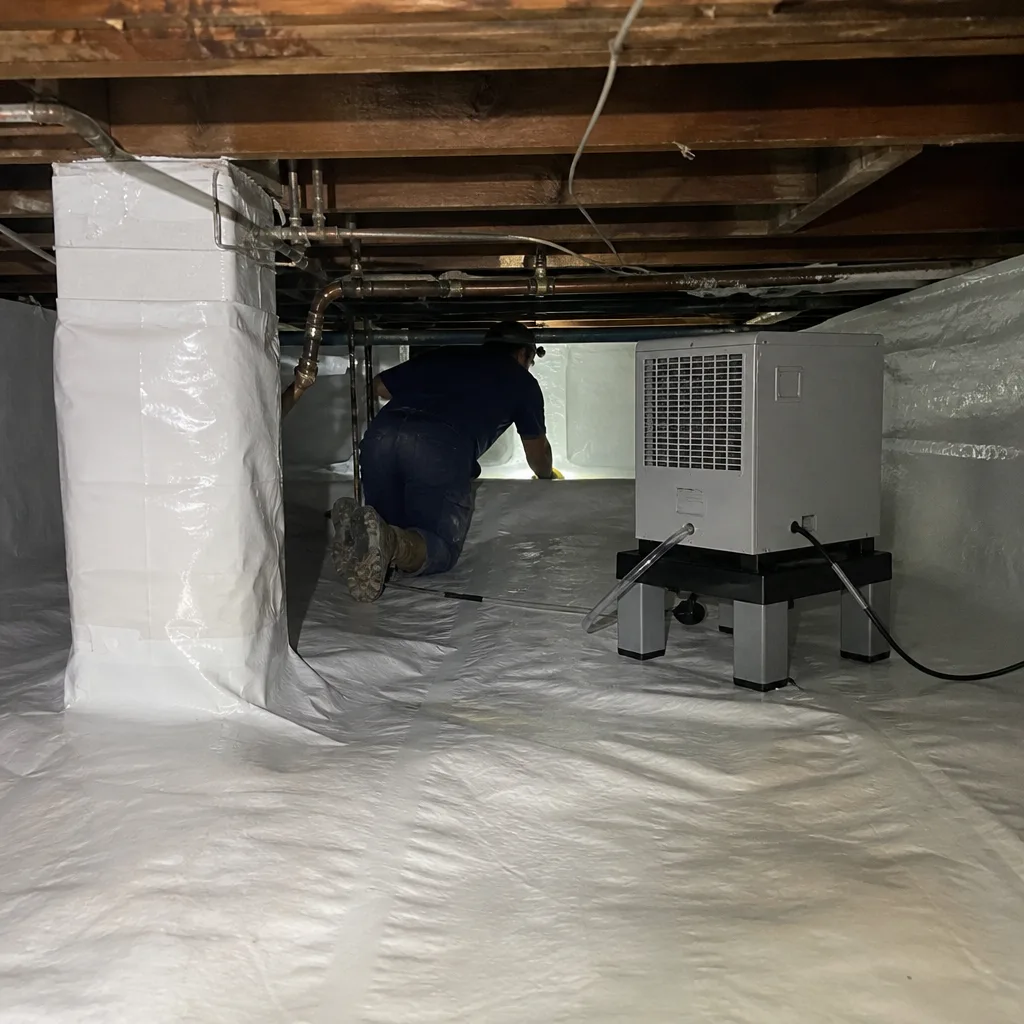
Every installation follows the same documented sequence. Nothing gets skipped to save time, and the photo record we leave with you shows each completed step.
- Crawl Space Assessment and Documentation: Before touching any material, we photograph the existing conditions – current ground cover or lack of it, visible mold or moisture staining, standing water indicators, foundation wall condition, and the location of any plumbing penetrations or HVAC components. If we find anything that affects scope or safety, it’s in writing before we quote you anything. Under Haven Standard Clause 1, a written price precedes any work.
- Debris Removal and Ground Preparation: Old, degraded sheeting, construction debris, and organic material sitting on the crawl floor are removed. We don’t install a new barrier over a compromised old one – that traps debris and moisture underneath and defeats the purpose. The ground is graded where necessary to eliminate low spots that pool water.
- Barrier Material Selection and Staging: For most Los Angeles crawl spaces, we install a reinforced polyethylene barrier in the 12 to 20 mil range, depending on what the crawl geometry, access frequency, and moisture readings call for. This is thicker than the code-minimum 6 mil sheeting and is puncture-resistant enough to hold up to the occasional access for plumbing or pest inspection. Where applicable, we use materials from manufacturers like Owens Corning or Johns Manville whose product specifications are documented and verifiable.
- Ground Installation with Overlapping Seams: Sheeting is laid across the entire crawl floor with seams overlapping a minimum of 12 inches and taped with a compatible butyl or poly tape. Loose seams are where most barrier failures begin. Penetrations – pipes, posts, columns – are cut and sealed individually. We do not leave gaps around post bases or at the edges where the floor meets the foundation wall.
- Foundation Wall Coverage and Mechanical Fastening: The barrier is run up the interior face of the foundation wall and fastened above the soil line using masonry anchors and termination bar, not just tape alone. In a partial encapsulation installation, the wall coverage height follows the scope defined in your written quote. Proper wall attachment is what keeps the barrier from peeling away from the wall during seasonal movement.
- Final Inspection, Photos, and Documentation Handoff: We walk the completed installation, photograph every section, and note the mil rating, material source, and seam locations in the job record. You receive that photo documentation before our truck leaves the driveway. If anything in the finished product doesn’t match what was in the written scope, we note it and resolve it – that’s the 365-Day Done Right Promise in practice.
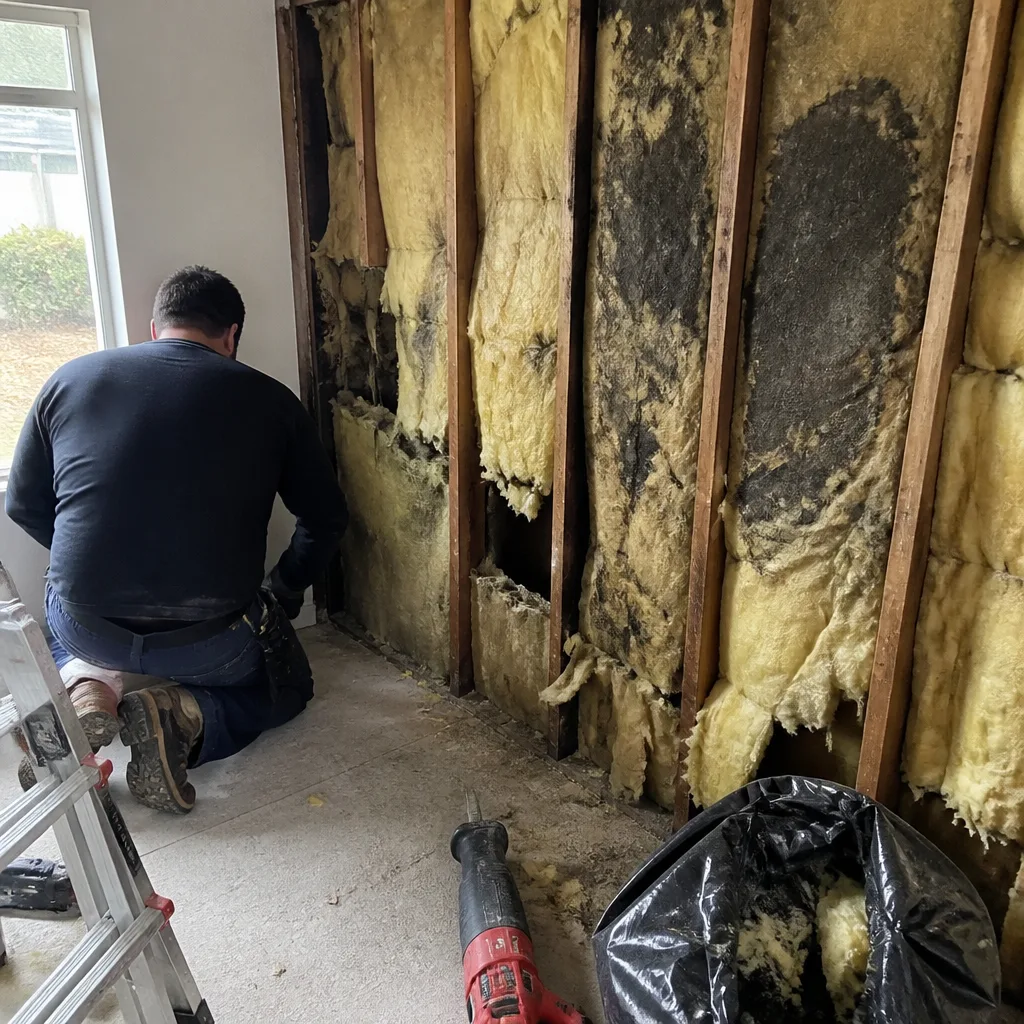 Before
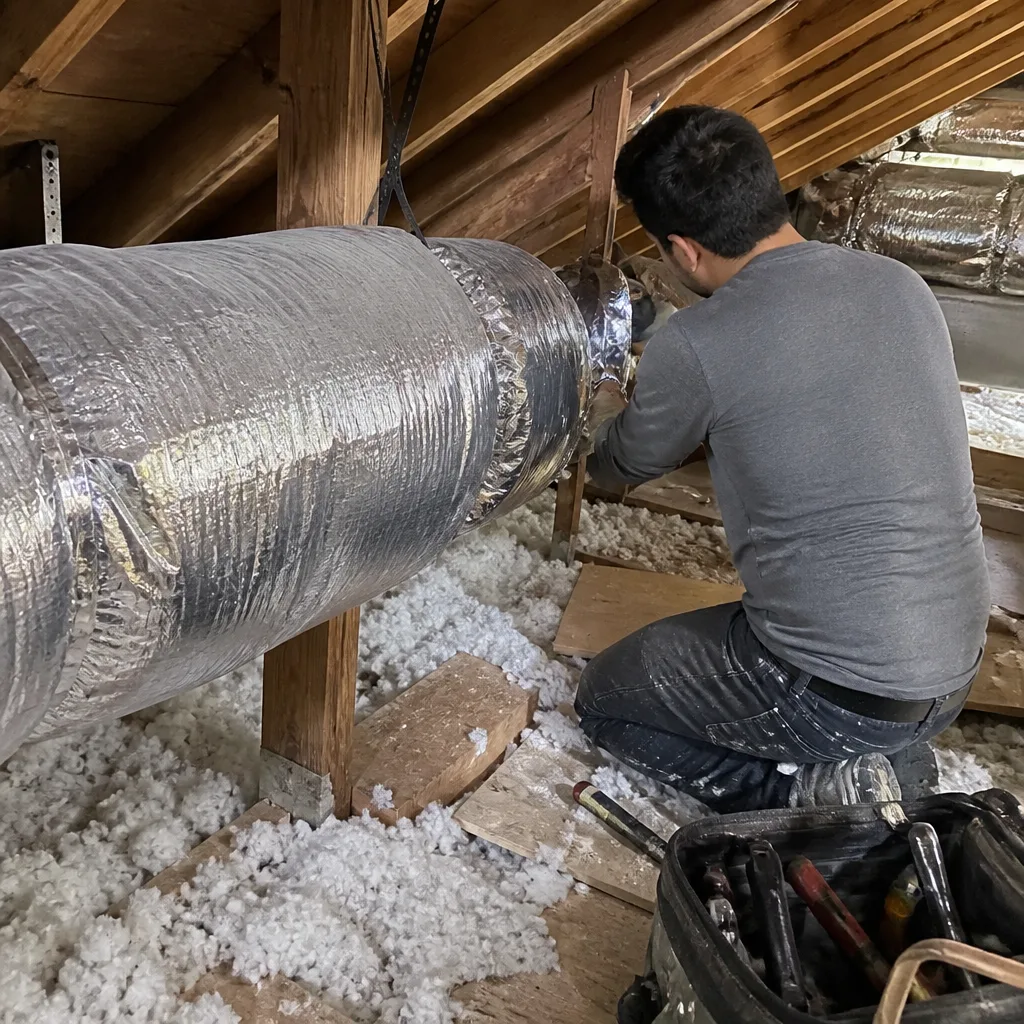 After
AfterCrawl Space Vapor Barrier Pricing in Los Angeles
Wondering How Much Does Crawl Space Encapsulation & Vapor Barrier Cost? (2026 Price Guide) - Los Angeles, CA? A standalone vapor barrier job typically runs between $1,200 and $4,500 – meaning ground cover and wall coverage without full conditioned-air encapsulation or dehumidifier installation. The range is wide because crawl space geometry varies more than almost any other part of a house.
| Scope | Typical Range (Los Angeles) |
|---|---|
| Small crawl space, ground cover only (under 800 sq ft), 12 mil sheeting | $1,200 – $1,900 |
| Mid-size crawl space (800-1,500 sq ft), ground + wall coverage, 12-16 mil | $1,900 – $3,000 |
| Larger or complex crawl (1,500+ sq ft, limited access, multiple zones), 20 mil reinforced | $3,000 – $4,500 |
| Debris removal or old barrier disposal (added to above) | $200 – $600 |
| Mold-affected material remediation (scope dependent) | Quoted separately after assessment |
Several factors move the number within those ranges:
- Access difficulty: Crawl spaces with 18-inch clearance in a hillside home in Mount Washington or Glassell Park take longer to work in than a standard 36-inch clearance crawl in a flat-lot home in Northridge. Labor time is the biggest variable.
- Mil thickness and material grade: Code minimum (6 mil) is significantly cheaper per square foot than a 20 mil reinforced barrier. We’ll tell you exactly which thickness we’re recommending and why, and what the per-square-foot material cost difference is.
- Existing conditions: Crawl spaces with standing water history, significant old barrier removal, or pest damage to address first add cost. We document all of it in the initial assessment so there are no surprises after work starts.
- Wall coverage height: Running the barrier 12 inches up the wall costs less than running it to the full sill plate height. The written scope specifies exactly what height we’re covering.
We don’t give ballpark estimates over the phone and then revise them upward after the crew arrives. Under Haven Standard Clause 1, the written price you receive before work starts is the price. If you’ve already received a written estimate from another contractor, we’ll read it with you at no charge – that’s our Free Second Opinion offer, and it applies to any written quote.
Call (628) 226-1097 to schedule your crawl space assessment. The assessment is free, and the written price follows before any work begins.
FAQs – Crawl Space Vapor Barrier
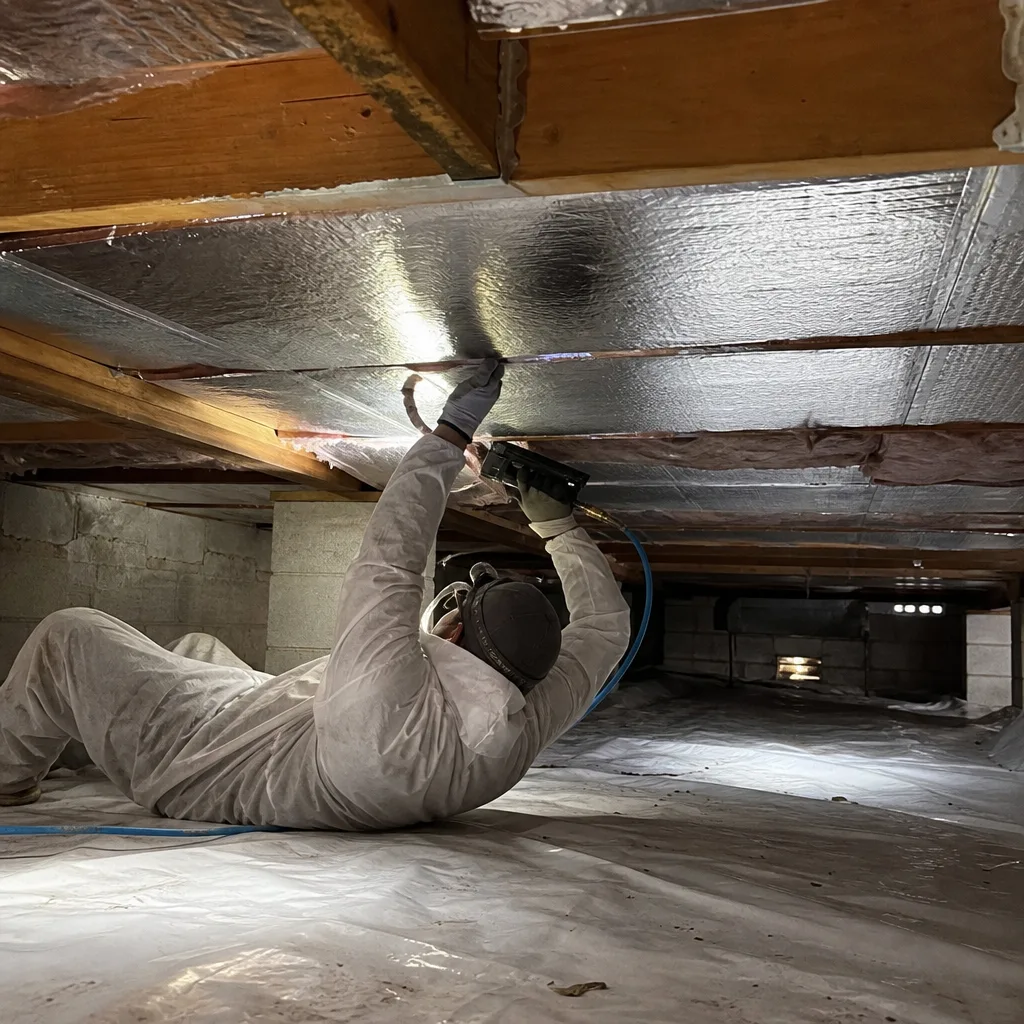
What thickness vapor barrier do I need in a Los Angeles crawl space?
For most Los Angeles homes, a 12 mil reinforced barrier is the practical minimum for a durable installation – 6 mil meets California code but degrades quickly under foot traffic and pest activity. Homes with active moisture issues, high-frequency crawl access for plumbing or HVAC maintenance, or a history of rodent intrusion should use 16 to 20 mil sheeting. During our assessment, we measure ambient RH, note any signs of past moisture intrusion, and document our Crawl Space Insulation thickness recommendation in writing before we quote you. Call (628) 226-1097 and we’ll walk you through what we actually find.
How long does a crawl space vapor barrier last?
A properly installed reinforced barrier in the 12-20 mil range lasts 20 to 30 years under normal conditions – meaning no repeated foot traffic, no pest damage that goes unaddressed, and no plumbing leaks sitting on top of it. Thinner 6 mil sheeting installed without wall attachment and seam taping typically shows significant degradation within 8 to 12 years, which is why we find so many failed barriers in homes built before 2000. The Documented Photo Record we leave after installation gives you a baseline to compare against during any future inspection.
Can I install a crawl space vapor barrier myself?
Physically, yes – but the most common DIY failure points are under-overlapped seams, gaps around penetrations, and sheeting that’s not mechanically fastened to the wall. Any one of those gaps undermines the whole installation. In a Los Angeles crawl space with limited clearance and irregular foundation geometry – which describes most homes in neighborhoods like Eagle Rock, Echo Park, and the hillside zones of Northeast LA – working conditions make precise seam placement genuinely difficult without experience. We also see DIY installs that used the wrong tape for the sheeting type, causing seam failures within two to three years. If you want to compare a competitor’s quote to ours, bring it in – the Free Second Opinion is there for exactly that.
Is a vapor barrier the same as full crawl space encapsulation?
A vapor barrier is one component of a full encapsulation, not the whole thing. Full encapsulation also includes sealing the crawl space vents, insulating and air-sealing the rim joist, and typically introducing conditioned air or a dehumidifier to manage the crawl environment once it’s sealed. A standalone vapor barrier controls ground moisture but does not make the crawl space a conditioned zone. For many Los Angeles homes with mild moisture issues, a vapor barrier alone is sufficient. For homes with chronic high humidity, mold history, or HVAC equipment in the crawl, full encapsulation is usually the more complete answer. Our Crawl Space Encapsulation & Vapor Barrier in Los Angeles page covers what that full scope involves and what it costs.
Ready to Get a Written Price for Your Crawl Space?
If your Los Angeles home has a dirt crawl space, an aging vapor barrier, or any of the symptoms listed above, the first step is a documented assessment – not a guess over the phone. Wes Okafor and the Topside Attic Insulation Los Angeles crew have assessed and installed vapor barriers across Los Angeles since 2016, from the flat-lot homes of Canoga Park and Reseda to the hillside crawl spaces in Mount Washington and Montecito Heights. Every job starts with a written price. Every job ends with a photo record. The 365-Day Done Right Promise is in writing before anyone lifts a tool.
Call (628) 226-1097 to schedule your free crawl space assessment. If you have a written estimate from another contractor, bring it – we’ll review it with you at no charge before you decide anything.
Written by Wes Okafor, Owner at Topside Attic Insulation Los Angeles, serving Los Angeles since 2016.