
Last updated September 22, 2026
The Complete Guide to Insulation in Los Angeles
A house in Reseda with R-38 blown fiberglass can use more cooling energy than a Pasadena house with R-19 batts. The difference isn’t the insulation. It’s the attic floor: unsealed can-light penetrations, a pull-down stair gap, and top plates that leak conditioned air into the vented attic space faster than the HVAC can replace it. In Los Angeles, we see this mismatch constantly. Homeowners shop for R-value because it’s printed on the bag, but the real performance killer in our Mediterranean climate is uncontrolled air movement through attic bypasses. This guide explains what actually drives comfort and cost in LA homes, how California’s Title 24 code fits into the picture, and what documentation you should walk away with when the job is done. For more guides & resources, visit our blog.
Quick Answer
Insulation in Los Angeles works best when it’s designed around the building envelope as a system, not a product category. Most LA homes built between 1950 and 1985 need air sealing of attic bypasses before any insulation is added; without it, even high R-value materials underperform. A complete job pairs targeted air sealing with climate-appropriate insulation type and density, documented with pre- and post-work blower-door readings.
Table of Contents
- How Los Angeles Climate Zones Change What You Need
- R-Value vs. Airtightness: Why Both Numbers Matter
- The Attic Bypasses Wasting Energy in LA Homes
- Insulation Types and Where They Fit in Los Angeles
- Title 24: Code Minimums and When They Fall Short
- What a Documented Job Record Should Contain
- What Insulation Costs in Los Angeles
- Common Mistakes to Avoid
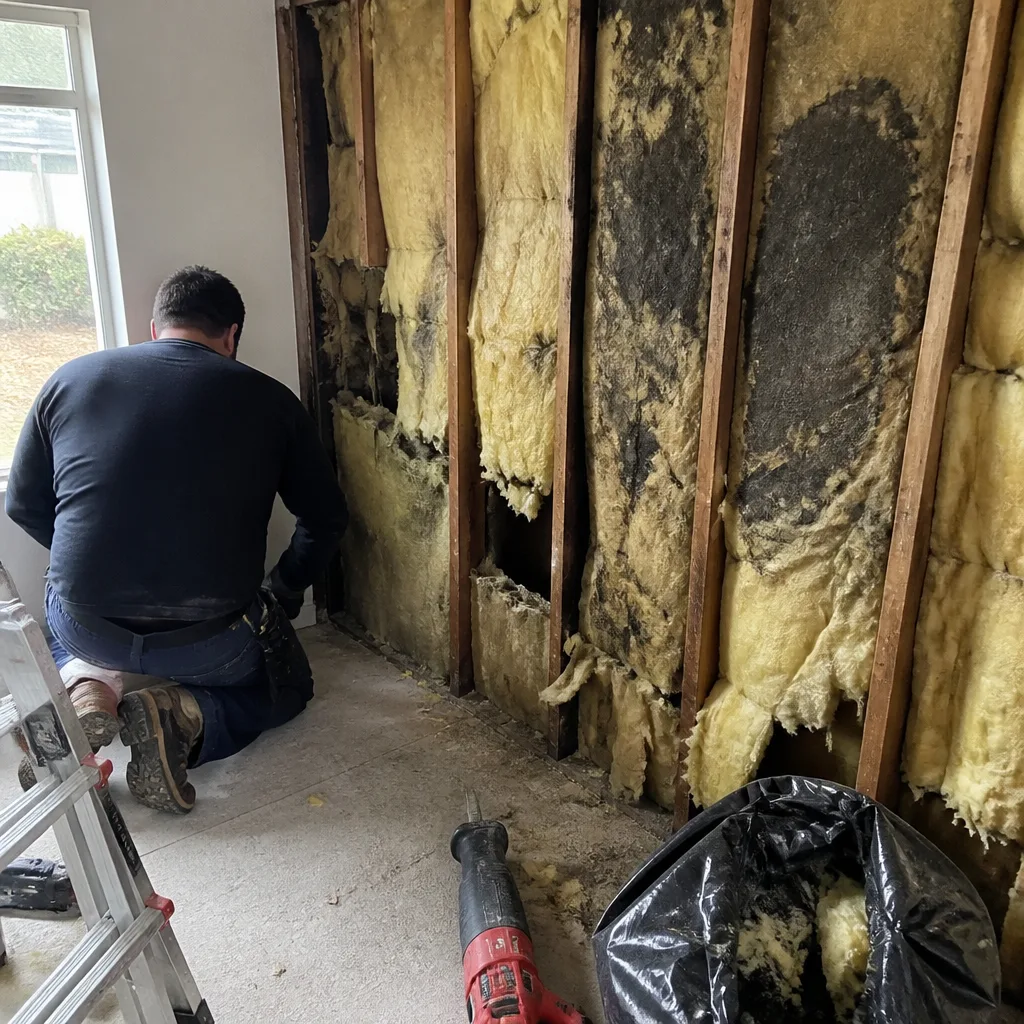 Before
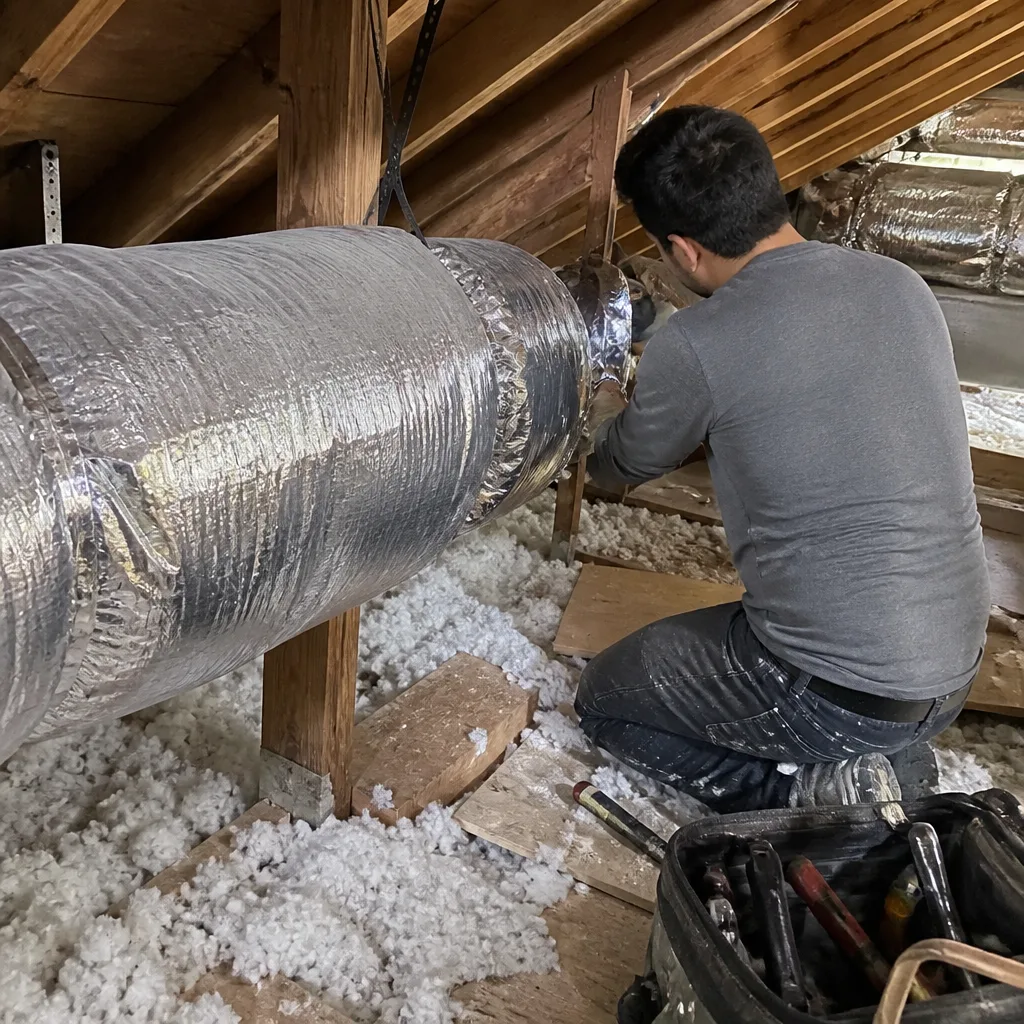 After
AfterHow Los Angeles Climate Zones Change What You Need
Los Angeles County spans three California Energy Commission climate zones, and the zone your home sits in changes the insulation strategy significantly. Most homeowners don’t know their zone. Contractors who don’t check it are guessing.
CEC Climate Zone 9 covers the San Fernando Valley, parts of the San Gabriel Valley, and inland neighborhoods from Reseda to Burbank to Alhambra. Summer design temperatures hit 95°F regularly, winter lows dip to the mid-30s. Attics here need higher R-values and more attention to radiant heat gain. A vented attic in Zone 9 with dark shingles can reach 140°F in August. Attic insulation in Los Angeles for Zone 9 homes typically means R-38 to R-49 blown fiberglass or cellulose, with a radiant barrier if the roof deck is exposed.
CEC Climate Zone 10 includes the LA Basin, downtown, and coastal-adjacent neighborhoods from Koreatown to Echo Park to Culver City. Milder summers, milder winters, but marine layer moisture matters. Condensation risk on cool roof decks in June gloom means vapor-permeable assemblies perform better than sealed foam in some retrofit applications. Zone 10 homes often have less severe attic temperature swings, so the payoff from extreme R-value increases diminishes faster than in Zone 9.
CEC Climate Zone 6 touches the far western edge: Malibu, Topanga, parts of the Palos Verdes Peninsula. Cooler, wetter, more wind exposure. Here, wind washing - outdoor air pushed through insulation by pressure differentials - can strip R-value from batts in vented attics. Dense-pack cellulose or spray foam performs better in Zone 6 retrofits because it resists air movement through the cavity.
We’ve measured blower-door results in all three zones. A Zone 9 home in Van Nuys with R-30 batts and a sealed attic floor often outperforms a Zone 10 home in Silver Lake with R-38 and gaping bypasses. The zone matters, but the envelope matters more.
R-Value vs. Airtightness: Why Both Numbers Matter
R-value measures thermal resistance: how much a material slows heat transfer. It’s tested in a lab, in still air, with no pressure differential. ACH50 measures airtightness: how many times per hour the entire volume of air in your home exchanges with outside air when the building is pressurized to 50 pascals. It’s measured on site, in your actual house, with your actual leaks.
Both numbers appear on a complete Los Angeles job ticket. Neither one alone tells you what your bill will look like.
Here’s how they interact. R-value addresses conductive heat flow: heat moving through solid materials. In a Los Angeles summer, conductive gain through an uninsulated ceiling is significant. But convective heat flow - heat carried by moving air - often dominates in the homes we assess. A 1-square-inch gap in the attic floor can leak as much conditioned air as 30 square inches of missing insulation. The R-value of the insulation surrounding that gap is irrelevant if the air is bypassing it entirely.
We use a blower-door test - a pressurization reading that shows, in one number, how much air your building envelope is losing - to quantify this. A typical 1960s LA ranch in the Valley reads 3,500 to 5,500 CFM50 before air sealing. After sealing top plates, can lights, and penetrations, we commonly see 40% to 60% reduction. The insulation we add after sealing then performs at its rated R-value because it’s actually separating conditioned space from unconditioned space.
Title 24 specifies minimum R-values by assembly. It does not specify maximum ACH50 for existing home retrofits. This is a gap. A home can pass Title 24’s prescriptive insulation requirements and still leak conditioned air like a screen door. The best Los Angeles insulation contractors measure both.
The Attic Bypasses Wasting Energy in LA Homes
In our experience, five attic bypass types account for the majority of measured air leakage in Los Angeles’s 1950s-to-1980s housing stock. We find them on nearly every blower-door assessment in neighborhoods from Northridge to Highland Park.
- Top plate gaps. The double top plate of a framed wall rarely seals to the drywall below. In a vented attic, this becomes a direct path from conditioned wall cavities into the attic. We seal these with caulk or foam, depending on gap width, before any insulation goes in.
- Recessed can lights. Older non-IC-rated cans are essentially open holes in the ceiling. Even IC-rated cans leak unless they’re specifically airtight models. In homes with 20+ cans - common in 1970s Valley ranches - this single bypass can dominate the leakage profile.
- Attic access hatches and pull-down stairs. A 1/4-inch gap around a pull-down stair unit leaks continuously when the HVAC runs. We build sealed dams, add weatherstripping, and insulate the hatch itself to R-38 equivalent.
- Chase walls and plumbing/electrical penetrations. Chimney chases, plumbing vent stacks, and bundled electrical runs create vertical shafts that connect conditioned space to attic. These require fire-rated sealing materials at the attic floor plane.
- Duct boots and platform framing. HVAC supply boots often sit on unsealed platforms. Conditioned air pressurizes the platform cavity, which leaks into the attic through framing gaps. We seal the platform perimeter and the boot-to-ceiling joint.
Sealed first, then insulated. In that order. Topside Attic Insulation Los Angeles will never blow insulation over an unsealed attic floor. Air sealing of top plates, can lights, and penetrations is completed before any insulation is added. We’ve documented the difference on over 9,000 homes since 2016: a sealed attic floor with R-30 consistently outperforms an unsealed floor with R-49 in both comfort and measured energy use.
Insulation Types and Where They Fit in Los Angeles
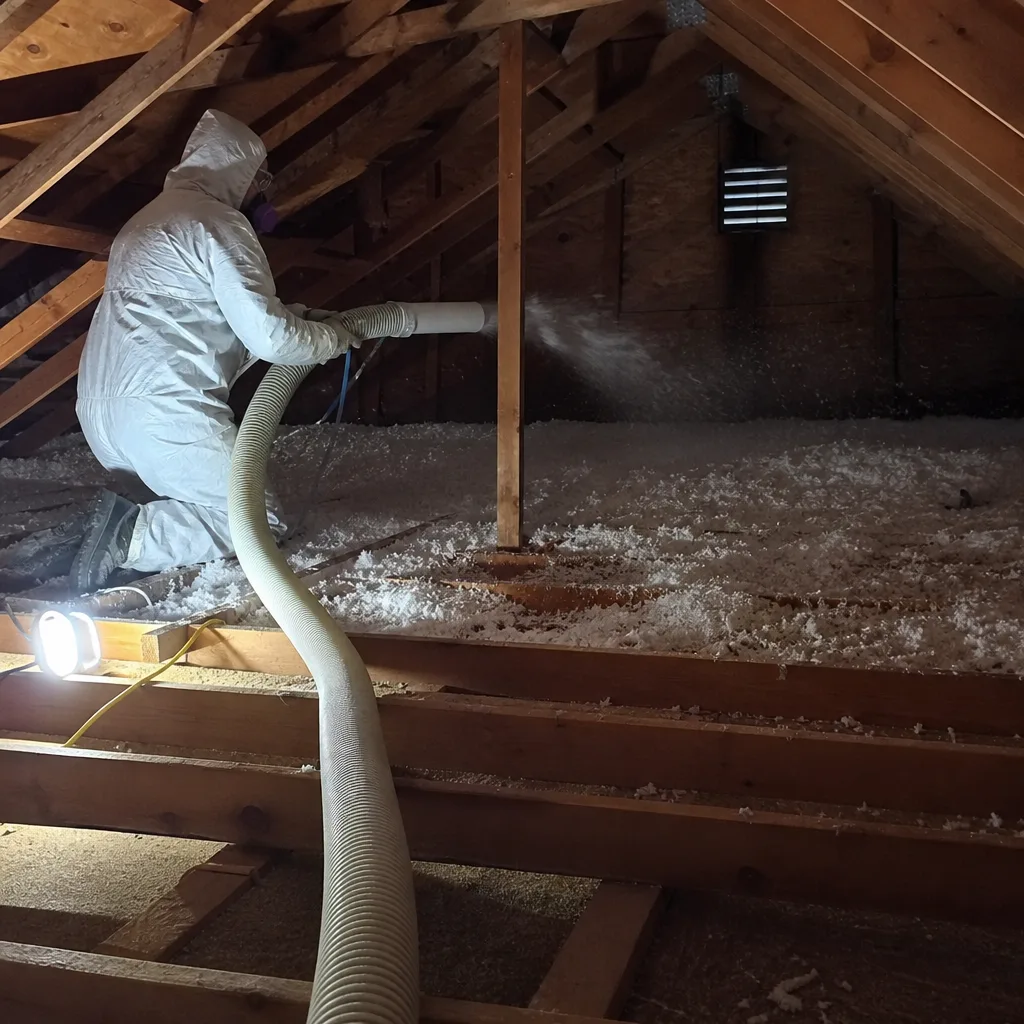
Los Angeles homes use four primary insulation types. Each has specific applications, and none is universally superior. The right choice depends on assembly type, access, budget, and whether air sealing has been completed first. See our DIY vs Professional Insulation: The Los Angeles Homeowner’s Decision Guide to weigh your options.
Blown fiberglass. Loose-fill fiberglass, commonly Owens Corning AttiCat or Johns Manville Climate Pro, works well in open vented attics with adequate depth for R-38 to R-49. It doesn’t settle significantly if installed to proper density. In Zone 9 attics, we often pair it with a radiant barrier on the roof deck. Blown fiberglass is cost-effective for large open areas but requires complete air sealing first; it does not block air movement.
Blown cellulose. Recycled paper fiber treated with borate fire retardant. GreenFiber is a common brand. Cellulose has slightly better resistance to air movement than fiberglass at equivalent density, and it performs better in wind-wash conditions. We use it in Zone 6 homes and in attics with complex geometry where settling would leave gaps. Cellulose can be dense-packed into closed wall cavities at 3.5 pounds per cubic foot, where it acts as both insulation and modest air barrier.
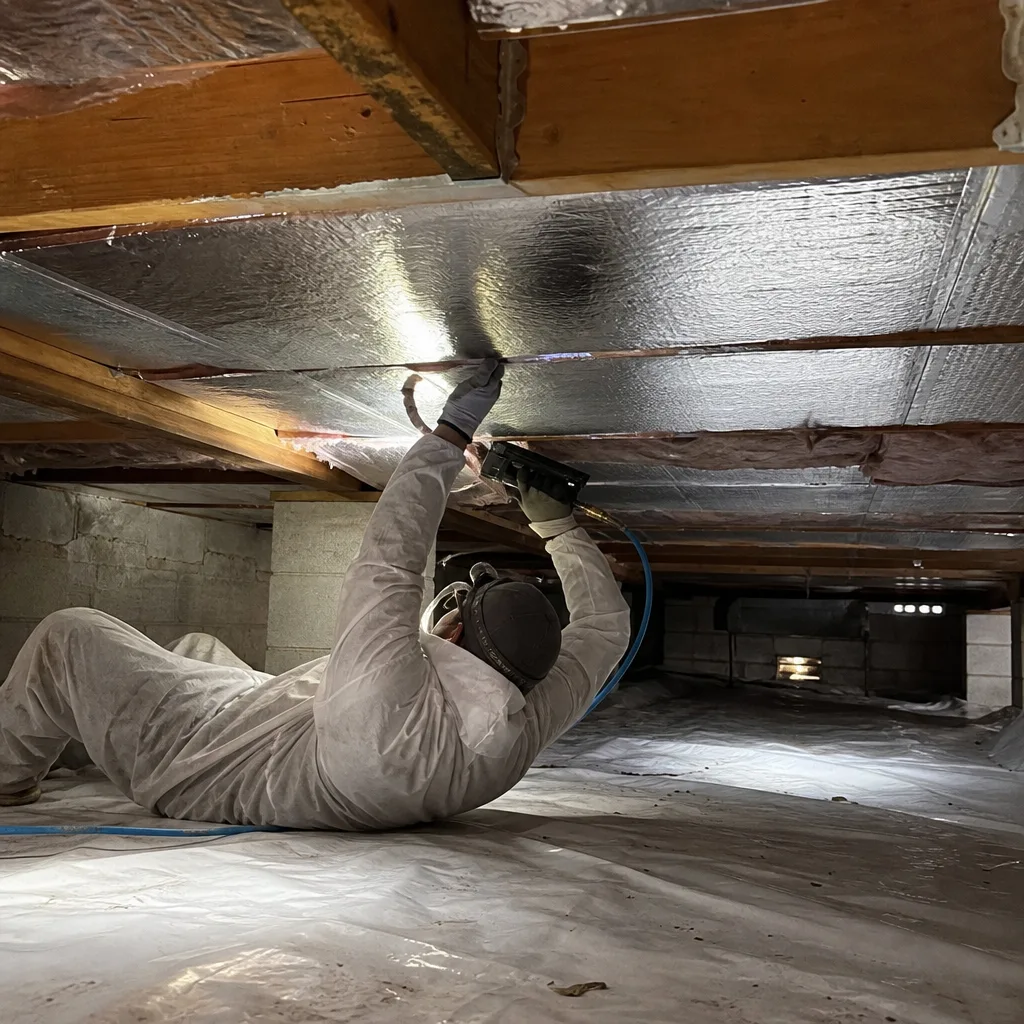
Spray foam insulation. Spray foam insulation in Los Angeles comes in two densities: open-cell (half-pound, Icynene or Demilec) and closed-cell (two-pound). Open-cell is vapor-permeable and works well in rafter bays for unvented conditioned attics. Closed-cell adds structural rigidity and vapor resistance, useful in crawl space rim joists or below-grade applications. Spray foam is the most effective air barrier of the common insulation types, but it’s not a substitute for proper detailing at transitions and penetrations. Cost runs higher than blown materials, and off-gassing requires temporary occupant evacuation during installation.
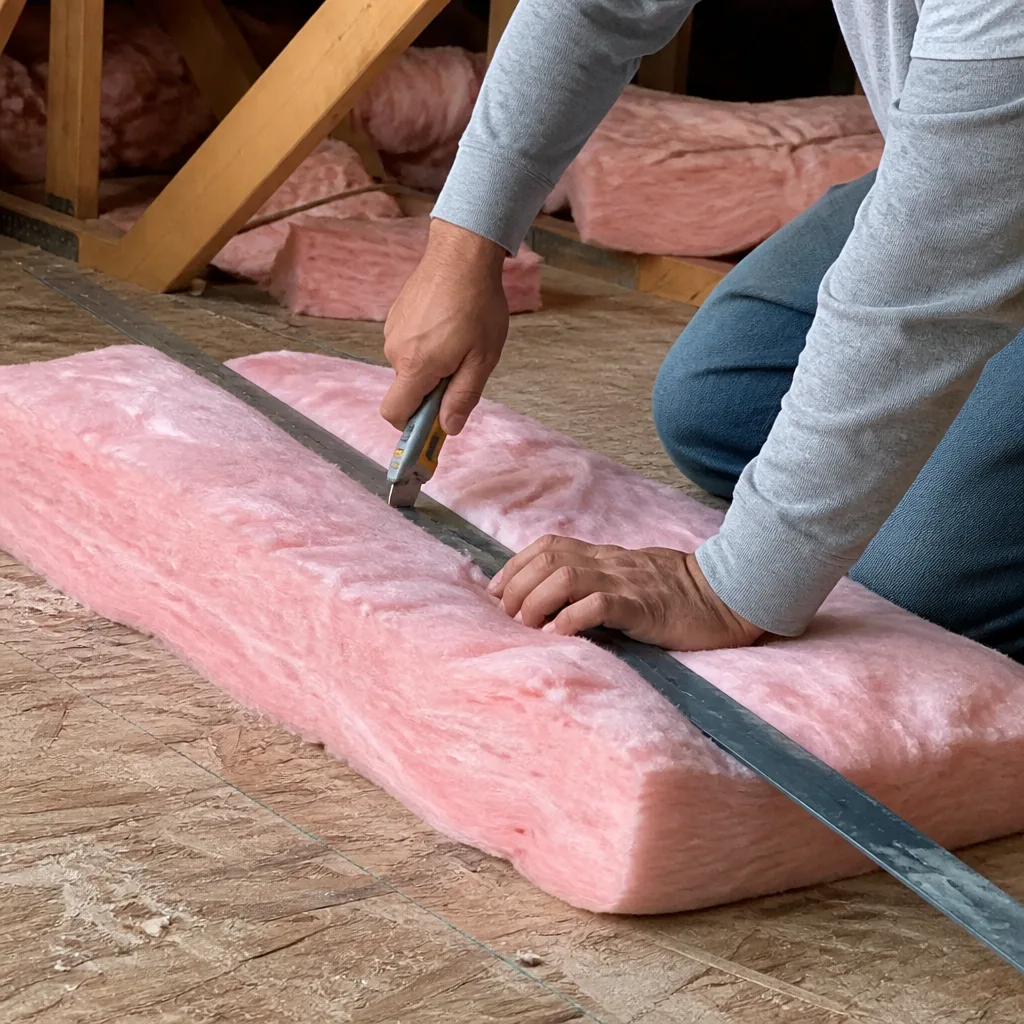
Batt insulation. Fiberglass or mineral wool batts (Rockwool, CertainTeed) fit between studs and joists in new construction or complete gut renovations. In Los Angeles retrofits, batts are rarely the best choice for attics because they leave inevitable gaps around obstructions. We use mineral wool batts for fireblocking at chase walls and where ignition barriers are required by code.
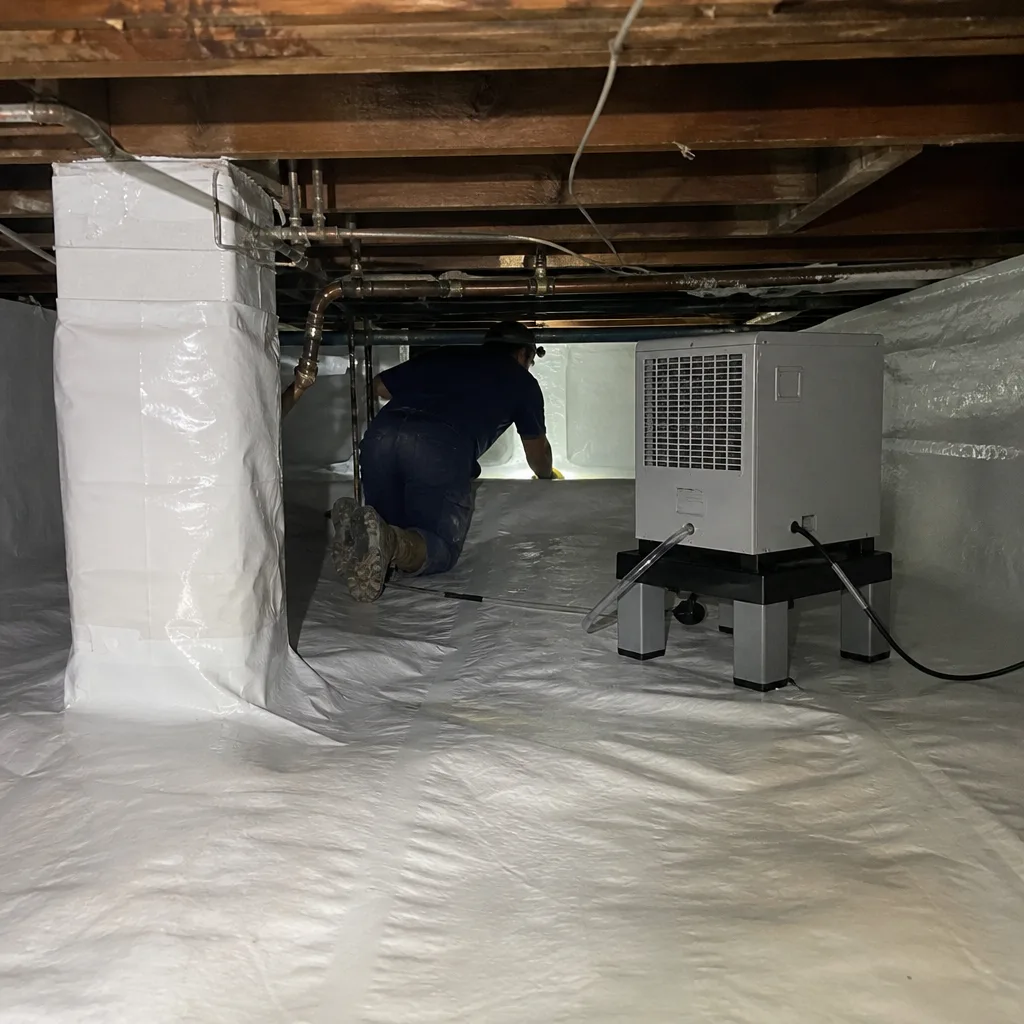
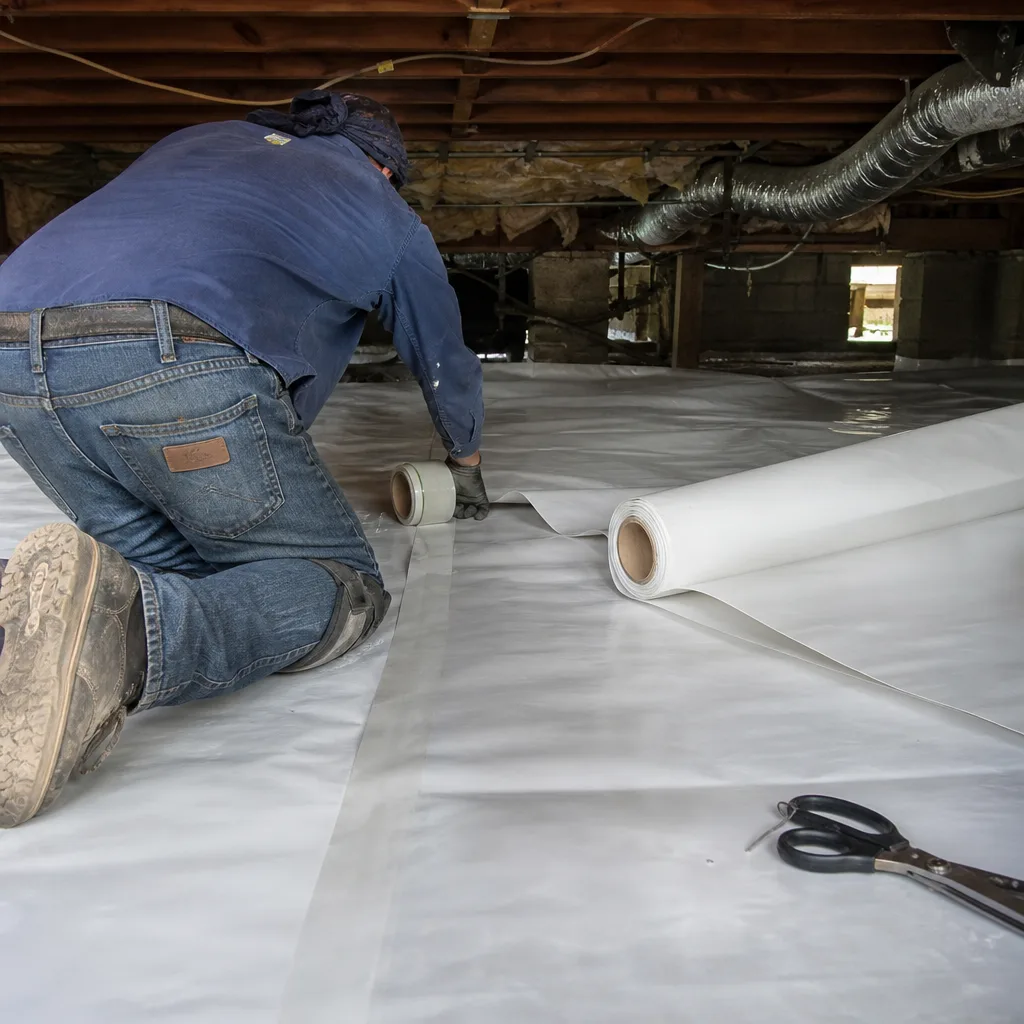
Crawl space applications. Crawl space encapsulation and vapor barrier in Los Angeles requires a different approach. Unvented crawl spaces in LA’s older neighborhoods - think 1920s bungalows in Echo Park or 1940s cottages in Mar Vista - often have dirt floors and no vapor barrier. We install sealed vapor barriers (typically 10-mil polyethylene or reinforced membrane), seal foundation vents, and insulate rim joists with closed-cell foam or rigid board. This transforms the crawl from a moisture source into a conditioned semi-interior space.
Title 24: Code Minimums and When They Fall Short
California’s Title 24, Part 6 sets the energy code for new construction and alterations. For Los Angeles homeowners, the relevant sections are the prescriptive insulation requirements and the performance compliance path.
Current Title 24 minimums for existing wood-framed homes:
- Attic insulation: R-30 minimum in Climate Zones 9 and 10; R-38 in Zone 6
- Wood-framed wall insulation: R-13 batt or R-15 continuous insulation
- Floor over unconditioned space: R-19
- Crawl space walls: R-10 continuous if unvented
These are minimums. Meeting them does not optimize performance. In our work across Los Angeles, we regularly find that Title 24 minimum attic insulation in a Zone 9 home with a dark roof and unsealed bypasses produces summer ceiling surface temperatures above 95°F. The occupants lower the thermostat to compensate. The energy model that generated the R-30 minimum assumed a reasonably tight envelope, which many LA homes do not have.
The performance compliance path allows trade-offs: a builder or retrofitter can meet the energy budget with lower R-values if airtightness is better. This is the smarter approach for existing homes. We’d rather see a Zone 9 home at R-38 with an ACH50 of 4.0 than R-49 with an ACH50 of 12.0. The first home costs less to condition and feels better.
Title 24 also requires HERS verification for some measures - a Home Energy Rating System rater inspects and tests the work. We coordinate HERS verification when required and provide the documentation for permit closeout.
What a Documented Job Record Should Contain
Every insulation job in Los Angeles should end with a documented record. Not a handshake and a business card. Actual documentation you can file with your home’s records and reference when you sell, refinance, or troubleshoot a comfort problem.
Under Haven Standard: Have it in writing. Here’s what that looks like.
- Pre- and post-blower-door readings. The CFM50 before air sealing, the CFM50 after, and the calculated ACH50. This single figure pair shows whether the envelope actually improved. We publish these on every applicable job.
- Material data sheets. Manufacturer specifications for the insulation installed: product name, R-value per inch, density, fire rating, and any relevant certifications. If we used Demilec open-cell foam or CertainTeed fiberglass, you get the sheet.
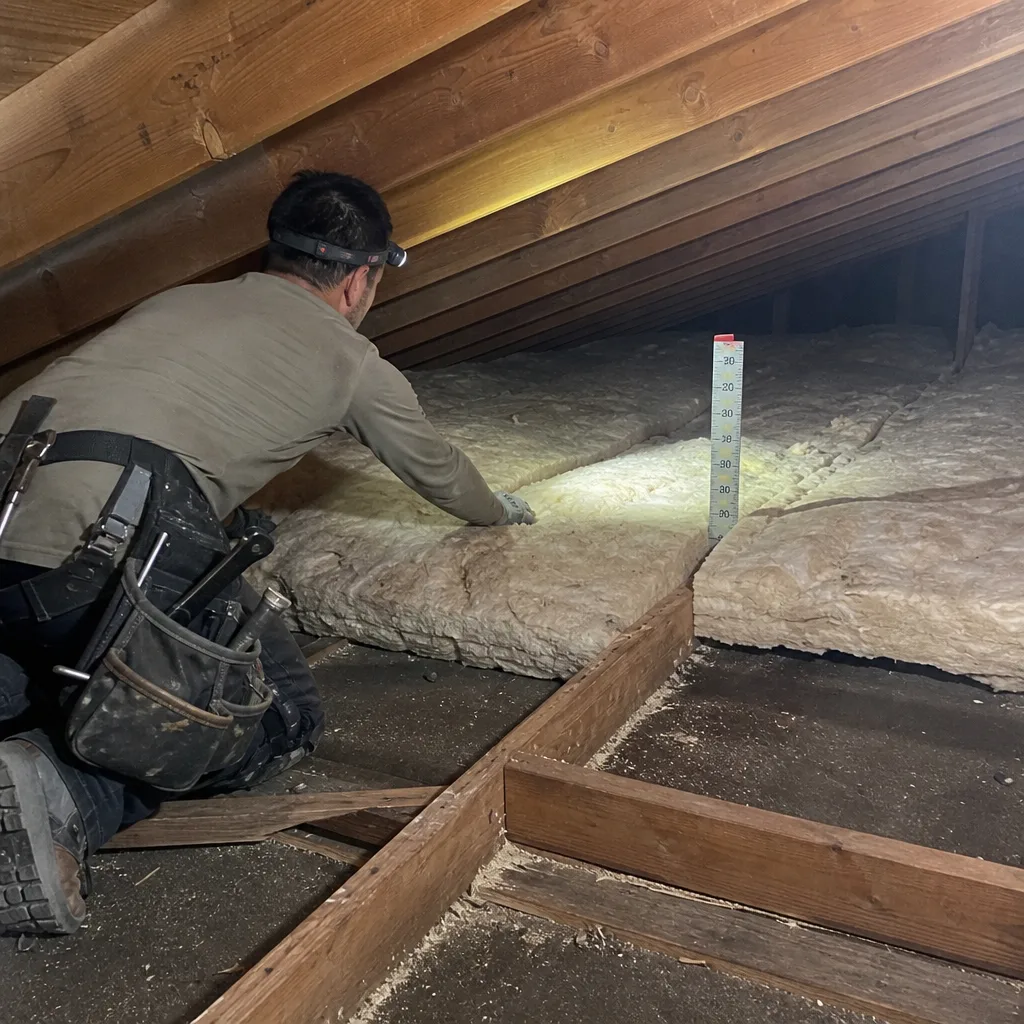
- Installation photos. Before, during, and after. Sealed top plates. Covered can lights. Insulation depth markers. These go in your Documented Photo Record, included on every job, not available on request.
- Written scope and written warranty. The flat price, the specific work performed, the materials used, and the 365-Day Done Right Promise. Delivered before anyone lifts a tool.
- Permit card and inspection record. If permits were required - and they often are for spray foam or significant attic modifications - the approved card and final inspection sign-off.
We’ve been independently owned and operated under The Haven Standard since 2016. Every one of the 9,000+ homes we’ve sealed and insulated started with a written price and ended with a documented record when the crew left. No exceptions.
What Insulation Costs in Los Angeles
Insulation pricing in Los Angeles varies by assembly type, access difficulty, material choice, and whether air sealing is included. See our Insulation Cost Breakdown: The Los Angeles Homeowner’s Reference for 2026 for detailed figures. These ranges reflect what we see in the market for properly documented work with pre- and post-testing.
| Service | Typical Range | What Drives Cost |
|---|---|---|
| Attic air sealing + blown insulation (R-38 to R-49) | $2,800 - $5,500 | Attic square footage, existing insulation removal, number of can lights, access difficulty |
| Spray foam insulation, open-cell, rafter bays | $4.50 - $7.50 per board foot | Thickness, access, ventilation modification for unvented assembly |
| Crawl space encapsulation with vapor barrier | $3,500 - $8,000 | Crawl space square footage, height, existing moisture damage, rim joist insulation |
| Wall insulation, dense-pack cellulose retrofit | $2.50 - $4.50 per square foot of wall | Wall area, siding type (stucco vs. siding), electrical density |
| Insulation removal and replacement | $1.50 - $3.00 per square foot of attic | Contamination level (rodent, smoke, water), disposal fees, access |
Most attic insulation jobs in a 1,200 to 2,000 square foot Los Angeles home run between $3,200 and $5,000 when air sealing is included. Meeting Title 24 minimum without air sealing might cost less upfront. It costs more over the life of the home.
We provide a Written Price Before Any Work Starts, always - Haven Standard Clause 1. We also offer a Free Second Opinion on Any Written Estimate. Bring us a competing quote; we will read it with you.
Common Mistakes to Avoid
- Adding insulation over unsealed bypasses. This is the most common error we correct in Los Angeles. The new insulation hides the leaks, makes them harder to fix later, and often compresses where air is moving through it, reducing R-value locally.
- Specifying R-value without considering density. Blown fiberglass at R-38 requires a specific settled depth. Installed too loosely, it settles below the target. We mark depth indicators across the attic floor and photograph them for the record.
- Ignoring the roof deck in Zone 9. A vented attic with R-49 on the floor and a 140°F roof deck still radiates heat downward. Radiant barrier or a cool roof surface addresses this; insulation alone does not.
- Using vapor-impermeable materials in the wrong assembly. Closed-cell spray foam on the underside of a roof deck in a vented attic traps moisture. We’ve removed moldy foam from Venice and Santa Monica homes where this was done incorrectly.
- Skipping permit and inspection for spray foam. Los Angeles Department of Building and Safety requires permits for spray foam insulation in most applications. Unpermitted work complicates home sales and insurance claims. We pull permits when required and include the card in your documentation.
- Neglecting the crawl space. In homes with raised floors - common in pre-1950 Los Angeles neighborhoods - an unsealed crawl space with no vapor barrier pumps moisture and outdoor air into the living space. Floor insulation above it becomes damp and ineffective.
- Trusting estimates without written scope. A verbal price for “insulate the attic” tells you nothing about bypass sealing, material type, density, or documentation. Under Haven Standard, you get a flat price, written scope, and written warranty before anyone lifts a tool.
When to Call a Professional
Call a professional when your home has uneven temperatures between rooms, energy bills that spike in summer without rate changes, visible insulation degradation, or any plan to modify the attic or crawl space. Our How to Hire a Insulation Contractor in Los Angeles: A Step-by-Step Guide walks you through the selection process. Also call before replacing an HVAC system - a smaller, properly sized unit often suffices after envelope improvements.
Topside Attic Insulation Los Angeles offers free estimates in Los Angeles. A live person answers calls 24/7 - no voicemail loops, no callback windows measured in business days. Call (628) 226-1097 to schedule. We’ll provide a written price before any work starts, and if you have a competing quote, we’ll read it with you.
Frequently Asked Questions
Most complete attic insulation jobs in Los Angeles, including air sealing and blown fiberglass or cellulose to R-38 or R-49, run between $2,800 and $5,500 for a typical single-family home. Spray foam in rafter bays costs $4.50 to $7.50 per board foot. Call (628) 226-1097 for a written estimate specific to your home - estimates are free.
Remove and replace if the existing insulation is contaminated by rodents, water, or smoke, or if it’s compressed below 50% of original thickness. Top-dressing over clean, uncompressed existing insulation can work if air sealing is addressed first. We assess this during our site visit and document the condition with photos.
Some air sealing and spot insulation repairs can be completed same-day. Full attic insulation with air sealing typically schedules within one to two weeks. Emergency situations - failed insulation after water damage, for example - we prioritize. Call (628) 226-1097 to discuss timing.
Spray foam insulation and any work involving structural modification or ignition barriers typically requires a permit from the Los Angeles Department of Building and Safety. Blown insulation in an existing vented attic often does not. We pull permits when required and include the approved card in your documented record.
A blower-door test answers this definitively. Without testing, signs include: dust streaks around outlets and baseboards, rooms that won’t stay comfortable despite HVAC running constantly, and ice damming or moisture issues in winter. Most 1950s-1980s Los Angeles homes need both.
For vented attics in Zone 9, blown fiberglass or cellulose at R-38 to R-49 with a radiant barrier on the roof deck performs well. For unvented conditioned attics, open-cell spray foam at 5.5 inches provides R-38 and air sealing in one step. The “best” choice depends on your specific assembly and whether bypasses have been sealed.
The Bottom Line
Insulation in Los Angeles is not a product decision. It’s a system decision. The Mediterranean climate, the age of the housing stock, and the specific bypass patterns in your attic determine what actually works. R-value printed on a bag means little if conditioned air is leaking past it. A complete job measures airtightness, seals bypasses first, installs appropriate material at proper density, and documents everything. That’s the standard we apply on every home we touch.
Written by Wes Okafor, Owner at Topside Attic Insulation Los Angeles, serving Los Angeles since 2016.