
Last updated September 22, 2026
Attic Insulation Maintenance Checklist for Los Angeles Homeowners
Blown cellulose that was installed at R-38 in 2010 can measure R-28 today - not because the material degraded, but because a single rodent runway compressed 4 inches of depth across a 60-square-foot path that a mirror inspection from the hatch would never reveal. Most attic insulation “maintenance” advice is recycled from cold-climate guides and tells Los Angeles homeowners to check things that rarely fail here while ignoring the specific degradation modes that actually erode performance in Southern California attics. In this guide, we’ll walk you through what to inspect, how to document it, and when a finding means it’s time to call a contractor who understands marine-layer humidity cycles, radiant-barrier delamination, and the compression patterns we’ve mapped across 9,000+ homes since 2016. For a deeper dive, see our Complete Guide to Insulation in Los Angeles.
Quick Answer
Los Angeles homeowners should inspect attic insulation annually for soffit-vent blockage and measure depth at five marked reference points, schedule a blower-door retest every five years, and perform a full assessment after any re-roof, pest treatment, or HVAC replacement. The three LA-specific failure modes to watch for are blown-fiber migration toward soffit vents in humidity cycles, radiant-barrier staple-tab separation after re-roofing, and pest-activity compression in older foothill homes. Document everything with photos, depth readings, and 24 months of utility bills before contacting any contractor.
Table of Contents
- Why LA Attics Degrade Differently Than Cold-Climate Attics
- Annual Inspection Checklist: What to Look For Every Year
- The Five-Year Blower-Door Retest: Why It Matters
- Trigger-Event Assessments: Re-Roof, Pest Treatment, HVAC Replacement
- How to Measure Actual Installed Depth and Calculate Remaining R-Value
- Three LA-Specific Degradation Modes Competitors Ignore
- Documenting Your Findings Before Calling a Contractor
- What You Can Fix Yourself vs. What Requires a Licensed Contractor
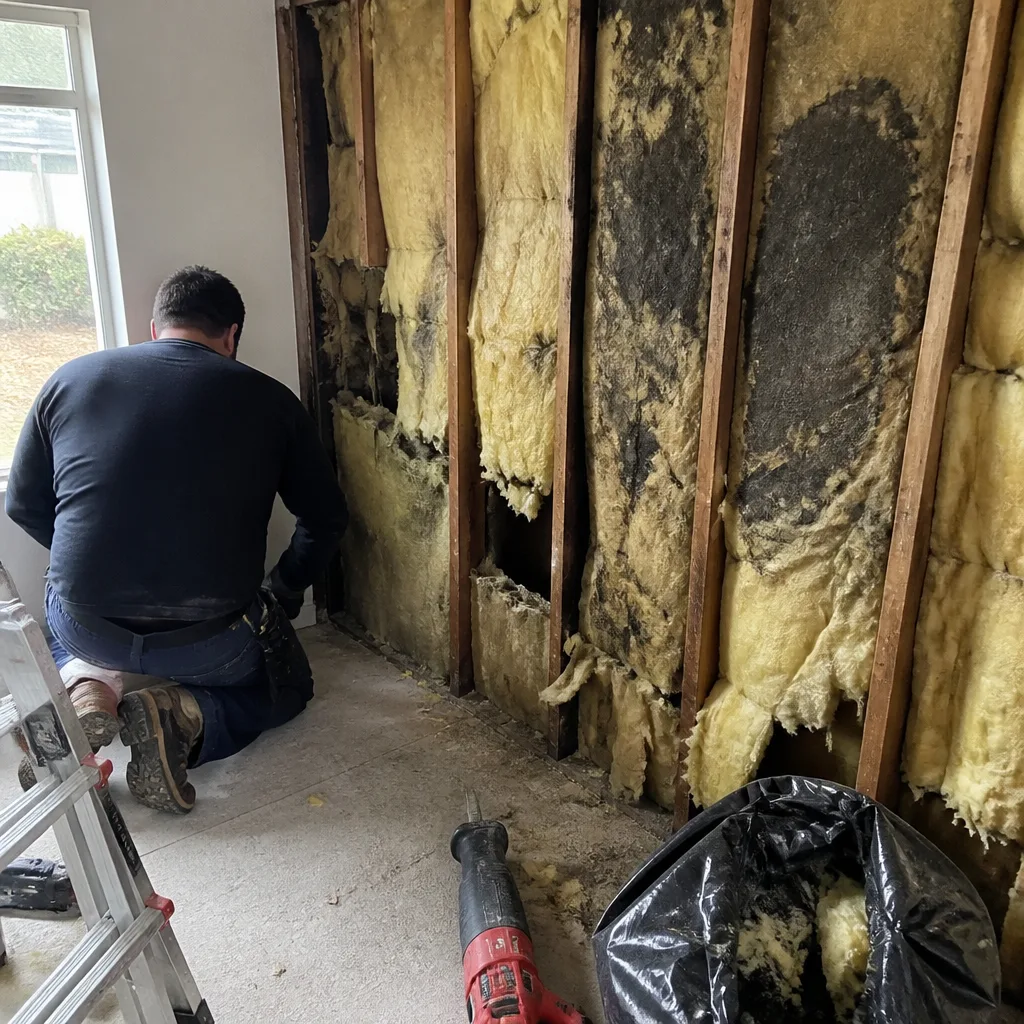 Before
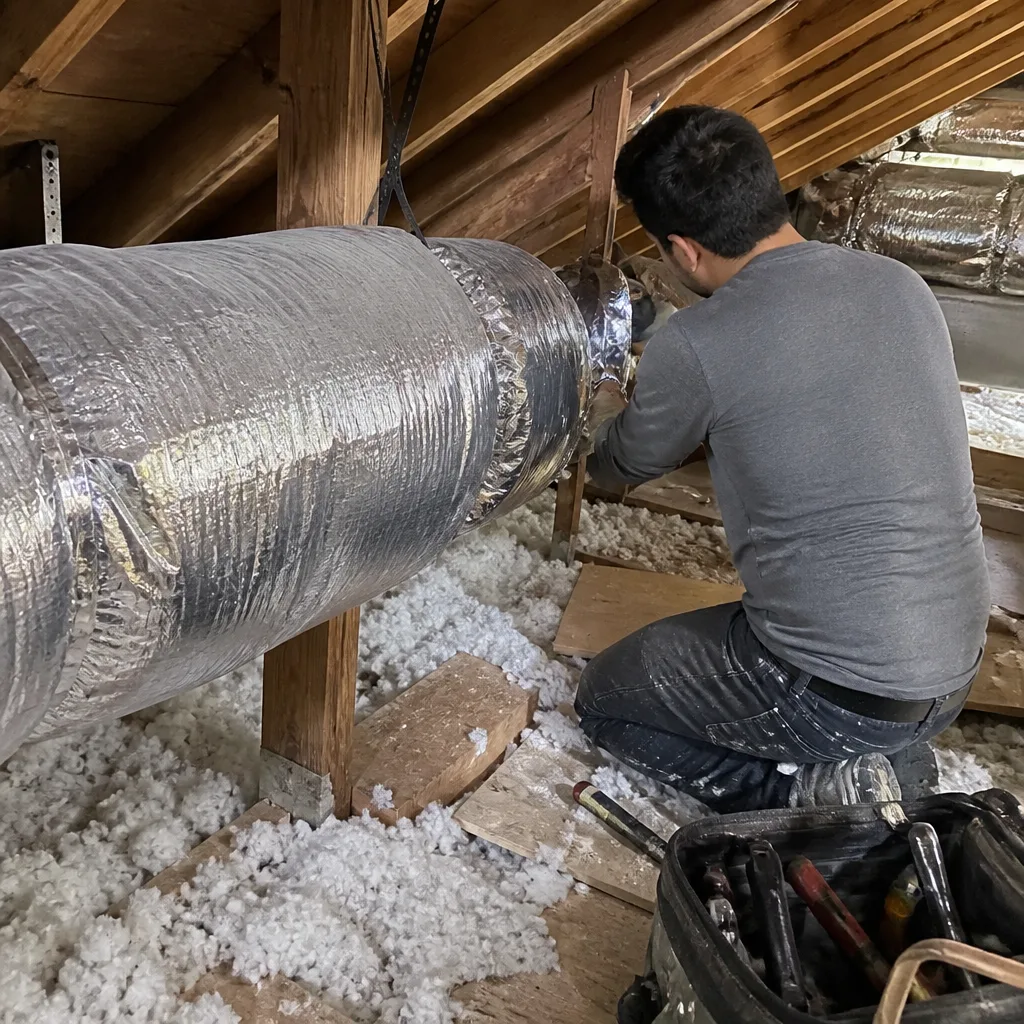 After
AfterWhy LA Attics Degrade Differently Than Cold-Climate Attics
The maintenance checklists you’ll find on most insulation websites were written for Minneapolis or Boston. They tell you to check for ice dam damage, inspect vapor barriers for condensation freeze-thaw, and watch for mold from winter humidity spikes. In Los Angeles, none of these are primary failure modes.
Our climate creates a different set of stresses. We have 280+ days of sunshine annually, which means radiant heat gain dominates cooling load more than conductive heat loss drives heating load. We have a marine layer that penetrates inland 5 to 15 miles depending on the season, creating humidity cycles that don’t match the dry-heat stereotype. And we have a housing stock that spans 1920s bungalows in Highland Park to 1960s tract homes in the San Fernando Valley to 2000s construction in Playa Vista, each with distinct attic geometries and original insulation strategies.
What this means practically: a checklist that tells you to “look for wet insulation” as a primary concern is missing the point. In our experience across Los Angeles, wet insulation from roof leaks is usually obvious and catastrophic, not subtle and gradual. The gradual losses - the ones that show up on your DWP bill over three years - come from fiber migration, compression, and air-leak reopening that bypass the insulation layer without changing its appearance from the hatch.
We’ve also found that Los Angeles homeowners often overestimate their attic insulation performance because the original installer quoted an R-value at full settled density, and no one has measured actual depth since. A 2019 job in Eagle Rock had blown fiberglass labeled R-38 that measured 8.5 inches at the hatch, 6 inches at the eaves, and 4 inches above a former kitchen soffit where crews had walked during a 2017 re-roof. The average R-value was closer to R-22, but the homeowner had no way to know until we grid-measured.
This is why our checklist separates inspection tasks by frequency and by trigger event, and why we insist on documented depth measurement rather than visual assessment.
Annual Inspection Checklist: What to Look For Every Year
Set a recurring calendar reminder for October, before the Santa Ana wind season and before you start running heating in earnest. The attic will be hot but not lethal at 10 a.m., and you’ll catch any summer degradation before winter energy bills arrive.
What to Bring
- Headlamp (not a handheld flashlight - you need both hands)
- Measuring tape or ruler with a flat end, marked in quarter-inches
- Permanent marker and five zip ties or small flags to mark measurement points
- Smartphone for photos, with flash on
- Respirator rated N95 or higher (disturbed fiber is inevitable)
- Sturdy board or plywood scrap to distribute your weight across joists
The Five-Point Annual Inspection
- Check soffit-vent clearance from the attic side. Look down the rafter bays toward the eaves. You should see daylight through every vent, with no insulation fiber blocking the airflow path. In Los Angeles, blown cellulose and fiberglass migrate toward soffit vents over time, especially in homes within the marine-layer zone (roughly west of the 405 and south of the 10, plus coastal valleys). Blocked soffit vents create stagnant attic air, which in summer can push sheathing temperatures above 160°F and accelerate asphalt shingle degradation. Use a yardstick or your arm to gently clear any visible blockage, but do not compress the insulation against the vent - you need an air gap.
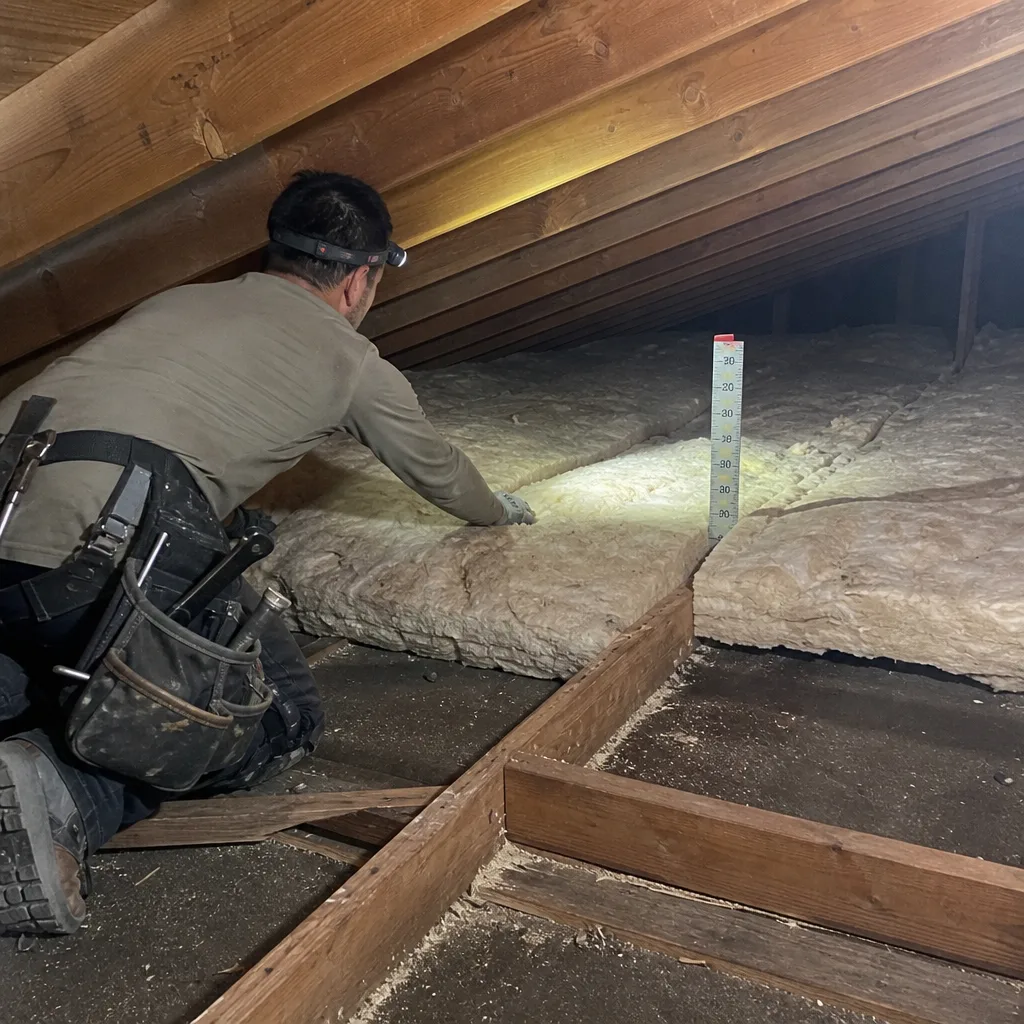
- Measure insulation depth at five marked points. Choose points when you first move in or when insulation is installed: center of attic, two points at mid-span toward opposite eaves, and two points within 3 feet of the eaves but not in the compressed zone directly above the top plate. Mark each point with a zip tie around a nearby joist or truss chord. Record depth to the nearest quarter-inch. Compare to your baseline. A loss of more than 1 inch at any point warrants investigation.
- Inspect for pest activity. Look for tunneling in blown fiber (appears as a depressed path 3 to 6 inches wide), droppings, or disturbed areas near plumbing and electrical penetrations. In Los Angeles, roof rats are the primary concern in foothill neighborhoods from Pasadena to the Hollywood Hills, while tree squirrels dominate the San Fernando Valley and Westside. Neither is a cleanliness issue - both compress insulation and create air bypasses. If you find active tunnels, call a pest control operator before addressing insulation; sealing over active pest highways traps animals and creates worse problems.
- Examine radiant barrier condition if present. Staple-tab radiant barriers, common in 1980s and 1990s Los Angeles construction, should lie flat against the rafters or decking. Look for tabs that have pulled free, sections that have fallen onto the insulation layer, or wrinkling that creates air gaps. Delaminated radiant barrier is worse than none - it traps heat against the decking and can accelerate moisture cycling.
- Photograph everything and update your record. Take dated photos of each measurement point, any soffit-vent blockage, pest damage, and radiant-barrier condition. Store in a dedicated folder. This documentation is your baseline for comparison and your evidence if you later need a contractor to assess performance loss.
Annual inspection should take 45 to 60 minutes for a typical 1,200-square-foot Los Angeles attic. If you’re uncomfortable walking joists or your attic has active electrical hazards, skip the physical inspection and schedule a professional assessment - the documentation step still applies.
The Five-Year Blower-Door Retest: Why It Matters
A blower-door test - a pressurization reading that shows, in one number, how much air your building envelope is losing - is the only way to verify that your attic’s air barrier is still intact. We perform these before and after every air-sealing job at Topside Attic Insulation Los Angeles home, and we recommend homeowners retest every five years regardless of whether we’ve worked on their home.
Here’s why the five-year interval matters in Los Angeles specifically. Our seismic activity, combined with the thermal expansion and contraction of roof assemblies during our wide daily temperature swings, slowly loosens sealant at top plates, electrical boxes, and duct boots. A home that tested at 2,800 CFM50 after professional air sealing in 2019 might read 3,400 CFM50 in 2024 - a 21% degradation - with no visible change in the attic. The leaks have reopened at points you cannot see without removing insulation.
The retest protocol we recommend:
- Schedule with a HERS rater or insulation contractor who owns a calibrated blower door (Model 3 or 4 series from The Energy Conservatory, or equivalent). Ask for the pre-retest checklist: all exterior doors and windows closed, fireplace dampers shut, HVAC off, interior doors open.
- Request a multi-point test, not a single-point depressurization. The multi-point test at -25, -50, and -75 Pascals reveals whether leaks are large (dominated by wind pressure) or small (dominated by stack effect), which changes the remediation strategy.
- Compare to your baseline. If your home was never tested, use the LA County reference: pre-1978 homes typically test 4,500 to 7,000 CFM50; 1978-2005 construction, 3,000 to 5,000; post-2005 Title 24 compliant, 2,000 to 3,500. A result 15% above your baseline or 20% above code reference triggers air-sealing work.
- Get the written report with the CFM50 at -50 Pa, the ACH50 (air changes per hour), and a thermal image or smoke-pencil video of the largest leaks if the contractor offers it. This is your documentation.
Cost for a standalone blower-door test in Los Angeles runs $250 to $450. If you’re also due for insulation assessment, many contractors including our team at Attic Insulation in Los Angeles will roll the blower-door test into a comprehensive energy audit at reduced or no additional charge.
Under Haven Standard: Arrive on schedule, you get a named technician and a text when they are on the way. Every applicable job gets before-and-after blower-door numbers published in your documented record.
Trigger-Event Assessments: Re-Roof, Pest Treatment, HVAC Replacement
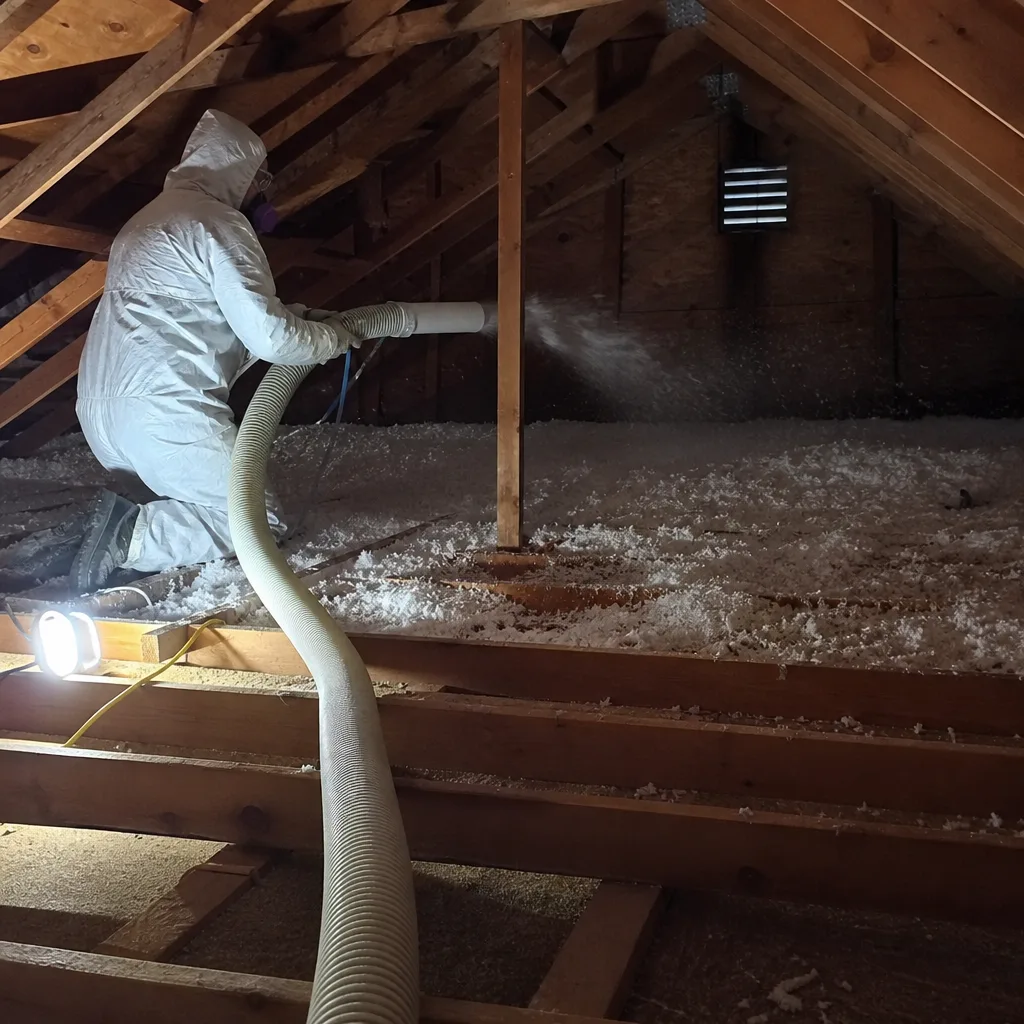
Some events should reset your inspection clock and trigger a full attic assessment regardless of when you last checked. In Los Angeles, these three are non-negotiable.
After Any Re-Roof
Roofing crews walk the deck, drive nails through sheathing, and disturb ventilation pathways. We’ve inspected attics in Los Angeles where a 2022 re-roof drove nails through radiant-barrier staple tabs, creating dozens of new air leaks and converting a functional barrier into a collection of dangling foil strips. Other common re-roof damage: compressed insulation at access paths the crew used, dislodged baffles at soffit vents, and broken ductwork that crews stepped on.
Inspect within 30 days of re-roof completion. Check every point from the annual checklist, plus: examine all roof-penetration flashings from the attic side for daylight gaps, verify ridge-vent continuity (common failure point in Los Angeles tile-roof replacements), and measure depth at your five marked points to detect compression.
After Pest Treatment or Rodent Exclusion
Pest control operators seal entry points, set traps, and sometimes remove contaminated insulation. What they rarely do: restore insulation depth, verify that their exclusion work didn’t block soffit vents, or test whether compressed tunnels have reopened air leaks. We’ve found homes in Silver Lake and Los Feliz where rodent exclusion included hardware cloth over soffit vents that reduced net free vent area by 40%.
Post-treatment inspection should verify: soffit-vent flow is unrestricted, compressed insulation is fluffed or replaced to original depth, and no new air leaks were created at exclusion points. If insulation is contaminated, removal and replacement by a licensed contractor is usually required - most material warranties void on contact with urine or feces.
After HVAC Replacement or Duct Modification
New equipment often means new duct routing, new platform construction in the attic, and crews working in the insulation layer. A 2023 job in Mid-City Los Angeles had a new furnace platform built directly on blown cellulose, compressing 12 inches to 3 inches across a 30-square-foot zone with no remediation by the HVAC contractor. The homeowner’s heating bills rose 18% the following winter.
Post-HVAC inspection: measure depth at all points within 10 feet of new equipment, photograph any platform or support construction, verify flex duct is supported at proper intervals (not lying on insulation, which compresses both), and check that return-air pathways weren’t disrupted.
How to Measure Actual Installed Depth and Calculate Remaining R-Value
Installers quote R-value at settled density after 30 days. What you actually have is whatever’s there now, and in Los Angeles attics, it’s rarely the quoted number. Here’s how to measure and calculate without trusting anyone’s word.
Step-by-Step Depth Measurement
- At each of your five marked points, clear surface debris gently with your hand. Do not compress the fiber.
- Place your ruler perpendicular to the attic floor, with the flat end resting on the drywall or plaster below. If you hit a joist, move 6 inches and restart - you want the cavity depth, not the joist height.
- Read the depth at the top of the insulation surface, not the highest fiber. For blown fiber, the surface is uneven; take the average of three visual estimates across a 6-inch circle.
- Record to the nearest quarter-inch. Photograph the ruler in place with the measurement legible.
- Repeat at all five points. Calculate the average and note the range (highest minus lowest).
Calculating R-Value from Depth
Use the settled-density R-value per inch from the manufacturer or a conservative generic value:
- Blown cellulose (GreenFiber or equivalent): R-3.2 to R-3.8 per inch at settled density. Use R-3.5 for estimation unless you have the specific product data sheet.
- Blown fiberglass (CertainTeed InsulSafe SP or equivalent): R-2.2 to R-2.9 per inch. Use R-2.5 for estimation.
- Spray foam open-cell (Icynene or Demilec): R-3.6 to R-3.9 per inch. Use R-3.7.
- Spray foam closed-cell: R-6.0 to R-6.5 per inch. Use R-6.2.
Multiply average depth by R-value per inch. Example: 9.5 inches of blown cellulose at R-3.5 = R-33.25. If the original installation was quoted at R-38 (10.9 inches at install), you’ve lost 13% of thermal resistance.
What the numbers mean in Los Angeles: Title 24 currently requires R-38 in Climate Zone 6 (Los Angeles Basin) and R-49 in Climate Zone 9 (higher elevation foothill areas). If your calculated R-value is below code minimum, replacement or topping off is warranted - not just for comfort, but because subcode insulation complicates permit history if you sell or refinance.
Three LA-Specific Degradation Modes Competitors Ignore
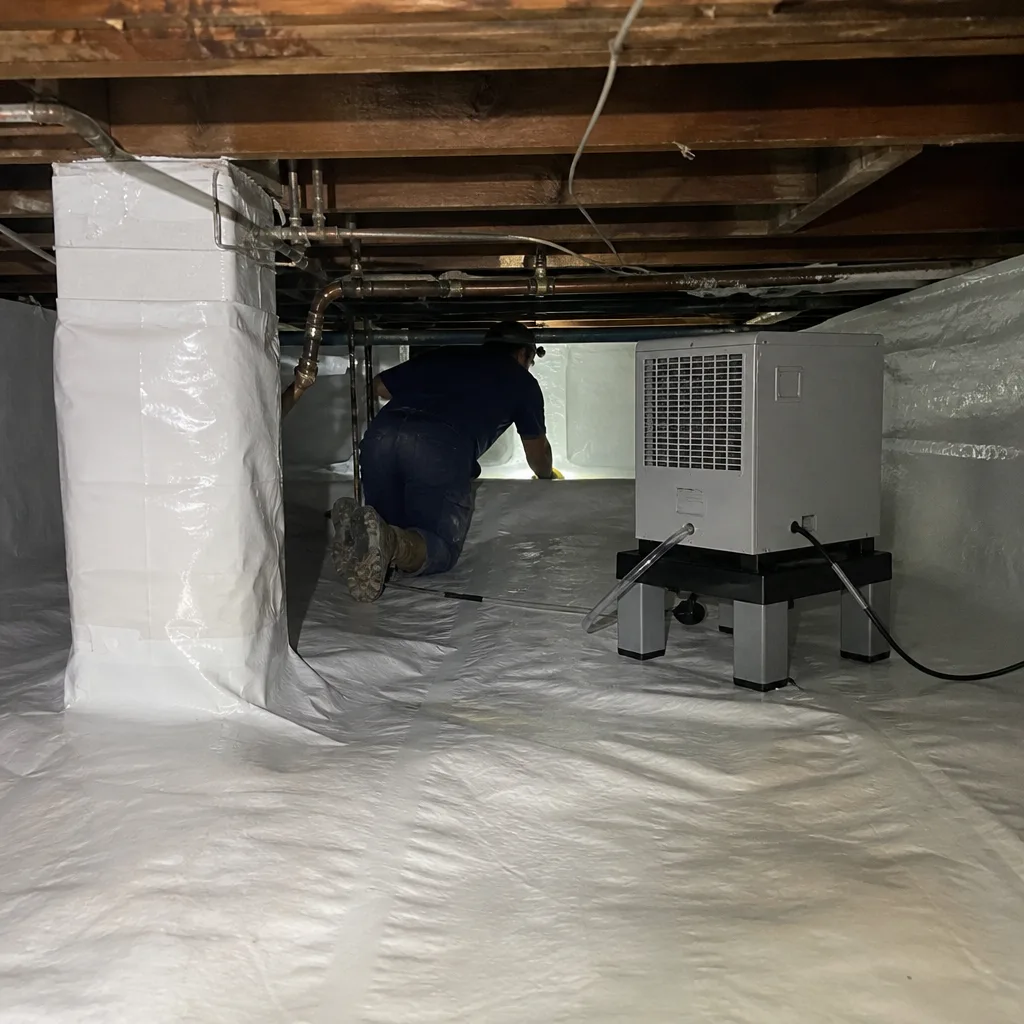
Most insulation contractors in Los Angeles will tell you to “check for moisture” and “look for pests.” They won’t tell you about these three failure patterns because they don’t measure for them and don’t know how to fix them. See our DIY vs Professional Insulation guide to decide when to call in help.
Blown-Fiber Migration Toward Soffit Vents in Marine-Layer Humidity Cycles
Los Angeles has a unique humidity pattern: dry Santa Ana conditions in fall and winter, marine-layer moisture in spring and early summer, especially west of the 405 and in coastal valleys like Santa Monica, Pacific Palisades, and San Pedro. Blown cellulose and fiberglass absorb moisture from humid attic air, become slightly heavier, and creep toward low-pressure zones - primarily soffit vents where wind creates suction. Over 5 to 10 years, this migration thins insulation at the center of the attic and piles it at the eaves, where it blocks ventilation.
We’ve measured this pattern repeatedly. A 2017 installation in Venice had 14 inches at the eaves and 7 inches at the center after seven years - the reverse of proper distribution. The homeowner’s cooling bills had risen 22% because the center of the attic, directly above the living space, was underinsulated while the eaves were overinsulated and vent-blocked.
Fix: redistribution by vacuum and re-blow, with improved baffles at soffit vents to prevent recurrence. Not a DIY job - the vacuum equipment is specialized and the baffle installation requires working at the eave edge.
Radiant-Barrier Staple-Tab Separation After Re-Roofing Nail Guns
Staple-tab radiant barriers were common in Los Angeles tract construction from 1985 to 2005. The staple tabs are 1/2-inch wide and penetrate 3/8 inch into rafters or roof decking. When a re-roof crew drives nails through the same rafters, the vibration and direct impact dislodge adjacent tabs. A single re-roof can separate 15% to 30% of tabs in the nail zone.
The failure is invisible from below and hard to spot from the attic side because the foil drapes rather than falls. But a draped radiant barrier with air gaps on both sides has effectively zero radiant-heat rejection - the physics require proximity to the hot surface.
Fix: removal and replacement with a properly attached product, or conversion to a different strategy (reflective roof coating, upgraded insulation to offset lost radiant benefit). We assess this on every re-roof follow-up in Los Angeles and document with before-and-after infrared photography.
Pest-Activity Compression in Older Homes Near the Foothills
Los Angeles foothill neighborhoods - Eagle Rock, Mount Washington, Highland Park, Pasadena-adjacent areas, and the Hollywood Hills - have established roof rat populations that use attics as highway corridors. A single rat runway compresses blown fiber to 20% to 30% of original depth across a 4-to-6-inch-wide path. Multiple runs create a network of thermal bypasses that can reduce effective attic R-value by 15% to 25% even when the majority of the surface looks intact.
The compression is often missed in casual inspection because it’s narrow and runs between joists. Only systematic grid measurement or thermal imaging reveals the pattern.
Fix: pest exclusion first, then compressed-area removal and replacement. We do not recommend leaving compressed fiber in place and blowing over it - the density differential creates a convection path that continues to bypass the new insulation.
Documenting Your Findings Before Calling a Contractor
Under Haven Standard Clause 1: flat price, written scope, written warranty before anyone lifts a tool. To get an accurate written price, you need to give the contractor accurate information. Here’s what to assemble before you call.
The Documentation Packet
- Photos: Your five measurement-point photos with depth readings visible, plus wide shots showing overall attic condition, any pest damage, radiant-barrier status, and HVAC equipment proximity. Date every photo.
- Depth measurement log: A simple table with date, location (your five marked points), depth in inches, calculated R-value, and notes on changes from prior readings.
- Utility bills: Last 24 months of electricity and gas bills, or your DWP online usage history. Look for kWh and therms trends, not just dollar amounts - rates change, usage patterns reveal performance.
- Pest inspection reports: Any reports from licensed pest control operators, especially if they note attic activity, exclusion work performed, or contamination findings.
- Prior contractor documentation: Original installation invoice with product specifications, any prior blower-door reports, and warranty paperwork.
With this packet, a competent contractor can give you a meaningful preliminary assessment by phone and a firm written price after an on-site verification. Without it, you’re asking for a guess, and guesses tend to pad contingency.
At Topside Attic Insulation Los Angeles home, we offer a Free Second Opinion on Any Written Estimate - bring us a competing quote and we will read it with you, line by line, against your documentation. We’ve found that 40% of competing quotes in Los Angeles specify products or R-values that don’t match the homeowner’s actual needs once the documentation is reviewed.
What You Can Fix Yourself vs. What Requires a Licensed Contractor
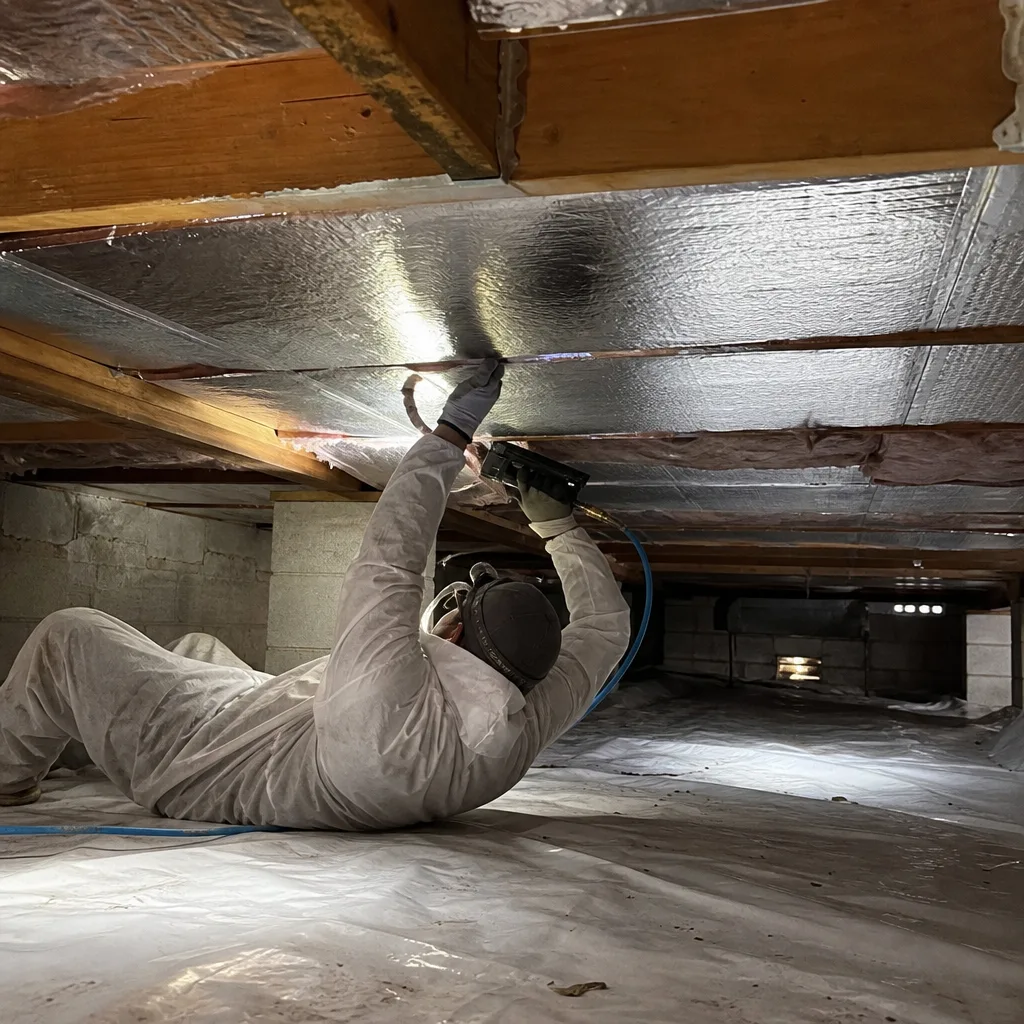
Some annual checklist items are homeowner-appropriate. Others will void material warranties or create safety hazards if attempted without training.
Homeowner-Appropriate Tasks
- Clearing light soffit-vent blockage with a yardstick or arm, provided you can reach safely from the attic floor without overreaching
- Fluffing lightly compressed insulation at accessible points (use a garden rake with plastic tines, never metal)
- Photographing and documenting conditions
- Installing non-contact baffles from the attic side at soffit vents (simple snap-in products available at hardware stores, though working at the eave edge carries fall risk)
Tasks Requiring a Licensed C-2 (Insulation) or C-20 (HVAC) Contractor
- Insulation removal and replacement (warranty voids on DIY removal; also, disturbed fiber requires containment and disposal per California DTSC guidelines)
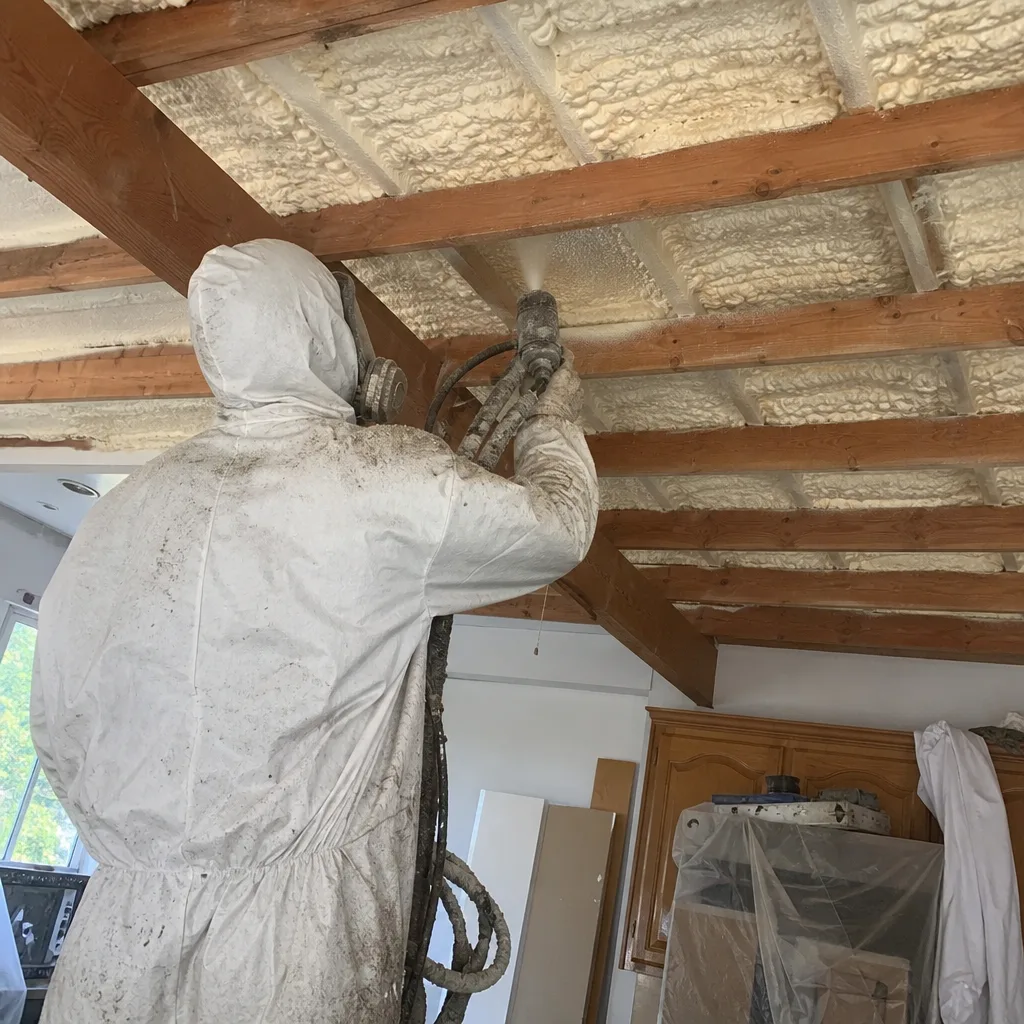
- Spray foam installation or repair (requires respiratory protection, ignition barrier knowledge, and product-specific training - Icynene and Demilec both certify applicators)
- Air sealing with caulk, foam, or fire-stop materials at penetrations (fire code compliance is non-negotiable; improper sealing can create combustion hazards)
- Blower-door testing (calibrated equipment and certified operator required for meaningful results)
- Radiant-barrier installation or repair (working on sloped surfaces at height; also, improper installation can trap moisture)
- Any work involving electrical boxes, recessed can lights, or combustion appliance venting (C-10 electrical or C-36 plumbing contractor may be required)
Critical safety note for Los Angeles homeowners: attics built before 1980 may contain vermiculite insulation, some of which is contaminated with asbestos. Do not disturb vermiculite. If you see pea-sized gray granules that look different from fiberglass or cellulose, stop and call a certified asbestos inspector. Disturbing asbestos-containing material without proper abatement is a health hazard and a California regulatory violation.
Common Mistakes to Avoid
- Trusting the installer’s R-value quote without measuring depth. Every R-value assumes a specific thickness at settled density. We’ve found Los Angeles attics where the quoted R-38 was physically impossible given the actual depth and joist height.
- Blowing new insulation over compressed or contaminated old insulation. This is the most common shortcut in Los Angeles. The new layer performs poorly because the old layer beneath has lost loft, and any pest contamination spreads. Proper removal is slower and costs more upfront, but it’s the only approach that delivers the performance you’re paying for.
- Ignoring the air-sealing step. Adding R-value to a leaky attic is like adding a thicker sweater in a windstorm. In Los Angeles, our cooling-dominated loads mean air leaks bring 120°F attic air into conditioned space through stack effect every summer afternoon. We seal first, then insulate - in that order. Envelope will never blow insulation over an unsealed attic floor.
- Blocking soffit vents with insulation or storage. Los Angeles homes need active ventilation to purge daytime heat gain. A 10% reduction in net free vent area can raise peak attic temperature by 15°F. Never store boxes against eaves, and verify baffles are in place after any insulation work.
- Assuming spray foam is maintenance-free. Open-cell spray foam can shrink at edges over time, especially in the wide temperature swings of a Los Angeles attic. Annual visual inspection of foam-to-framing interfaces is essential. Closed-cell foam is more stable but should still be checked for mechanical damage from trades.
- Waiting for a comfort problem before inspecting. By the time you feel uncomfortable, performance has typically degraded 20% to 30%. Annual inspection catches drift before it becomes a bill shock.
- Hiring based on price per square foot without specifying product and depth. A $1.50/sq ft quote for “blown insulation” tells you nothing. Is it fiberglass or cellulose? What depth? What R-value? What air-sealing scope? Without written specificity, you cannot compare quotes or hold anyone accountable.
When to Call a Professional
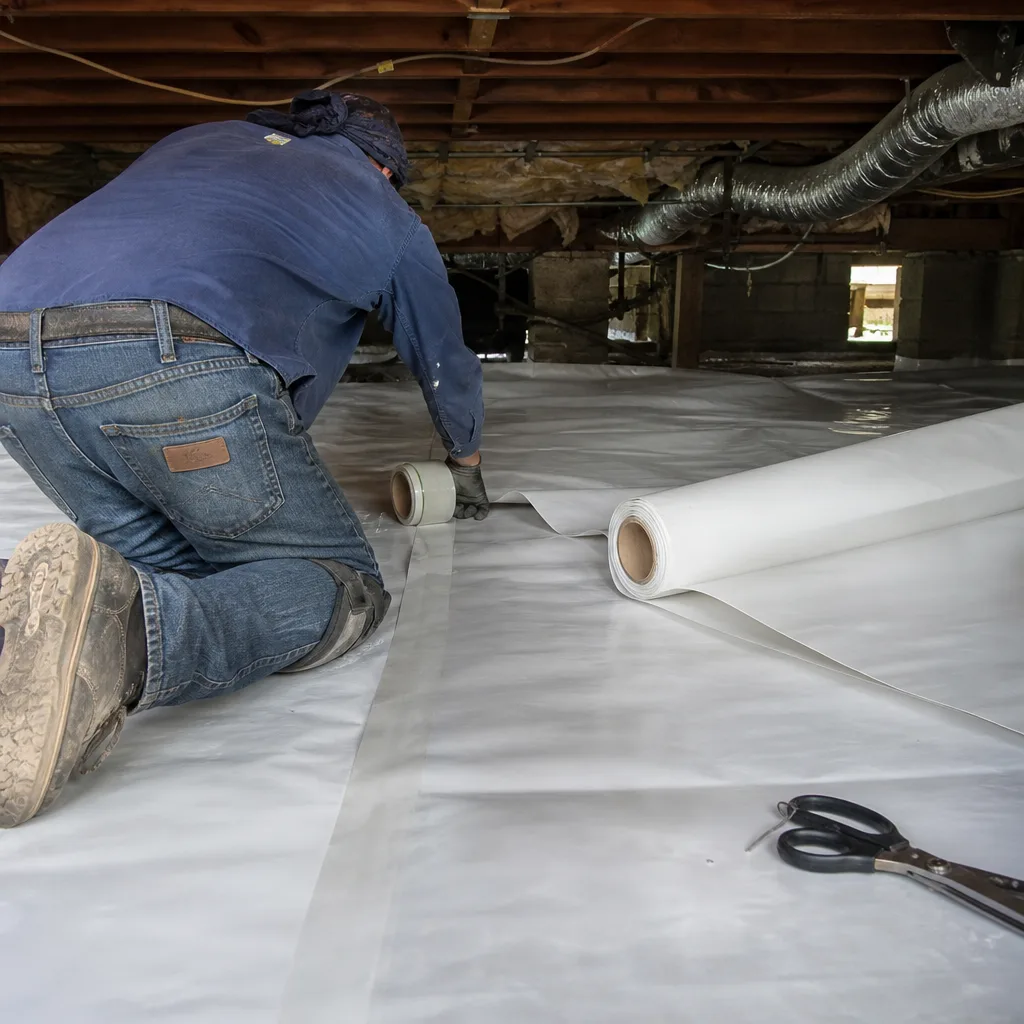
Call a licensed insulation contractor when: your calculated R-value has fallen below Title 24 minimum for your climate zone; you find active pest tunnels or contamination; your blower-door retest shows 15% or more degradation from baseline; you’ve had a trigger event (re-roof, pest treatment, HVAC replacement) and haven’t inspected within 30 days; or you’re uncomfortable performing any part of the annual inspection safely.
Topside Attic Insulation Los Angeles offers free estimates in Los Angeles - call (628) 226-1097. Every estimate includes a written price before any work starts, a documented photo record, and on applicable jobs, before-and-after blower-door numbers so you can verify the air-sealing result. Our 365-Day Done Right Promise applies to all completed work: if it’s not done right, we make it right.
For homes with crawl space concerns in addition to attic work, we also provide Crawl Space Encapsulation & Vapor Barrier in Los Angeles with the same documentation standards. And for homeowners considering spray foam upgrades, our Spray Foam Insulation in Los Angeles page details how we approach open-cell and closed-cell applications with product-agnostic specification - we source from Owens Corning, Johns Manville, Knauf, Rockwool, CertainTeed, Icynene, Demilec, and GreenFiber with no proprietary lock-in.
Frequently Asked Questions
Inspect annually in October, schedule a blower-door retest every five years, and perform a full assessment within 30 days of any re-roof, pest treatment, or HVAC replacement. For more guides & resources on keeping your home efficient, visit our blog. Los Angeles marine-layer humidity cycles and seismic activity create degradation patterns that differ from cold climates, so the generic “check every few years” advice understates the need.
Most attic insulation jobs in a Los Angeles home of 1,200 to 2,000 square feet run between $2,800 and $6,500 for removal and replacement with blown cellulose or fiberglass to R-38, including air sealing of top plates, can lights, and penetrations. Spray foam applications range higher, typically $4,500 to $12,000 depending on open-cell versus closed-cell specification and attic complexity. These are 2024 market ranges for licensed, insured work with written scope and warranty; unlicensed quotes may be lower but carry no recourse for performance failures. Call (628) 226-1097 for an exact quote - estimates are free, and we provide a Free Second Opinion on any written estimate you bring us.
Only if the old insulation is uncontaminated, uncompressed, and dry. In Los Angeles, we rarely find old attic insulation that meets all three criteria after five years. Rodent compression, migration toward soffit vents, and prior trade damage usually make removal and replacement the better investment. Blowing over compromised insulation gives you the R-value of the new layer alone, not the sum, because the old layer has lost effective thermal resistance.
Spot repair is cheaper upfront but rarely cost-effective long-term. A single compressed zone might cost $800 to remove and refill, but if the surrounding insulation is 10 years old, you’re patching a degrading system. Full replacement with current materials and proper air sealing typically delivers 20% to 35% better performance than spot repair in a mixed-age attic, with a single warranty covering the entire assembly. For homes with original insulation from before 2010, replacement is almost always the better value in Los Angeles.
Title 24 requires R-38 for attic insulation in Los Angeles Basin climate zones and R-49 for higher-elevation foothill areas. These are minimums, not optima. Given our cooling-dominated loads and rising summer temperatures, we often specify R-44 to R-49 in the basin when budget allows, particularly for homes with ductwork in the attic. The incremental material cost is modest; the comfort improvement during August heat waves is significant.
A functional staple-tab radiant barrier lies flat against rafters or decking with no air gaps larger than 1/4 inch. If you see draping, detached tabs, or foil lying on insulation, the barrier has failed. In Los Angeles, re-roofing is the most common failure trigger - nail gun vibration dislodges staple tabs. A failed radiant barrier can actually worsen performance by trapping heat against sheathing. Professional assessment with infrared imaging confirms whether replacement or a strategy shift to upgraded insulation makes sense.
The Bottom Line
Los Angeles attics degrade differently than cold-climate attics, and most maintenance advice ignores the actual failure modes: blown-fiber migration in marine-layer humidity cycles, radiant-barrier delamination after re-roofing, and pest-compression networks in foothill neighborhoods. Annual inspection with measured depth at five marked points, a five-year blower-door retest, and trigger-event assessments after re-roof, pest treatment, or HVAC work will catch degradation before it becomes bill shock. Document everything - photos, depth readings, utility bills, pest reports - and demand written scope, written price, and written warranty before any contractor starts work. The performance you paid for is only maintained if you measure it.
Written by Wes Okafor, Owner at Topside Attic Insulation Los Angeles, serving Los Angeles since 2016.